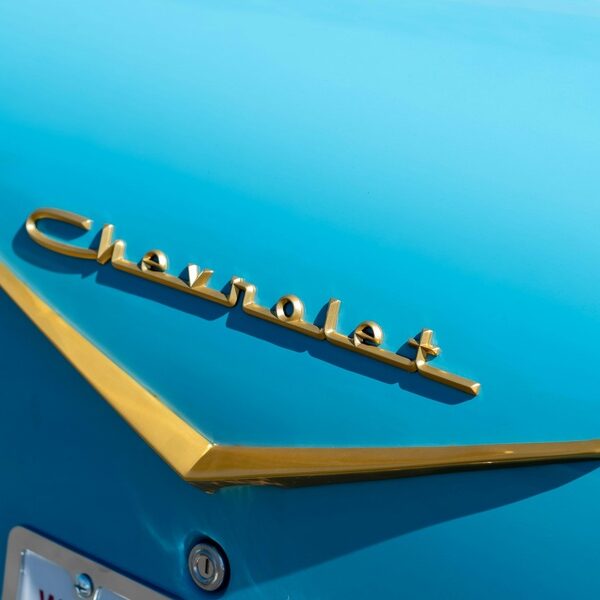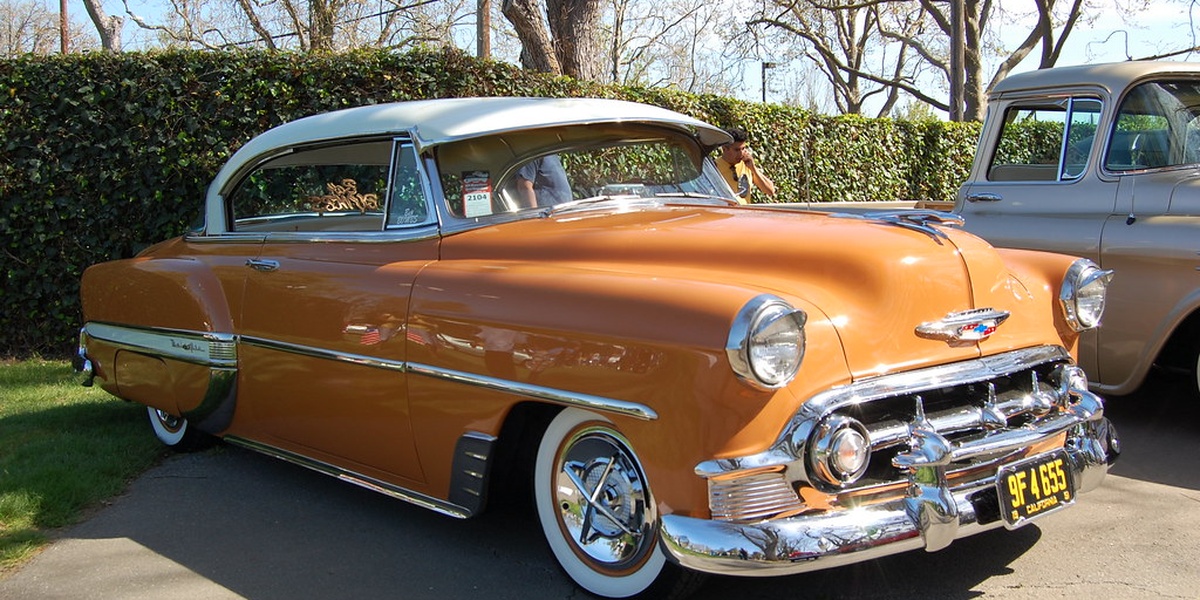
Postwar streets and showrooms reflected a sea change in mobility: growing suburbs, longer commutes and affordable models made cars central to daily life. Designers and manufacturers across Europe and America raced to meet new tastes and needs, shaping a decade of distinct styles and practical advances.
There are 56 Popular Cars in the 1950s, ranging from the Alfa Romeo Giulietta to the Volkswagen Beetle. Each entry is organized with Years (first-last),Production (units),Country so you can compare model runs and origins; you’ll find below.
Which models on this list had the largest production numbers?
Mass-market cars typically lead in units — the Volkswagen Beetle and several U.S. sedans often top production tallies — but actual figures vary by year and market; check the Production (units) column below for exact totals and comparisons.
How were the years and production figures determined?
Figures come from manufacturer records, national registries and established automotive histories; when sources disagree, the list notes ranges or estimates and uses the Years (first-last) field to reflect production spans.
Popular Cars in the 1950s
| Model | Years (first-last) | Production (units) | Country |
|---|---|---|---|
| Chevrolet Bel Air | 1950–1959 | 3,000,000 | USA |
| Ford Fairlane | 1955–1959 | 1,800,000 | USA |
| Plymouth Belvedere | 1950–1959 | 2,000,000 | USA |
| Dodge Coronet | 1950–1959 | 1,200,000 | USA |
| Ford Customline | 1952–1956 | 1,000,000 | USA |
| Chevrolet Corvette | 1953–1959 | 18,000 | USA |
| Ford Thunderbird | 1955–1959 | 45,000 | USA |
| Cadillac Eldorado | 1953–1959 | 25,000 | USA |
| Buick Roadmaster | 1950–1959 | 600,000 | USA |
| Oldsmobile 88 | 1950–1959 | 1,200,000 | USA |
| Pontiac Chieftain/Bonneville | 1950–1959 | 800,000 | USA |
| Chrysler 300 | 1955–1959 | 20,000 | USA |
| Studebaker Champion/Commander | 1950–1959 | 300,000 | USA |
| Hudson Hornet | 1951–1954 | 75,000 | USA |
| Kaiser Henry J | 1951–1954 | 120,000 | USA |
| Nash Ambassador | 1950–1957 | 200,000 | USA |
| Volkswagen Beetle | 1950–1959 | 3,000,000 | Germany |
| Fiat 600 | 1955–1959 | 300,000 | Italy |
| Fiat 500 Nuova | 1957–1959 | 50,000 | Italy |
| Citroën 2CV | 1950–1959 | 800,000 | France |
| Citroën DS | 1955–1959 | 140,000 | France |
| Morris Minor | 1950–1959 | 500,000 | UK |
| Austin A40/A30 | 1950–1959 | 400,000 | UK |
| MG MGA | 1955–1959 | 50,000 | UK |
| Triumph TR2/TR3 | 1953–1959 | 45,000 | UK |
| Jaguar XK120/XK140/XK150 | 1950–1959 | 60,000 | UK |
| Jaguar Mark VII | 1950–1959 | 25,000 | UK |
| Mercedes‑Benz 300SL Gullwing | 1954–1957 | 1,400 | Germany |
| Mercedes‑Benz Ponton | 1953–1959 | 400,000 | Germany |
| Porsche 356 | 1950–1959 | 30,000 | Germany |
| BMW Isetta | 1955–1959 | 160,000 | Germany |
| Renault 4CV | 1950–1959 | 1,200,000 | France |
| Renault Dauphine | 1956–1959 | 600,000 | France |
| Peugeot 203/403 | 1950–1959 | 700,000 | France |
| Lancia Aurelia | 1950–1958 | 17,000 | Italy |
| Alfa Romeo Giulietta | 1954–1959 | 120,000 | Italy |
| Ferrari 250 series | 1953–1959 | 2,000 | Italy |
| Austin‑Healey 100 | 1953–1956 | 14,000 | UK |
| Ford Consul/Zephyr | 1951–1959 | 600,000 | UK |
| Vauxhall Velox/Cresta | 1950–1959 | 300,000 | UK |
| Hillman Minx | 1950–1959 | 600,000 | UK |
| Plymouth Savoy | 1950–1959 | 1,100,000 | USA |
| Packard Caribbean | 1953–1956 | 7,000 | USA |
| Mercury Monterey | 1950–1959 | 400,000 | USA |
| Rambler (Nash/American Rambler) | 1950–1959 | 750,000 | USA |
| Oldsmobile Ninety‑Eight | 1950–1959 | 350,000 | USA |
| Toyota Crown | 1955–1959 | 60,000 | Japan |
| Toyota Land Cruiser (BJ) | 1951–1959 | 15,000 | Japan |
| Datsun/Nissan Fairlady (early) | 1959–1959 | 5,000 | Japan |
| Sunbeam‑Talbot 90 | 1950–1959 | 20,000 | UK |
| Goggo/Heinkel/Other microcars (representative) | 1950–1959 | 200,000 | Germany |
| Skoda 1101/1102 | 1950–1959 | 120,000 | Czechoslovakia |
| Opel Kapitän/Admiral | 1950–1959 | 500,000 | Germany |
| Simca Aronde | 1950–1959 | 400,000 | France |
| Saab 92/93 | 1950–1959 | 50,000 | Sweden |
| Humber Super Snipe | 1950–1959 | 25,000 | UK |
Images and Descriptions
Chevrolet Bel Air
Iconic full-size American family car known for chrome styling and V8 options; extremely popular for its 1950s design, affordability and cultural presence in films and suburban life.
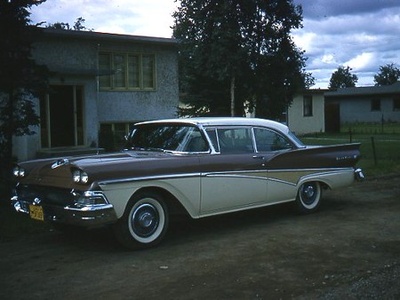
Ford Fairlane
Mid-size Ford that captured mid‑50s taste with sleeker styling and V8 power; popular for modern looks, trim levels and broad dealer network that appealed to American buyers.
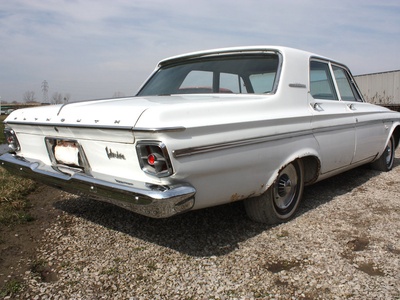
Plymouth Belvedere
Plymouth’s mainstream full-size offering notable for value, new styling and cruiseable American V8s; a common family car throughout the decade.

Dodge Coronet
Workhorse midsize car that evolved into a stylish, powerful model by mid‑decade; popular for competitive pricing and fleet use as well as custom tuning.
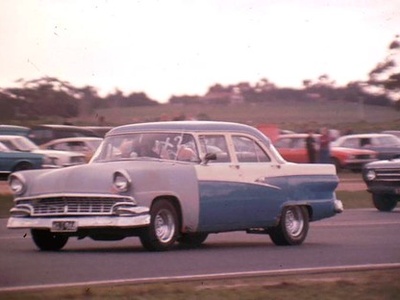
Ford Customline
Affordable family sedan from Ford’s early‑50s lineup; popular for practicality, robust V8 options and widespread availability across American markets.
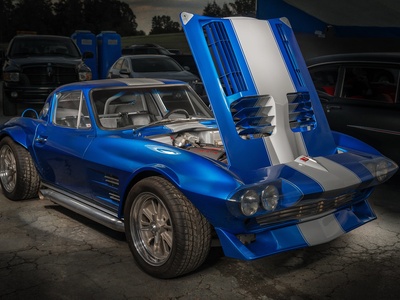
Chevrolet Corvette
America’s first mass‑market sports car, handbuilt early on and gaining fame for style and performance; aspirational and culturally iconic among enthusiasts.
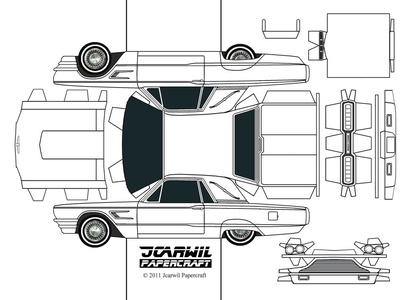
Ford Thunderbird
Two‑seat personal luxury car aimed at style and cruising rather than racing; became a fashionable symbol of 1950s American jet‑age design and leisure driving.
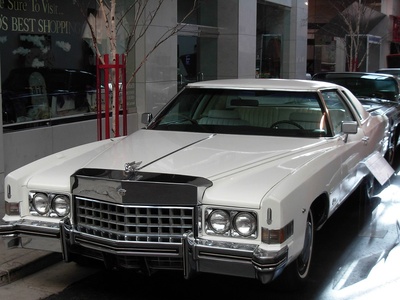
Cadillac Eldorado
Ultra‑luxury, high‑style Cadillac with premium trims and powerful V8s; a status symbol of 1950s American prosperity and automotive glamour.
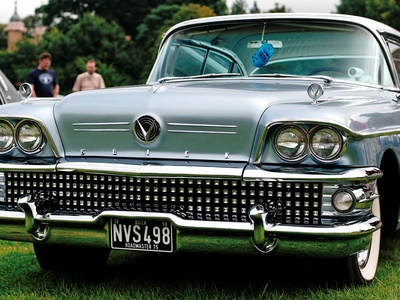
Buick Roadmaster
Large, upscale Buick known for smooth engines and conservative luxury; favored by buyers who wanted comfort and classic American styling.
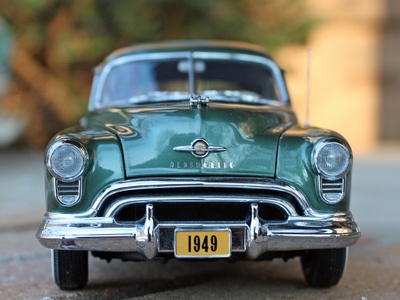
Oldsmobile 88
Famous for its “Rocket” V8, the 88 combined performance with family car practicality and helped popularize the muscle‑oriented American sedan formula.
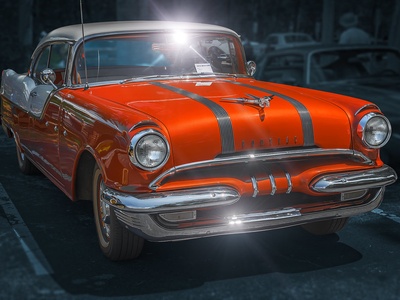
Pontiac Chieftain/Bonneville
Pontiac’s stylish performers; Bonneville (from 1957) offered upscale trim and power while Chieftain sold well as patriotic postwar transport.
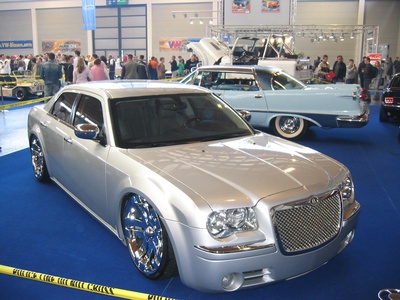
Chrysler 300
High‑performance, limited‑production luxury coupe and convertible; famed for powerful Hemi engines and racing success, the 300 defined mid‑50s American performance luxury.
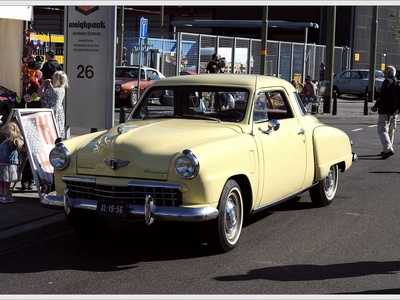
Studebaker Champion/Commander
Compact to mid‑size models praised for distinctive styling and economical performance; Studebaker remained culturally notable even as company fortunes declined.
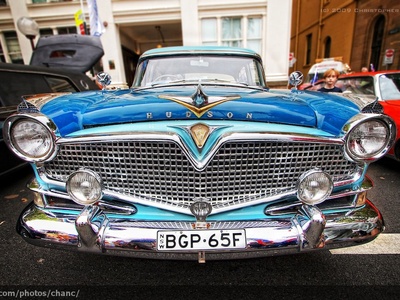
Hudson Hornet
Famed for its low center of gravity and dominant NASCAR success in early 1950s; the Hornet was admired for handling and straight‑six power.
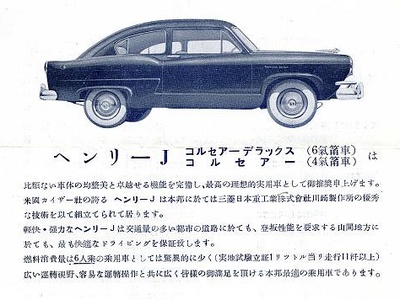
Kaiser Henry J
Compact, budget‑minded car introduced to compete with small mainstream cars; modest sales but notable as an early postwar compact U.S. model.
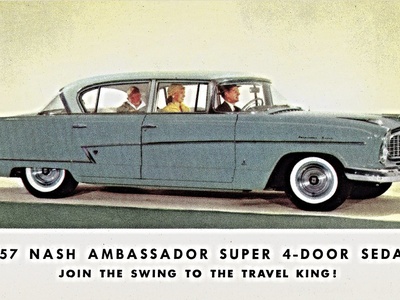
Nash Ambassador
Comfortable and well‑appointed Nash flagship; popular for innovative unit construction and value before AMC consolidation.
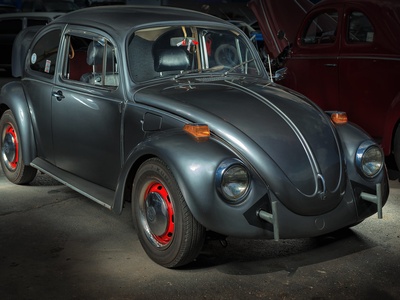
Volkswagen Beetle
Globally recognizable economical car that gained strong U.S. and European following in the 1950s for reliability, simple mechanics and distinct styling.
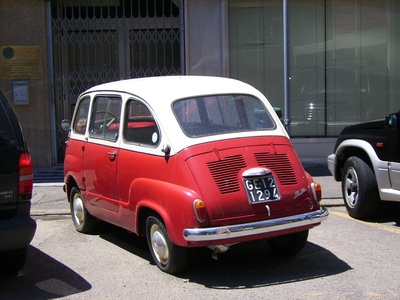
Fiat 600
Small, affordable city car that helped motorize postwar Europe; popular for compact size, practicality and family use in narrow streets.
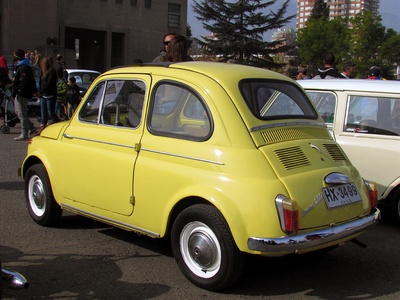
Fiat 500 Nuova
Tiny, hugely influential city car launched in 1957; celebrated for economy, clever packaging and becoming a symbol of Italian postwar mobility.
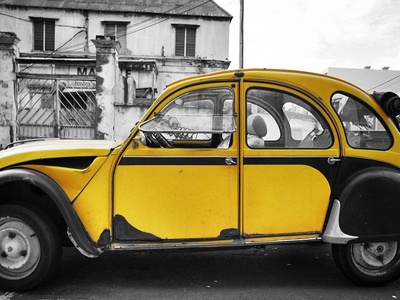
Citroën 2CV
Ultra‑practical, minimalist car beloved in rural France; famed for simplicity, low running costs and quirky character that made it a cultural icon.
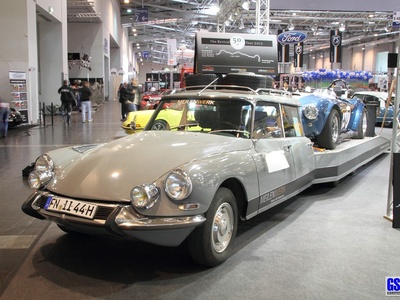
Citroën DS
Technologically revolutionary with hydropneumatic suspension and futuristic styling; instantly famous for comfort, safety and avant‑garde design.
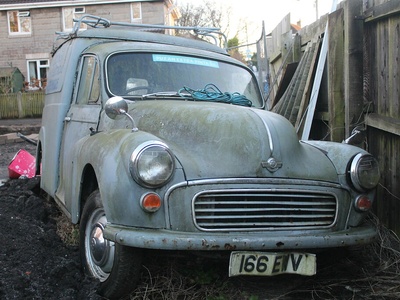
Morris Minor
Reliable, economical British family car with charming looks; widely used in towns and countryside for decades thanks to practicality and easy maintenance.
Austin A40/A30
Small British saloons that offered good economy and sensible packaging; popular with families and fleets across the UK and Commonwealth markets.
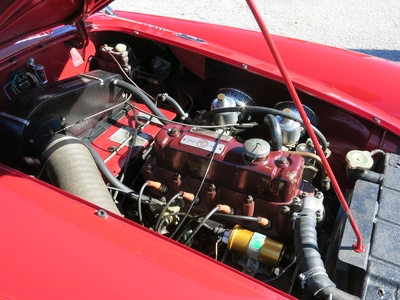
MG MGA
Attractive mid‑50s British sports car that replaced the TF; admired for styling, more modern handling and export success to the U.S. sporting market.
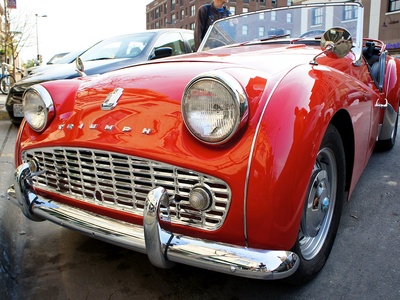
Triumph TR2/TR3
Affordable, spirited roadsters that exported well to the U.S.; prized by enthusiasts for racing pedigree and open‑top motoring excitement.
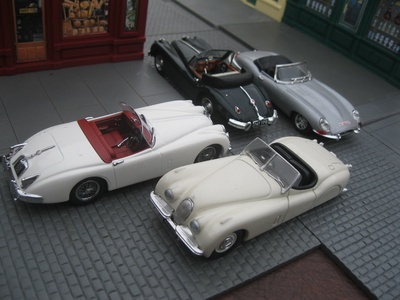
Jaguar XK120/XK140/XK150
Range of fast, glamorous sports cars celebrated for performance and elegance; they strengthened Jaguar’s reputation in racing and luxury sports markets.
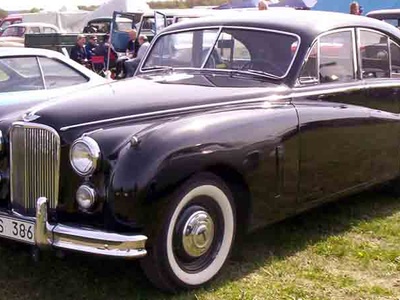
Jaguar Mark VII
Large, powerful saloon combining British luxury with straight‑six performance; popular among executives and as an upscale family car.
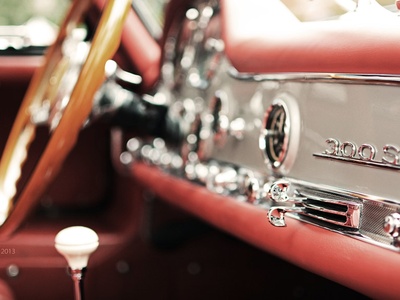
Mercedes‑Benz 300SL Gullwing
Exotic, technologically advanced sports car known for gullwing doors and race‑bred performance; rare, expensive and hugely influential as a style icon.
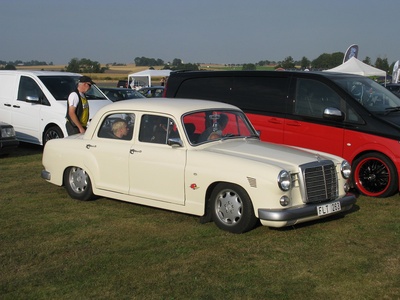
Mercedes‑Benz Ponton
Modern postwar Mercedes saloon range that set standards for engineering and quality; popular in European executive and family markets.
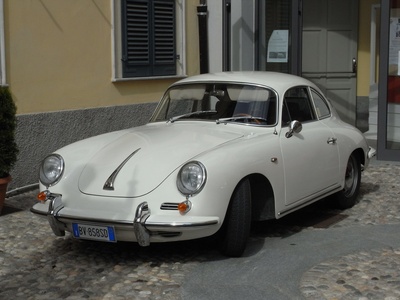
Porsche 356
Lightweight, rear‑engined sports car that built Porsche’s reputation for driving purity; successful in racing and beloved by enthusiasts worldwide.
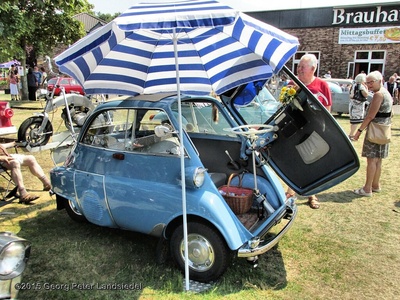
BMW Isetta
Bubble‑car microcar that offered ultra‑compact city transport postwar; became famous for quirky door layout and fuel economy.
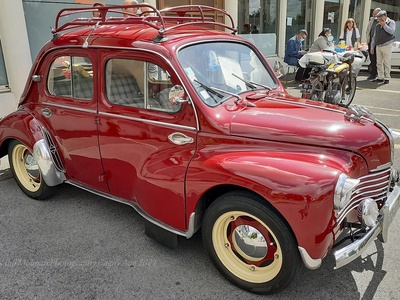
Renault 4CV
Small, affordable Renault that helped motorize France after WWII; practical, economical and widely used in urban and rural areas.
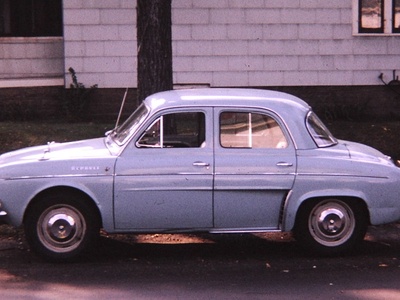
Renault Dauphine
Rear‑engined compact launched mid‑50s; exported widely and appreciated for style, affordability and comfort among European families.
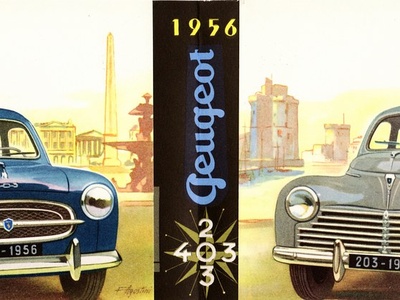
Peugeot 203/403
Reliable, well‑built Peugeot saloons popular across France and exports; appreciated for durability and sensible design in the 1950s.
Lancia Aurelia
Sophisticated grand tourer that introduced V6 engines and advanced engineering; admired by aficionados for refinement and handling.
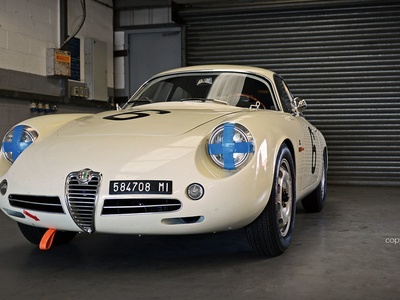
Alfa Romeo Giulietta
Compact sports‑sedan and coupe that combined Italian style with spirited driving; helped Alfa Romeo reach broader European buyers in the 1950s.
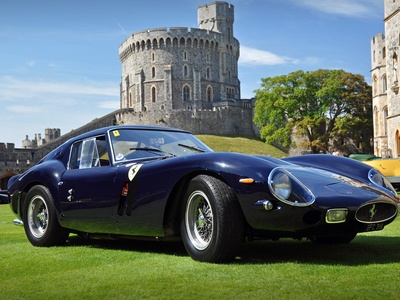
Ferrari 250 series
Low‑volume, high‑performance sports and GT cars that won races and built Ferrari’s legend; highly desirable and culturally iconic throughout the decade.
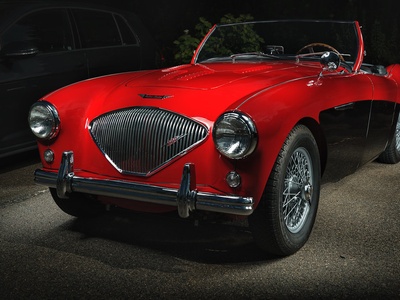
Austin‑Healey 100
British sports car celebrated for brisk performance and handsome coachwork; popular among enthusiasts and U.S. importers for spirited touring.
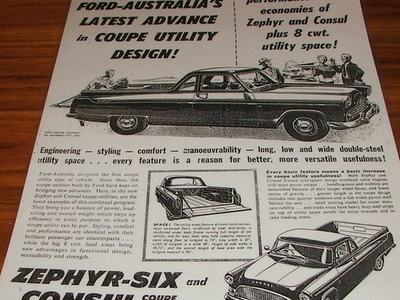
Ford Consul/Zephyr
Ford UK’s mid‑sized saloons with modern postwar styling; popular choices for families and company fleets across Britain.
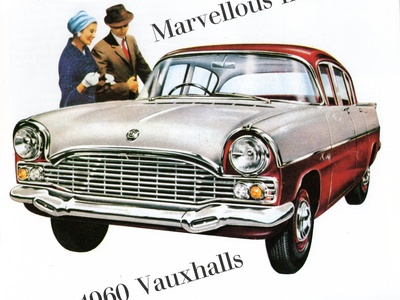
Vauxhall Velox/Cresta
Vauxhall’s roomy family saloons offering comfort, practicality and decent performance; staples of British roads in the 1950s.
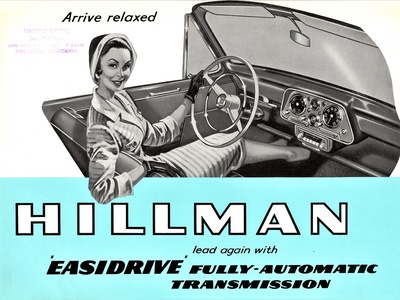
Hillman Minx
Reliable, affordable family car from the Rootes Group; popular in British suburbs and export markets for sensible motoring.
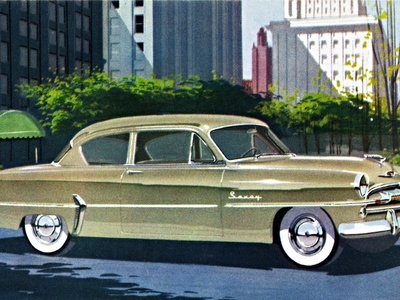
Plymouth Savoy
Entry‑level full‑size Plymouth offering practicality and decent value; popular with families and fleets during the 1950s boom.
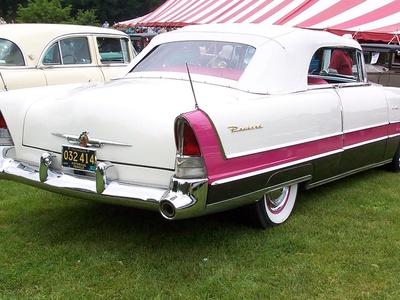
Packard Caribbean
Exclusive, stylish Packard convertible/coupe with luxury finishes and V8 power; a limited but celebrated luxury statement of the mid‑50s.
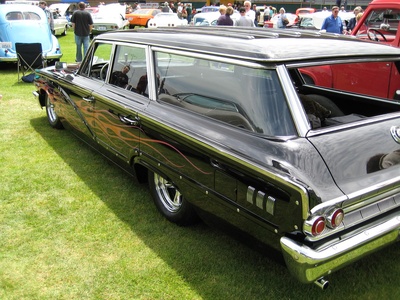
Mercury Monterey
Ford’s near‑luxury brand offering stylish mid‑size cars; Monterey combined comfort, style and performance for buyers wanting something above Ford models.
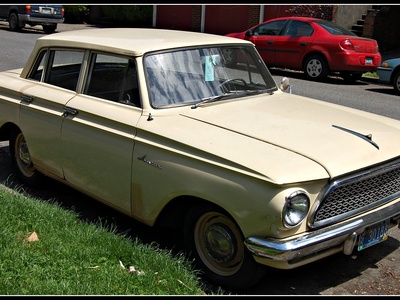
Rambler (Nash/American Rambler)
Compact and economical Rambler models helped create the American compact market; notable for thrift, practicality and postwar innovation in small cars.
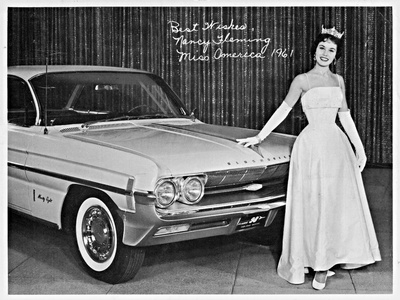
Oldsmobile Ninety‑Eight
Top‑end Oldsmobile offering luxury appointments and powerful engines; sought after as an upscale American saloon during the 1950s.
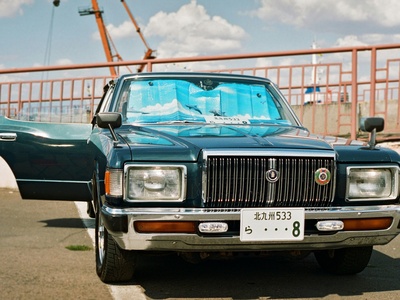
Toyota Crown
Japan’s early mass‑market sedan for domestic and export markets; important in the development of Japan’s postwar auto industry and rising quality reputation.
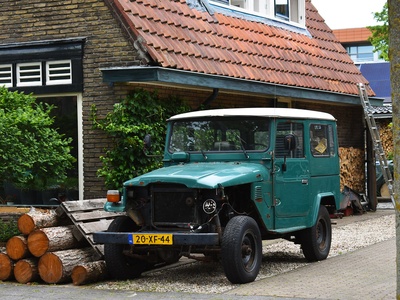
Toyota Land Cruiser (BJ)
Rugged off‑road truck/sUV used by military, rural businesses and utilities; began Toyota’s long success story in 4×4 vehicles.
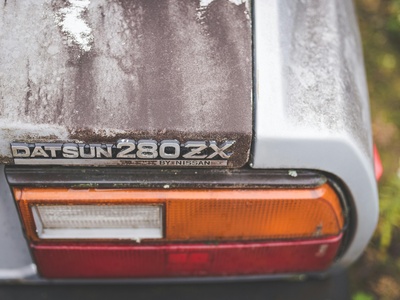
Datsun/Nissan Fairlady (early)
Early small sports convertible exported in late 1950s; began the Datsun sports presence that would grow in the 1960s.
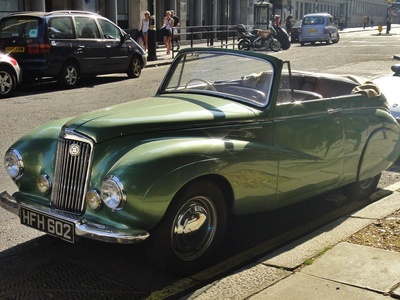
Sunbeam‑Talbot 90
British sporting saloon that mixed comfort with sporting credentials; popular with buyers wanting refined driving manners and classic styling.
Goggo/Heinkel/Other microcars (representative)
Microcars emerged in postwar Europe as ultra‑economical transport; popular for cheap motoring, short trips and as a stepping stone to mass car ownership.
Skoda 1101/1102
Robust, simple family cars popular in Eastern Europe; respected for durability and ease of repair in challenging markets.
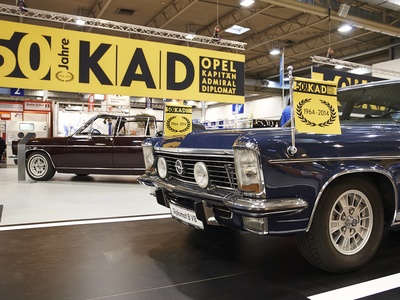
Opel Kapitän/Admiral
Opel’s large family cars popular in West Germany for solid engineering, roomy interiors and conservative styling during the economic recovery.
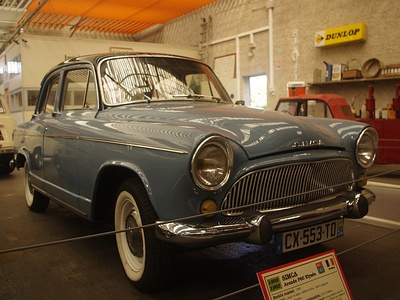
Simca Aronde
French compact saloon built for affordability and practicality; sold well in France and some export markets throughout the 1950s.
Saab 92/93
Distinctive, aerodynamically styled small cars with two‑stroke engines; gained a niche following for innovation and Swedish engineering.
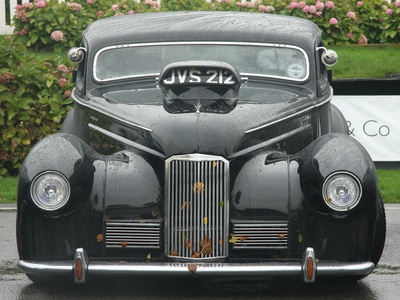
Humber Super Snipe
Comfortable British executive saloon noted for smoothness and conservative luxury; favored by professionals and official users in the 1950s.