The mid-1970s reshaped what people bought and how manufacturers marketed cars, with shifting fuel prices and new safety rules steering buyer preferences. Whether you follow classic models or study market trends, that era offers a clear snapshot of changing tastes on the road.
There are 20 Popular Cars in 1975, spanning entries from 127,Viva; data are organized as Manufacturer,Market (country/region),Sales (units), and you’ll find below.
How were the rankings or selections for these models determined?
The list is based on reported sales figures and contemporary popularity indicators from 1975—period sales data, market coverage, and media references—so models that sold more broadly or received significant attention tend to appear higher; check the Sales (units) column for exact figures.
Can I use this list to compare popularity across countries or regions?
Yes—because each entry includes Market (country/region) alongside Manufacturer and Sales (units), you can compare which models performed best in specific markets and identify regional favorites or internationally successful models.
Popular Cars in 1975
| Model | Manufacturer | Market (country/region) | Sales (units) |
|---|---|---|---|
| Beetle | Volkswagen | Global | 700,000 |
| Corolla | Toyota | Global/Japan | 600,000 |
| Cortina | Ford | UK | 189,000 |
| Escort | Ford | UK/Europe | 145,000 |
| Golf | Volkswagen | Europe | 220,000 |
| LTD | Ford | US | 330,000 |
| Caprice | Chevrolet | US | 300,000 |
| Mustang | Ford | US | 310,000 |
| 127 | Fiat | Europe/Italy | 320,000 |
| Renault 5 | Renault | France/Europe | 240,000 |
| Renault 12 | Renault | Europe | 180,000 |
| Sunny (120Y) | Datsun | Japan/Export | 250,000 |
| Civic | Honda | Japan/US | 120,000 |
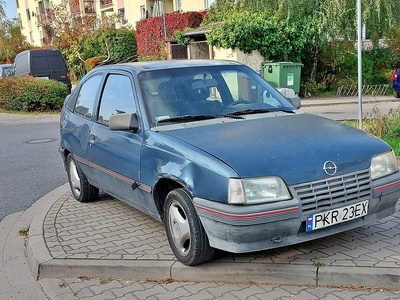
| Kadett | Opel | Germany/Europe | 200,000 |
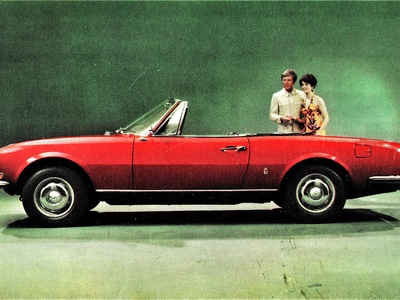
| 504 | Peugeot | Europe/Africa | 140,000 |
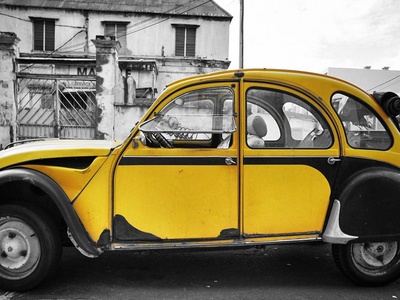
| 2CV | Citroën | France/Europe | 160,000 |
| Marina | British Leyland | UK | 85,000 |
| Viva | Vauxhall | UK | 75,000 |
| Falcon | Ford | Australia | 75,000 |
| Kingswood | Holden | Australia | 55,000 |
Images and Descriptions

Beetle
The iconic air‑cooled Beetle remained a global bestseller in 1975 thanks to its simplicity, low running costs and worldwide availability; it was a cultural icon and common family car in Europe, Latin America and many other markets.
Corolla
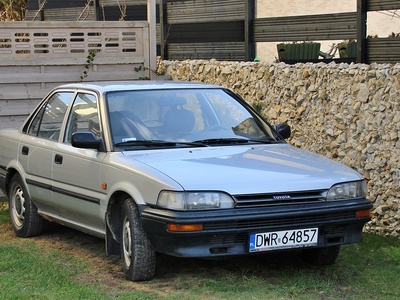
Toyota Corolla combined reliability, fuel economy and broad dealer support, cementing its place as a global compact favorite in 1975; buyers praised its practicality, low ownership costs and strong appeal across Asia, Europe and North America.
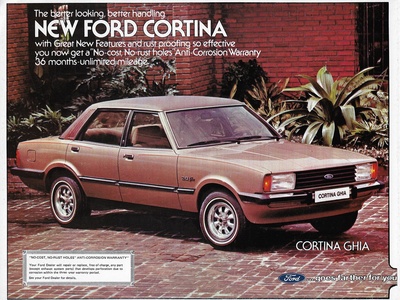
Cortina
The Ford Cortina was Britain’s conventional family saloon of choice in 1975, valued for roomy interiors, simple mechanics and strong dealer networks; it consistently topped UK sales charts and was ubiquitous as company and family transport.
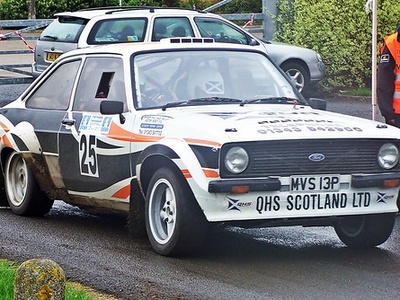
Escort
Ford Escort offered economical motoring, multiple body styles and easy servicing, making it a best‑seller across the UK and continental Europe in 1975; its affordability and versatile lineup appealed to families and fleet buyers.

Golf
The Golf (Rabbit) quickly replaced older rear‑engine models with a front‑wheel‑drive hatchback formula that clicked in Europe in 1975; praised for handling, efficiency and practicality, it appealed to buyers moving away from the Beetle.
LTD
The Ford LTD was a dominant full‑size family car in the United States, offering comfortable interiors, V8 options and traditional American packaging; in 1975 it remained a common choice for large families and fleet buyers.
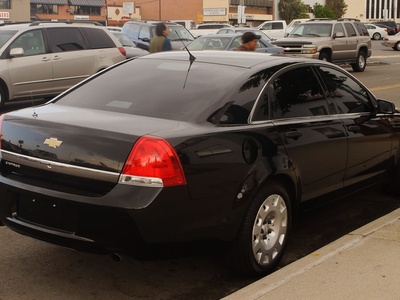
Caprice
Chevrolet Caprice (and its Impala/Caprice stablemates) was GM’s full‑size flagship in 1975, known for roomy seating, smooth V8 engines and strong dealer presence, popular with American families and law‑enforcement fleets.
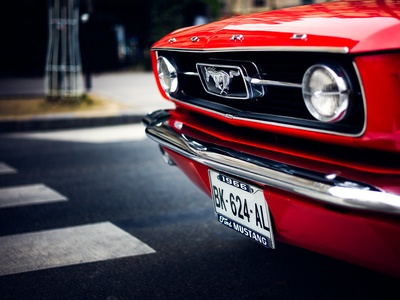
Mustang
The Mustang II, downsized and more fuel‑efficient than earlier pony cars, struck a chord with buyers in 1975; it delivered style, better economy and affordable performance, reviving Mustang sales during the mid‑1970s market shift.
127
Fiat 127 was a fashionable small hatchback in Europe, especially Italy, by 1975; its compact footprint, modern packaging and frugal engines made it ideal for city driving and contributed to strong sales across southern Europe.
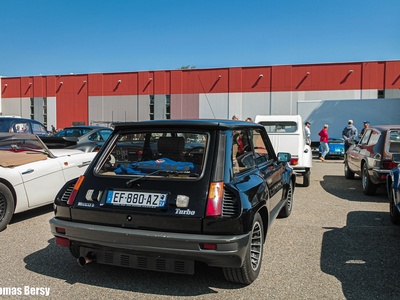
Renault 5
The Renault 5’s compact hatchback layout, cheeky styling and efficient engines made it a top small car in France and Europe in 1975; it appealed to young buyers and urban families seeking practical, economical transport.
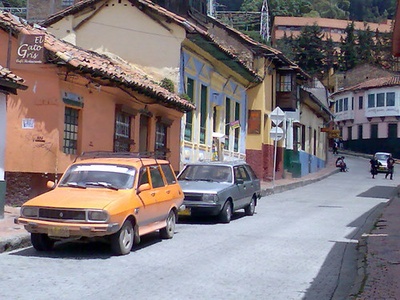
Renault 12
The Renault 12 combined a roomy interior with robust mechanics and front‑wheel drive, carving a niche as a versatile family car across Europe and export markets in 1975; it was praised for comfort and durability.
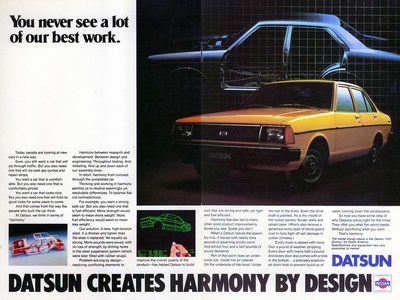
Sunny (120Y)
Datsun’s Sunny/120Y delivered dependable, economical motoring and wide export availability in 1975; competitive pricing and proven engineering made it a common sight in Japan, Europe and growing export markets like Australia and the US.
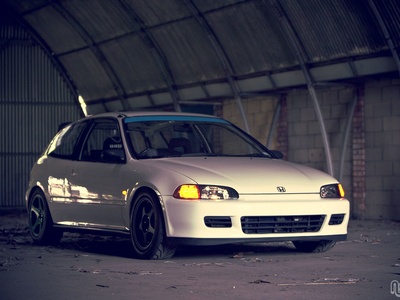
Civic
Honda Civic brought compact innovation and impressive fuel economy to the small‑car market, gaining traction in 1975; its lightweight design, reliable engines and growing US presence attracted economy‑minded buyers after the oil shocks.
Kadett
Opel Kadett was a strong seller in Germany and surrounding markets in 1975, offering practical hatch and saloon versions, solid engineering and good value, making it a favorite for everyday family and commuter use.
504
The Peugeot 504 was noted for durability and comfort, finding popularity across Europe and export markets like Africa in 1975; its robust construction and comfortable ride made it especially popular in rougher road conditions.
2CV
The Citroën 2CV remained an enduring symbol of cheap, practical transport in 1975, appealing to rural and urban buyers alike; its quirky design, exceptional economy and ease of maintenance kept it in steady production and sales.
Marina
The Austin/Morris Marina appealed to budget‑minded British buyers in 1975 with straightforward engineering, generous interior space and low purchase price; despite mixed reviews, it was commonly used as a family car and taxi.
Viva
The Vauxhall Viva served as an affordable, compact family car in the UK market during 1975; its small footprint, economical engines and accessible pricing attracted first‑time buyers and urban drivers needing everyday reliability.
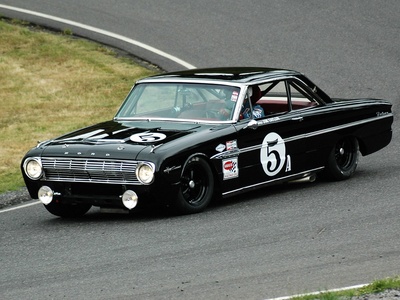
Falcon
The Ford Falcon dominated Australian family and fleet markets in 1975, offering robust rear‑wheel‑drive packaging, big‑car comfort and locally tuned engines; it was a staple for families, tradespeople and police fleets across Australia.
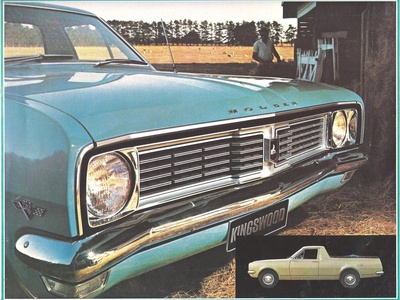
Kingswood
Holden Kingswood was a popular Australian family car in 1975, appreciated for local manufacturing, straightforward mechanicals and roomy interiors; it competed closely with the Falcon as a go‑to choice for Australian households and businesses.