1951 was a turning point on roads worldwide: fuel rationing eased in some places, manufacturers shifted from wartime production to civilian models, and everyday drivers prioritized reliability and economy. Showrooms filled with sensible choices that would define early‑50s motoring.
There are 30 Popular Cars in 1951, ranging from Austin A40 Devon to Volvo PV444 to show the range between compact British saloons and sturdier European family cars. The list is presented with the columns Manufacturer,Country,Production (units); you’ll find below.
How were the most popular cars in 1951 determined?
Popularity here is based mainly on production figures and contemporary sales reports, which reflect what manufacturers built and what buyers actually drove off the lots; period catalogs and registration data were also consulted to confirm models and regional popularity.
Are the production numbers exact and where do they come from?
Figures come from manufacturer archives, industry yearbooks, and historical registries; while generally reliable, small discrepancies can exist due to record-keeping practices of the era, so treat numbers as the best-available estimates and check primary sources for precise research.
Popular Cars in 1951
| Model | Manufacturer | Country | Production (units) |
|---|---|---|---|
| Chevrolet Styleline/Fleetline | Chevrolet (General Motors) | United States | 1,229,988 |
| Ford Custom/Deluxe | Ford Motor Company | United States | 1,013,381 |
| Plymouth Cranbrook | Plymouth (Chrysler) | United States | 430,767 |
| Buick Special/Super/Roadmaster | Buick (General Motors) | United States | 404,695 |
| Volkswagen Beetle | Volkswagen | Germany | 93,709 |
| Morris Minor | Morris Motors | United Kingdom | 89,642 |
| Renault 4CV | Renault | France | 86,346 |
| Studebaker Champion/Commander | Studebaker Corporation | United States | 228,097 |
| Oldsmobile 88/Super 88 | Oldsmobile (General Motors) | United States | 221,496 |
| Pontiac Chieftain/Streamliner | Pontiac (General Motors) | United States | 344,190 |
| Dodge Coronet/Meadowbrook | Dodge (Chrysler) | United States | 326,458 |
| Mercury Eight | Mercury (Ford) | United States | 213,446 |
| Nash Rambler | Nash-Kelvinator Corporation | United States | 70,207 |
| Hudson Hornet | Hudson Motor Car Company | United States | 43,656 |
| Cadillac Series 62 | Cadillac (General Motors) | United States | 92,166 |
| Chrysler New Yorker/Saratoga | Chrysler | United States | 109,380 |
| Austin A40 Devon | Austin Motor Company | United Kingdom | 172,465 |
| Hillman Minx Mark IV | Hillman (Rootes Group) | United Kingdom | 75,000 |
| Jaguar XK120 | Jaguar Cars | United Kingdom | 2,380 |
| MG TD | MG (Nuffield Organisation) | United Kingdom | 9,833 |
| Peugeot 203 | Peugeot | France | 75,123 |
| Citroën Traction Avant | Citroën | France | 26,516 |
| Henry J | Kaiser-Frazer | United States | 81,942 |
| Standard Vanguard Phase I | Standard Motor Company | United Kingdom | 43,599 |
| Fiat 500 C “Topolino” | Fiat | Italy | 38,252 |
| Volvo PV444 | Volvo | Sweden | 11,357 |
| Mercedes-Benz 170 S | Mercedes-Benz | Germany | 10,330 |
| Porsche 356 | Porsche | Germany | 1,366 |
| Lancia Aurelia | Lancia | Italy | 3,889 |
| Citroën 2CV | Citroën | France | 14,598 |
Images and Descriptions
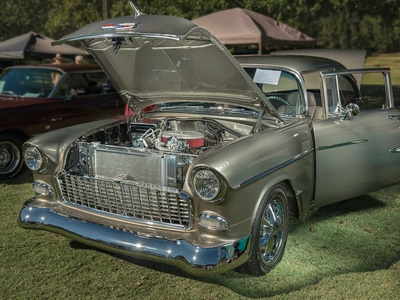
Chevrolet Styleline/Fleetline
America’s best-selling car in 1951. These models offered affordable, reliable transportation with contemporary styling and the option of a Powerglide automatic transmission, solidifying Chevrolet’s market dominance with a wide range of body styles for families and businesses.
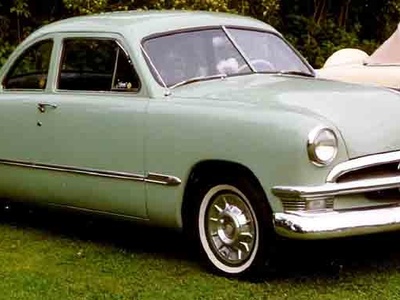
Ford Custom/Deluxe
Ford’s mainstream offering was a direct competitor to Chevrolet. It was praised for its available flathead V8 engine, which provided more power than rivals. The 1951 models featured minor styling updates and the new “Ford-O-Matic” automatic transmission.
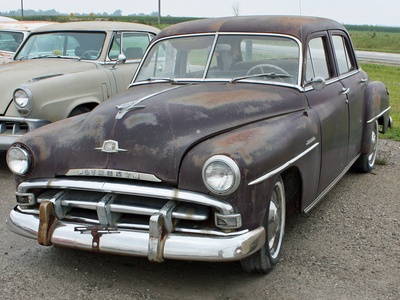
Plymouth Cranbrook
As Chrysler’s entry-level brand, Plymouth was known for building solid, dependable, and conservative cars. The Cranbrook was the top-trim model, valued for its engineering and durability rather than flashy styling, appealing to practical-minded buyers.
Buick Special/Super/Roadmaster
Buick was a premium GM brand known for its powerful “Fireball” straight-eight engines and distinctive “VentiPort” styling. It successfully bridged the gap between Chevrolet and Cadillac, offering a blend of performance, style, and accessible luxury.
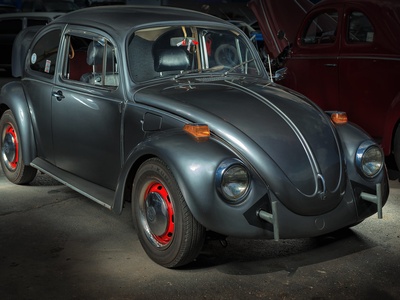
Volkswagen Beetle
The Beetle’s popularity was rapidly growing globally. Known for its air-cooled rear engine, simple mechanics, and incredible reliability, it offered an affordable and economical alternative to larger cars, becoming a symbol of Germany’s postwar economic recovery.
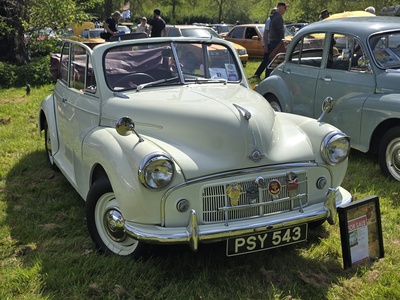
Morris Minor
An icon of British motoring, the Alec Issigonis-designed Minor was praised for its excellent handling, spacious interior, and charming looks. It was a huge success in both domestic and export markets, representing affordable and practical family transport.
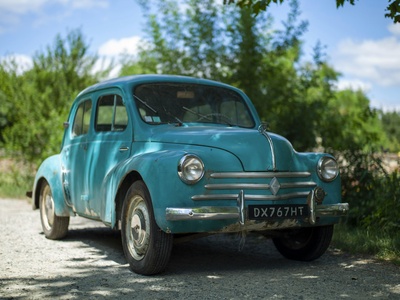
Renault 4CV
This small, rear-engined four-door sedan was France’s answer to the VW Beetle. It was immensely popular for its low running costs, practicality in city driving, and surprisingly spacious interior, mobilizing a generation of French families after the war.
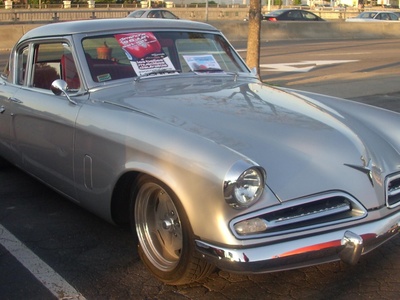
Studebaker Champion/Commander
Famous for its radical “bullet-nose” spinner front end, the Studebaker was one of the most distinctive cars on the road. The company also introduced a new V8 engine for the Commander line in 1951, boosting its performance credentials.
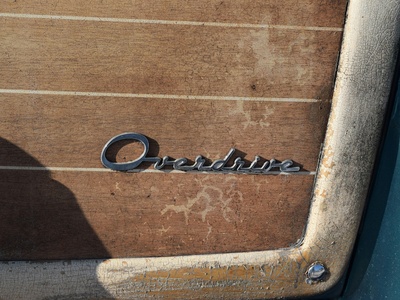
Oldsmobile 88/Super 88
The Oldsmobile 88 is often considered one of the first muscle cars, pairing a relatively light body with the powerful “Rocket” V8 engine. This combination made it a dominant force in early stock car racing and a hit with performance-oriented buyers.
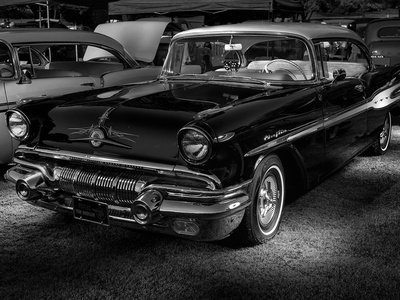
Pontiac Chieftain/Streamliner
Positioned above Chevrolet, Pontiac offered distinctive “Silver Streak” styling and smooth straight-eight engines. It was a popular choice for middle-class families seeking a bit more style and comfort than entry-level brands without the cost of a Buick or Cadillac.
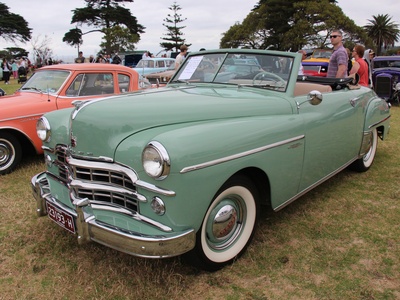
Dodge Coronet/Meadowbrook
Dodge cars were marketed as a step up from Plymouth, offering more features and available “Gyro-Matic” semi-automatic transmission. They were known for being sturdy and reliable, appealing to buyers who valued practicality and engineering over flashy design trends.
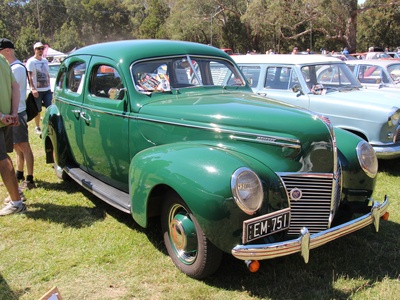
Mercury Eight
Mercury filled the gap between Ford and the luxury Lincoln brand. Its powerful flathead V8 and stylish bodies made it a popular choice for those wanting more prestige than a Ford and a favorite platform for early hot rodders and customizers.
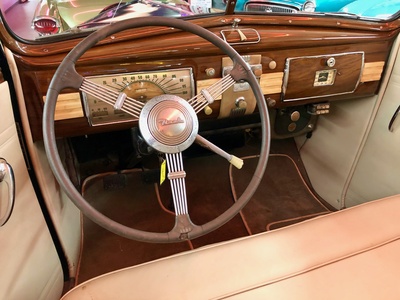
Nash Rambler
The Nash Rambler was a groundbreaking compact car, one of the first to find mainstream success in the US. It was sold in well-equipped convertible and wagon body styles, marketed for its fuel economy, smaller size, and unique unibody construction.
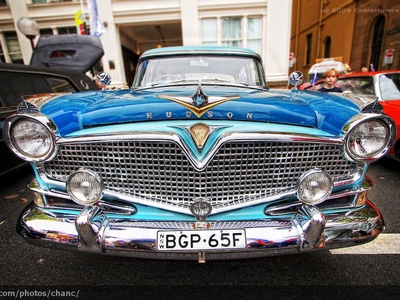
Hudson Hornet
Launched in 1951, the Hornet quickly became a legend. Its powerful straight-six engine and “step-down” chassis design, which gave it a low center of gravity, resulted in superior handling that dominated NASCAR for several years.
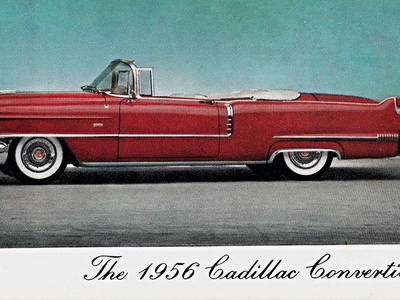
Cadillac Series 62
As the aspirational car for many Americans, the Cadillac Series 62 defined postwar luxury. It was famous for its powerful V8 engine, distinctive tailfins, and high level of standard equipment, symbolizing success and the American dream.
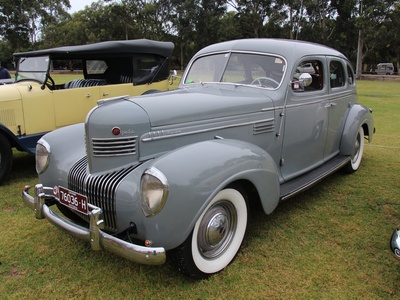
Chrysler New Yorker/Saratoga
Chrysler was known for its engineering prowess, and in 1951 it introduced the revolutionary 180-hp “FirePower” Hemi V8 engine. This made Chrysler’s big, comfortable sedans some of the best-performing cars available to the public.
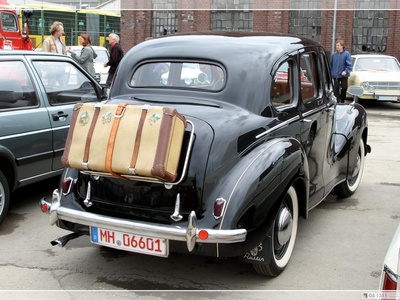
Austin A40 Devon
One of Britain’s most successful post-war cars, the A40 Devon was a robust and reliable small saloon. It was a massive export success, especially in Commonwealth countries, and provided practical, economical transport for families around the world.
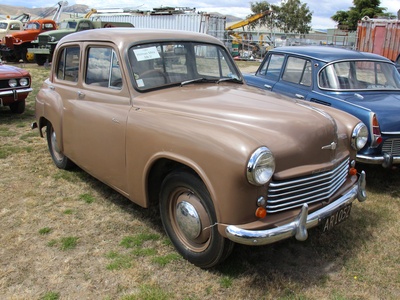
Hillman Minx Mark IV
The Hillman Minx was a cornerstone of the British family car market. The Mark IV, introduced for 1951, offered contemporary styling and a reputation for being a dependable and affordable vehicle for the average family.
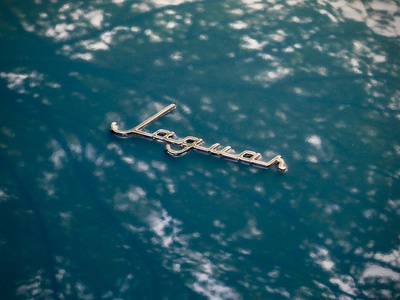
Jaguar XK120
While not a high-volume car, the XK120 was immensely popular and influential. As one of the fastest production cars in the world, its stunning looks and high performance made it a sensation, especially in the crucial US export market.
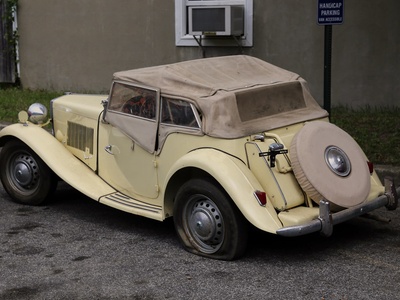
MG TD
The MG TD was the quintessential British sports car for many Americans. Its classic styling, nimble handling, and affordable price made it incredibly popular in the US, helping to fuel the post-war sports car craze.
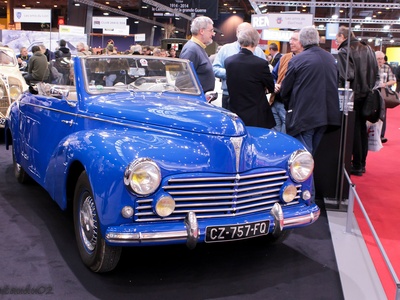
Peugeot 203
The Peugeot 203 was the car that re-established the company after the war. It was a modern, unibody design that gained a reputation for being tough, reliable, and comfortable, making it a best-seller in France for years.
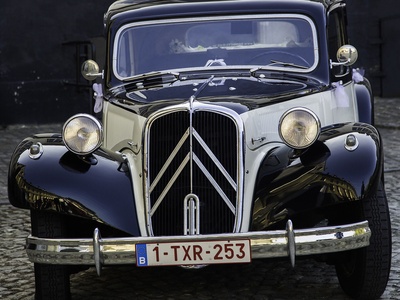
Citroën Traction Avant
Though its design dated back to the 1930s, the Traction Avant was still popular for its advanced front-wheel-drive handling and spacious interior. It remained a symbol of sophisticated French engineering until its production ended in 1957.
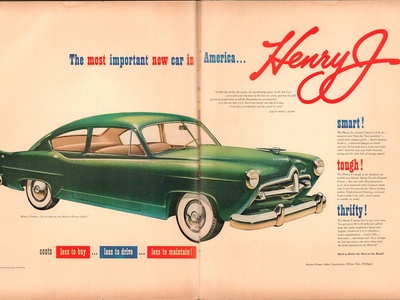
Henry J
The Henry J was an attempt to create a simple, no-frills compact car for budget-conscious American buyers. Sold through both Kaiser-Frazer dealerships and Sears-Roebuck, it was notable for its focus on economy in an era of growing excess.
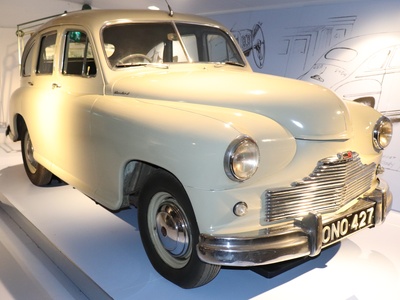
Standard Vanguard Phase I
With its modern, American-inspired “Beetle-back” styling, the Vanguard was designed primarily for export. Its tough chassis and reliable four-cylinder engine made it a popular choice in demanding markets like Australia and Scandinavia.
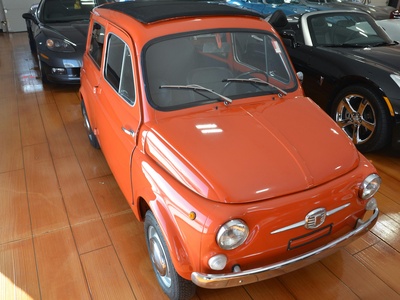
Fiat 500 C “Topolino”
The “Topolino” (little mouse) was an iconic Italian microcar. Even with its pre-war origins, the updated 500 C model was hugely popular in post-war Italy, providing essential, incredibly economical transportation for thousands of people.
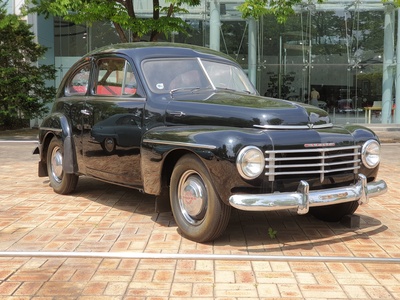
Volvo PV444
Known for its robust unibody construction and American-inspired styling, the PV444 was the car that put Volvo on the map. It developed a strong reputation for durability and safety, becoming a long-running success in Sweden and abroad.
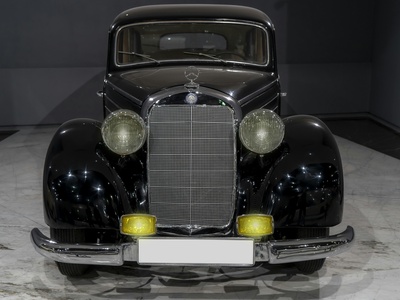
Mercedes-Benz 170 S
The 170 S was a key model in re-establishing Mercedes-Benz’s reputation for quality and luxury after the war. It was a well-built, comfortable, and prestigious car that appealed to affluent buyers in Germany and export markets.
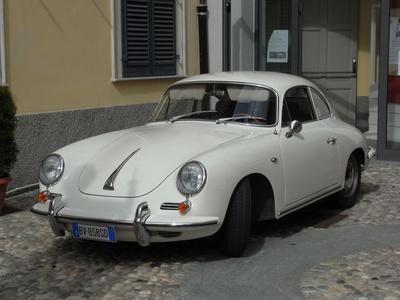
Porsche 356
Though produced in small numbers, the Porsche 356 was already building a legendary reputation. Based on VW components but engineered for performance, it was highly sought after by driving enthusiasts for its lightweight design and superb handling.
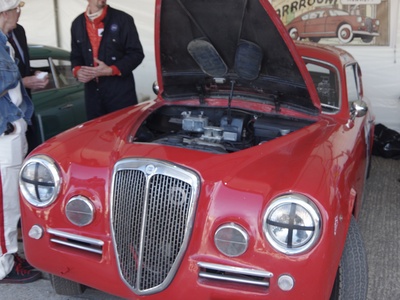
Lancia Aurelia
The Lancia Aurelia was a masterpiece of advanced engineering, featuring the world’s first production V6 engine, a transaxle, and radial tires. The B20 GT coupe, introduced in 1951, is considered one of the first true grand touring cars.
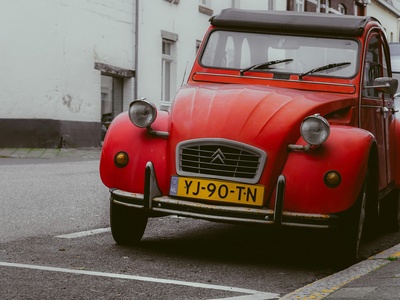
Citroën 2CV
Designed to be a rugged, ultra-utilitarian “people’s car,” the 2CV had a long waiting list in 1951. Its soft suspension, air-cooled engine, and minimalist design made it the perfect vehicle for rural France and a future cultural icon.