Post-war roads and showrooms in 1950 were alive with fresh styling, practical family cars, and the first hints of modern mass production. Buyers were choosing between economical compacts and larger sedans as manufacturers retooled, so the year gives a clear snapshot of shifting tastes and engineering priorities.
There are 25 Popular Cars in 1950, ranging from Austin A40 Devon to Volkswagen Beetle. For each model you’ll find below the Country,1950 sales/rank,Engine (L) to make comparisons easy and consistent, showing origin, how it placed that year, and its engine displacement so you can scan trends at a glance.
Which models topped sales in different regions in 1950?
Sales leaders varied by region: compact, affordable cars like the Volkswagen Beetle led in markets focused on economy, while larger domestic makes dominated North America. The list below groups each car by country and sales/rank so you can see which models were locally dominant versus internationally popular.
Can I trust the 1950 sales/rank and engine figures listed?
The figures compile period sales and manufacturer specs; ranks reflect best-available historical sources but can differ by country and reporting method. Use the listed Country,1950 sales/rank,Engine (L) columns as a reliable starting point, and consult cited sources linked in the entries below for exact archival details.
Popular Cars in 1950
| Model | Country | 1950 sales/rank | Engine (L) |
|---|---|---|---|
| Chevrolet Styleline | USA | U.S. sales leader for Chevrolet in 1950 | 3.50 |
| Ford Custom Deluxe | USA | One of Ford’s top-selling full-size models in 1950 | 3.90 |
| Plymouth Special Deluxe | USA | Consistently among top 1950 Plymouth sellers | 3.60 |
| Oldsmobile 88 | USA | High-ranking mid-priced V8 in 1950 U.S. market | 5.00 |
| Cadillac Series 62 | USA | Leading luxury model for Cadillac in 1950 | 5.40 |
| Hudson Hornet | USA | Strong performance and NASCAR presence; popular in 1950 | 5.00 |
| Studebaker Champion | USA | Popular compact/value choice in 1950 U.S. market | 2.80 |
| Packard 200/300 | USA | Packard remained a recognized luxury marque in 1950 | 4.70 |
| Chrysler New Yorker/Windsor | USA | Important Chrysler models in 1950 U.S. lineup | 4.10 |
| Volkswagen Beetle | Germany | Rising exports and strong postwar demand in Europe (1950) | 1.13 |
| Renault 4CV | France | One of France’s best-selling small cars in 1950 | 0.76 |
| Citroën 2CV | France | Gaining popularity in rural France by 1950 | 0.38 |
| Morris Minor | UK | Very popular small family car in Britain in 1950 | 0.92 |
| Austin A40 Devon | UK | Strong seller in British compact family segment in 1950 | 1.20 |
| Ford Popular (UK) | UK | One of Britain’s cheapest cars and strong volume seller in 1950 | 1.00 |
| MG TD | UK | Popular sports car export and domestic favorite in 1950 | 1.25 |
| Jaguar XK120 | UK | High-profile sports car and cultural icon in 1950 | 3.44 |
| Lancia Aurelia B20 | Italy | Renowned grand tourer with critical acclaim in 1950 | 2.50 |
| Fiat 500 “Topolino” | Italy | Mass-market small car widely sold in Europe in 1950 | 0.57 |
| Fiat 1100 | Italy | Popular family car in Italy and export markets in 1950 | 1.10 |
| Mercedes-Benz 170S | Germany | Important luxury/specialist model in early 1950s Germany | 1.70 |
| Opel Kapitän | Germany | One of Opel’s larger models and a strong seller in 1950 | 2.60 |
| Holden 48-215 “FX” | Australia | Australia’s best-selling locally built car in 1950 | 2.16 |
| Toyota Toyopet SA | Japan | Important early postwar passenger car in Japan (sold in 1950) | 1.86 |
| Ferrari 166 MM | Italy | Sporting and racing icon with strong cultural impact in 1950 | 2.00 |
Images and Descriptions
Chevrolet Styleline
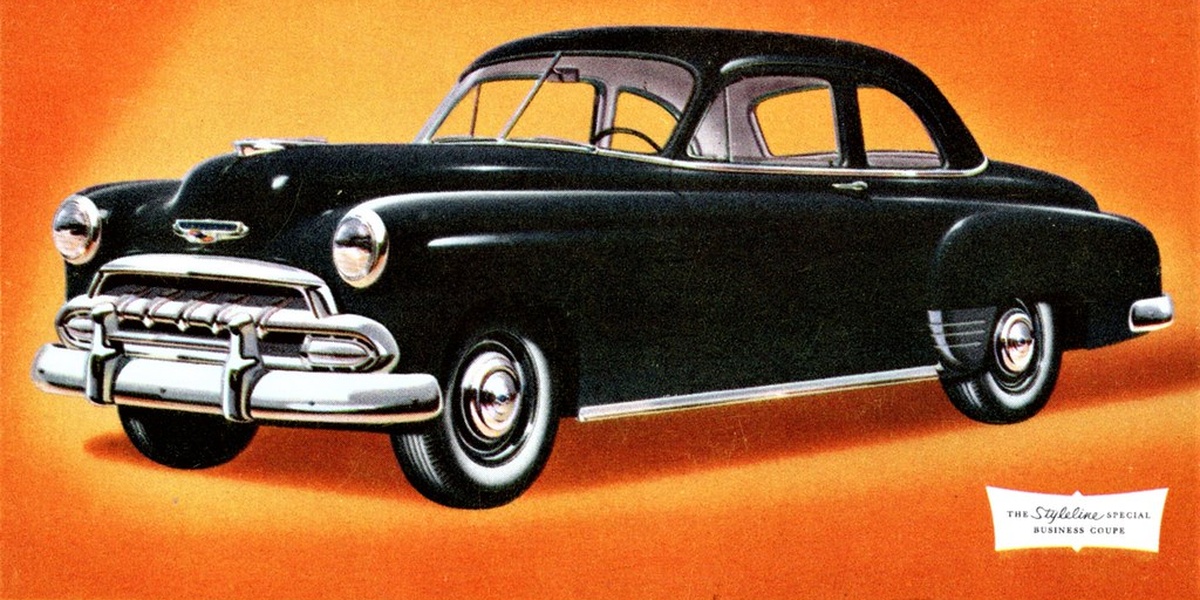
The postwar Styleline (sedan/estate) helped Chevrolet dominate U.S. sales with modern “shoebox” styling, reliable Stovebolt six power and broad dealer support. It epitomized affordable, mass-market motoring and strong 1950 showroom demand.
Ford Custom Deluxe
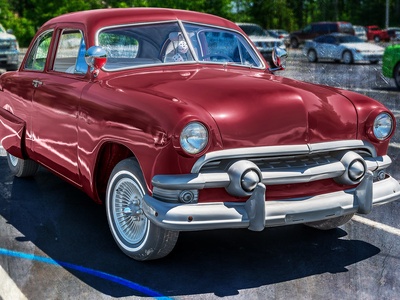
Ford’s Custom Deluxe carried the 1949 “shoebox” redesign into 1950, offering V8 or six engines, roomy interiors and competitive pricing. It was a mainstream choice for American families rebuilding after WWII.
Plymouth Special Deluxe
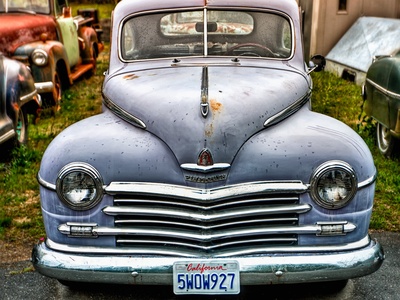
The Special Deluxe combined conservative styling, dependable engineering and economical six-cylinder performance. Strong dealer network and affordable pricing made it a popular family car across U.S. suburbs and small towns.
Oldsmobile 88
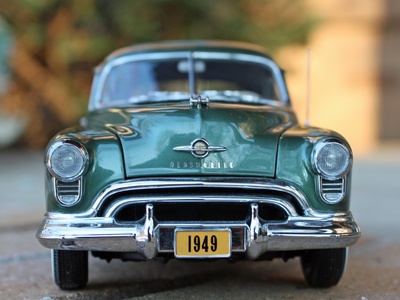
The Oldsmobile “Rocket 88” blended a spirited V8 with light bodywork for impressive performance, helping define the postwar muscle-bred family car and securing strong sales and cultural recognition in 1950.
Cadillac Series 62
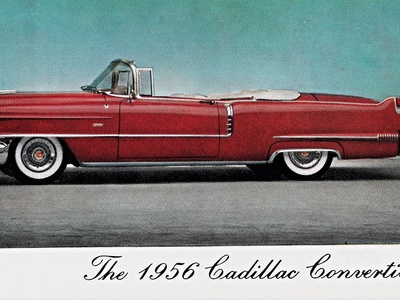
The Series 62 represented American luxury in 1950, with the new 331 V8, plush interiors and chrome styling. It was a status symbol for prosperous postwar buyers and a benchmark for premium comfort.
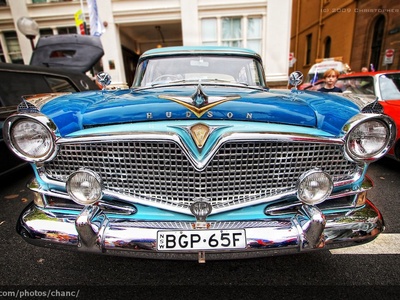
Hudson Hornet
The “step-down” Hornet’s powerful high-compression inline-six delivered superb performance and handling. Its racing success and roomy, low-slung body made it a standout choice for drivers seeking speed and style.
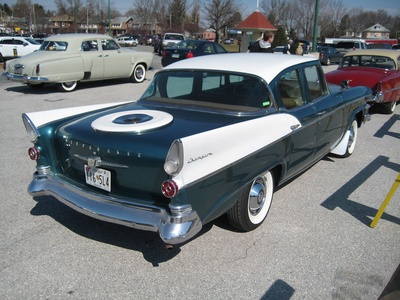
Studebaker Champion
Studebaker’s Champion offered compact dimensions, distinctive postwar styling and economical running costs. It appealed to buyers wanting modern looks and frugal operation without big-car expense.
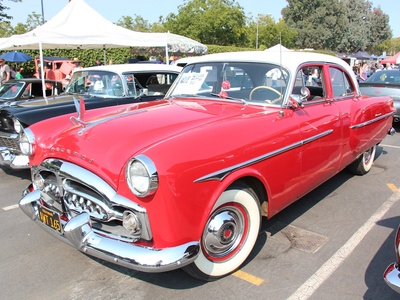
Packard 200/300
Packard’s 200/300 models blended traditional luxury appointments with conservative styling. Although sales were falling versus larger rivals, Packard still appealed to buyers seeking prewar refinement in 1950.
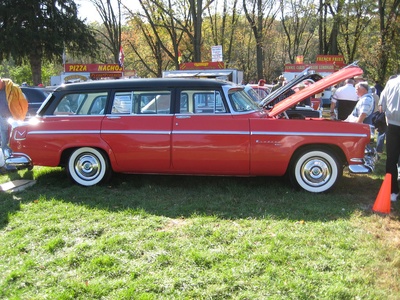
Chrysler New Yorker/Windsor
Chrysler’s Windsor and New Yorker provided advanced features for the era—solid engineering, comfortable cabins and straight-six or Hemi engines—keeping the brand competitive among mid- and upper-market buyers.
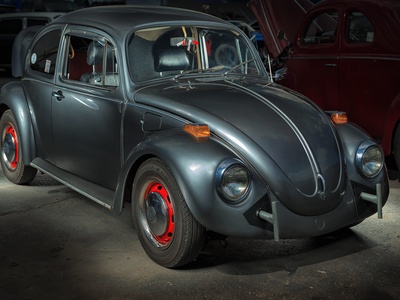
Volkswagen Beetle
The Beetle’s simple, robust air-cooled 1.1L engine, fuel efficiency and low price made it a symbol of affordable mobility in postwar Europe. By 1950 it was increasingly exported and culturally iconic.
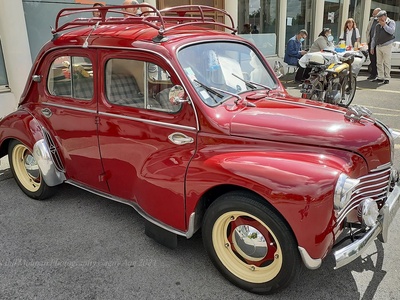
Renault 4CV
The rear-engined 4CV delivered inexpensive, practical transport for many French families. Its small-displacement engine and peppy performance for its size made it a top postwar city car and national favorite.
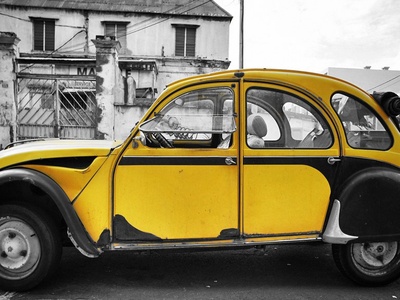
Citroën 2CV
Designed for utility and economy, the 2CV offered exceptional simplicity, soft suspension and minimal running costs. By 1950 it was winning converts among farmers and budget-conscious drivers across France.
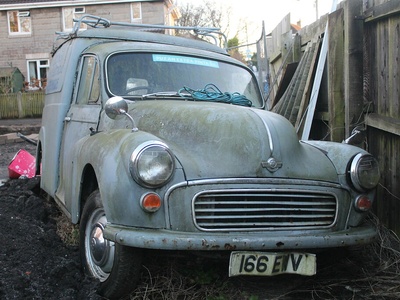
Morris Minor
The Morris Minor combined modern looks, practicality and economy. Its versatile hatchback-like profile and good build quality made it a ubiquitous sight on UK roads and a favorite for growing families.
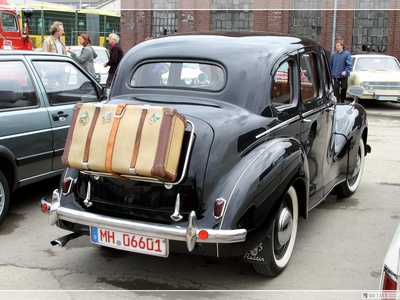
Austin A40 Devon
The A40 Devon was a practical, well-built small family car with conservative styling and dependable 1.2L performance. Good fuel economy and affordability boosted its British market appeal.
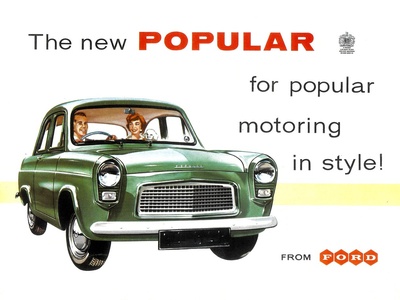
Ford Popular (UK)
The Ford Popular provided no-frills motoring at very low cost. Lightweight and simple to maintain, it appealed to budget buyers and helped motorize many households across the UK.
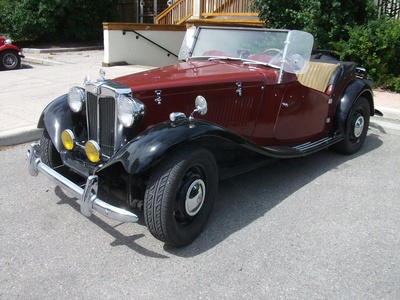
MG TD
The MG TD combined prewar roadster charm with postwar improvements—independent front suspension and lively 1.25L engine. It was beloved by enthusiasts and helped spark sports-car culture in the U.S. and Britain.
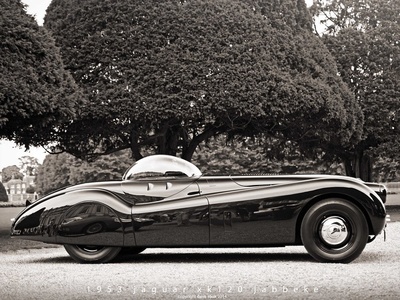
Jaguar XK120
The XK120 offered stunning performance, advanced DOHC straight-six power and beautiful coachwork. Its speed and style made it a celebrity car and a benchmark for postwar sporting automobiles.
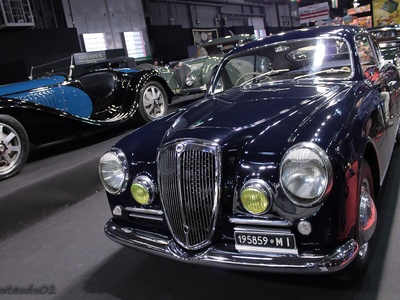
Lancia Aurelia B20
The Aurelia’s pioneering V6 engine, refined chassis and elegant coachwork made it a sophisticated GT favorite. It symbolized Italian engineering flair and appealed to buyers seeking performance with refinement.
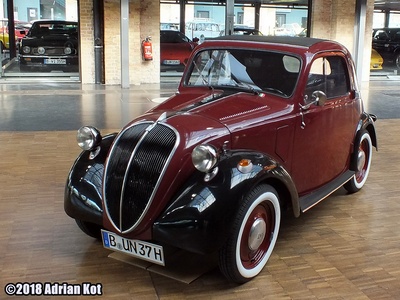
Fiat 500 “Topolino”
The Fiat Topolino offered ultra-compact, economical motoring for postwar Europe. Its tiny engine and nimble footprint made it ideal for urban use and affordable transport for many families.
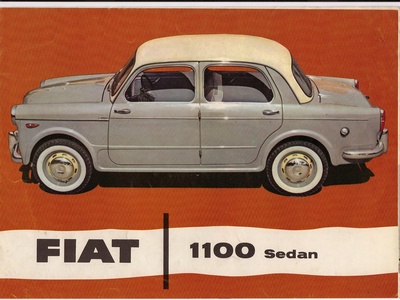
Fiat 1100
The Fiat 1100 balanced modest performance with practicality. Reliable and inexpensive to run, it served as a staple small family saloon across Italy and other European markets in 1950.
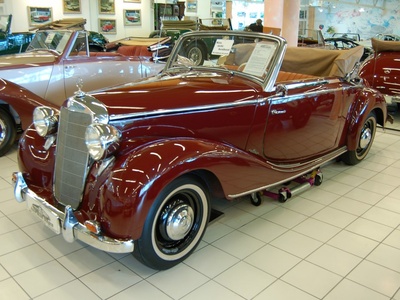
Mercedes-Benz 170S
The 170S blended traditional Mercedes quality and engineering with conservative styling. It attracted buyers seeking durable, well-built cars during Germany’s early recovery years following WWII.
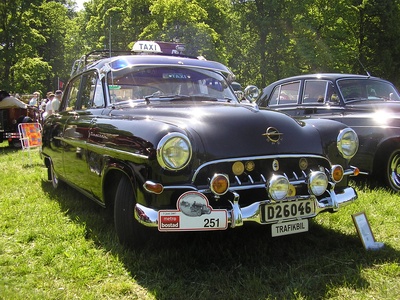
Opel Kapitän
The Kapitän offered six-cylinder power, comfortable interiors and solid road manners. As Opel rebuilt postwar production, the Kapitän became a mainstream choice for well-heeled German families.
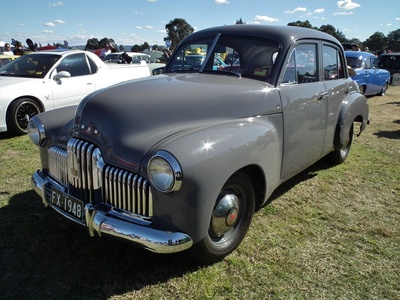
Holden 48-215 “FX”
The Holden FX was the first mass-produced Australian car, offering rugged simplicity and local suitability. Its popularity reflected national pride and provided durable transport across Australia’s varied conditions.
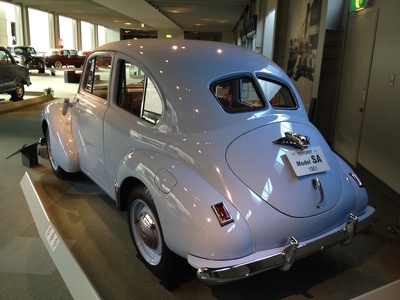
Toyota Toyopet SA
The Toyopet SA was among Toyota’s first mass-produced passenger cars, offering modest performance and practical design. It helped lay the groundwork for Japan’s rapidly growing domestic auto industry after WWII.
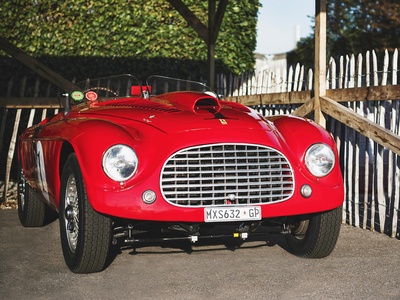
Ferrari 166 MM
Though low-volume, the Ferrari 166 MM captured global attention through racing success and exquisite coachwork. Its lightweight V12 performance made it a symbol of Italian motorsport prestige in 1950.