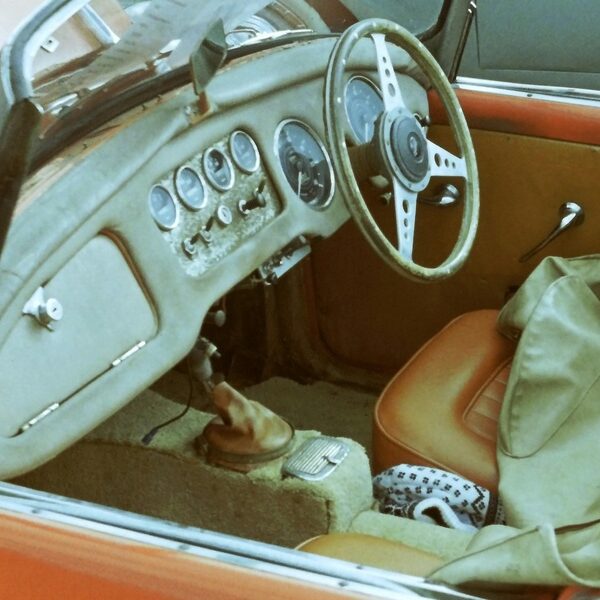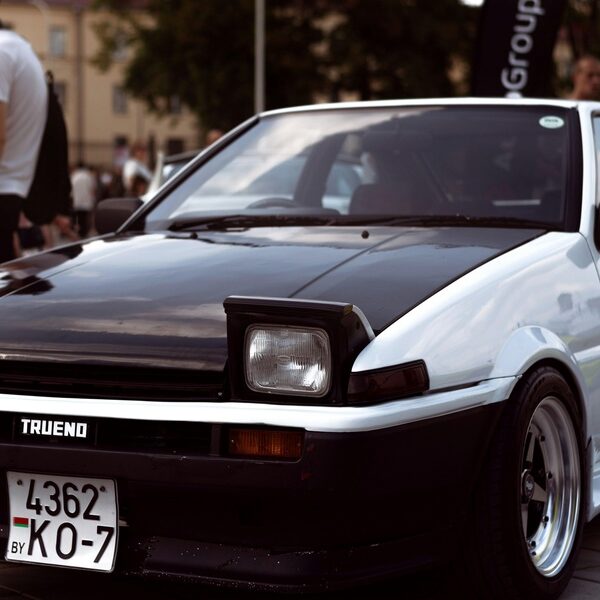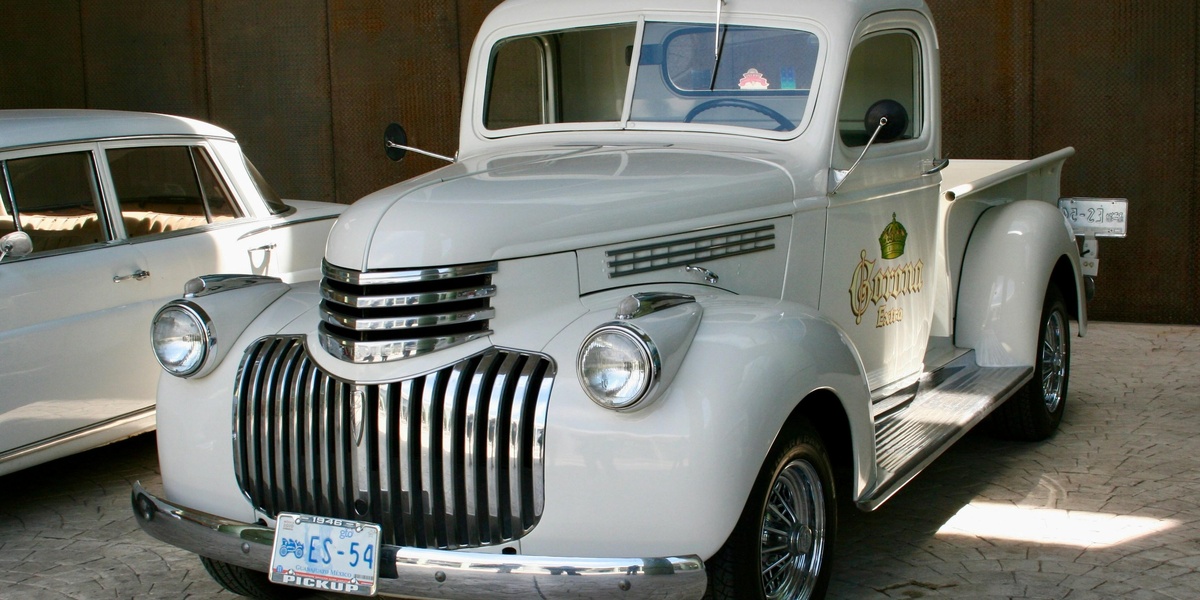
The years right after World War II reshaped automotive markets as factories switched from military production back to civilian cars. Drivers wanted reliable, affordable models, and manufacturers responded with updated designs and revived nameplates that would define the late 1940s road scene.
There are 20 Popular Cars in 1946, ranging from CJ-2A to Traction Avant. For each entry the list is organized with Maker,Sales (units),Power (hp) (organized as Maker,Sales (units),Power (hp)), showing who built them, how many were sold, and typical horsepower—you’ll find below.
How accurate are the sales and power figures for cars listed from 1946?
Numbers from 1946 come from manufacturer records, trade publications, and contemporary registration data; they’re generally reliable but can vary by source due to reporting methods, regional sales, or postwar disruptions, so treat figures as best-available estimates rather than absolute counts.
Which of these cars had the biggest influence on postwar design and why?
Models like the Traction Avant introduced advanced features—unitary construction and front-wheel drive—that influenced later engineering, while utilitarian models such as the CJ-2A helped popularize lightweight, versatile vehicles; influence depends on whether you weigh technical innovation, market reach, or cultural impact.
Popular Cars in 1946
| Model | Maker | Sales (units) | Power (hp) |
|---|---|---|---|
| Stylemaster | Chevrolet (USA) | 560,000 | 90 |
| Fleetmaster | Chevrolet (USA) | 300,000 | 90 |
| Super Deluxe | Ford (USA) | 350,000 | 95 |
| Deluxe | Ford (USA) | 250,000 | 95 |
| Special Deluxe | Plymouth (USA) | 160,000 | 95 |
| Deluxe | Plymouth (USA) | 120,000 | 95 |
| Champion | Studebaker (USA) | 100,000 | 85 |
| Custom | Dodge (USA) | 90,000 | 95 |
| Kaiser | Kaiser (USA) | 120,000 | 90 |
| Frazer | Frazer (USA) | 50,000 | 95 |
| New Yorker | Chrysler (USA) | 30,000 | 115 |
| Roadmaster | Buick (USA) | 60,000 | 150 |
| Super | Buick (USA) | 120,000 | 110 |
| Series 62 | Cadillac (USA) | 25,000 | 150 |
| Clipper | Packard (USA) | 80,000 | 150 |
| CJ-2A | Willys (USA) | 30,000 | 63 |
| Traction Avant | Citroën (France) | 20,000 | 60 |
| Topolino | Fiat (Italy) | 40,000 | 13 |
| Morris Eight | Morris (UK) | 15,000 | 30 |
| Series C/Fleet | Studebaker (USA) | — | 90 |
Images and Descriptions
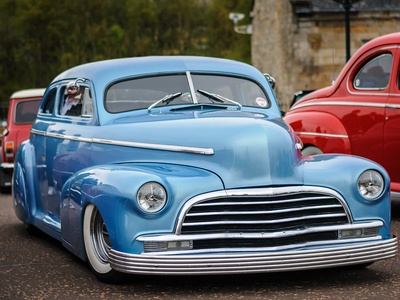
Stylemaster
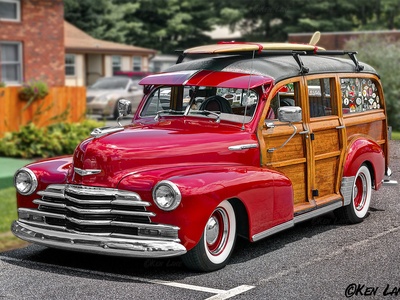
Chevrolet’s entry-level 1946 sedan regrouped wartime production into a broadly available, affordable car; the Stylemaster’s reliable inline-six, low price and vast dealer network made it one of America’s top sellers in 1946 and a common sight on roads.
Fleetmaster
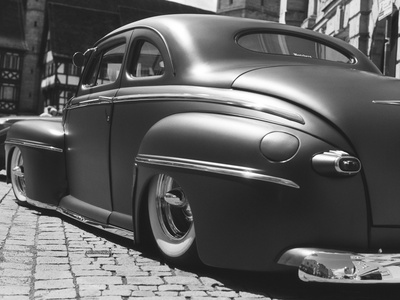
The Fleetmaster was Chevrolet’s upscale 1946 offering that shared mechanicals with the Stylemaster but offered fancier trim and heavier-duty appointments; popular for buyers seeking a touch of luxury without the Cadillac price in the immediate postwar market.
Super Deluxe
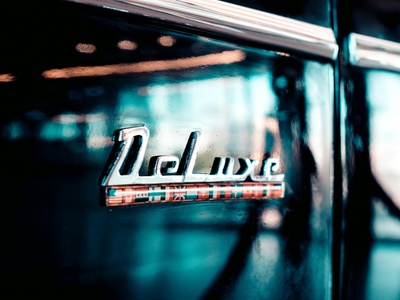
Ford’s Super Deluxe was the top trim of Ford’s 1946 line, featuring the Flathead V8 and refreshed postwar styling; popular due to Ford’s quick restart of civilian production, competitive pricing, and strong dealer support across the U.S.
Deluxe
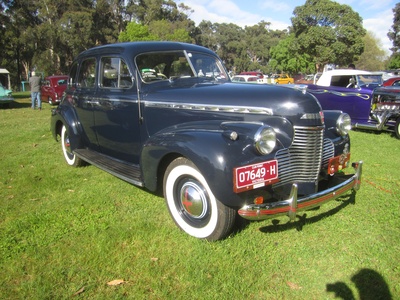
Ford’s Deluxe model gave buyers a more affordable postwar car with the same dependable Flathead V8; its strong value proposition and widespread availability made it a common family car in 1946 America.
Special Deluxe
Plymouth’s Special Deluxe was a best-selling 1946 model with roomy interiors, sturdy straight-six engines and competitive pricing; its reputation for reliability and dealer reach made it a favorite among budget-minded buyers after the war.
Deluxe
The Plymouth Deluxe offered essential transportation with the same durable six-cylinder, appealing to buyers seeking economy and dependability in 1946 when new cars were in short supply and demand was high.

Champion
Studebaker’s Champion mixed compact footprint, efficient six-cylinder power and distinctive styling; in 1946 it captured buyers attracted to a smaller, economical car during the early postwar recovery and benefited from strong brand recognition.

Custom
Dodge’s 1946 Custom series brought traditional, robust engineering and roomy bodies; buyers favored Dodge for its reputation for durability and comfortable ride at a competitive price point in the busy postwar marketplace.
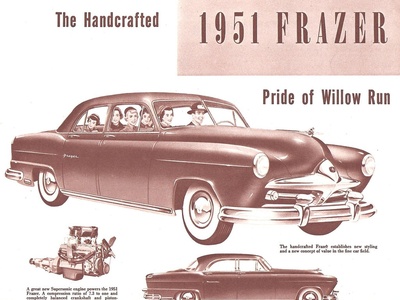
Kaiser
Kaiser’s 1946 models marked the debut of a new independent automaker: modern styling and competitive pricing generated considerable media attention and solid sales as returning servicemen sought fresh new cars after wartime rationing.
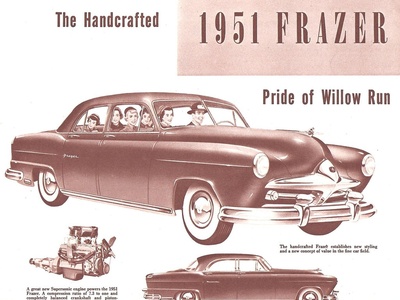
Frazer
Frazer, produced by Kaiser-Frazer in 1946, offered a more upscale alternative to Kaiser sedans; its fresh postwar design, improved interiors and limited production made it notable in media coverage and among buyers seeking something different.
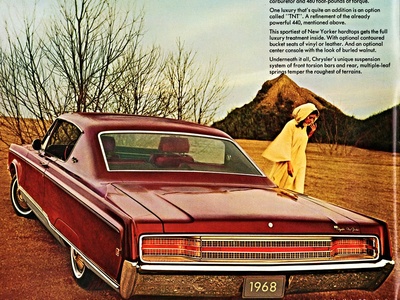
New Yorker
Chrysler’s New Yorker was its premium 1946 model featuring smooth straight-eight power and high-end appointments; popular with buyers who wanted comfort and prestige without moving into luxury-car pricing extremes.
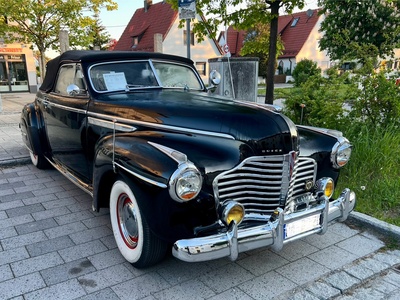
Roadmaster
Buick’s Roadmaster combined large straight-eight power with plush interiors and conservative luxury; in 1946 it appealed to buyers upgrading from mainstream cars and those valuing Buick’s reputation for refinement and durability.
Super
The Buick Super offered a balance of performance and upscale features in 1946, using Buick’s reliable straight-eight and attractive styling; it sold well to buyers wanting comfort and strong dealer support in the postwar period.
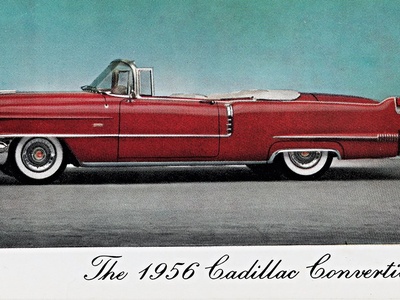
Series 62
Cadillac’s Series 62 in 1946 symbolized American luxury with powerful V8s, bespoke trim and high prestige; popular among affluent buyers and executives returning to peacetime prosperity who sought status and advanced features.
Clipper
The Packard Clipper was Packard’s volume luxury offering in 1946, blending elegant coachwork with potent straight-eight V engines; it benefited from Packard’s strong prewar reputation and demand from buyers seeking premium American cars.
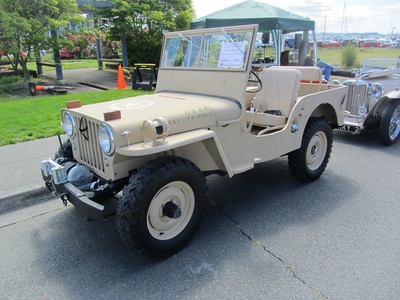
CJ-2A
Willys’ CJ-2A civilian Jeep was the immediate postwar evolution of the wartime jeep, introduced for civilian use in large numbers in 1946; its rugged utility, low cost and farm/industrial uses made it widely popular beyond military buyers.
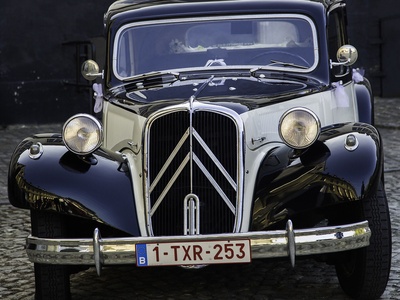
Traction Avant
The Citroën Traction Avant resumed production after the war and remained popular in 1946 for its front-wheel-drive layout, monocoque construction and advanced handling; it was widely used by French buyers and institutions rebuilding after wartime disruption.
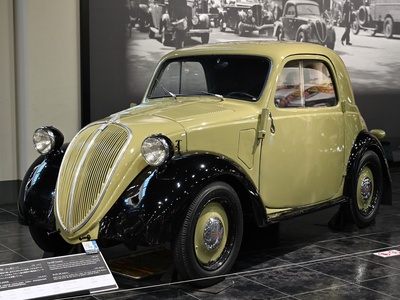
Topolino
Fiat’s tiny Topolino (500) was an economical 1946 staple in Italy: minimal running costs, tiny engine and compact size made it ideal for crowded postwar European streets and for buyers prioritizing affordability and fuel economy.
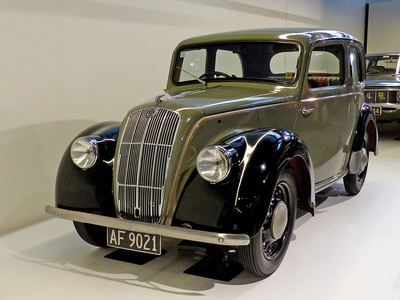
Morris Eight
The Morris Eight remained a common British small car in 1946, appreciated for its simplicity, low running costs and availability as Britain restarted civilian production; it met urgent demand for inexpensive transportation during postwar shortages.
Series C/Fleet
—