Poland’s automotive story mixes post-war state factories, niche military and utility builders, and modern startups, creating a varied local scene worth a closer look. From city streets to rural work sites, different makers have filled specific needs rather than chasing mass-market dominance.
There are 15 Polish Car Brands, ranging from AMZ Kutno to Ursus. The list is organized so you can quickly compare Founded (year),Status,Headquarters for each, and you’ll find below.
Which of these brands still make vehicles today?
Several brands continue limited production, often focused on commercial, agricultural, or specialty vehicles rather than passenger cars. Many older marques exist now as small manufacturers or brand names owned by larger firms; checking the Status column below shows current activity at a glance.
How can I use the Founded (year), Status, Headquarters columns to research further?
Use Founded (year) to track historical context, Status to see whether a brand is active, and Headquarters to identify regional industry clusters; together they let you prioritize follow-up searches for company websites, local news, or registry filings.
Polish Car Brands
| Name | Founded (year) | Status | Headquarters |
|---|---|---|---|
| FSO | 1951 | Defunct (ceased car production 2011) | Warsaw, Poland |
| FSM | 1971 | Defunct (reorganized into Fiat Auto Poland 1992) | Bielsko-Biała, Poland |
| Solaris | 1996 | Active | Bolechowo, Poland |
| Autosan | 1832 | Active (restructured several times) | Sanok, Poland |
| Jelcz | 1952 | Defunct (ceased large-scale production 2000s) | Jelcz-Laskowice, Poland |
| Ursus | 1893 | Active | Lublin, Poland |
| Arrinera | 2008 | Active | Warsaw, Poland |
| Izera | 2016 | Active (development/pre-production) | Warsaw, Poland |
| AMZ Kutno | 1999 | Active | Kutno, Poland |
| Melex | 1971 | Active | Mielec, Poland |
| CWS | 1918 | Defunct (reorganized into PZInż late 1920s) | Warsaw, Poland |
| PZInż | 1928 | Defunct (wartime 1939 disruption) | Warsaw, Poland |
| FSC Lublin | 1951 | Defunct (fragmented after market reforms) | Lublin, Poland |
| Tarpan | 1970s | Defunct (ceased after market transition) | Poznań, Poland |
| Honker | 1980s | Defunct (production stopped 2010s) | Poland (various) |
Images and Descriptions
FSO
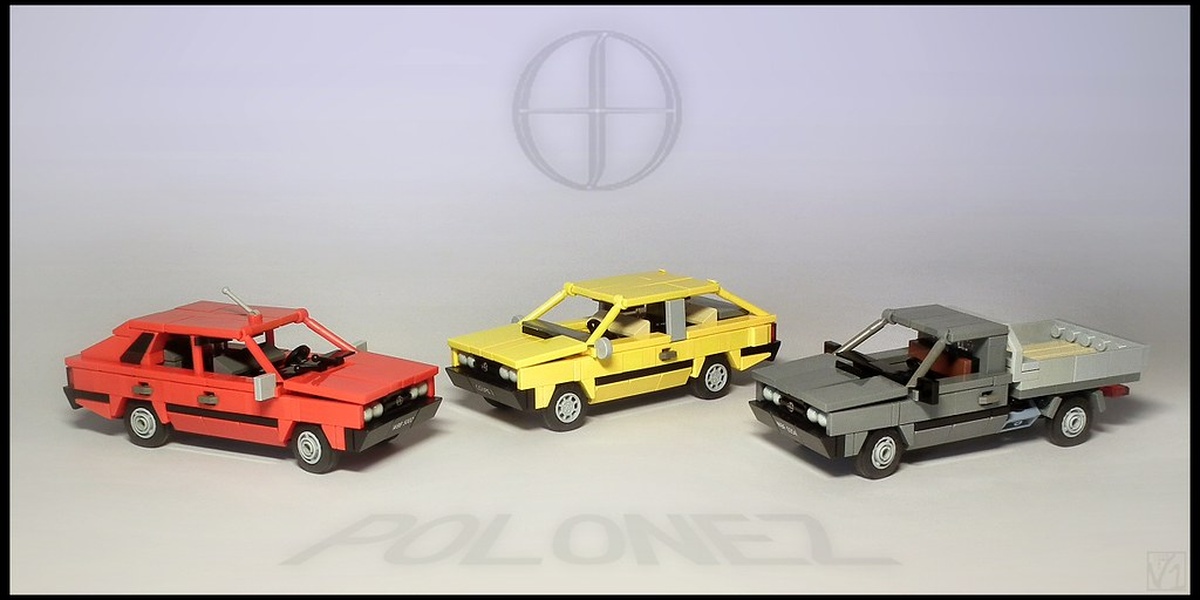
Polish state car maker founded 1951 in Warsaw, best known for Warszawa, Syrena and Polonez models. Ceased regular car production in 2011; historically central to Poland’s passenger car industry and joint ventures with Fiat.

FSM
Short-lived Polish small-car factory formed 1971 in Bielsko-Biała to build the Fiat 126p under license. Reorganized into Fiat Auto Poland in the early 1990s; known for making affordable microcars that shaped everyday motoring in communist-era Poland.
Solaris
Founded 1996 in Bolechowo, Solaris is a leading Polish bus and trolleybus maker known for the Urbino series. Active internationally, Solaris pioneered low-emission urban buses in Europe and remains one of Poland’s most visible commercial vehicle exporters.
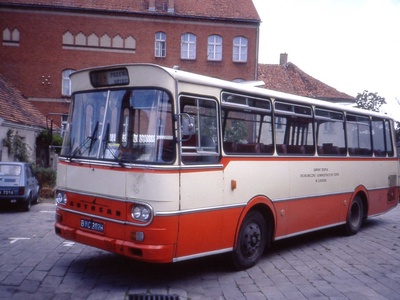
Autosan
Historic vehicle builder established 1832 in Sanok, Autosan specialised in buses and coaches for domestic and export markets. Though restructured several times, it remains a recognized Polish bus maker with a long legacy in regional public transport manufacturing.
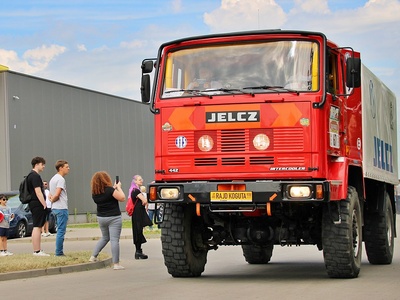
Jelcz
Founded 1952 in Jelcz-Laskowice, Jelcz made trucks and buses supplied across Poland and Warsaw Pact countries. Production dwindled after market changes; the marque ceased large-scale vehicle manufacture in the 2000s but remains a remembered name in Polish commercial vehicle history.
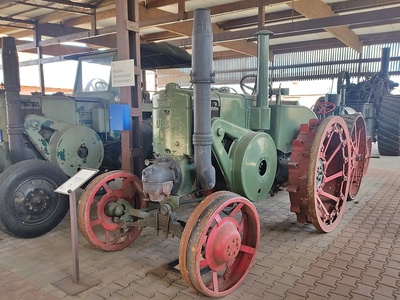
Ursus
Dating back to 1893 and based in Lublin, Ursus became Poland’s best-known tractor and agricultural vehicle maker. It later branched into industrial vehicles and proposed electric truck projects; historically integral to Polish heavy machinery and rural transport.

Arrinera
Founded 2008 in Warsaw, Arrinera is a boutique supercar maker best known for the Hussarya hypercar project. Aimed at proving Polish high-performance engineering on a global stage, Arrinera combines local development with contract manufacturing partnerships.
Izera
Launched by state-backed ElectroMobility Poland in 2016 and based in Warsaw, Izera is a Polish electric car brand developing production EV models. Still in prototype and pre-production stages, Izera represents Poland’s push into domestic electric passenger cars.
AMZ Kutno
AMZ Kutno (founded 1999) is a Kutno-based specialist in armored, rescue and utility vehicles. The company supplies militarized patrols, ambulances and special-purpose bodies, earning a reputation for rugged Polish-built special vehicles and commercial conversions.
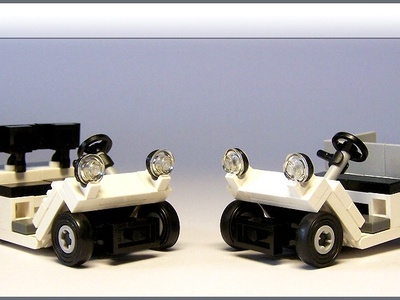
Melex
Melex, established 1971 in Mielec, built electric utility and golf-cart style vehicles for parks, airports and industrial sites. Exported widely during the communist era, Melex remains a niche Polish EV maker focused on small low-speed vehicles.
CWS
Centralne Warsztaty Samochodowe (CWS), founded 1918 in Warsaw, produced Poland’s earliest serial cars like the CWS T-1. Nationalized and reorganized into PZInż in the late 1920s, CWS played a foundational role in Polish automotive engineering.
PZInż
Państwowe Zakłady Inżynieryjne (PZInż) was an interwar Polish state engineering works established 1928 in Warsaw. It designed and built military trucks, cars and engines before wartime disruption; PZInż helped advance domestic vehicle design in the 1930s.
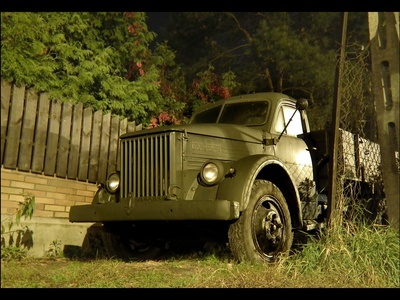
FSC Lublin
FSC Lublin, founded around 1951 in Lublin, produced light trucks and vans such as the Żuk and Lublin under state ownership. After market reforms it fragmented and production largely ended, but its models were staples of Polish commercial transport.

Tarpan
Tarpan was a Polish light truck and van marque built by FSR in the 1970s and 1980s, based in Poznań. Known for utilitarian commercial vehicles used in agriculture and small business, Tarpan production ceased after the transition to a market economy.
Honker
Honker, developed in the 1980s and built by several Polish firms, was a rugged off-road utility vehicle used by the military and rescue services. Production stopped in the 2010s, but Honker remains part of Poland’s recent vehicle heritage.