Table of contents
- TLDR
- Packard old models by era
- How to identify an old Packard
- Most collectible old Packards
- Quick model timeline
- Summary
TLDR
Packard old models are easiest to understand by era: early prewar cars, the glamorous 1930s Twelves and Eights, the postwar Clippers and Patricians, and the final 1950s Studebaker-era cars. If you want the quick rule, the prewar senior Packards are the ones most collectors chase, especially the Twelve, Super Eight, and custom-bodied cars. The easiest way to identify one is by the grille shape, hood ornament, and body proportions — Packard styling changed, but it still had that upright, formal look for years.
Packard old models by era
Packard’s history is long enough to make model names feel like a family tree with a few missing branches. The company built its reputation on quiet engineering, conservative luxury, and straight-eight power before eventually stretching into postwar modernism and then fading out in the 1950s.
Early Packards: brass-era to 1920s
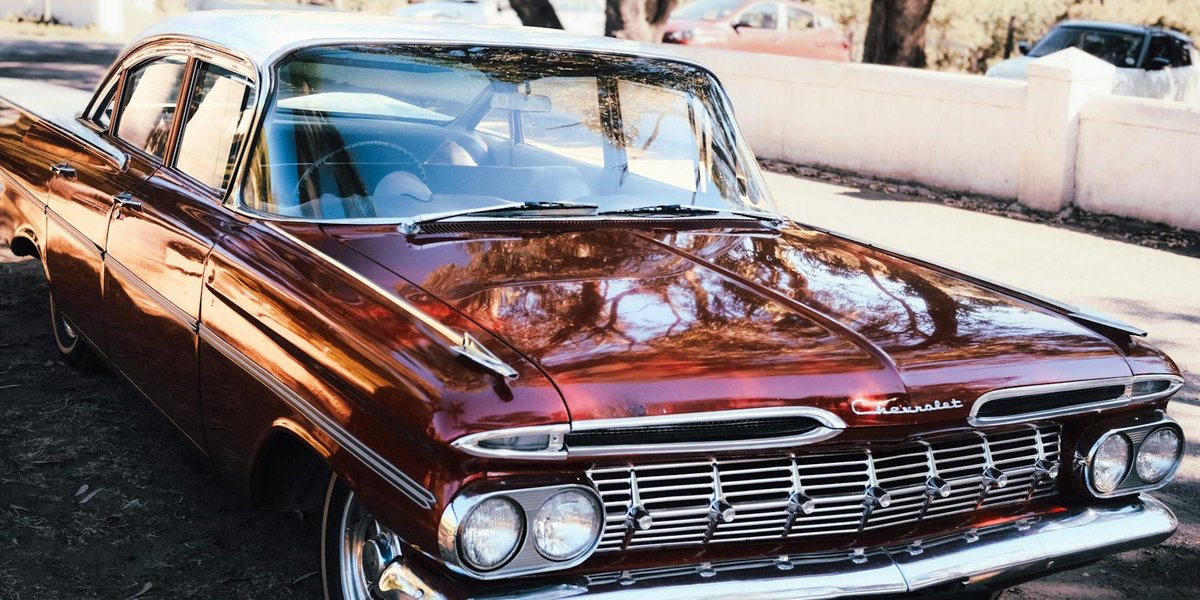
The earliest Packards were built before the brand became a luxury icon in the strict sense. These cars are now brass-era and vintage-era collectibles, and they matter more to historians than to casual shoppers. By the 1910s and 1920s, Packard had already settled into the upper tier of American automobiles.
The key thing about early old Packard cars is their formal, tall stance. Radiators were upright. Fenders were separate and substantial. The bodies looked like furniture because that’s basically what luxury automaking was doing back then.
By the 1920s, Packard’s big selling point was refinement. The brand leaned hard on engineering quality, especially smooth sixes and eights, and it built a reputation for cars that behaved more like machinery than fashion statements. For context on 1920s sedans, see The Complete List of 1920s Sedans.
The 1930s Packard classic models This is the era most people picture when they hear “old Packard models.” The 1930s gave Packard its most famous cars: the Standard Eight, Super Eight, and Twelve. These were full-sized luxury cars with long hoods, narrow grilles, and enough chrome to announce that the Depression had not entirely destroyed good taste.
Packard’s senior lines from this period are collector favorites because they combine styling, engineering, and historical prestige. The Twelve is the summit. It’s the one people mean when they say Packard built a car for people who wanted to outclass everyone else at the curb.
The 1930s also gave us some of Packard’s most elegant coachbuilt bodies. Custom bodies from firms like LeBaron and Dietrich can turn a desirable Packard into a museum piece. Auction houses still treat them that way.
1940s Packards and the war years
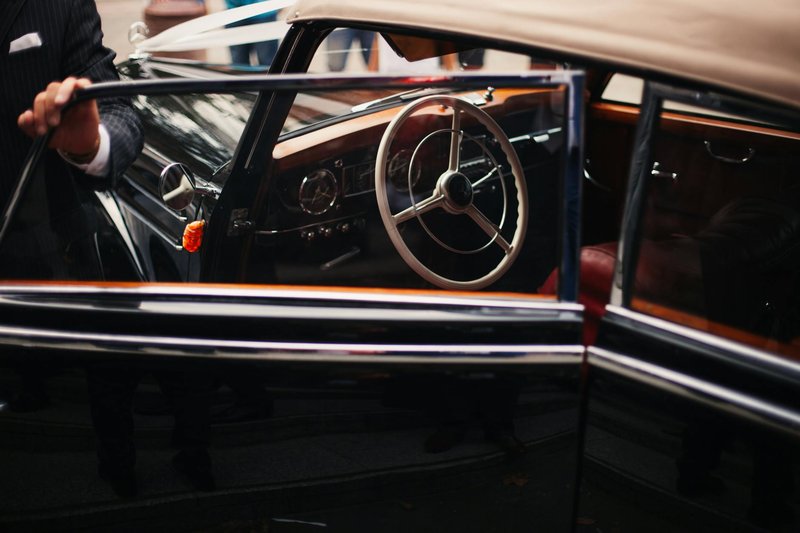
Packard paused civilian car production during World War II and pivoted to wartime manufacturing, including aircraft engines. After the war, the company returned to cars with a cleaner, slightly more modern look.
The 1941–42 Packards are especially important because they bridge the formal prewar style and the streamlined postwar shape. They still look dignified and slightly old-school, but they’re less top-heavy than earlier models. The grille became more integrated. The body looked lower and wider. For context on postwar car popularity, see Popular Cars in 1946: The Complete List.
Postwar Packards introduced the Clipper name, which became one of the company’s signature model families. Clippers had a more aerodynamic profile and were a big step toward the modern American sedan shape. A late-1940s Clipper is one of the easiest old Packards to recognize because it looks like the brand finally loosened its tie.
1950s Packard classic models
By the 1950s, Packard was trying to stay relevant in a market that had moved toward V8 power and flashier styling. The company still made handsome cars, but the product line was under serious pressure from Cadillac, Chrysler, and the new-style mass-market luxury sedans.
Important 1950s Packard model names include:
- Patrician — the upscale senior sedan
- Caribbean — the glamour model, often with the best trim and most memorable two-tone paint
- 400 — Packard’s hardtop coupe answer to the era’s style craze
- Clipper — increasingly used as a separate nameplate
- Executive — a short-lived attempt to fill gaps in the lineup
The 1955 and 1956 Packards are the most dramatic of the late cars. They introduced V8 power and torsion-level suspension, which gave the cars a distinctive ride and a sense of engineering ambition. The torsion-level setup is one of those details collectors mention with a reverent nod, because it was genuinely clever and still fun to talk about. For a broader view of 1950s trends in American cars, see The Complete List of Popular Cars in the 1950s.
For a good technical overview of the company’s later engineering changes, the Packard Info site remains a useful reference, and Hagerty often has collector-focused context on why these cars matter.
How to identify an old Packard
A Packard identification guide starts with the front end. That’s where the brand did a lot of its visual branding.
Look for these details:
- Grille shape: Early Packards used tall, upright grilles; later cars became wider and lower.
- Hood ornament: Packard’s swan and pelican-style ornaments are famous, but the exact sculpture changed by year and trim level.
- Body proportions: Senior Packards often have long hoods and formal rooflines.
- Trim level clues: Caribbean models usually wore more elaborate trim and brighter, more expressive paint combinations.
- Wheelbase and stance: Bigger Packards tend to sit with a more stately, stretched look.
If you’re trying to pin down a particular car, check the badges, side trim, and grille bars first. Packard was not shy about changing those year to year. That makes them easier to date than some brands and more annoying than others.
For visual comparison and year-by-year reference, the Classic Car Database can be handy, especially when you’re trying to separate one late-1940s sedan from another that looks suspiciously similar.
Most collectible old Packards
Not all old Packard cars are equally sought after. The market tends to favor the cars that combine rarity, prestige, and coachbuilt drama.
The usual heavy hitters are:
- Packard Twelve models
- Custom-bodied senior cars
- Caribbean convertibles and hardtops
- Super Eight and senior Eight models from the prewar years
- Early postwar Clippers in exceptional original condition
Why these? Because they tick the same boxes collectors always chase: scarcity, craftsmanship, and strong visual identity. The Twelve has the halo. The Caribbean has the style. The coachbuilt cars have the provenance. And clean, original examples always matter more than tired restorations with shiny paint and questionable authenticity.
If you’re researching value or restoration parts, the Classic Car Club of America is useful for understanding which Packards are considered true classics and why that label still carries weight.
Quick model timeline
| Era | Representative models | Notable traits |
|---|---|---|
| 1910s–1920s | Early Packard sixes and eights | Tall bodies, upright grilles, formal luxury |
| 1930s | Standard Eight, Super Eight, Twelve | Long hoods, senior prestige, coachbuilt bodies |
| 1941–1942 | Late prewar Packards | Smoother, more integrated styling |
| 1946–1950 | Clipper | Postwar streamlined sedans |
| 1951–1954 | Patrician, 200/250/300 series, Caribbean | Bigger, flashier, more market-driven |
| 1955–1956 | Patrician, Caribbean, Four Hundred, Clipper | V8 power, torsion-level suspension |
| 1957–1958 | Packard-badged Studebaker cars | Final, badge-engineered era |
Summary
Packard old models tell the story of American luxury from the brass era through the postwar years and into the brand’s decline. The most admired cars are still the prewar senior models and the glamorous 1950s Caribbeans, but even the humbler Packards have a lot of charm if you know what you’re looking at. For anyone researching Packard old models, start with the grille, confirm the trim, then narrow the year by body style and badging. That’s usually enough to separate a proper Packard from a car that just wants to look important.