Opel’s place on European roads has produced a long list of cars that define different eras — from compact city runarounds to family MPVs and niche experimentals. Looking back at the models that were phased out shows how tastes, regulations, and technology shifted over the decades.
There are 28 Opel Discontinued Models, ranging from Adam to Zafira. For each entry you’ll find below the columns Production years, Body type, Successor, making it easy to scan when each model lived and what followed — you’ll find below the full list organized that way.
How was this list assembled and how reliable is the information?
The list was compiled from manufacturer release notes, historical registries, enthusiast archives and public records to reflect official discontinuations; individual entries link to source notes where available, so check the item below if you need primary confirmation for a specific model.
Are parts and used examples still easy to find for discontinued Opels?
Availability varies by model and age: common former models often have plentiful used parts and dealer support, while rarer or short-lived cars may require specialist breakers, aftermarket suppliers or owner forums — check the specific entry below for practical tips and typical availability.
Opel Discontinued Models
| Model | Production years | Body type | Successor |
|---|---|---|---|
| Kadett | 1936–1991 | hatchback | Astra |
| Manta | 1970–1988 | coupe | No direct successor; niche later filled by Calibra |
| Ascona | 1970–1988 | sedan | Vectra |
| Rekord | 1953–1986 | sedan | Omega |
| Omega | 1986–2003 | sedan | Insignia |
| Senator | 1978–1993 | sedan | None |
| Monza | 1978–1986 | coupe | No direct successor |
| Commodore | 1967–1982 | sedan | Rekord/Omega |
| Kapitän | 1938–1970 | sedan | Admiral |
| Admiral | 1964–1977 | sedan | None |
| Olympia | 1935–1970 | sedan | Rekord |
| GT | 1968–1973;2007–2009 | sports | No direct successor |
| Agila | 2000–2014 | hatchback | Karl |
| Meriva | 2003–2017 | MPV | Crossland X |
| Zafira | 1999–2019 | MPV | None (no direct successor) |
| Signum | 2003–2008 | fastback | Insignia |
| Sintra | 1996–1999 | MPV | Zafira |
| Vectra | 1988–2008 | sedan | Insignia |
| Tigra | 1994–2001;2004–2009 | coupe | None |
| Calibra | 1989–1997 | coupe | No direct successor |
| Antara | 2006–2015 | SUV | Grandland X |
| Frontera | 1991–2004 | SUV | Antara |
| Diplomat | 1964–1977 | sedan | None |
| Cascada | 2013–2019 | convertible | None |
| Karl | 2015–2019 | hatchback | None |
| Adam | 2013–2019 | hatchback | None |
| Ampera | 2011–2012 | hatchback (electric hybrid) | Ampera‑e |
| Signum | 2003–2008 | fastback | Insignia |
Images and Descriptions
Kadett
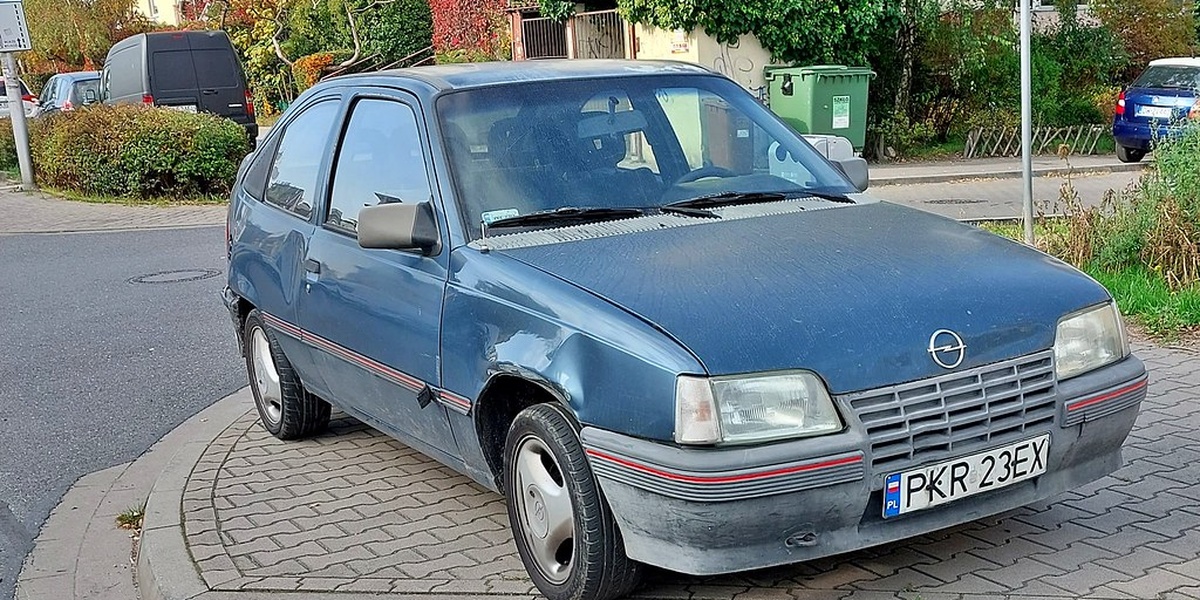
The Kadett was Opel’s compact family car across prewar and postwar eras, best known for the 1962–1991 generations. Popular across Europe, it offered hatchback and estate bodies and was replaced by the Astra, shaping Opel’s small-car lineage.

Manta
A sporty two-door coupe that became an icon of 1970s–80s European motoring, the Manta combined affordable performance with distinctive styling. It cemented Opel’s image in the coupe market before the sporty niche evolved into later models.
Ascona
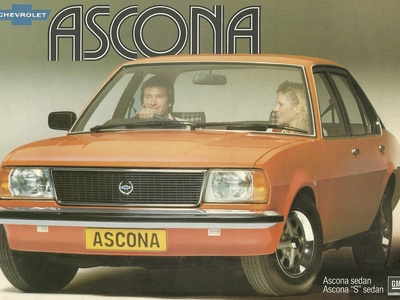
A family saloon and compact executive model produced in three generations, the Ascona was a strong seller across Europe in the 1970s and 1980s. It offered practical sedan and hatch variants and was succeeded by the Vectra in Opel’s lineup.
Rekord
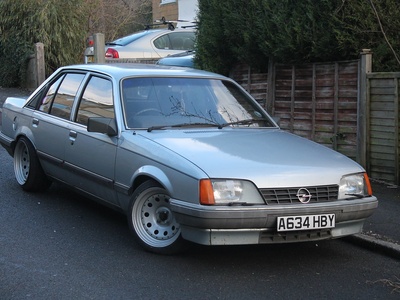
The Rekord was Opel’s mainstream mid-size saloon for decades, offering comfortable family transport and a range of engines. Renowned for reliability, it evolved through many generations before being replaced by the larger, more modern Omega.
Omega
Opel’s executive saloon and flagship through the late 1980s, 1990s and early 2000s, the Omega offered rear- and front-wheel-drive layouts and big-engine options. It was withdrawn in the early 2000s as Opel refocused its executive line with newer models.
Senator
A full-size luxury saloon positioned above the Rekord and Commodore, the Senator featured high-spec equipment, V6 engines and grand-tourer character. Its market niche faded in the early 1990s and Opel discontinued the model without a direct replacement.
Monza
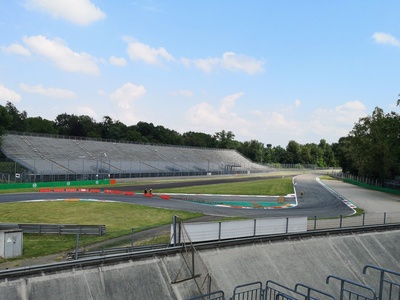
The Monza was a comfortable, fast coupe aimed at buyers wanting grand-tourer looks and performance. Available with larger engines and upscale trims, it was notable for blending luxury features with sporty styling in the late 1970s and 1980s.
Commodore
The Commodore was Opel’s larger family saloon/coupe line, sharing roots with the Rekord but featuring bigger engines and more equipment. Popular in the 1970s, it bridged mainstream and executive buyers before Opel streamlined its mid-size range.
Kapitän
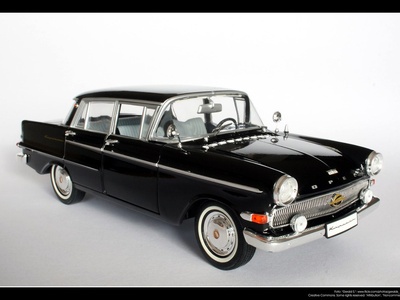
An early Opel flagship nameplate, the Kapitän served as a large family and executive car over decades. Known for roomy interiors and traditional saloon proportions, it was phased out as Opel modernised its top-end offerings under other nameplates.
Admiral
The Admiral sat above Opel’s family cars, offering V8 and six-cylinder options in certain years and more luxurious appointments. It was part of Opel’s 1960s–70s premium trio and was discontinued as the market shifted away from its segment.
Olympia
A historic Opel name dating to the 1930s, the Olympia marked early advances in unitary construction and aerodynamic styling. Revived postwar in various forms, the Olympia lineage eventually merged into the Rekord line as Opel consolidated model names.
GT
The Opel GT was a compact sports car famous for its long nose and pop-up headlights in the late 1960s and early 1970s; a limited modern revival appeared in the late 2000s. Both eras emphasized driving fun over practicality.
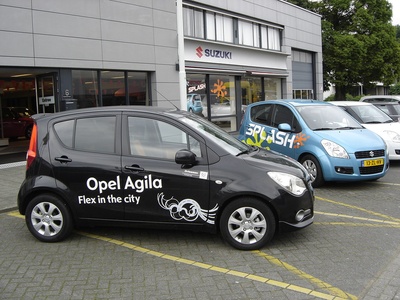
Agila
A small city car co-developed with Suzuki and sold across Europe, the Agila offered tall hatchback practicality and efficient engines. It gave Opel an urban entry-level presence until it was replaced by the Karl in the mid-2010s.
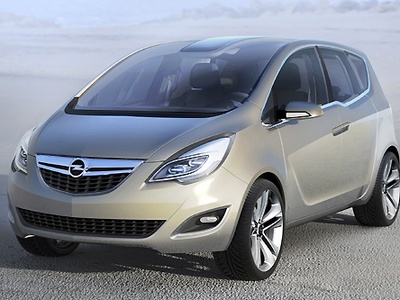
Meriva
A compact multi-purpose vehicle focused on family practicality, the Meriva featured flexible seating and clever packaging across two generations. Sold widely in Europe, it was withdrawn as buyers shifted to small crossovers like the Crossland X.
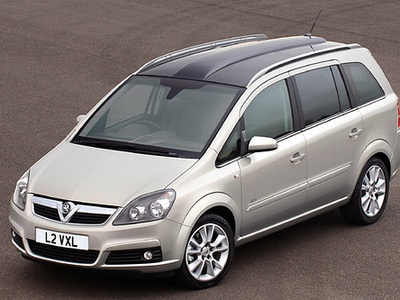
Zafira
The Zafira redefined compact MPVs with a versatile seven-seat layout and fold-flat seating (Flex7). A strong seller from 1999 onward, the Zafira family was phased out as demand moved to SUVs and MPV sales declined.
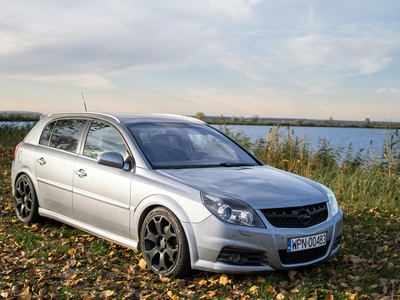
Signum
Positioned between the Vectra and three-box executive cars, the Signum offered a hatchback-fastback profile with roomy rear accommodation. It targeted buyers wanting executive comfort with a hatchback’s practicality but was short-lived in the mid-2000s.
Sintra
Opel’s early large MPV offering, the Sintra was marketed in the late 1990s but withdrawn after a short production run due to safety and market issues. Its role in Opel’s lineup was later covered by smaller MPVs like the Zafira.
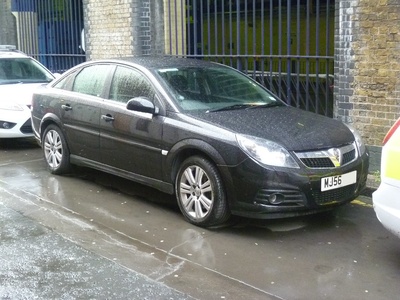
Vectra
A key Opel mid-size model across three generations, the Vectra served as family transport and fleet mainstay across Europe. It offered sedan, hatchback and estate bodies and was superseded by the Insignia as Opel modernised its range.
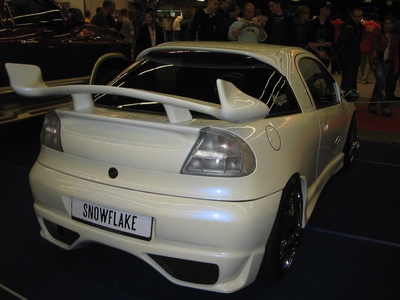
Tigra
A compact two-door coupe derived from Opel small cars, the Tigra was sold as a practical yet stylish sporty model. The original coupe and later convertible-like TwinTop revival appealed to buyers seeking compact style rather than outright performance.
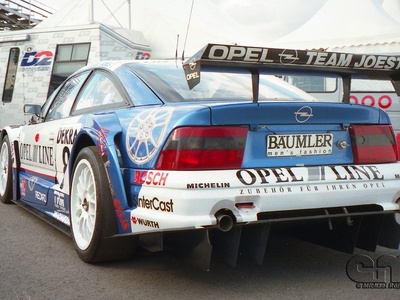
Calibra
The Calibra combined sleek, aerodynamic styling with turbocharged options and was a distinctive two-door in late 1980s and 1990s Europe. Celebrated for its low drag and GT looks, it left a lasting enthusiast following despite no direct replacement.
Antara
A mid-size SUV built for Opel during the boom in crossovers, the Antara was a rebadged General Motors model that offered utility and off-road looks. It was phased out as Opel introduced newer SUV models like the Grandland X.
Frontera
An early Opel SUV developed with Isuzu, the Frontera brought genuine off-road capability to Opel’s lineup. Popular in the 1990s, it was retired in the early 2000s as Opel shifted to more road-focused crossovers.
Diplomat
A luxury flagship of its era, the Diplomat offered big engines and high-spec appointments during the 1960s and 1970s. It represented Opel’s top-of-the-line saloon before the brand moved away from large flagship models in Europe.
Cascada
A four-seat convertible launched in the 2010s, the Cascada targeted buyers wanting open-top grand touring comfort. Despite modern styling and engine options, shrinking convertible demand led Opel to discontinue the model by the decade’s end.
Karl
A small city hatchback aimed at budget-conscious buyers, the Karl provided compact practicality and simple equipment. Sold mainly in Europe, it marked Opel’s last small-entry hatch before the nameplate was withdrawn amid range consolidation.
Adam
The Adam was Opel’s fashion-focused city car with strong customisation options and a youthful image. Marketed as a stylish urban cruiser, it attracted buyers wanting personalisation over practicality and was discontinued as market tastes changed.
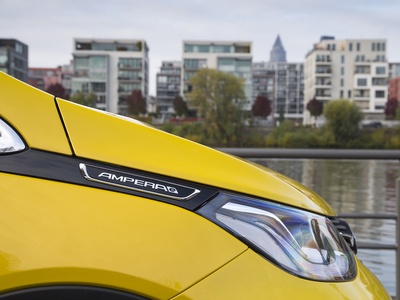
Ampera
The Ampera was Opel’s European-range-extended electric car based on the Chevrolet Volt, offering electric-first driving with a petrol generator. Noted as an early electrified Opel, it had limited production and was later followed in spirit by the Ampera‑e.
Signum
(Duplicate entry intentionally omitted)