Across showrooms, classifieds and enthusiast garages, car lineups tell a story of changing tastes, regulations and technology. Watching which models stick around — and which disappear — helps explain how a brand like Nissan has evolved over the decades.
There are 29 Nissan Discontinued Models, ranging from 180SX to Xterra. For each model I list Production years (YYYY–YYYY),Markets (major regions),Body type, so you’ll find below.
Why were these Nissan models discontinued?
Models are usually phased out for practical reasons: falling sales, shifting consumer demand, stricter emissions and safety rules, or company strategy to consolidate platforms and focus on SUVs, EVs and crossovers. Sometimes a model’s niche is absorbed by a newer vehicle or global market differences make continued production uneconomical.
How do I find parts or support for a discontinued Nissan model?
Start with Nissan dealers for legacy parts and service bulletins, then check specialist salvage yards, online marketplaces, enthusiast forums and aftermarket suppliers for common wear items. VIN cross-references and compatibility lists can help identify interchangeable parts from current or other discontinued models.
Nissan Discontinued Models
| Model | Production years (YYYY–YYYY) | Markets (major regions) | Body type |
|---|---|---|---|
| 240SX | 1989–1998 | USA, Canada | Coupe/Hatchback |
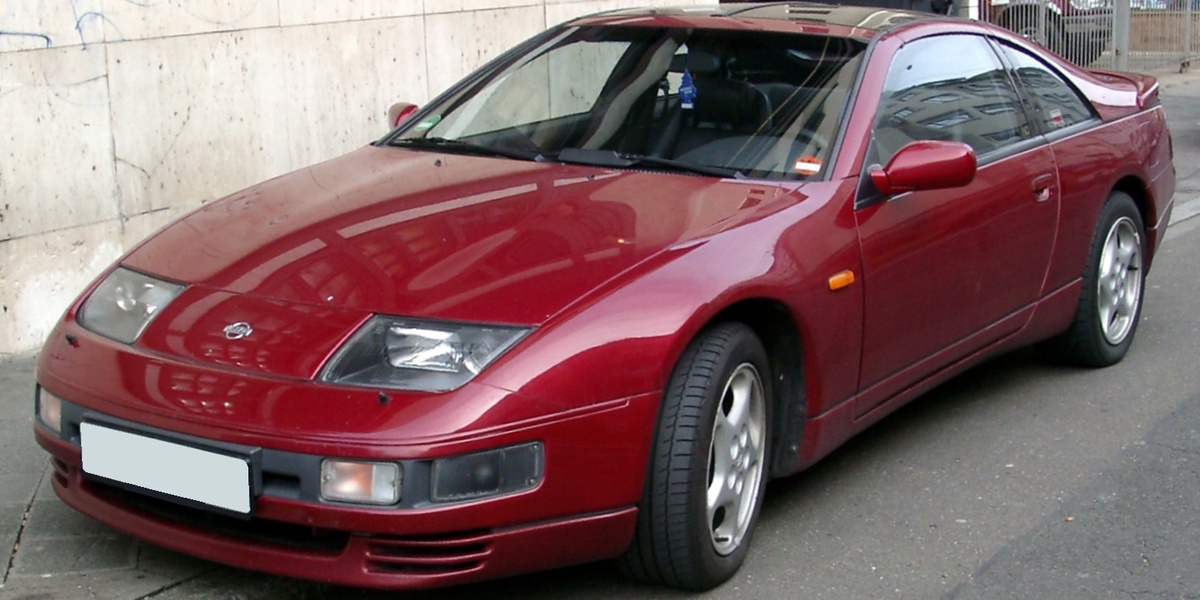
| 300ZX | 1983–2000 | Japan, USA, Europe | Sports car |
| 350Z | 2002–2009 | Japan, USA, Europe | Sports car |
| 370Z | 2009–2020 | Japan, USA, Europe | Sports car |
| Xterra | 2000–2015 | USA, Latin America | SUV |
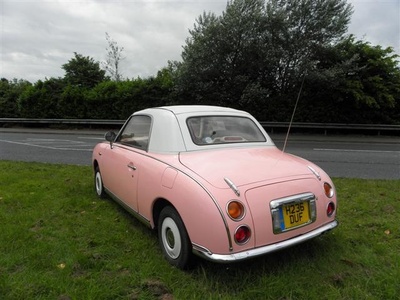
| Figaro | 1991–1991 | Japan, select exports | Convertible |
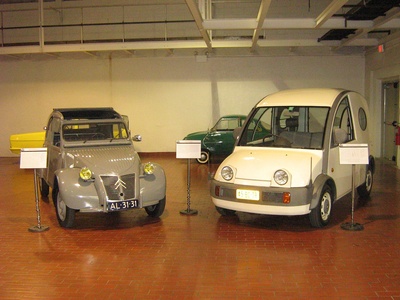
| S-Cargo | 1989–1992 | Japan | Van |
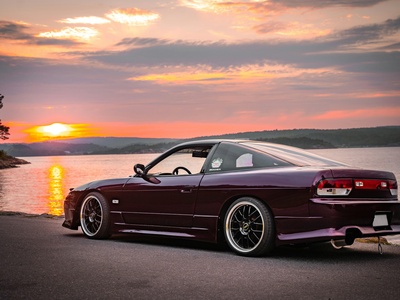
| Silvia | 1964–2002 | Japan, select exports | Coupe |
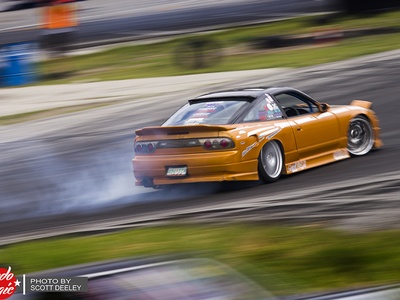
| 180SX | 1989–1998 | Japan, Europe | Coupe |
| Bluebird | 1959–2001 | Japan, Europe, Australia | Sedan/Wagon |
| Stanza | 1973–1992 | Europe, Japan, Australia | Sedan/Hatchback |
| Primera | 1990–2008 | Europe, Japan, Australia | Sedan/Wagon |
| Laurel | 1968–2002 | Japan | Sedan |
| Cedric | 1960–2004 | Japan | Sedan/Wagon |
| Gloria | 1959–2004 | Japan | Sedan |
| Pulsar | 1978–2018 | Japan, Europe, Australia | Hatchback/Sedan |
| Vanette | 1978–2007 | Japan, Europe, Asia | Van |
| Hardbody (D21) | 1986–1997 | USA, Latin America, Asia | Pickup |
| Terrano | 1986–2006 | Europe, Japan, Latin America | SUV |
| 200SX | 1975–1998 | Europe, USA, Japan | Coupe/Hatchback |
| Cherry | 1970–1986 | Japan, Europe | Hatchback |
| Prairie | 1982–1998 | Japan, Europe | Compact MPV |
| Presea | 1990–1999 | Japan, Australia | Sedan/Coupe |
| President | 1965–2002 | Japan | Luxury sedan |
| Leopard | 1980–1999 | Japan | Coupe/Sedan |
| NX Coupe | 1990–1993 | USA, Canada | Coupe |
| Cherry Vanette Cargo | 1978–2001 | Europe, Japan | Van |
| Civilian | 1971–1999 | Japan, Asia | Van/Bus |
| Homy/Urvan | 1965–2018 | Asia, Middle East, Australia | Van/Minibus |
Images and Descriptions
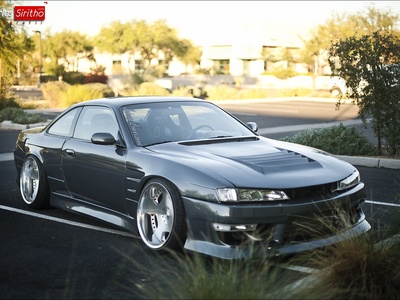
240SX
US-market compact sports coupe sold as Nissan’s drift-friendly, affordable rear-wheel-drive car; based on the Silvia platform. Popular for tuning and motorsports, it was discontinued as Nissan refocused on purpose-built sports cars like the 350Z and changing emissions and safety standards.
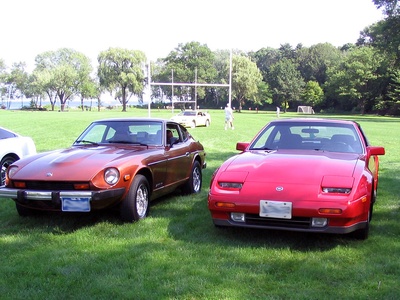
300ZX
Grand tourer Z-car famed for twin-turbo performance in the Z32 era and strong 1980s–90s sales. Declining demand for large sports coupes and high development costs led Nissan to retire the 300ZX, later replaced by newer Z-platform models.
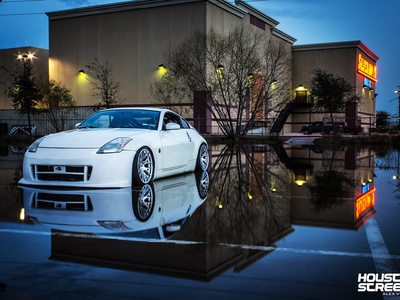
350Z
Revived Nissan’s Z lineage as an affordable, driver-focused rear-wheel-drive coupe with modern styling and strong enthusiast appeal. Discontinued after the 2009 model run when Nissan introduced the more refined, evolved 370Z as its sports-car flagship.
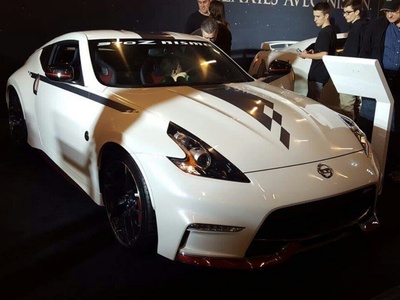
370Z
Compact, powerful successor to the 350Z known for balanced handling and V6 performance. The 370Z was phased out as Nissan prepared a new-generation Z model and shifted strategy toward electrification and broader model refreshes.
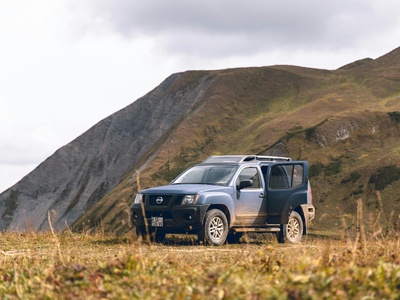
Xterra
Rugged, body-on-frame compact SUV built for off-road use and outdoor enthusiasts in the U.S. market. Rising fuel economy concerns, auto-safety rules and internal model overlap with Rogue/Pathfinder led Nissan to discontinue Xterra after 2015.
Figaro
Limited-production retro-styled two-door convertible sold only in 1991; its quirky vintage design and small run made it an instant collectible. Never intended as a long-term model, production ceased after the single-year run due to planned exclusivity.
S-Cargo
Tiny, retro-styled two-seater van named as a pun on “escargot,” aimed at niche buyers wanting novelty urban transport. Low-volume, specialty production ended after a brief run; it remains a cult classic rather than a mainstream commercial van.
Silvia
Long-running rear-wheel-drive coupe beloved by enthusiasts and tuners for lightweight balance and drift culture success. Nissan retired the Silvia/S15 line as market demand shifted, with sports duties later carried by the Z lineup and other models.
180SX
Pop-up-headlight, hatchback coupe variant of the S13/S14 Silvia series popular in Japan and drifting scenes. Production ended as Nissan streamlined its sport-coupe offerings and moved toward newer platform evolutions.
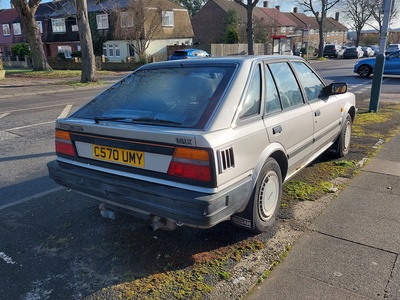
Bluebird
A mid-size family staple across several generations, the Bluebird name represented Nissan’s mainstream passenger cars. It was phased out and consolidated into newer models like Primera and Altima as Nissan modernized and globalized its lineup.
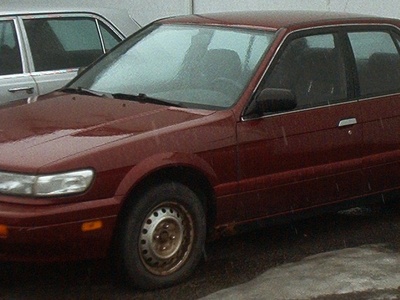
Stanza
Mid-size family car sold worldwide under the Stanza nameplate, known for practicality and affordability. Discontinued when Nissan reorganized its passenger-car range, replacing Stanza models with more modern platforms like the Primera.
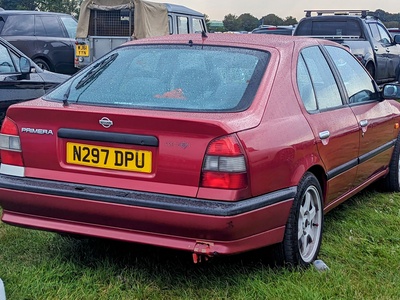
Primera
European-focused mid-size car that offered handling and refinement for family buyers. Falling sales and the rise of crossovers prompted Nissan to end the Primera, replacing much of its market niche with Qashqai and other SUVs.

Laurel
Mid-to-upscale Japanese sedan with sporty trim levels that catered to business and private buyers. Production ended amid shrinking demand for traditional rear-wheel-drive sedans in Japan and consolidation toward newer luxury and executive models.
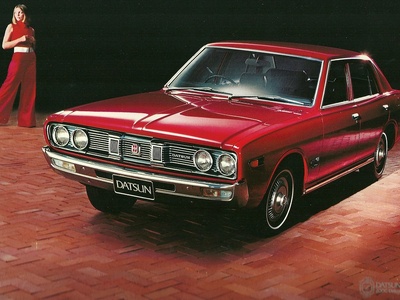
Cedric
Large executive and family sedan with decades-long history in Japan, often used as taxis and company cars. Discontinued as Nissan phased out older luxury nameplates in favor of modern platforms and Infiniti branding abroad.
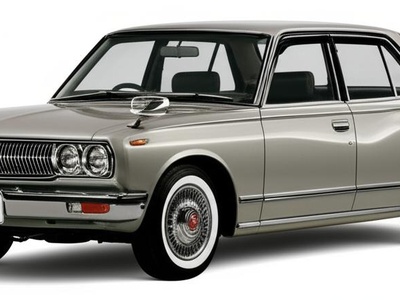
Gloria
Companion model to the Cedric, positioned as an upscale sedan with long domestic heritage. Production ceased as Nissan rationalized its luxury offerings and transferred premium efforts into new, global models and Infiniti.
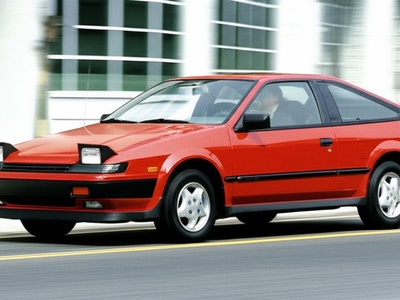
Pulsar
Compact car sold across multiple decades under varying designs; known for economy and versatility. The Pulsar name was retired in many markets as Nissan shifted to new compacts, crossovers, and global platforms better suited to modern demand.
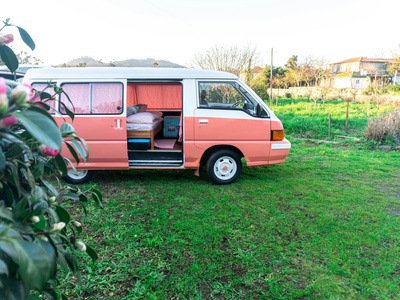
Vanette
Small commercial and family van offered in cargo and passenger variants worldwide. Phased out as Nissan modernized its light-commercial range and introduced newer vans like the NV200/NV350, aligning with stricter emissions and safety regulations.
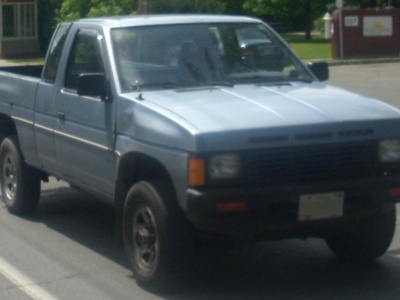
Hardbody (D21)
Durable compact pickup (Hardbody) that gained a reputation for toughness and longevity in the U.S. market. Discontinued as Nissan updated its truck lineup with larger Frontier/Frontier successor models and modernized safety and comfort features.
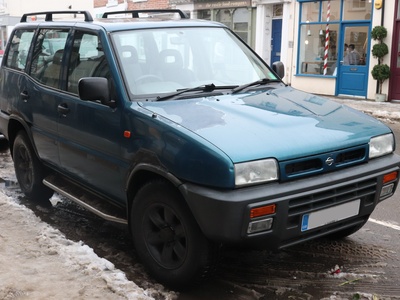
Terrano
Body-on-frame SUV shared with Mitsubishi in some generations; offered off-road capability and practicality. Discontinued in many regions as Nissan introduced more modern unibody crossovers (X-Trail) and updated global SUV strategy.
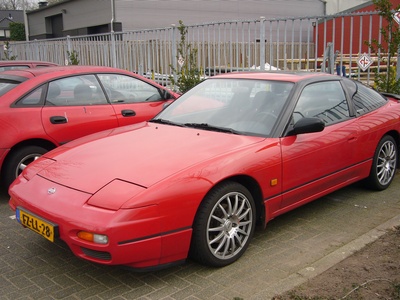
200SX
Name used for various compact coupe/hatchback models across markets, often linked to the Silvia line. The 200SX name faded as Nissan standardized global model names and consolidated coupe offerings into the Z and new sport models.
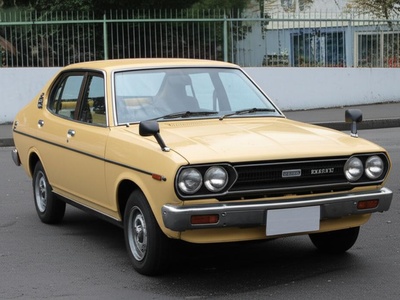
Cherry
Small city car that helped establish Nissan in compact markets with practical economy and simple mechanics. Discontinued as the market moved to more modern superminis and the Sunny/Sentra lines absorbed its customer base.
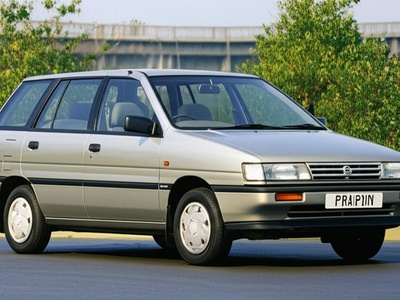
Prairie
Early multipurpose family vehicle offering flexible seating and unusual styling for city families. As minivan and MPV markets evolved, Nissan replaced Prairie with newer minivans and compact MPVs that better matched consumer preferences.
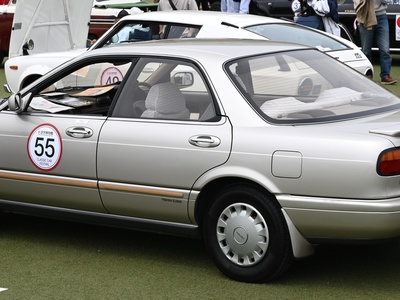
Presea
Compact near-luxury coupe-sedan sold mainly in Japan and selected export markets, noted for a refined interior and quiet ride. Low sales and overlap with Sunny/Primera segments led Nissan to discontinue Presea near the century’s end.
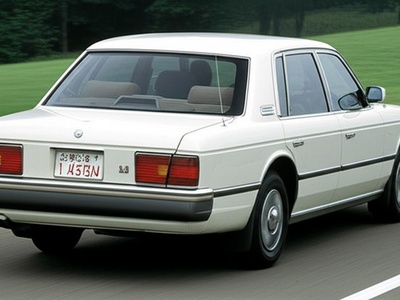
President
Flagship luxury sedan primarily for Japanese executives and officials, often chauffeur-driven. Discontinued as Nissan shifted global luxury efforts to the Infiniti brand and as domestic demand for such large executive sedans declined.

Leopard
Upscale personal luxury coupe and sedan in the Japanese market, offering performance and comfort. Ended production as buyer tastes moved away from domestic personal luxury coupes toward imports and newer Nissan luxury strategies.
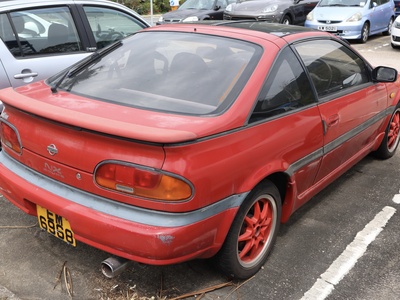
NX Coupe
Sporty two-door coupe in the compact segment, notable for sharp styling and a small footprint. Short market life and limited demand led to early discontinuation as Nissan adjusted its passenger-car lineup.
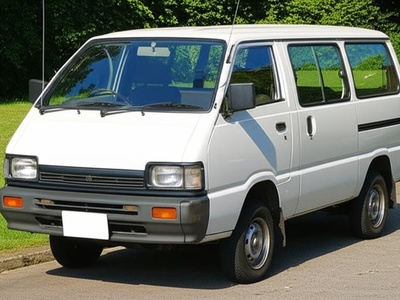
Cherry Vanette Cargo
Compact commercial van variant of the Cherry/Vanette stable; used in urban delivery and small business roles. Discontinued as Nissan updated and consolidated light commercial offerings with newer, more efficient models like the NV200.
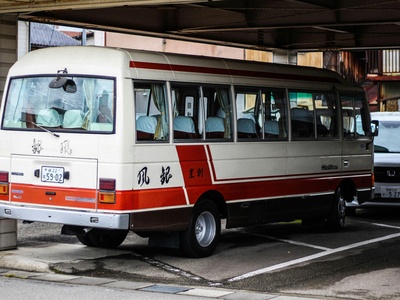
Civilian
Light commercial van and minibus used for passenger transport and commercial duties in Asian markets. Phased out as Nissan modernized its commercial vehicle range and as regional needs favored newer models with improved safety and emissions.
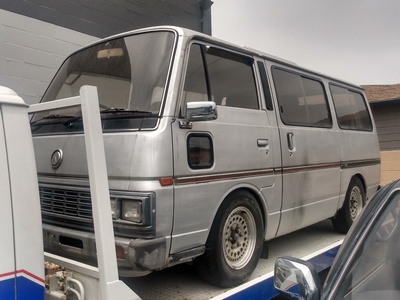
Homy/Urvan
Series of light buses and people movers sold under Homy/Urvan/Caravan names in various regions; some iterations continued under different model codes. Older Homy/Urvan nameplates were retired as Nissan refreshed its commercial-van lineup.