Lincoln’s Town Car dominated American executive fleets and livery services through the 1980s, 1990s and into the 2000s thanks to a reputation for comfort and long-term durability. That reputation still matters: resale value, lower maintenance-per-mile, family safety and fleet uptime are all reasons buyers prioritize longevity today. Luxury brands often trade mechanical simplicity for complex electronics and exotic materials, which can raise repair costs, but several Lincoln models buck that trend.
This list ranks eight Lincoln models that have shown the strongest reliability across decades, platforms and use cases so you can pick a Lincoln that keeps ownership costs down and miles high. The cars are grouped into three categories: modern sedans and crossovers, large Lincolns and SUVs, and classic long-lived Lincolns. Selection criteria include production longevity, documented fault rates, maintenance-cost trends and consistent positive owner reports (drawing on J.D. Power and Consumer Reports model-year summaries where helpful). For a quick signal: the Town Car’s final production year was 2011, and its legacy still informs which Lincolns tend to last.
Modern Lincolns: Sedans and Crossovers

After 2006 Lincoln shifted toward refined sedans and crossover SUVs built on Ford platforms, improving parts commonality and serviceability. Reliability in this group often hinges on powertrain choice and model year—software and transmission updates made in the mid-2010s fixed many early issues. For shoppers seeking the most reliable Lincoln cars, mid-decade models often represent the sweet spot: matured drivetrains, fewer warranty-era defects, and still-pleasant luxury appointments.
1. Lincoln MKZ — Dependable midsize luxury sedan
The MKZ earns a spot for balanced drivetrain options and years with stronger reliability records. Produced from 2006–2020, it used largely Ford-derived engines and transmissions that are well understood by independent shops.
Particularly reliable years cluster in the early to mid-2010s, with the 2.0L EcoBoost and the 3.7L V6 both offering predictable service intervals. J.D. Power and Consumer Reports returned middling-to-good scores for several MKZ model years after transmission and software updates stabilized performance.
Real-world use: a 2014 MKZ with the 3.7L V6 and routine oil, spark, and transmission service commonly reaches 150,000+ miles with few major repairs. That combination makes the MKZ a strong daily commuter or long-distance cruiser with lower maintenance hassle than ultra-luxury rivals.
2. Lincoln MKX / Nautilus — Reliable crossover with fewer surprises
The MKX, rebranded Nautilus in 2019, is a practical choice for buyers wanting a dependable crossover. The MKX debuted in 2007, had a meaningful second-generation refresh in 2011 and the Nautilus name arrived in 2019—those milestones matter when checking reliability records.
Engineering commonality with Ford/Mazda platforms helped serviceability, and post-refresh years addressed early transmission and electronics complaints. Owner reports and service-bulletin fixes after 2013–2014 made the 2015 MKX noticeably steadier in everyday driving.
Real-world use: family transport, light towing and routine suburban driving. A 2015 MKX owner report often cites stable transmissions after software updates, and the 2019 Nautilus adds improved infotainment and serviceability compared with earlier units.
3. Lincoln Continental (2017–2020) — Refined, but pick model years carefully
The Continental returned in 2017 as Lincoln’s full-size sedan answer, offering V6 power and an impeccably quiet ride. Its short run—reintroduced in 2017 and discontinued in 2020—means used examples are limited and year-to-year checks are essential.
Powertrains (notably V6 options) are generally strong, but several early units experienced infotainment and electronics quirks that were addressed via recalls or software updates under warranty. Consumer Reports flagged some tech-related reliability concerns in select years, so service-history verification matters.
Real-world use: buyers who want full-size comfort and V6 torque will like the Continental, provided they confirm that tech updates were applied. Many 2018 owners reported solid drivetrain performance after dealer software visits.
Large Lincolns and SUVs: Built to Last
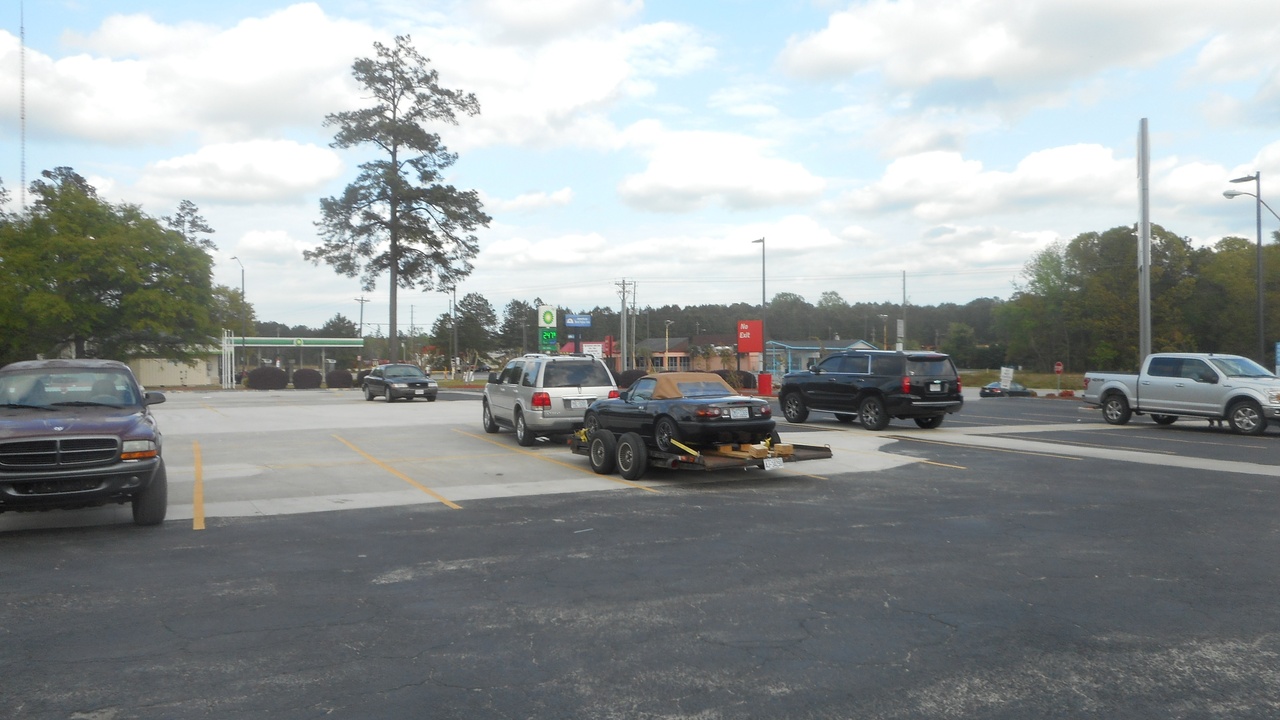
Lincoln’s larger models—full-size SUVs and big sedans—benefit from heavier-duty engineering that supports longevity. The Navigator, introduced in 1997, and other large Lincolns often serve in towing, fleet and high-mileage family roles where engine and drivetrain durability matter most. Recent EcoBoost V6 families give modern power with proven longevity when maintained.
4. Lincoln Navigator — Full-size reliability and longevity
The Navigator is core to Lincoln’s reputation for durable, big-vehicle engineering. Introduced in 1997, it has a long production history and has evolved from V8 power to modern EcoBoost V6s without sacrificing service life.
Older V8-era Navigators (2015–2017 and earlier) are noted for long engine life, while the 2018+ generation shifted to the 3.5L EcoBoost and improved materials that reduce corrosion and NVH. Maintenance costs are higher because of size, but major components—engines and transmissions—are robust.
Real-world use: towing, chauffeur service and high-mileage family hauling. A well-maintained 2016–2019 Navigator can deliver long-term value; owners report that routine fluid and timing-related maintenance prevents the bulk of expensive repairs.
5. Lincoln Aviator — New-generation SUV with strong engineering
The Aviator relaunched in 2020 and quickly earned praise for its modern platform and strong Ford-derived powertrains (Aviator relaunch in 2020). That shared architecture helps parts availability and dealer familiarity.
Electronics add complexity, but modern diagnostics and early warranty coverage have smoothed ownership for many buyers. Early owner reports note solid powertrain performance and few catastrophic failures when software updates were kept up to date.
Real-world use: midsize families who want near-Navigator capability without full-size costs. A 2020 Aviator with documented software and service history tends to be a dependable, feature-rich daily driver.
6. Lincoln MKT — Proven for livery and steady service life
The MKT is sometimes overlooked but shines in fleet and livery roles thanks to a durable chassis and predictable service needs. Built from 2009–2019, fleets favored it for airport shuttles and stretch conversions because it stayed on the road.
High-uptime MKT examples routinely hit large annual mileages with routine maintenance. Buyers should inspect front suspension bushings and HVAC components on high-mileage units, but the platform itself is familiar to independent shops and parts are widely available.
Real-world use: airport service, private-hire runs and small fleets where steady uptime beats flashy features. Price-wise, MKTs can offer value for buyers willing to trade peak resale for lower purchase cost and fleet-proven durability.
Classic Lincolns: Time-Tested Longevity
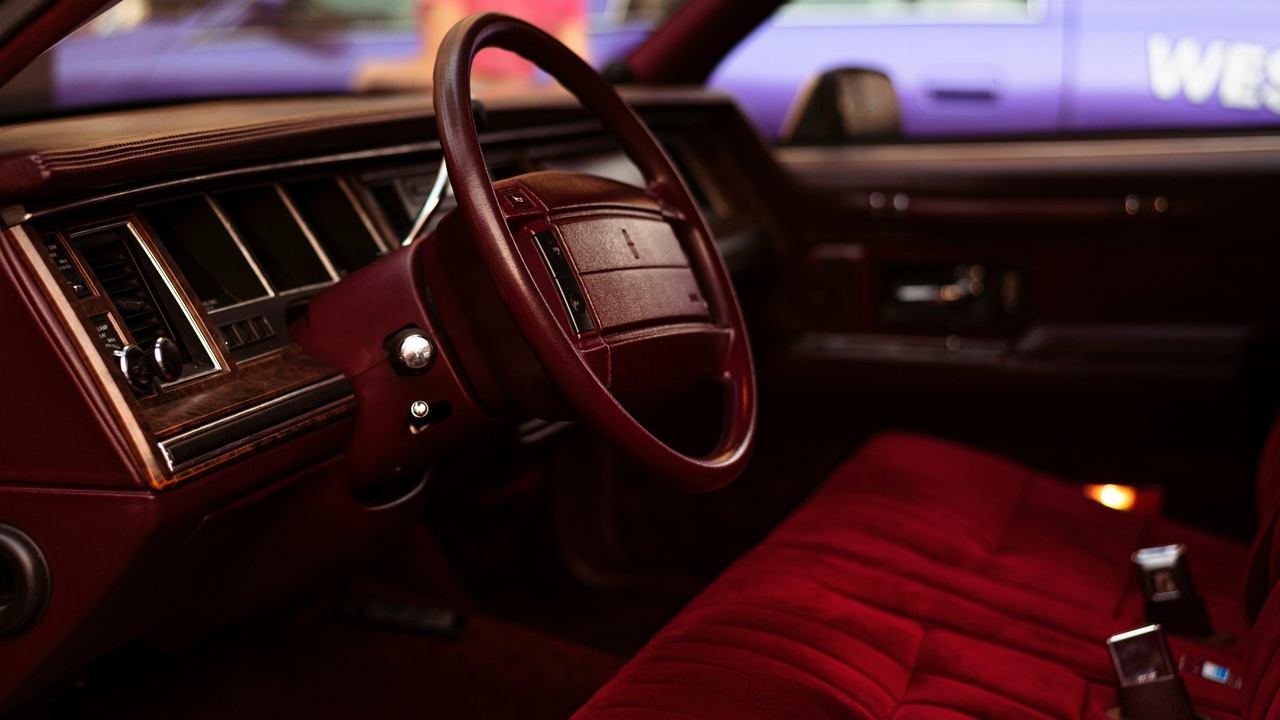
Older Lincolns often earn their reliable reputations through simpler mechanicals and conservative engineering. The Panther-based Town Car and similar platforms used easy-to-service V8s and body-on-frame construction, which helps them run for decades with routine care.
7. Lincoln Town Car — The benchmark for long-term durability
The Town Car is practically synonymous with longevity thanks to simple V8s and a body-on-frame platform. Production continued through 2011, and many well-maintained examples surpass 200,000 miles.
Mechanically conservative design, straightforward service procedures and plentiful parts (used and aftermarket) keep ownership costs manageable. These cars were purpose-built for livery and long-haul comfort, so heavy use was part of their design brief.
Real-world use: a 2007 Town Car kept in taxi or livery service commonly reaches 250,000+ miles with scheduled oil and transmission service being the primary upkeep. If you want the longest-lived Lincoln for low-tech, high-mileage use, Town Car examples remain hard to beat.
8. Lincoln LS — Sporty sedan with reliable V6/V8 options (buy carefully)
The Lincoln LS (1999–2006) is a sportier, driver-focused Lincoln that can be reliable when documentation is complete. It shipped with both V6 and V8 options and used fairly conventional mechanicals for its era.
Common buyer guidance: verify cooling-system history and timing-related maintenance on higher-mileage units. With documented service, LS examples often provide enthusiastic driving and long-term value at used-car prices.
Real-world use: an enthusiast seeking Lincoln comfort without modern complexity. A 2003 LS V8 with a clear maintenance record can still serve as a rewarding daily driver, provided a pre-purchase inspection focuses on head gaskets, cooling and suspension wear.
Summary
- Check model years and service history carefully; software and transmission updates matter for mid-2010s models.
- Classic Town Car examples (production through 2011) can exceed 200,000 miles with basic oil, cooling and transmission maintenance.
- Modern Aviator and Navigator generations offer strong powertrains and family-friendly durability when owners keep up with dealer software and scheduled service.
- Before buying, get a pre-purchase inspection: focus on electronics and infotainment for modern models, and cooling/oil history and suspension wear for older Lincolns; also consult J.D. Power or Consumer Reports model-year summaries.
- Next step: test-drive your shortlisted models and verify service records to confirm that maintenance history matches the vehicle’s reputation.