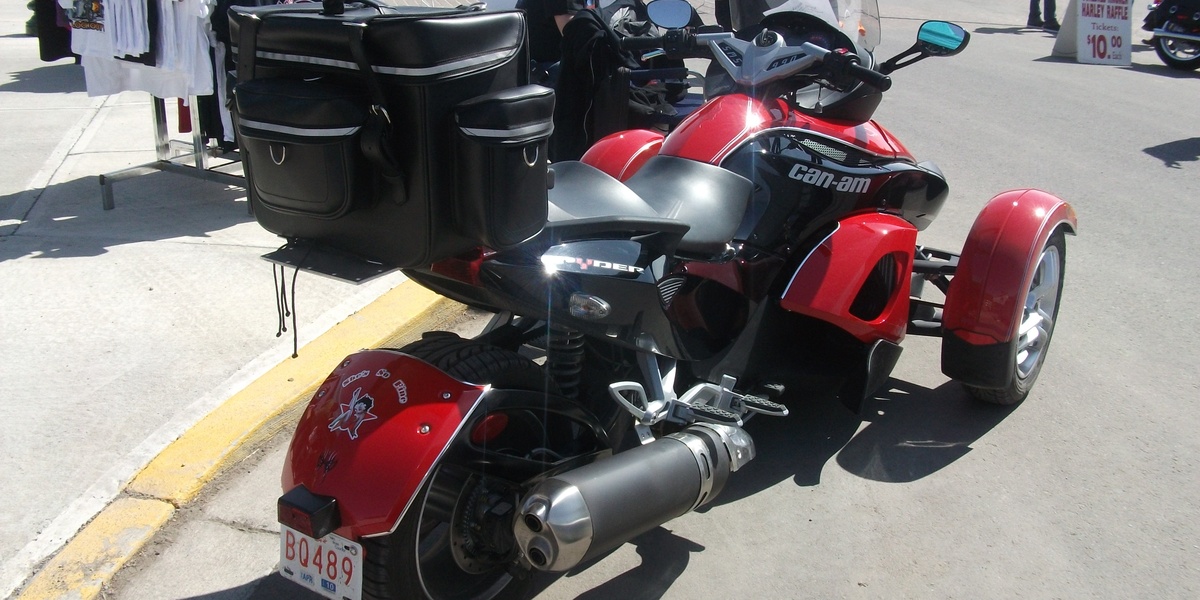
When BRP launched the Can‑Am Spyder in 2007 it challenged motorcycle design with a three‑wheeled layout many riders found more stable and forgiving than two‑wheelers.
Reliability matters even more on three‑wheel machines because mechanical failures affect safety, resale value, and warranty costs in ways that are different from a traditional bike. Riders want engines and drivetrains that run for years between major services and a dealer network that can actually supply parts.
This piece ranks five Can‑Am models chosen for proven engine platforms, ready parts availability, consistent owner reports, and straightforward maintenance profiles. Expect a focus on Rotax powertrains, belt‑drive simplicity, and which models deliver the best long‑term ownership value — from commuter Ryker to long‑haul Spyder RT.
Engineering & Powertrain: Why Rotax Matters
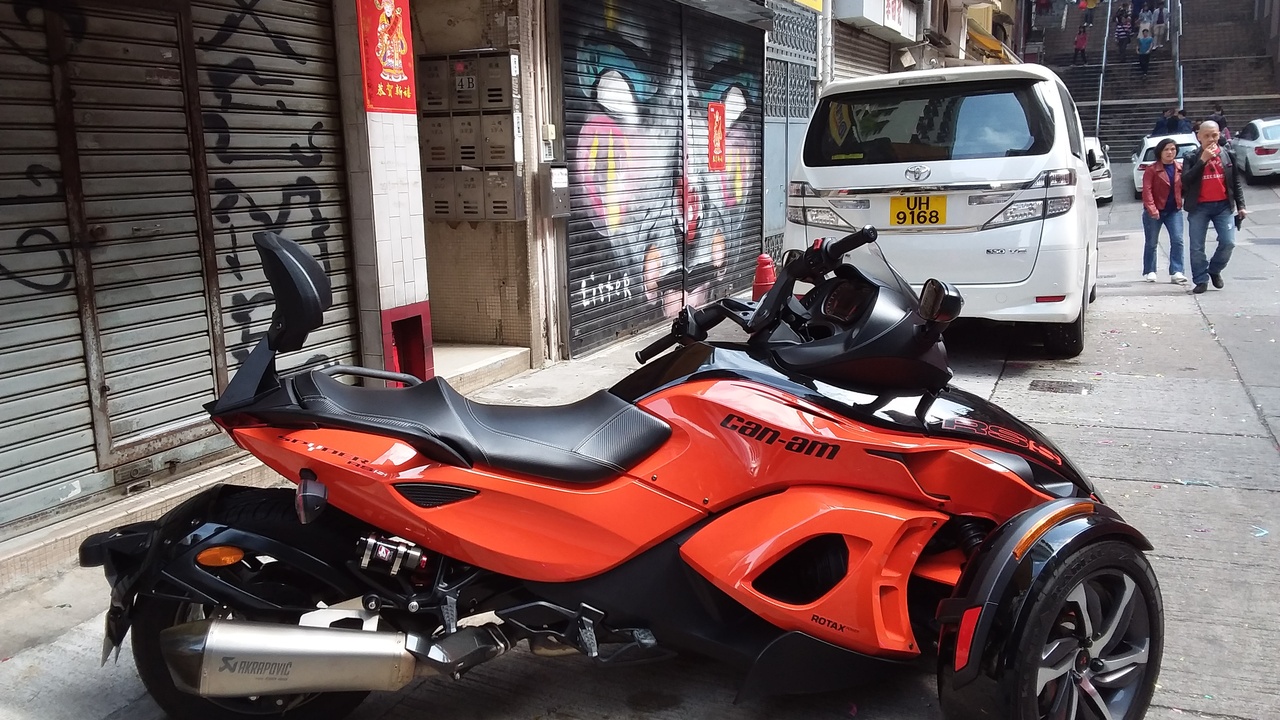
Most Can‑Am three‑wheelers use Rotax engines, and that commonality is a cornerstone of their reliability. Rotax families like the 900 ACE and the larger 1330 ACE share parts, calibration know‑how, and a global BRP service network that keeps downtime low.
The 1330 ACE (introduced into many Spyder models around 2016–2017) displaces roughly 1,330 cc and is tuned in various trims that typically produce in the neighborhood of 100–133 hp depending on the model and ECU mapping. The 900 ACE is a compact, efficient 900 cc unit found in entry‑level Rykers and some lighter Spyders.
Design choices that help longevity include liquid cooling for steady temperature control, simple overhead valve trains that are easy to service, and reliable belt‑drive final drives that remove chain adjustment and lubrication as regular chores. BRP’s parts network and standardized engine platforms also mean shops can fix a problem faster and with fewer special‑order parts.
Which models best showcase those engineering advantages? Read on — the next sections pick the five machines that combine Rotax reliability with practical, low‑hassle ownership.
1. Can‑Am Spyder F3 — Balanced chassis and proven Rotax performance
The Spyder F3 is widely regarded for a balance of sporty handling and a durable drivetrain. Produced since 2014, the F3 started with smaller Rotax mills and later gained the 1330 ACE upgrade in 2017+, which gave it stronger midrange and better highway manners.
Practical reliability points: the F3’s belt‑drive final drive eliminates chain wear and messy maintenance, and many owners report valve checks or major services around 7,500–10,000 miles depending on the service schedule. With routine care, F3s commonly reach 30,000+ miles.
Use cases include commuting, canyon rides, and light touring. Dealers typically offer extended‑warranty plans for additional peace of mind, and the chassis is forgiving enough that wear is incremental rather than abrupt.
2. Can‑Am Spyder RT — Touring durability and long‑haul reliability
The Spyder RT is BRP’s full‑dress touring offering, built to swallow miles with fewer headaches. From larger fairings that protect mechanicals to heavier suspension that soaks up freeway hours, the RT’s package reduces stress on components over long trips.
Recent RTs commonly use the 1330 ACE and pair it with cooling and transmission tuning for sustained highway speeds. Fuel tanks vary by year but typically sit in the ~5–6 gallon range, which, combined with fuel economy in the mid‑30s mpg for many setups, yields a touring range around 170–200 miles per fill (varies by load and riding style).
Touring owners value dealer coverage and parts access; clubs and long‑distance groups routinely report RTs logging 20,000+ miles per season during multi‑year campaigns with standard maintenance intervals.
Practical Reliability & Maintenance: Simplicity Wins

A machine that’s simple to maintain will usually be more reliable in day‑to‑day use. Shared parts across model years, predictable service intervals, and designs that reduce failure points keep ownership costs down and uptime high.
Typical maintenance items include oil changes every ~5,000–7,500 miles, belt inspections on the final drive, and periodic brake pad checks. Dealers and independent shops both understand Rotax platforms, so repair turnaround tends to be quick compared with more exotic or one‑off powerplants.
Entry‑level models with fewer accessories are often easier and cheaper to keep running, simply because there are fewer electronic modules and trim pieces to fail. That’s a big reason the Ryker is popular with new riders and budget‑minded buyers.
3. Can‑Am Ryker — Low‑cost, low‑maintenance entry‑level reliability
The Ryker was designed to be accessible. It typically uses the Rotax 900 ACE, a 900 cc engine that’s economical to service and well understood by BRP dealers and independent mechanics alike.
Fewer factory options and lighter weight mean fewer potential failure points and lower parts costs. Annual maintenance for a Ryker is generally cheaper than a fully dressed Spyder RT — many owners report lower routine bills and trouble‑free ownership for 3–5 years.
Typical use: urban commuting, weekend runs, and rider training. For those who want predictable upkeep without sacrificing the three‑wheel platform, the Ryker is a sensible, economical choice.
4. Can‑Am Spyder ST — Sport‑touring reliability with parts availability
The Spyder ST blends sporty intent with touring comfort and benefits from parts shared across the Spyder family. It was sold in the early‑to‑mid 2010s and borrows many serviceable components from RT and F3 models.
Aftermarket support and active owner forums (for example, the SpyderOwner communities) make troubleshooting straightforward and speed up DIY repairs. Common replacement parts like brake pads and drive belts are widely available, which keeps repair times short and costs reasonable.
Riders who want a sportier setup without sacrificing long‑term reliability find the ST’s parts pool and community resources a real advantage when it comes to maintenance and upgrades.
Ownership Value: Resale, Community Support, and Long‑Term Reliability
When searching for the most reliable Can‑Am motorcycles, resale prospects and strong owner networks play a big role. A healthy dealer network and active clubs reduce downtime and help owners find parts or advice quickly.
Depreciation varies, but a well‑maintained Spyder F3 or RT often trades in the range of roughly 50–60% of its original price after about five years in many markets; that figure shifts by region and trim. High‑mileage examples that show consistent service records still command solid prices because reliability is proven.
Clubs, regional groups, and online forums also extend the life of these machines by sharing service tips, recall information, and recommended shops — all practical boosts to long‑term ownership.
5. Can‑Am Spyder RS (and legacy Spyder variants) — A dependable legacy option
Early Spyder variants like the RS (part of the initial lineup around 2008–2013) remain dependable on the used market when buyers focus on documented maintenance. These machines use many of the same modular components found in later models.
Common long‑term checks for a used Spyder include service records, belt condition, ABS and electronics operation, and whether any recalls or technical service bulletins were addressed. Properly maintained RS/ST/RT examples are often seen with 40,000+ miles and continue to run well.
Pre‑purchase checklist (quick):
- Verify the service history and major interval work (valves, belts).
- Inspect drive belt for wear and correct tension; ask about replacement intervals.
- Test ABS and electronic aids on a short ride; look for warning lights.
- Check for corrosion or accident repairs on the frame and mounting points.
- Confirm dealer‑installed updates and recall repairs are documented.
- Ask for a compression or diagnostic readout if high miles are reported.
Summary
- Spyder RT: best for long‑distance touring and two‑up reliability; choose this if you want miles‑eating comfort.
- Spyder F3: a balanced pick for sporty riding with proven 1330 ACE performance and low‑maintenance belt drive.
- Ryker: the easiest and most affordable to maintain — ideal for commuting and new riders.
- ST and legacy RS models: good used bargains when they have clean service histories and recent belt work.
- Practical steps: check service records, join owner forums, and take a test ride before buying to confirm fit and condition.
- These selections represent the most reliable Can‑Am motorcycles overall, chosen for engine platform continuity, parts access, and owner‑reported longevity.