
Sustainability and corporate responsibility are reshaping the auto industry worldwide, from manufacturing plants to supply chains and the cars we drive. Consumers, regulators and investors are paying closer attention to labor practices, emissions and material sourcing.
There are 14 Most Ethical Car Companies, ranging from BMW Group to Volvo Cars. The data for each entry is organized with these columns: Common short company name (brand),Country,Headquarters country,Ethical score (0-100),Key ethical practices (max 15 words),Description (30-50 words); you’ll find below.
How are the ethical scores calculated?
Scores combine publicly reported metrics (emissions, worker safety, supply-chain audits), third-party ratings and transparency indicators; the methodology weights transparency and supply-chain practices more heavily and flags gaps where companies disclose limited data.
Can I rely on this list when choosing a car?
Use it as a starting point—ethical scores reflect corporate practices, not model-level reliability, cost, or service quality; check recent reports, vehicle emissions for specific models, and local dealer behavior to make a final buying decision.
Most Ethical Car Companies
| Company | Common short company name (brand) | Country | Headquarters country | Ethical score (0-100) | Key ethical practices (max 15 words) | Description (30-50 words) |
|---|---|---|---|---|---|---|
| BMW Group | BMW | Germany | Germany | 85 | CDP A-list disclosure, supplier audits, EV investment, strong governance | BMW scores well for transparent climate reporting, supplier standards, and EV investment. It balances strong governance and safety history with supply-chain complexity; BMW publishes detailed sustainability reports and invests in circular materials and low-emission manufacturing technologies. |
| Mercedes-Benz Group | Mercedes-Benz | Germany | Germany | 84 | Decarbonization targets, supplier code, battery recycling, safety focus | Mercedes-Benz has clear decarbonization targets, robust supplier codes, and growing battery recycling programs. The company reports comprehensively on emissions and governance while addressing historic diesel-era reputational issues through measurable EV and sustainability commitments. |
| Volvo Cars | Volvo | Sweden | Sweden | 88 | Full-electric roadmap, transparent supply-chain, strong safety and labor commitments | Volvo is notable for a firm electric transition plan, strong safety reputation, and transparent supplier policies. Independent recognitions cite robust governance and climate disclosure; Volvo emphasizes worker protections, lifecycle thinking, and measurable emissions reductions across operations. |
| Polestar | Polestar | Sweden | Sweden | 86 | Lifecycle assessments, supplier transparency, carbon-neutral model targets, EV-only | Polestar is an EV-focused brand with published lifecycle assessments and strong supplier transparency. It sets model-level carbon targets and pursues carbon-neutral goals. Independent audits and transparent reporting support its above-average sustainability credentials. |
| Toyota Motor Corporation | Toyota | Japan | Japan | 82 | Hybrid leadership, supplier code, strong governance, CDP reporting | Toyota combines hybrid leadership with increasing EV investments, established supplier codes, and steady governance. It receives positive disclosure grades and pursues emissions reductions, though critics note pace of full electrification versus peers. |
| Hyundai Motor Group | Hyundai | South Korea | South Korea | 80 | Aggressive EV targets, supplier audits, emissions reduction strategy | Hyundai has accelerated EV goals, robust supplier-audit programs, and strong emissions-reduction commitments. Third-party assessments highlight improved governance and transparency as the group invests in batteries, charging infrastructure, and circular-material initiatives. |
| Honda Motor Co. | Honda | Japan | Japan | 79 | EV strategy, supplier code, safety and employment standards | Honda shows above-average ethical performance through clear supplier standards, safety programs, and a growing electrification roadmap. It discloses climate data and pursues responsible sourcing, with ongoing efforts to strengthen battery and labor oversight. |
| Ford Motor Company | Ford | Ford | United States | 76 | EV investment, supplier responsibility program, diversity and governance focus | Ford has increased EV investments, operates formal supplier-responsibility programs, and publishes ESG reporting. It scores above average on disclosure and governance metrics while addressing legacy manufacturing and labor challenges through targeted policies. |
| General Motors | GM | United States | United States | 75 | EV commitments, supplier audits, battery recycling pilots, safety transparency | General Motors has firm EV commitments and public supplier-audit programs, with pilots for battery recycling and improved safety transparency. Independent ESG assessments cite progress on emissions and governance, balanced against ongoing supply-chain risks. |
| Stellantis | Stellantis | Netherlands | Netherlands | 74 | Group EV roadmap, supplier code of conduct, emissions targets | Stellantis maintains a comprehensive EV roadmap, formal supplier code, and group-level emissions targets. Third-party reviewers note improved disclosure and governance across many legacy brands, though integration across a broad portfolio remains a challenge. |
| Volkswagen Group | Volkswagen | Germany | Germany | 73 | Large EV investment, supply-chain due diligence, post-Dieselgate reforms | Volkswagen has committed major investments to electrification and strengthened supply-chain due diligence and governance after Dieselgate. While past controversies lower historical trust, current independent assessments recognize measurable reform and disclosure progress. |
| Renault Group | Renault | France | France | 77 | Circular economy focus, supplier audits, EV strategy, strong disclosure | Renault emphasizes circular-economy practices, publishes comprehensive sustainability reporting, and pursues an expanding EV lineup. It maintains supplier-audit processes and transparent climate disclosures that third-party ratings have recognized as above average. |
| Nissan Motor Co. | Nissan | Japan | Japan | 72 | EV plans, supplier standards, manufacturing emissions targets | Nissan provides clear EV plans, supplier standards, and manufacturing emissions targets, with improving ESG disclosures. Independent assessments place it above average for climate reporting and safety transparency, though it faces ongoing operational challenges. |
| Subaru Corporation | Subaru | Japan | Japan | 71 | Strong safety record, supplier codes, emissions reduction targets | Subaru is known for a solid safety record, formal supplier codes, and measurable emissions-reduction targets. Third-party reviews highlight steady governance and operational transparency, especially in safety and localized supply-chain oversight. |
Images and Descriptions

BMW Group
BMW scores well for transparent climate reporting, supplier standards, and EV investment. It balances strong governance and safety history with supply-chain complexity; BMW publishes detailed sustainability reports and invests in circular materials and low-emission manufacturing technologies.

Mercedes-Benz Group
Mercedes-Benz has clear decarbonization targets, robust supplier codes, and growing battery recycling programs. The company reports comprehensively on emissions and governance while addressing historic diesel-era reputational issues through measurable EV and sustainability commitments.

Volvo Cars
Volvo is notable for a firm electric transition plan, strong safety reputation, and transparent supplier policies. Independent recognitions cite robust governance and climate disclosure; Volvo emphasizes worker protections, lifecycle thinking, and measurable emissions reductions across operations.

Polestar
Polestar is an EV-focused brand with published lifecycle assessments and strong supplier transparency. It sets model-level carbon targets and pursues carbon-neutral goals. Independent audits and transparent reporting support its above-average sustainability credentials.
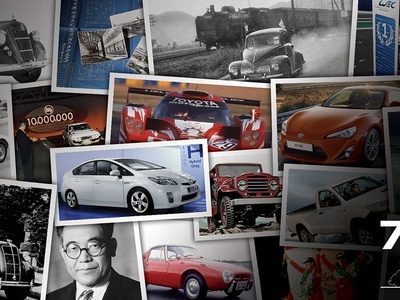
Toyota Motor Corporation
Toyota combines hybrid leadership with increasing EV investments, established supplier codes, and steady governance. It receives positive disclosure grades and pursues emissions reductions, though critics note pace of full electrification versus peers.

Hyundai Motor Group
Hyundai has accelerated EV goals, robust supplier-audit programs, and strong emissions-reduction commitments. Third-party assessments highlight improved governance and transparency as the group invests in batteries, charging infrastructure, and circular-material initiatives.

Honda Motor Co.
Honda shows above-average ethical performance through clear supplier standards, safety programs, and a growing electrification roadmap. It discloses climate data and pursues responsible sourcing, with ongoing efforts to strengthen battery and labor oversight.
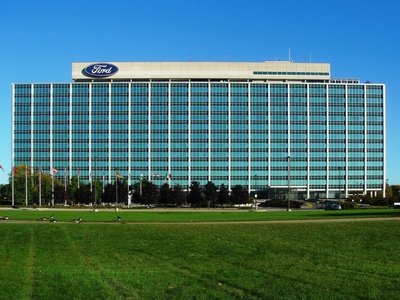
Ford Motor Company
Ford has increased EV investments, operates formal supplier-responsibility programs, and publishes ESG reporting. It scores above average on disclosure and governance metrics while addressing legacy manufacturing and labor challenges through targeted policies.

General Motors
General Motors has firm EV commitments and public supplier-audit programs, with pilots for battery recycling and improved safety transparency. Independent ESG assessments cite progress on emissions and governance, balanced against ongoing supply-chain risks.
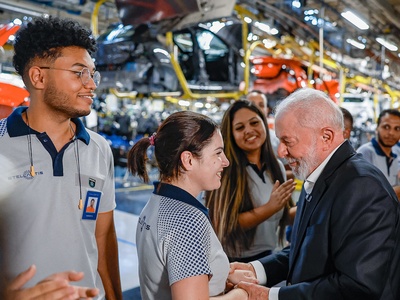
Stellantis
Stellantis maintains a comprehensive EV roadmap, formal supplier code, and group-level emissions targets. Third-party reviewers note improved disclosure and governance across many legacy brands, though integration across a broad portfolio remains a challenge.

Volkswagen Group
Volkswagen has committed major investments to electrification and strengthened supply-chain due diligence and governance after Dieselgate. While past controversies lower historical trust, current independent assessments recognize measurable reform and disclosure progress.

Renault Group
Renault emphasizes circular-economy practices, publishes comprehensive sustainability reporting, and pursues an expanding EV lineup. It maintains supplier-audit processes and transparent climate disclosures that third-party ratings have recognized as above average.
Nissan Motor Co.
Nissan provides clear EV plans, supplier standards, and manufacturing emissions targets, with improving ESG disclosures. Independent assessments place it above average for climate reporting and safety transparency, though it faces ongoing operational challenges.
Subaru Corporation
Subaru is known for a solid safety record, formal supplier codes, and measurable emissions-reduction targets. Third-party reviews highlight steady governance and operational transparency, especially in safety and localized supply-chain oversight.