Moped vs Scooter
Mopeds are often defined by a 50cc engine limit and a top speed around 45 km/h (about 28 mph) in many jurisdictions—a small technical difference that shapes ownership, cost, and daily use. That regulatory cutoff matters: it can change which license you need, what safety gear is recommended, and how a vehicle is taxed or insured.
For riders who spend most of their time inside dense neighborhoods, those technical limits translate into practical advantages. Small two-wheelers—50cc bikes and light urban mopeds—tend to cost less to buy and run, are easier to park and handle, and fit lifestyles built around short, frequent trips.
This piece lists seven numbered advantages grouped into three categories: economic/ownership, practical urban mobility, and environmental & lifestyle. Each point uses concrete numbers and real model examples so you can decide whether a compact moped is the smarter choice for your daily routine.
Economic and ownership advantages
This group covers upfront purchase price, ongoing operating expenses, and the typical insurance/registration burden. In many markets a new 50cc moped can start under $1,000, while annual running costs are often a fraction of larger scooters—numbers that matter for students, commuters, and budget buyers. Below are three concrete ways mopeds save money.
1. Lower purchase price
Mopeds typically cost less to buy than comparable scooters. Typical new 50cc moped MSRPs fall roughly in the $800–$3,000 range, whereas entry-level 125cc scooters commonly sit between $1,500 and $5,000.
The reasons are straightforward: smaller-displacement engines use fewer materials, simpler drivetrains and lighter frames reduce manufacturing cost, and many low-speed models omit heavier suspension and braking systems required for highway-capable machines. Regulatory equipment (larger lights, higher-spec brakes, or ABS) can also add price to bigger scooters.
Concrete examples include the Honda Metropolitan (50cc), which often lists under $2,500 MSRP, and affordable urban models like the Genuine Buddy or Piaggio Zip in their 50cc trims. By contrast, a Vespa Primavera 125 or many Yamaha 125 models typically command noticeably higher prices.
That lower entry price matters most to commuters, students, and anyone buying a second, low-cost vehicle for short trips—people who want mobility without a large one-time expense.
2. Lower operating and maintenance costs
Mopeds generally consume less fuel and cost less to maintain. A 50cc single-cylinder engine commonly returns very high fuel economy—for many models you can expect roughly 70–120 mpg (US), or about 3–1.9 L/100 km, depending on riding style and model.
Simpler mechanical systems—small carburetors or basic fuel-injection, light single-disc brakes, and modest suspension—mean replacement parts are cheaper and routine service takes less shop time. That reduces both parts and labour costs at each service interval.
To give a practical example: a 20-mile round-trip daily commute on a 50cc moped can cost roughly $30–$60 per month for fuel and basic servicing, versus perhaps $50–$120/month on a larger-engine scooter once you account for higher fuel use and slightly more frequent brake or tyre replacements. Electric 50cc-equivalent mopeds (brands such as NIU) can push operating costs even lower on a per-mile basis.
For riders who log short urban trips, those savings add up and make mopeds an economical daily option.
3. Lower insurance and registration burden
In many jurisdictions mopeds fall into lighter regulatory classes and attract lower insurance premiums and simpler registration rules. For example, the EU L1e moped class typically limits machines to around 45 km/h and no more than 4 kW of continuous power, which places them in a distinct, lower-cost category.
That classification often means smaller annual registration fees and cheaper liability insurance. Practical savings can vary widely—some owners see annual insurance drops of 30–60% compared with insuring a 125cc scooter—though specifics depend on your country or state.
Note that rules vary: some U.S. states still require a full motorcycle endorsement or motorcycle insurance for certain mopeds, so check your local DMV or transport authority. For many urban commuters, the paperwork and cost differences make a 50cc moped more attractive than a larger-engine option.
Practical urban mobility advantages
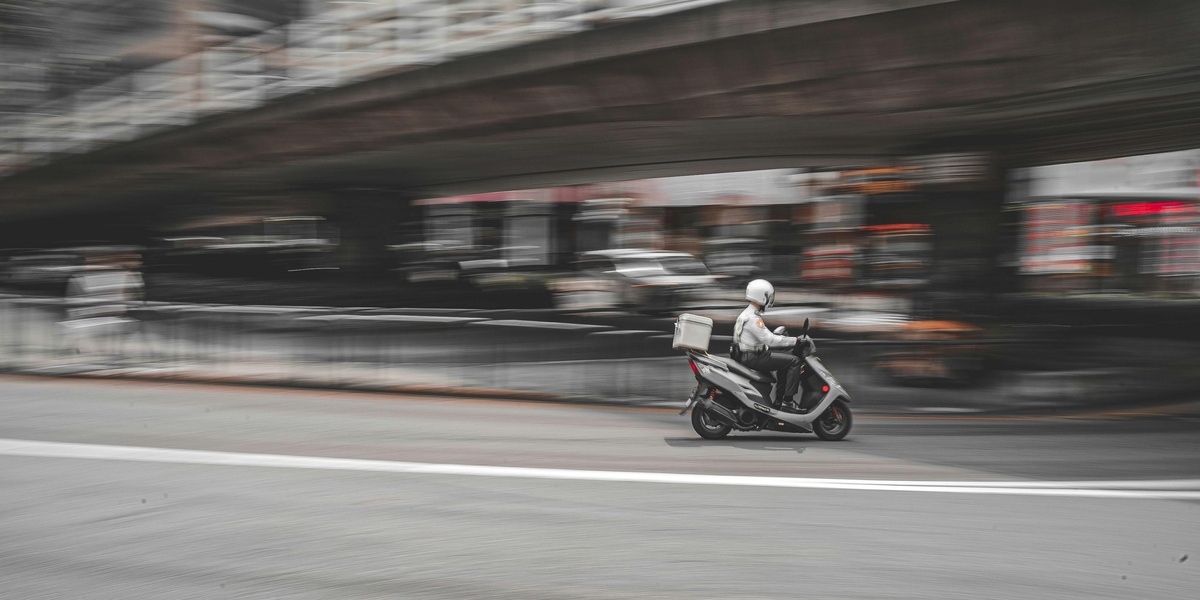
Mopeds shine in dense-city use: they are easier to park, simpler to maneuver at low speeds, and their modest performance reduces the temptation to push speeds in congested areas. The next two points explain how those traits help commuters, errand-runners, and city couriers.
4. Easier parking and superior maneuverability
Mopeds are narrower and lighter, which makes parking in tight spots and weaving through slow traffic easier. Typical dry weights for 50cc mopeds range about 80–120 kg, while larger scooters often weigh 110–160 kg—an important difference when pushing a stalled vehicle or parking in cramped spaces.
Dimensions also matter: a small 50cc urban bike often fits between parked cars or in a single parking space with room to spare, and is more comfortable to turn in alleys or on narrow residential streets. That footprint is why many delivery services in tight grids use models like the Genuine Buddy or Honda Ruckus.
Lower curb weight also reduces rider fatigue during repeated starts and stops, and makes lifting or maneuvering the bike at low speed less strenuous—useful for apartment dwellers or anyone who stores a vehicle in a compact space.
5. Simpler controls and rider-friendly performance
Many mopeds are built for ease of use: automatic CVT gearing, light steering, and modest power make them forgiving for new riders. Without a manual clutch to master, beginners can focus on balance and traffic awareness rather than gear shifts.
Smaller engines deliver gentler acceleration and a lower top speed—factors that reduce intimidation and the risk of getting into situations beyond a novice’s comfort zone. Lower seat heights and narrower seats also help shorter riders plant both feet on the ground at stops.
Models like the Honda Metropolitan exemplify this approach: a low seat height combined with an automatic transmission reduces the chance of stalling and shortens the learning curve compared with manual motorcycles. For short urban hops, that predictability and confidence-building design is a tangible safety and convenience benefit.
Environmental, legal, and lifestyle advantages
Mopeds can be greener, easier to legalize for low-speed use, and better aligned with lifestyles built around short, frequent trips. The following points cover emissions and electrification, and the social or practical fit for certain rider groups.
6. Smaller environmental footprint and electrification options
Smaller combustion engines consume less fuel: many 50cc machines use roughly 1.9–3 L/100 km (70–120 mpg US), which lowers CO2 per kilometer compared with larger scooters. For city driving with frequent stops, that improved efficiency reduces both fuel spend and tailpipe emissions.
Even more significant is the rise of electric mopeds. Brands such as NIU and systems like Gogoro’s battery-swapping have proven the model: e-mopeds cut local NOx and particulate emissions to zero at the tailpipe and offer lower per-mile energy costs—often just a few cents per mile depending on local electricity prices and battery range.
As an example calculation, if a typical electric moped consumes the equivalent of 50 Wh per kilometer and electricity costs $0.15/kWh, the energy cost is about $0.0075 per km (under $0.02 per mile), significantly cheaper than petrol even before maintenance savings. Shared or battery-swap deployments further ease ownership by removing charging constraints in dense areas.
7. Lifestyle fit: convenience for short trips and community integration
Mopeds match certain lifestyles particularly well: students, short-trip commuters, gig workers, and anyone prioritizing low-cost, convenient mobility. They are best when trips are frequent and short rather than long-distance or highway travel.
Everyday applications are simple: grocery runs, campus commutes, quick deliveries and errands across a neighborhood. In many cities, smaller, less flashy vehicles also attract less unwanted attention, and dense neighborhoods often develop a strong culture around compact two-wheelers.
For riders who value affordability, ease of parking, and straightforward operation over top speed and long-range capability, a moped—especially a 50cc or equivalent electric model—usually fits better than a larger scooter.
Summary
Small technical and regulatory differences—like the 50cc displacement cap and 45 km/h speed limit—create real-world advantages for many urban riders. Across purchase price, operating costs, maneuverability, and emissions, compact mopeds deliver clear benefits for short-trip, city-oriented use. Below are the key takeaways to help you decide which platform fits your needs.
- Lower upfront cost: many 50cc mopeds start around $800–$3,000 versus higher MSRPs for 125cc scooters.
- Cheaper to run: fuel economy often 70–120 mpg (3–1.9 L/100 km) and lower maintenance costs; electric options cut per-mile energy cost further.
- Easier parking and handling: typical curb weights 80–120 kg make urban maneuvering and tight parking simpler.
- Regulatory and insurance benefits: EU L1e classification (≤45 km/h, ≤4 kW) and lighter paperwork in many areas—check your local DMV or transport authority.
- Best lifestyle fit: ideal for students, short-trip commuters, and gig workers who prioritize convenience over highway speed.
Before buying, test-ride a 50cc moped and a 125cc scooter, and compare total cost of ownership plus local rules to see which aligns with your routine.