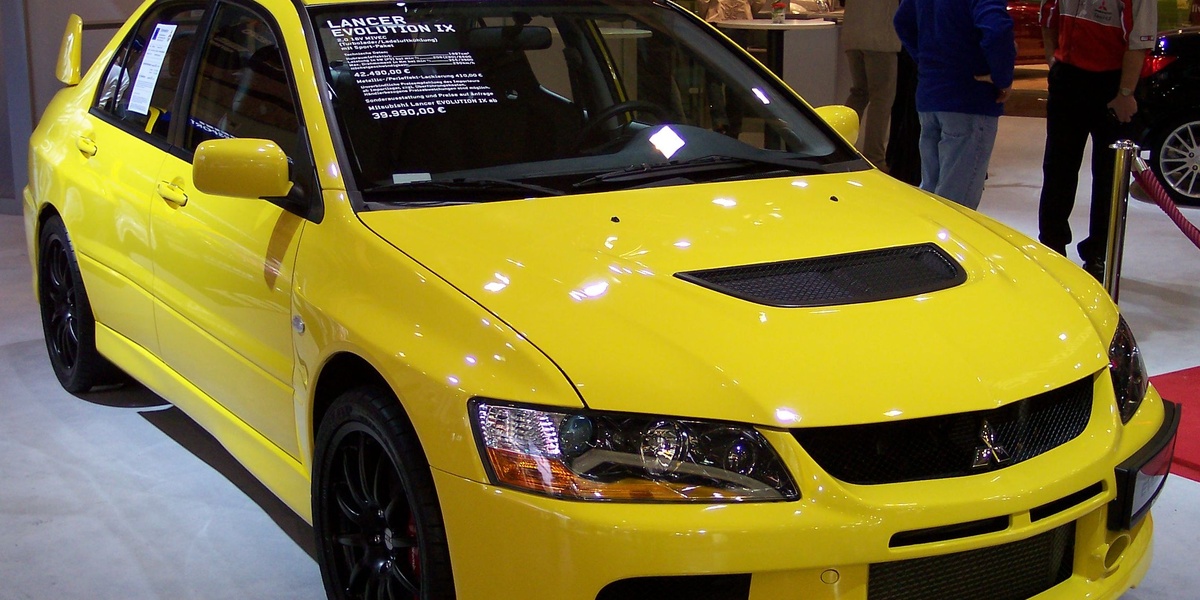
Japan’s car culture mixes everyday usability with a strong motorsport and tuning heritage, so lists of domestic-market models are a useful way to trace a maker’s evolution. Mitsubishi’s lineup spans compact city cars, rally-bred sportsters and early EV experiments, reflecting shifts in technology and buyer taste over decades.
There are 49 Mitsubishi JDM Cars, ranging from Airtrek Turbo-R,i / i-MiEV. Each entry is organized with Years (yr start–end),JDM-only,Engine & highlights (cc / kW), and you’ll find those details below.
Which models on this list were Japan-only releases and how is that shown?
The JDM-only column flags cars or specific trims that were sold exclusively in Japan, including market-specific body styles, special editions and equipment levels; use that column to distinguish models that never received an official export version or that differ notably from international siblings.
How should I read the Years and Engine columns to compare cars quickly?
Use Years (yr start–end) to see production span and generational placement, then match Engine & highlights (cc / kW) to compare displacement and power output—look for turbocharged, hybrid or electric notes (for example the i‑MiEV) to understand performance and technology differences at a glance.
Mitsubishi Jdm Cars
| Model | Years (yr start–end) | JDM-only | Engine & highlights (cc / kW) |
|---|---|---|---|
| Lancer Evolution I | 1992–1994 | Yes | 1,997 / 184 |
| Lancer Evolution II | 1994–1995 | Yes | 1,997 / 191 |
| Lancer Evolution III | 1995–1996 | Yes | 1,997 / 199 |
| Lancer Evolution IV | 1996–1998 | Yes | 1,997 / 206 |
| Lancer Evolution V | 1998–1999 | Yes | 1,997 / 206 |
| Lancer Evolution VI | 1999–2001 | Yes | 1,997 / 206 |
| Lancer Evolution VII | 2001–2003 | Yes | 1,997 / 206 |
| Lancer Evolution VIII | 2003–2005 | No | 1,997 / 206 |
| Lancer Evolution IX | 2005–2007 | No | 1,997 / 206 |
| Lancer Evolution X | 2007–2016 | No | 1,998 / 221 |
| FTO | 1994–2000 | Yes | 1,998 / 147 |
| GTO | 1990–2000 | No | 2,972 / 206 |
| Galant VR-4 (6th Gen) | 1987–1992 | No | 1,997 / 177 |
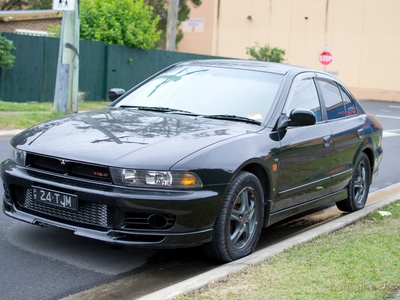
| Galant VR-4 (8th Gen) | 1996–2002 | No | 2,498 / 206 |
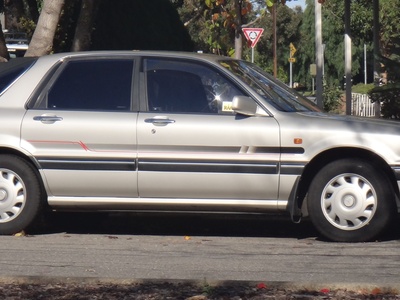
| Legnum VR-4 | 1996–2002 | Yes | 2,498 / 206 |
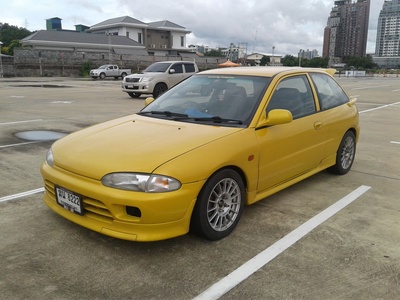
| Mirage Cyborg R | 1992–1995 | Yes | 1,597 / 129 |
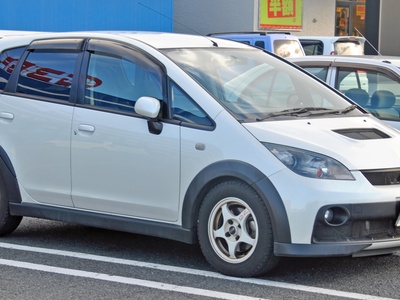
| Colt Ralliart Version-R | 2006–2012 | Yes | 1,468 / 120 |
| Starion | 1982–1989 | No | 1,997 / 147 |
| Airtrek Turbo-R | 2002–2005 | Yes | 1,997 / 177 |
| Pajero Mini | 1994–2012 | Yes | 659 / 47 |
| Pajero Jr. | 1995–1998 | Yes | 1,094 / 59 |
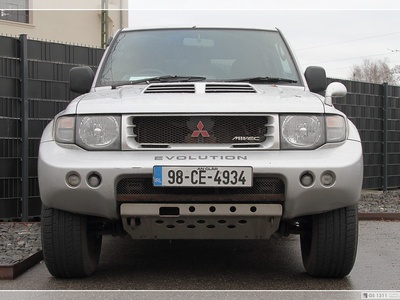
| Pajero Evolution | 1997–1999 | Yes | 3,497 / 206 |
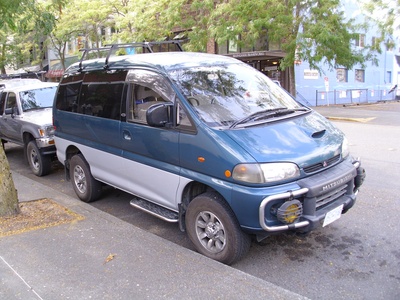
| Delica Space Gear | 1994–2007 | No | 2,972 / 136 |
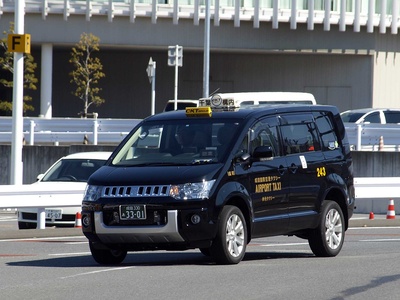
| Delica D:5 | 2007–Present | No | 2,360 / 125 |
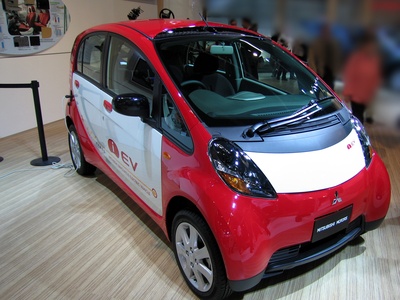
| i / i-MiEV | 2006–2021 | No | 659 / 47 |
| Minica Dangan ZZ | 1989–1993 | Yes | 548 / 47 |
| eK Sport | 2002–2006 | Yes | 659 / 47 |
| Toppo BJ | 1998–2004 | Yes | 659 / 47 |
| Pistachio | 1999–2000 | Yes | 1,094 / 54 |
| Diamante | 1990–2005 | No | 2,972 / 199 |
| Debonair | 1964–1999 | Yes | 3,497 / 191 |
| Proudia / Dignity | 1999–2001 | Yes | 4,498 / 206 |
| RVR (1st Gen) | 1991–1997 | No | 1,997 / 118 |
| Chariot Grandis | 1991–2003 | No | 2,972 / 158 |
| Lancer Cedia Wagon Ralliart | 2001–2003 | Yes | 1,834 / 121 |
| Minicab | 1966–Present | Yes | 659 / 37 |
| Town Box | 1999–2011 | Yes | 659 / 47 |
| Bravo | 1989–1999 | Yes | 659 / 38 |
| Eclipse | 1990–2005 | No | 1,997 / 162 |
| Challenger | 1996–2001 | Yes | 2,972 / 136 |
| Eterna Σ | 1988–1992 | Yes | 1,997 / 103 |
| Aspire | 1998–2003 | Yes | 1,834 / 103 |
| Galant GTO | 1970–1977 | Yes | 1,995 / 92 |
| Lancer 1600 GSR | 1973–1979 | Yes | 1,597 / 81 |
| Minica Skipper IV | 1972–1974 | Yes | 359 / 22 |
| Colt 800 | 1965–1969 | Yes | 843 / 33 |
| Jeep (Mitsubishi) | 1953–1998 | Yes | 2,659 / 77 |
| Strada | 1991–1999 | Yes | 2,476 / 69 |
| Libero GT | 1994–2000 | Yes | 1,834 / 158 |
Images and Descriptions
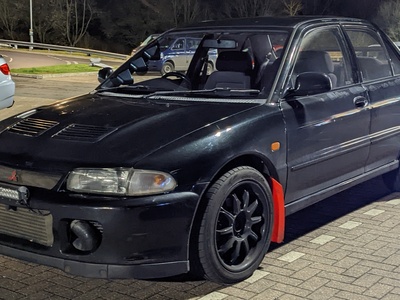
Lancer Evolution I
The original rally homologation special, combining the lightweight Lancer sedan with the Galant VR-4’s powerful 4G63T engine and AWD system, creating a legend.
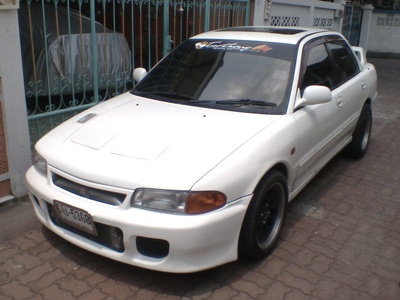
Lancer Evolution II
An evolution of the first model, featuring a longer wheelbase, wider track, and more power. This iteration further sharpened the Evo’s handling and rally-bred performance.
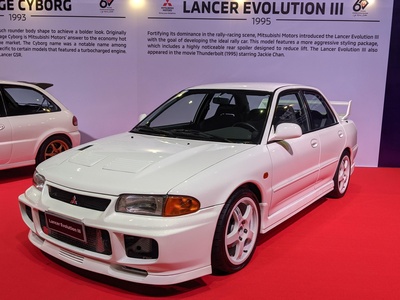
Lancer Evolution III
Known for its aggressive new aerodynamics, the Evo III received another power boost and refinements that helped it dominate the World Rally Championship.
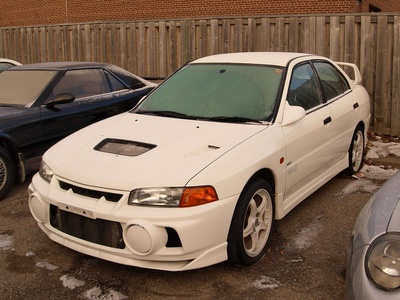
Lancer Evolution IV
Based on a new Lancer platform, this model introduced Active Yaw Control (AYC) for incredible cornering ability and a twin-scroll turbo for better response.
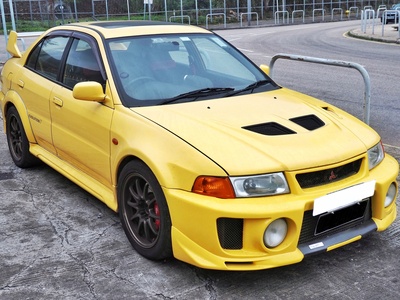
Lancer Evolution V
Featuring a wider body, adjustable rear wing, and upgraded Brembo brakes, the Evo V was a more muscular and track-focused machine, built to conquer tarmac and gravel.
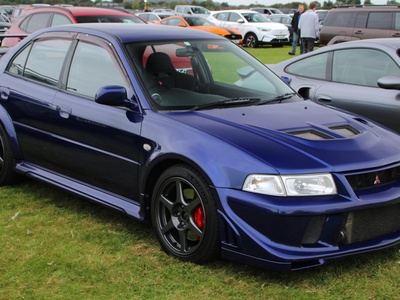
Lancer Evolution VI
Refined the Evo V formula with improved engine cooling and durability. The Tommi Mäkinen Edition is a highly sought-after, JDM-exclusive special version.
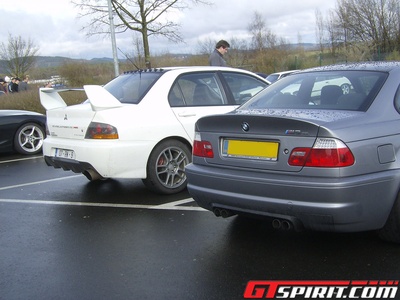
Lancer Evolution VII
Based on the larger Lancer Cedia platform, it introduced an Active Center Differential (ACD). It was also the first Evo to be offered with an automatic transmission (GT-A).
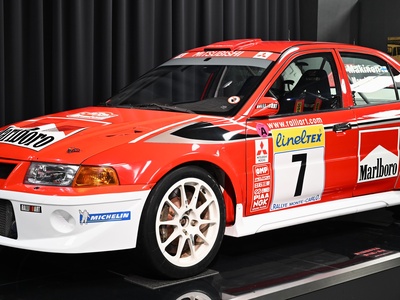
Lancer Evolution VIII
The first Evo officially sold in the US, but the JDM version retained exclusive features and tuning. It introduced the advanced Super AYC and a 6-speed manual gearbox.
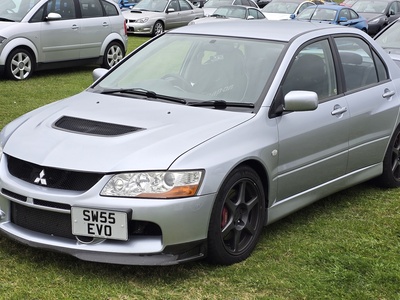
Lancer Evolution IX
This model introduced MIVEC variable valve timing to the 4G63T engine, improving response. The JDM lineup included a lightweight RS model and a comfortable GT.
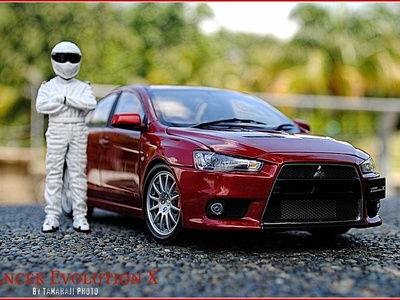
Lancer Evolution X
The final generation featured a new 4B11T aluminum block engine and a sophisticated dual-clutch SST transmission, though JDM purists often preferred the 5-speed manual GSR.
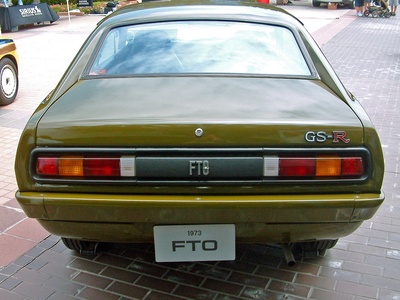
FTO
A front-wheel-drive sports coupe that won Japan Car of the Year. It was famed for its stylish looks and high-revving MIVEC V6 engine options.

GTO
Sold as the 3000GT overseas, this high-tech sports car featured a twin-turbo V6, AWD, four-wheel steering, and active aerodynamics in top JDM trims.
Galant VR-4 (6th Gen)
The original rally contender before the Lancer Evo. This understated sedan packed a turbocharged 4G63 engine and full-time 4WD, setting a performance template.
Galant VR-4 (8th Gen)
A sophisticated sports sedan with a 2.5L twin-turbo V6 engine, AYC, and advanced traction control. JDM models were the most powerful and feature-rich.
Legnum VR-4
The wagon version of the 8th gen Galant, exclusive to the Japanese market. It offered supercar-chasing performance in a practical and stylish estate body.
Mirage Cyborg R
A high-performance “hot hatch” variant of the Mirage. Its 1.6L MIVEC engine was one of the most powerful naturally aspirated engines of its size at the time.
Colt Ralliart Version-R
A potent hot hatch with a turbocharged 1.5L MIVEC engine. It featured a stiffened chassis with spot-welding for a raw, rally-inspired driving experience.
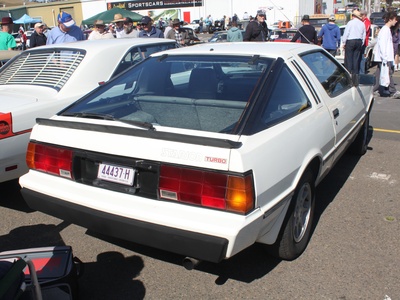
Starion
A rear-wheel-drive turbocharged sports car of the 80s. JDM models had unique engine options like the 2.0L Sirius DASH with three valves per cylinder.
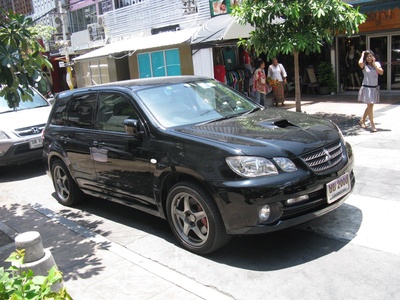
Airtrek Turbo-R
A crossover SUV with the heart of a Lancer Evolution. It used a detuned version of the Evo VII’s 4G63T engine and AWD system, creating a true “sleeper” performance car.
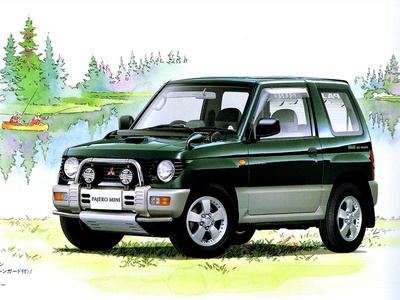
Pajero Mini
A kei-class version of the legendary Pajero SUV. It offered true 4×4 capability, including a low-range transfer case, in a tiny and maneuverable package.
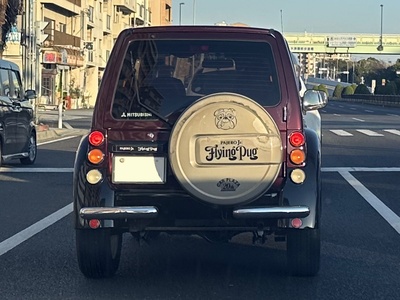
Pajero Jr.
A slightly larger, “white plate” version of the Pajero Mini with a bigger 1.1L engine and wider fenders. It bridged the gap between the kei-car and the full-size Pajero.
Pajero Evolution
A rare, wide-body homologation special built to compete in the Dakar Rally. This V6-powered “Paj-Evo” is one of the most capable and sought-after JDM off-roaders.
Delica Space Gear
A unique one-box van that combined the cabin space of an MPV with the tough, off-road-ready 4×4 chassis of the Mitsubishi Pajero. An icon of Japanese van life.
Delica D:5
The modern successor to the Space Gear, offering a more refined monocoque chassis but retaining its rugged image and capable AWD system, especially popular in Japan.
i / i-MiEV
A revolutionary rear-mid-engine kei car with a futuristic egg-like design. Its layout paved the way for the all-electric i-MiEV, one of the first mass-produced EVs.
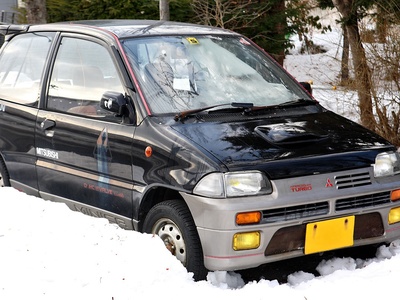
Minica Dangan ZZ
A ridiculously fast kei car for its time. It featured the world’s first production five-valve-per-cylinder engine, which was also turbocharged and intercooled.
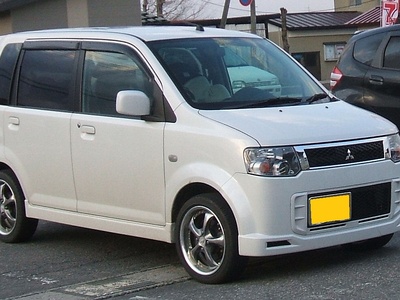
eK Sport
A sporty version of the popular eK Wagon kei car. It featured a turbocharged engine, stiffer suspension, and aggressive styling, making it a fun city runabout.
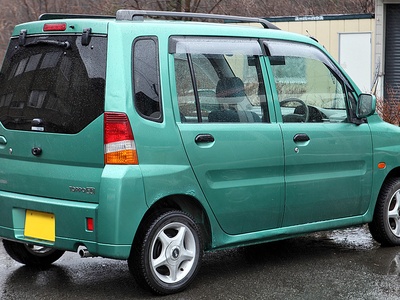
Toppo BJ
A “tall wagon” kei car known for its incredible interior height and practicality. The “BJ” stood for “Big Joy,” reflecting its spacious and versatile cabin design.
Pistachio
An ultra-rare, ultra-efficient three-door hatchback sold only to municipalities and corporations. It featured a direct-injection engine and was a pioneer of fuel-saving tech.
Diamante
Mitsubishi’s executive sedan, known in Japan for its advanced technology, including the world’s first GPS navigation and traction control systems on early models.
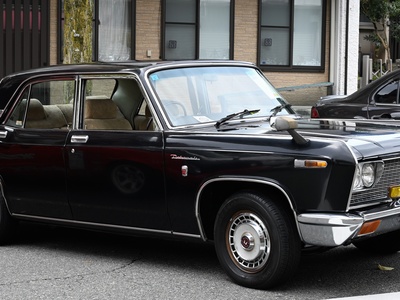
Debonair
Mitsubishi’s flagship luxury sedan for the Japanese market for over three decades. Later generations were packed with high-tech features to compete with other JDM luxury cars.
Proudia / Dignity
Mitsubishi’s short-lived challenge to the Toyota Century. The Proudia was the standard sedan, while the Dignity was a stretched limousine version, both featuring a V8 engine.
RVR (1st Gen)
A compact MPV with a unique sliding door on one side. The JDM “Hyper Sports Gear R” trim featured a 4G63T turbo engine and was a quirky performance model.
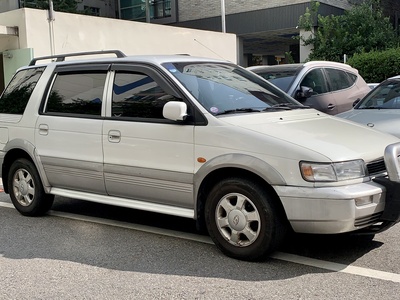
Chariot Grandis
Known as the Space Wagon in many markets, this was a popular and practical MPV in Japan. It offered flexible seating for up to seven passengers in a comfortable package.
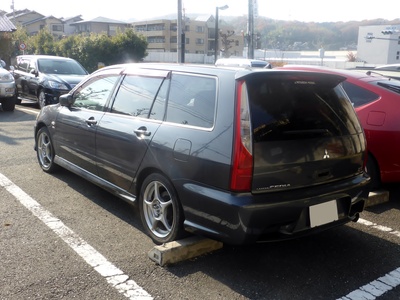
Lancer Cedia Wagon Ralliart
A sporty wagon based on the Lancer Cedia platform. It featured a 1.8L GDI turbo engine and AWD, effectively serving as a tamer, more practical “baby Evo” wagon.
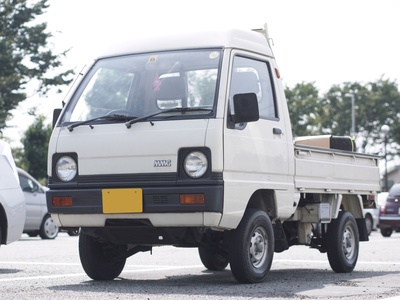
Minicab
A long-running line of kei-class trucks and microvans. A workhorse of Japanese small businesses, known for its reliability and incredible space efficiency.
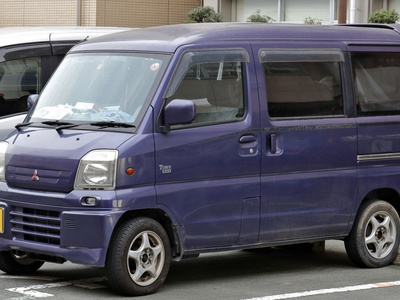
Town Box
A passenger-focused version of the Minicab van. This kei car offered a surprisingly spacious and comfortable interior for families, with a tall roof and flexible seating.
Bravo
A passenger microvan from the late bubble era, often featuring quirky options like a “Super Aero Roof” with multiple glass panels, making it a fun and distinctive kei van.
Eclipse
While primarily a US-market car, the 2G Eclipse was built and sold in Japan. JDM models featured unique trim levels and RHD configuration for the domestic market.
Challenger
The Japanese domestic market name for the SUV known globally as the Pajero Sport or Montero Sport. It was a rugged, truck-based SUV derived from the Strada pickup.
Eterna Σ
A stylish four-door hardtop sedan based on the Galant platform. It was sold through a specific dealer channel in Japan and offered a more premium, elegant alternative.
Aspire
The Japanese domestic market name for the sedan version of the 8th generation Galant, sold at the “Car Plaza” dealership network. It shared the same sharp, aggressive styling.
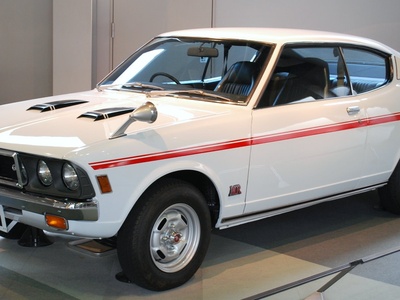
Galant GTO
A classic Japanese muscle car, this hardtop coupe was known for its “coke bottle” styling and powerful Saturn engines. It remains an icon of 70s JDM car culture.
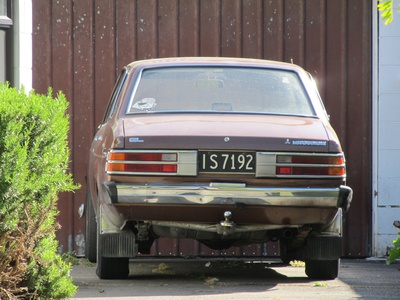
Lancer 1600 GSR
The original performance Lancer. This lightweight coupe dominated African safari rallies, earning a reputation for toughness and establishing Mitsubishi’s rally heritage.
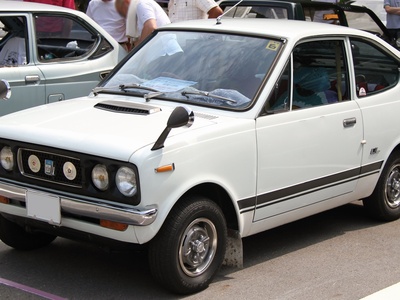
Minica Skipper IV
A stylish and sporty kei-class coupe based on the Minica. It featured a unique fastback design with a distinctive “reverse-raked” rear window.
Colt 800
One of Mitsubishi’s first fastback passenger cars. Its sleek design was advanced for its time and helped establish the Colt nameplate in the Japanese market.
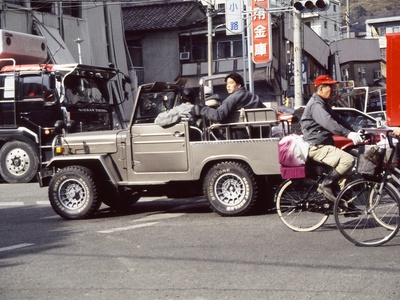
Jeep (Mitsubishi)
A licensed version of the Willys Jeep, built in Japan for decades. These JDM Jeeps were available in various body styles and with Mitsubishi diesel engines.
Strada
The JDM version of Mitsubishi’s compact pickup truck (L200/Triton elsewhere). It was sold as a recreational 4×4 double cab, appealing to Japan’s outdoor enthusiasts.
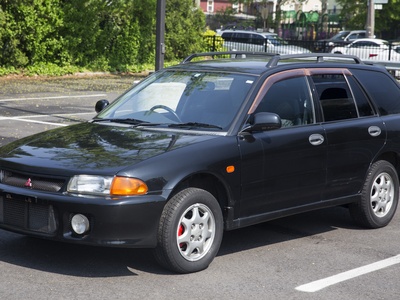
Libero GT
A performance station wagon based on the Mirage/Lancer. It was equipped with the 1.8L DOHC turbo engine and AWD from the Lancer GSR, creating a pocket rocket wagon.