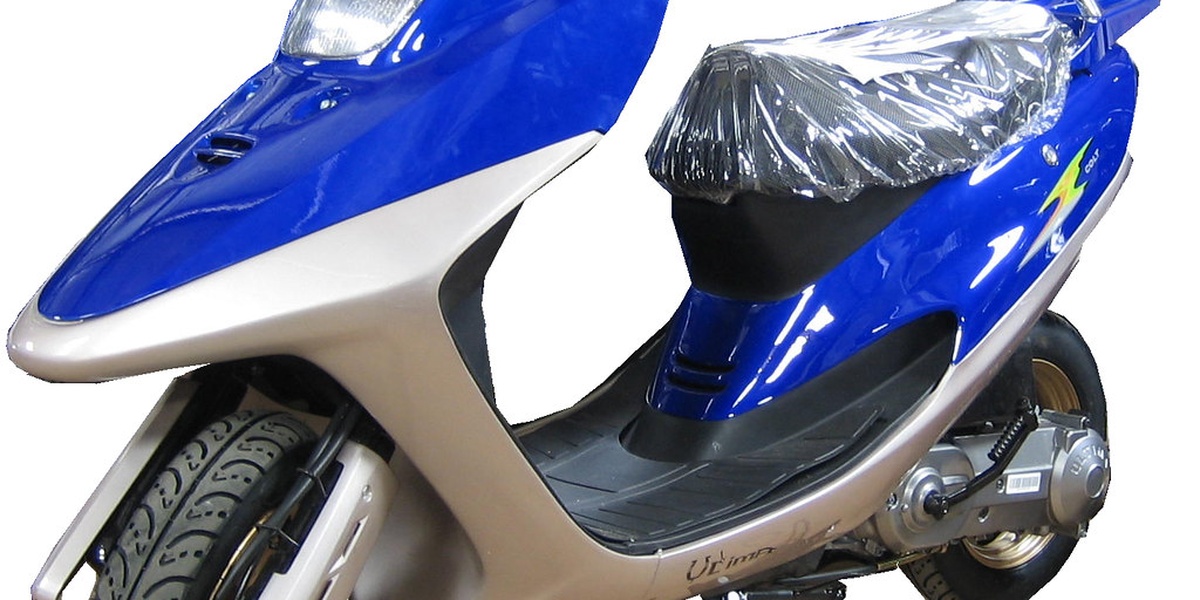
In 1946, the Vespa arrived in postwar Italy as a compact, affordable way to get around—sparking a global scooter culture that now ranges from tiny city runabouts to full-size maxi-scooters built for the highway.
Many shoppers use “scooter” as a catch‑all, yet size, power and capability vary a lot. A 50–125cc city scooter feels very different from a 300–400cc machine intended for sustained road speeds, and that difference matters for commuting, weekend trips and carrying a passenger.
For riders who want more power, comfort, storage and highway capability, maxi-scooter vs standard scooter is a practical question; this article lays out eight advantages grouped into Performance & Comfort, Safety & Stability, and Practicality & Ownership to help you decide.
Performance & Comfort Advantages
Engine, chassis and ergonomics shape how a scooter performs on real roads. Maxi-scooters routinely use larger displacements, bigger wheels and beefier suspension, and those specs translate into measurable gains for commuters and tourers.
Typical numbers: large scooters commonly start around 250–300cc and can go above 400–600cc, while standard city scooters usually sit in the 50–150cc band. Wheels jump from about 10–12 inches on small models to 13–15 inches on maxi machines, and suspension travel increases accordingly.
Concrete examples underline the point: the Yamaha XMAX 300 (292cc), Suzuki Burgman 400 (399cc) and Honda Forza 350 (≈330cc) offer highway-capable gearing, longer seats and suspension tuned for higher speeds—specs that matter on a 40–100 mile ride.
1. Larger engines for sustained highway cruising
Maxi-scooters commonly occupy a 250–650cc range versus 50–150cc for standard scooters, so top speeds and sustained cruising differ dramatically.
Where a 125cc machine might max out around 50–55 mph and struggle to hold highway speeds, a 300–400cc maxi will cruise comfortably at 60–80+ mph. The Yamaha XMAX 300 (292cc) is a practical example: it maintains motorway speeds with lower RPM, which cuts vibration and engine wear over long runs.
2. Superior suspension and wheel sizes for stability
Wheel size and suspension travel are simple, measurable differences: many maxi-scooters run 13–15″ wheels while smaller scooters use 10–12″ rims.
Larger wheels reduce tramlining, smooth out potholes and improve cornering stability at speed. Paired with stiffer forks and longer shock travel, heavier frames on models like the Burgman 400 help the bike feel planted on rougher roads.
3. More comfortable ergonomics for longer rides
Maxi-scooters are built with longer, wider saddles, more legroom and higher payload ratings to keep rider and passenger comfortable for hours.
The Suzuki Burgman line is famous for its big, contoured seats and integrated backrest; the Honda Forza adds an adjustable windshield and available heated grips. Those features reduce fatigue on commutes and make two-up touring realistic.
Safety & Stability Advantages
At higher speeds or with a passenger, safety hardware and a stable chassis become essential. Maxi-scooters tend to come standard with stronger brakes, ABS and chassis geometry that tolerates crosswinds and heavy loads.
Manufacturers have been adding electronic aids and beefier hardware for years, so many modern maxi models include dual front discs, ABS and sometimes traction control—real equipment that shortens stopping distances and improves control in wet conditions.
Examples like the Yamaha TMAX and BMW C 400 X show the feature set you can expect: larger rotors, linked brakes and rider modes that weren’t common on small scooters a decade ago.
4. Better braking systems and available safety tech
Many maxi-scooters offer dual front discs with rotor diameters often in the 260–320 mm range, plus two-channel ABS as standard on recent model lineups.
Since the mid‑2010s ABS has become widespread on larger scooters, and higher-end machines may add traction control or selectable riding modes. The practical result: shorter, more controlled stops and improved confidence on slippery surfaces.
5. Improved stability in crosswinds and at higher speeds
Curb weight and wheelbase matter. Typical maxi-scooter curb weights sit around 180–260 kg versus roughly 100–150 kg for many small scooters.
That extra mass plus a longer wheelbase reduces twitchiness, resists gusts and lowers the rider effort needed to hammer through highway lanes. For example, a Burgman 400 (around 214 kg wet) will feel steadier with two riders than a similarly sized Vespa that’s well under 140 kg.
Practicality & Ownership Advantages
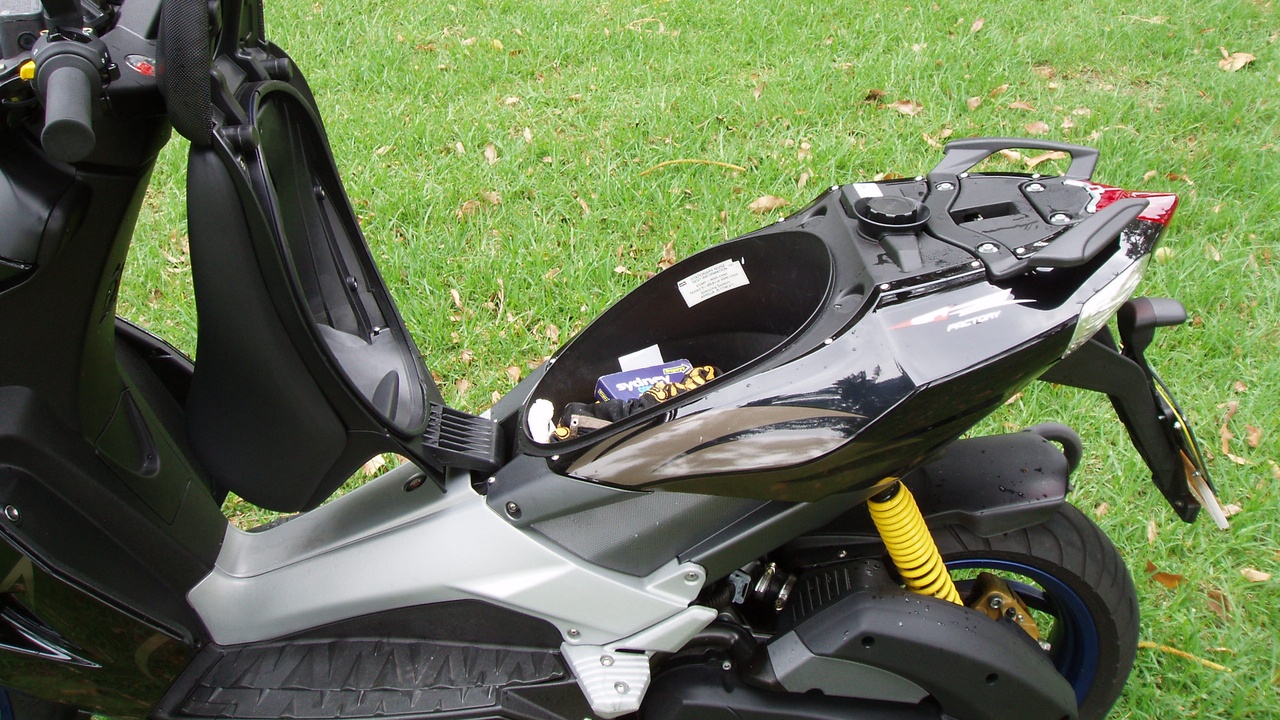
For daily commuting and light touring, practical metrics—storage liters, payload, fuel economy and price—often decide which scooter is the better investment.
Maxi-scooters typically deliver much larger under-seat capacity, higher carrying limits and features that reduce total ownership friction for riders who need to haul gear or a passenger regularly.
6. Larger storage and cargo capacity
Under-seat storage on many maxi-scooters ranges from about 40–60 liters—enough for two full-face helmets or a full-sized travel bag—whereas standard scooters commonly offer 20–30 liters.
The Burgman models are notable for cavernous compartments, and factory top boxes or side cases can push total cargo volume much higher, which is handy for grocery runs and commuting with a laptop bag.
7. Greater passenger comfort and carrying capacity
Maxi-scooters are built around two-up use: longer seats, passenger grab rails, dedicated footrests and stronger frames raise practical payloads.
Payload specs vary by model, but the combination of larger chassis and stronger brakes makes carrying a passenger commonplace rather than an occasional compromise—and that changes how you plan daily trips.
8. Better long-term value for commuters and tourers
Maxi-scooters cost more up front—expect MSRPs roughly $6,000–$12,000 compared with about $3,000–$5,000 for many standard scooters—but they can save time and reduce hassles if you regularly ride highways or carry cargo and a passenger.
Fuel economy trade-offs are smaller than you might think: small scooters commonly deliver 50–70 mpg, while maxi machines typically manage 40–60 mpg depending on load and riding style. Over years of commuting, the reduced travel time and lower engine strain can justify the higher initial price.
Summary
- Engine size matters: large-displacement scooters (250–650cc) cruise faster and with less vibration than 50–150cc city models.
- Comfort and stability: bigger wheels, better suspension and heavier curb weights improve control on highways and reduce rider fatigue.
- Storage and two-up capability: many maxi-scooters offer 40–60L under-seat space and clear passenger-focused features that make commuting practical.
- Safety hardware: dual discs, larger rotors and widespread ABS (plus optional traction control) give measurably better stopping and wet‑weather performance.
- Test-ride with purpose: try a 300–400cc maxi on a highway stretch and compare under-seat liters and payload specs against a standard scooter before you buy.