When the Ford Model T rolled off the line in 1908 it used a simple planetary gearset and a primitive form of gear selection that would eventually evolve into the modern manual gearbox—and later, the automatic transmission that transformed everyday driving.
Many buyers still pick a gearbox without fully weighing trade-offs, and that matters: transmission choice affects how a car feels, how much you pay to own it, and how easy it is to drive in daily traffic.
Choosing between a manual and an automatic transmission shapes driving feel, ownership costs, safety in traffic, and long-term value—this article lays out seven concrete benefits on both sides, with data, real-world examples, and practical takeaways to help you pick the gearbox that fits your life.
Performance and Driving Experience
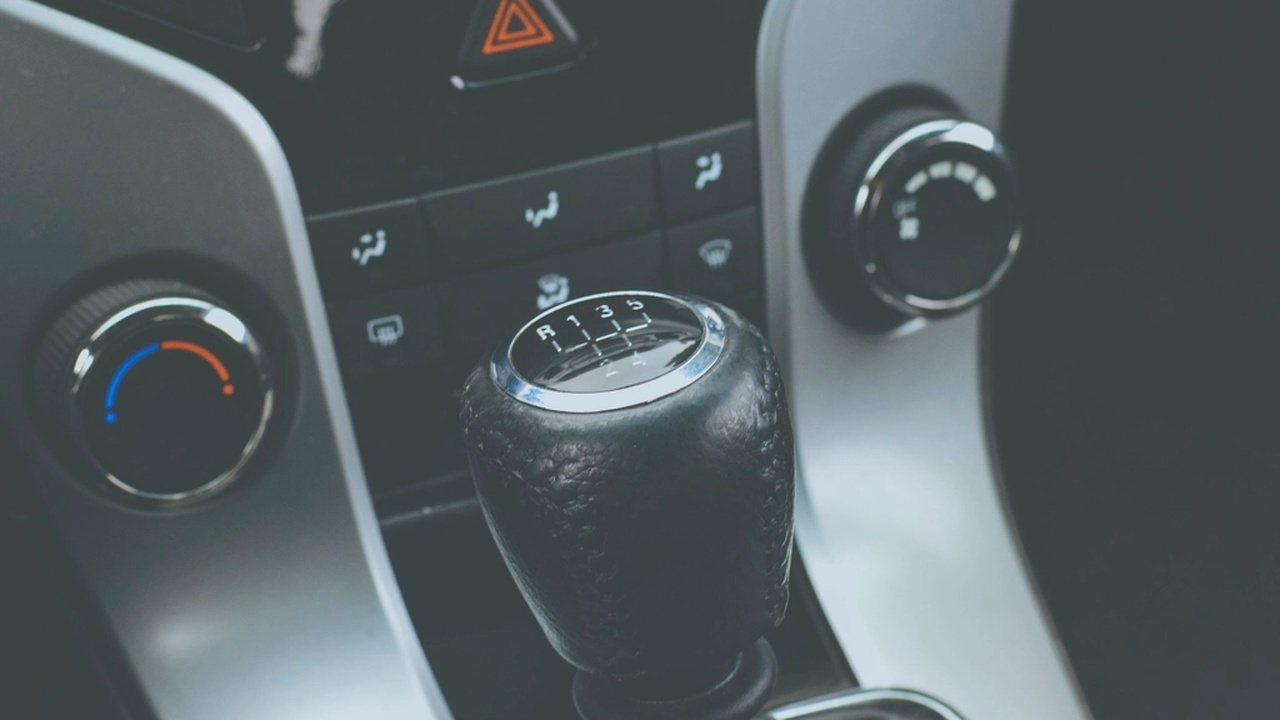
Whether you value connection or ultimate lap times, transmission choice matters. Manuals hand control to the driver, while modern automatics—especially dual-clutch and advanced torque-converter units—have narrowed and sometimes reversed the performance gap.
1. Greater driver control and engagement (Manual advantage)
Manual gearboxes give a direct mechanical link between your foot and the driveline, letting you choose the exact gear and engine speed for a situation.
Enthusiasts and many racers prefer that granular control: examples include Mazda MX-5 Miata owners who prize the stick shift for feel, and older Porsche 911 buyers who still option manuals for engagement rather than lap-time supremacy.
Context helps: by 2020 manuals represented under 5% of global new-car sales and under 1% in some markets, yet demand among hobbyists remains strong. Practical impacts include better engine braking, smoother downshifts when rev-matched, and fine control in low-traction situations.
Takeaway: drive a manual if you want hands-on control, enjoy learning clutch techniques, or frequently tackle spirited roads or old-school off-road routes.
2. Faster, more consistent shifts in modern automatics (Automatic advantage)
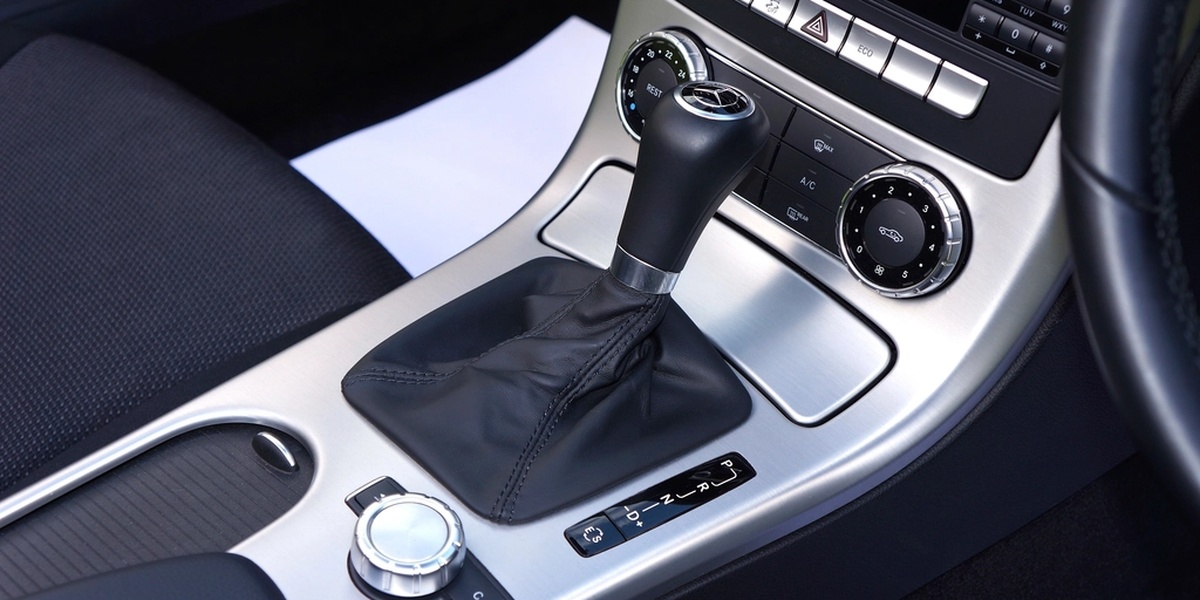
Many contemporary automatics now shift faster and with more repeatability than most humans can manage. Dual-clutch transmissions (DCTs) and some multi-speed torque-converter units routinely deliver sub-100-millisecond shift times.
Porsche’s PDK, Volkswagen/Audi DSG systems, and sport-focused DCTs on modern performance cars produce more consistent acceleration and better repeatable lap times than a typical driver can achieve with a manual.
That consistency matters on track and on the road: faster automated shifts mean quicker 0–60 runs, more confident passing maneuvers on highways, and less driveline shock during aggressive use.
Takeaway: choose an automatic gearbox if you want peak performance with minimal fuss or if repeatability and quick shifts are priorities for track days.
3. Skill development and mechanical empathy (Manual advantage)
Learning a stick shift teaches clutch modulation, rev-matching and heel-and-toe braking—skills that build situational awareness and vehicle control.
Driver-education and motorsport schools still teach these techniques (heel-and-toe, rev-matching) because they produce smoother, faster, and in some cases safer drivers in emergencies.
If you restore classics, enjoy vintage events, or simply value mechanical literacy, investing time to learn a manual pays off in confidence and competence behind the wheel.
Takeaway: learn a manual if you’re an enthusiast, own older vehicles, or want the kind of hands-on feel that automatic systems can’t replicate.
Cost, Maintenance, and Ownership
Beyond driving feel, transmissions influence purchase price, routine service, and repair bills over the life of the car. The broad rule: manuals are mechanically simpler; automatics are often more complex and costly to fix.
4. Lower purchase and repair costs (Manual advantage)
Manual-equipped models often have lower MSRPs, and the components themselves are simpler. A typical clutch replacement in many cars runs roughly $600–$1,500 depending on parts and labor.
By contrast, major automatic transmission repairs or rebuilds commonly range from about $2,500 up to $6,000 or more for complex, high‑end units. That gap reflects parts count, electronics, and specialized labor.
Historically, base trims of compact cars (older Toyota Corolla or Honda Civic manuals) saved buyers several hundred dollars versus automatic-equipped trims, though market offerings vary by region and year.
Takeaway: if minimizing upfront cost and keeping potential repair bills lower is a priority, a manual often makes sense.
5. Fuel economy trends: historical edge vs modern parity (Automatic advantage in many cases)
Manuals used to hold a steady fuel-economy advantage, but automated gearboxes have largely closed that gap. More gears, lock-up torque converters, refined shift logic, and CVTs have pushed automatics to equal or surpass manuals on EPA tests.
Today it’s common to see EPA ratings where the automatic or CVT matches or bests the manual by a margin of 0–10%, depending on drivetrain and driving cycle. Compact sedans and crossovers with CVTs often show city/highway gains versus their stick-shift counterparts.
For exact comparisons, check EPA or manufacturer figures for a specific model—don’t assume manuals save fuel by default when picking between manual vs automatic transmission options.
Takeaway: expect parity or slight advantage for modern automatics on fuel economy in many models; verify with EPA ratings for your target car.
6. Longevity and maintenance considerations (Trade-offs)
Longevity depends on use and service. Automatic transmission fluid (ATF) service intervals commonly range from about 30,000 to 60,000 miles depending on maker and driving conditions.
Clutch life varies widely with driving style—50,000–100,000 miles is common, but aggressive city driving or towing shortens that. Clutches wear with use; automatics can fail from internal wear or torque-converter problems, often at higher repair cost.
Premium brands (BMW, Mercedes) with complex automatics can incur expensive repairs and diagnostic bills, while a straightforward clutch job on an economy car tends to be less labor‑intensive and cheaper.
Takeaway: follow service schedules—ATF changes for automatics and sensible driving for clutch longevity—and budget accordingly based on the vehicle’s make and transmission type.
Safety, Practicality, and Resale
Daily practicality, crash-avoidance reactions, and the used-car market all respond to transmission choice. Automatics dominate mainstream markets, which affects convenience and resale liquidity.
7. Everyday practicality and market demand (Automatic advantage)
Automatics are simply more convenient for most drivers, especially in stop-and-go traffic where constant clutch work causes fatigue and distracts from the road.
Market share tells the story: in the U.S. and many other markets, manuals fell to under 1% of new-car sales by the late 2010s, so automatics offer better resale liquidity for mainstream models.
That said, manuals retain niche resale value among enthusiasts—Mazda MX‑5, Subaru BRZ/GR86, and certain Porsche models can command premiums or strong demand for well-equipped stick-shift examples.
Takeaway: choose an automatic for daily convenience and broader resale appeal; choose a manual if you’re targeting enthusiast resale or prioritize engagement over liquidity.
Summary
- Manuals deliver direct engagement, teach useful driving skills, and usually cost less to repair on basic failures.
- Modern automatics (DCTs, multi‑speed torque converters, CVTs) often shift faster, provide consistent performance, and frequently match or beat manuals on fuel economy.
- Maintenance trade-offs matter: expect clutch wear with manuals and ATF/service needs — but automatic rebuilds can be substantially more expensive when they occur.
- For daily commuting and resale ease pick an automatic; for hands-on driving, hobbyist use, or classic cars pick a manual.
- Practical next steps: test-drive both in real traffic, check EPA fuel numbers and service intervals for the exact model you’re considering, and weigh resale prospects in your local market.