When Mercedes-Benz introduced the S-Class in the early 1970s, it set a new benchmark for passenger comfort and safety that still influences car design today.
Many shoppers wonder whether the premium charged for high-end models actually delivers meaningful benefits over mainstream cars. The question is practical: are the extra dollars buying measurable gains, or mostly badges and trims? Typical starting prices help frame the trade-off—luxury models often begin around $50,000+, while mainstream sedans commonly fall in the $25,000–$35,000 range.
The short thesis: luxury vehicles deliver eight distinct advantages — performance, engineering refinement, NVH control, premium comfort, active safety systems, advanced infotainment, ownership perks, and resale/brand value — that many buyers find worth the higher cost. If you’re weighing luxury car vs standard car, these are the areas that most justify the price for discerning buyers.
Performance & Engineering Advantages
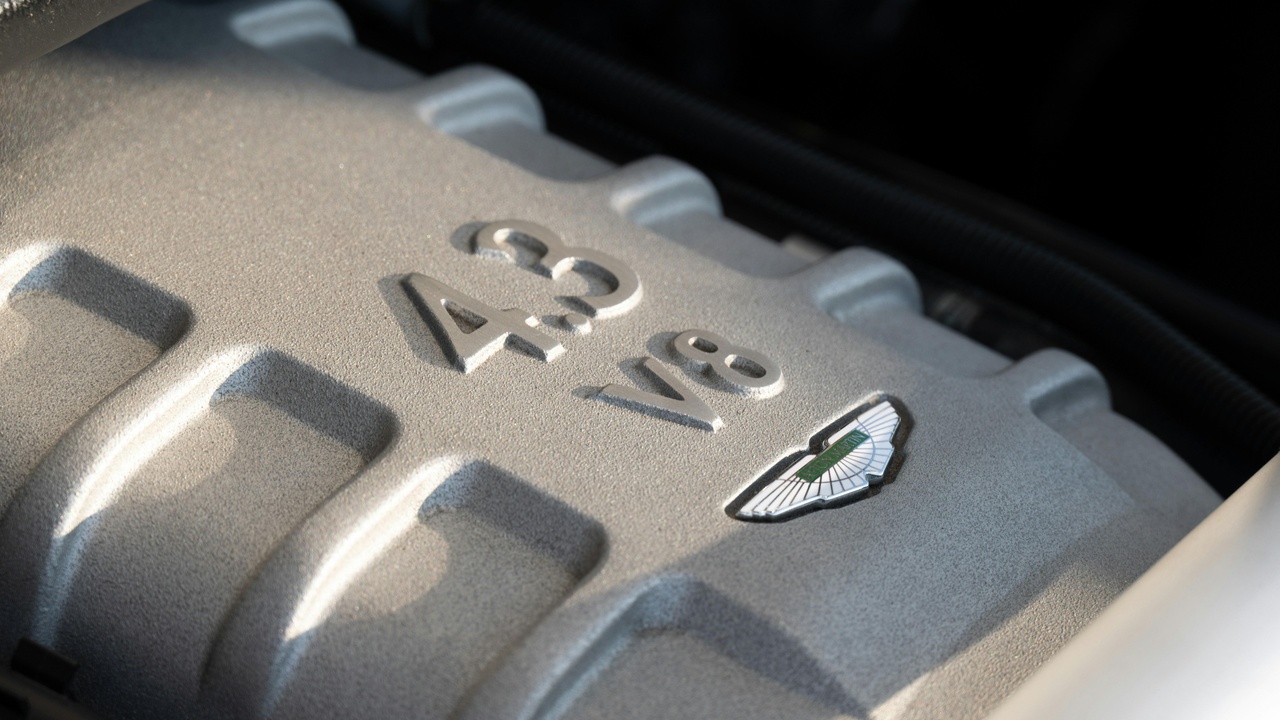
Premium engineering produces tangible driving benefits: stronger powertrains, more sophisticated chassis systems, and superior isolation from road and drivetrain disturbances. That engineering shows up not just on paper but in daily driving—quicker overtakes, steadier highway cruising, and a composed feel over rough pavement.
1. More Powerful, Refined Powertrains
Luxury brands invest in higher-output and better-tuned engines and electric powertrains. Many flagship sedans deliver 300–600+ hp, while mainstream sedans typically range 150–250 hp. The difference is obvious off the line and during passing maneuvers.
Electric luxury models push the envelope, too. The Tesla Model S Plaid, for example, is rated up to 1,020 hp and merges instant torque with high top-end performance. On the combustion side, Mercedes-AMG and BMW M engines offer more displacement, forced induction, and refined calibration versus common 4-cylinder options in mainstream rivals like the Toyota Camry (203–301 hp depending on engine) or Honda Accord.
The everyday payoff is quicker, more effortless acceleration, smoother shift behavior, and throttle mapping that prioritizes refinement as much as power. That makes highway merging and long-distance travel noticeably easier and less taxing.
2. Advanced Chassis and Ride Quality
Adaptive suspensions, multi-link geometries, and stronger braking systems make luxury cars feel more controlled and comfortable. Adaptive damping adjusts in milliseconds to changing road inputs so the car stays composed through corners and soaks bumps on long runs.
Brands use selectable drive modes and active stabilization to let owners tune the car for comfort or sport. Systems such as Mercedes’ AIRMATIC or E‑Active Body Control and BMW’s adaptive M suspension cut body roll and maintain composure on uneven surfaces, which improves both passenger comfort and driver confidence on twisty roads.
That engineering means fewer trade-offs: you can have a compliant ride for daily commuting and tight, communicative handling when you want it.
3. Superior NVH (Noise, Vibration, Harshness) Control
Quiet cabins are a hallmark of premium models. Manufacturers add multi-layer acoustic glass, extra insulation, precision engine and transmission mounts, and sometimes active noise cancellation to minimize intrusive sounds.
The immediate benefits are lower fatigue on long trips, clearer phone calls, and a stronger perception of build quality. For example, a 200‑mile highway run in a luxury sedan often feels less tiring than the same route in a standard midsize car because wind and road noise are reduced and vibrations are damped out.
Comfort, Safety & In-car Technology
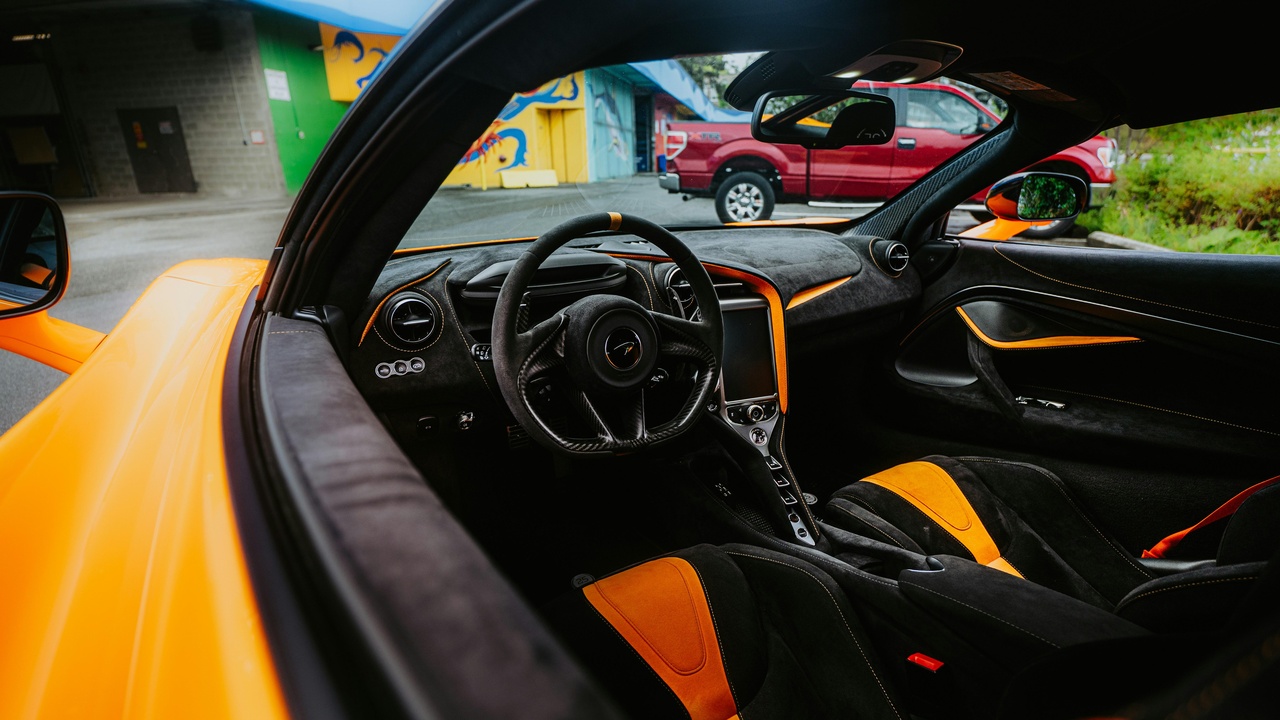
Comfort, safety, and technology are tightly linked in premium cars: better seats and materials reduce fatigue, richer sensor suites enable smarter driver assistance, and faster infotainment keeps systems current. The combination improves both day‑to‑day usability and long-term ownership satisfaction.
4. Premium Comfort and Materials
Luxury cabins use higher-grade materials and more ergonomic seat engineering: dense foam, genuine Nappa leather, hand-stitched trim, and refined switchgear. Seats often offer up to 20-way adjustment, memory presets, and multi-contour massage functions.
Climate control can be extremely granular—some systems provide 4–7 separate zones—so every passenger can dial in comfort. Little details like soft-close doors and refined tactile switches add to the overall feeling of quality and reduce annoyance during daily use.
The result is less fatigue on long drives and a more pleasant environment for passengers, which is especially noticeable on multi-hour trips or during stop-and-go commutes.
5. Advanced Active Safety Systems
Luxury manufacturers often introduce or refine safety tech that later becomes mainstream. These models typically carry more sensors, better redundancy, and more sophisticated software to support advanced driver assistance features.
Expect adaptive cruise control with smooth stop-and-go behavior, lane-centering assists, automatic emergency braking with pedestrian detection, and sometimes night-vision or head-up systems. Volvo’s safety innovations, Mercedes’ PRE‑SAFE suite, and Tesla’s evolving driver‑assist features illustrate how premium brands push safety forward.
Though no consumer car is fully autonomous, these systems reduce workload on long drives and can prevent or mitigate accidents, which contributes to both safety ratings and owner peace of mind.
6. Leading Infotainment and Connectivity
Luxury infotainment platforms typically use faster processors, larger displays, and support over‑the‑air updates, keeping features fresh without dealer visits. Screen sizes on flagship models can reach 15 inches or more.
Systems such as Mercedes MBUX, BMW iDrive, and Tesla’s central UX prioritize responsiveness and voice controls. Premium branded audio—Burmester, Bang & Olufsen, or Mark Levinson—turns the cabin into a high-quality listening space for music and podcasts.
Practically, that means smoother map updates, better integration with smartphones, and a richer in-car entertainment experience for families and commuters alike.
Ownership Experience & Long-term Value

Owning a luxury car often extends beyond the vehicle itself. Dealership service standards, warranty and maintenance programs, concierge services, and certified pre-owned channels all shape the long-term ownership experience and value retention.
7. Enhanced Ownership Perks and Services
Luxury brands frequently bundle services such as concierge assistance, loaner vehicles, pickup/drop-off servicing, and dedicated service centers. These perks save time for busy owners and raise the overall convenience of ownership.
Selected programs from certain manufacturers include complimentary maintenance for a set period, extended warranty options, and priority scheduling. Lexus, Mercedes, and BMW all offer concierge or premium service experiences at many dealerships, and loaner fleets are commonly available to minimize disruption during repairs.
For buyers who value time and low hassle, those services can be a decisive part of the premium purchase equation.
8. Brand Value and Resale Considerations
There’s a trade-off: higher sticker prices mean larger absolute depreciation dollars, but brand desirability and certified pre-owned demand can support resale value. Luxury starting prices typically sit at $50,000+, versus $25,000–$35,000 for many mainstream models, which changes the depreciation math.
Resale varies by model, mileage, and reputation. Lexus, for example, is often noted for strong retained value and reliability, while some European marques depreciate faster despite high initial costs. Certified Pre-Owned programs from Mercedes‑Benz, BMW, and Lexus help create a robust secondary market by offering extended warranties and inspected used cars.
Practical advice: if resale matters, prioritize models with strong CPO demand, keep meticulous service records, and consider certified pre-owned purchases to reduce early depreciation risk.
Summary
Luxury cars offer distinct, measurable advantages across performance, comfort, safety, technology, and ownership — but they cost more, and the decision depends on which benefits you value most.
- Performance: Premium powertrains and chassis systems deliver quicker acceleration and more composed handling than most mainstream rivals.
- Comfort & tech: Better seats, quieter cabins, advanced infotainment, and multi-zone climate systems improve daily comfort and usability.
- Safety & convenience: Luxury models often debut advanced active-safety features and provide concierge and service perks that save time.
- Resale strategy: Higher sticker prices mean larger depreciation in dollars, but strong CPO programs and brand reputation (for example, Lexus) can support resale value.
- Next steps: Test-drive a luxury midsize sedan and a mainstream rival back-to-back, check certified pre-owned options and dealer service offerings, and compare total cost of ownership over 3–5 years before deciding.