A 2015 owner survey by Consumer Reports found that some subcompact models experienced repair frequencies up to 40% higher than the small‑car average. Short trips, heavy city use and tight budgets make reliability more than a convenience for mini cars. Some small models trade size and affordability for durability, and this piece identifies seven compact models with weak records so you know what to avoid—or what to buy only with caution.
We group the list into three practical categories so you can target the risks that matter most: mechanical failures, electronic and safety faults, and long‑term ownership costs. Use it for both new‑car and used‑car shopping: check recalls, inspect service records, and plan for sensible coverage.
Mechanical failures and chronic engine/transmission issues
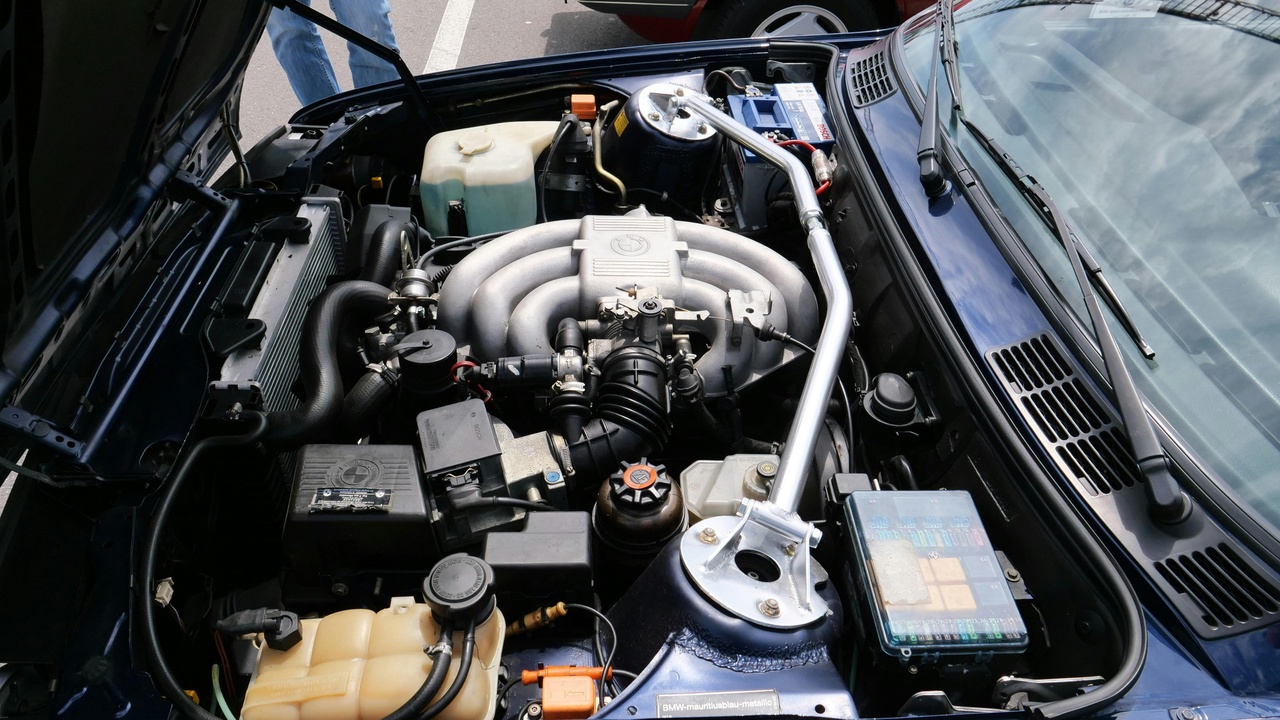
Mechanical durability matters more in small cars because repair bills can easily exceed a low resale value, and commuters depend on these cars daily. Engines, timing chains and transmissions that fail repeatedly create downtime and safety concerns. Below are three minis with documented mechanical clusters, including recall or service‑bulletin dates and typical repair‑cost ranges.
1. Fiat 500 — frequent transmission and electrical complaints in multiple model years
Certain Fiat 500 model years showed a clear pattern of transmission and electrical complaints, particularly in early‑2010s examples. Owners’ surveys and NHTSA complaint logs from roughly 2012–2015 highlighted shifting transmission problems and intermittent electrical faults that could leave drivers stranded.
Real‑world effects include repeated trips to the dealer, degraded resale values and occasional tow bills. Typical repair ballparks: control‑module or wiring repairs commonly run several hundred dollars, while clutch or transmission work can push into the low thousands (think $1,000–$2,500 depending on labor rates and whether the dual‑mass flywheel or gearbox needs work).
If you’re looking at a used 500, focus on model‑year service records, verified recall fixes and consider an extended powertrain warranty or avoiding cars without a full service history.
2. Smart ForTwo (early generations) — gearbox and build-quality issues
The first and second generations of the Smart ForTwo (roughly 2008–2014 in many markets) drew repeated gearbox complaints and occasional body‑fitment or corrosion issues. Compact packaging and heavy city duty exacerbated wear on the transmission and related components.
City drivers report slipping, rough shifts and electronic gremlins that make stop‑and‑go driving frustrating. Gearbox repairs or replacements range widely; expect $1,200–$3,000 at a dealer, with lower costs at experienced independent shops when parts are available.
Later generations improved many of these faults, so favor newer revisions with documented updates and a clean service history if you want a ForTwo for urban use.
3. Mini Cooper (certain R56-era models) — timing chain and turbocharger reliability problems
Many R56‑era Mini Coopers (the late 2000s into the early 2010s) developed timing‑chain stretch and turbocharger complaints, especially on early turbocharged engines. Owners reported rattling at cold start, recurring check‑engine lights and, in some cases, catastrophic failure if the chain condition was ignored.
Repair costs are significant: timing‑chain service and associated head‑work can cost $2,500–$4,000 depending on shop and parts sourcing, while turbo repairs vary from $1,000 for a rebuild to dealer prices far higher. Check for Technical Service Bulletins and any recall work tied to timing components or the valvetronic/timing systems.
When buying used, insist on a full oil‑change history, records showing timing‑chain attention (or replacement), and consider extended coverage for the powertrain on susceptible model years.
Electrical, infotainment and safety-system failures
Modern small cars pack more electronics into a tiny cabin, and cost‑cutting on modules or harnesses can create a higher share of electrical faults. Infotainment failures, faulty ECUs and airbag‑related recalls are common complaints that can persist beyond warranty.
Electronics are expensive to diagnose and fix, and safety‑system failures are non‑negotiable; always check NHTSA recall histories and complaint counts for the exact VIN before buying.
4. Chevrolet Spark (electrical gremlins and airbag-related recalls in some years)
Certain Spark model years recorded clusters of electrical complaints alongside airbag or sensor recalls. NHTSA records and dealer recall notices from the mid‑2010s show safety‑related campaigns that sometimes required module replacement.
Consequences range from intermittent stalling, dead displays and HVAC failures to airbags being temporarily disabled until a recall repair is completed. Module replacements and airbag component work can be several hundred to more than a thousand dollars depending on whether an entire module or wiring harness is involved.
Before you buy, run a VIN recall check, confirm any open campaigns are fixed, and ask for documentation showing dealer repair completion.
5. Renault Twingo and similar European minis — infotainment and sensor reliability issues
Some European minis, Twingo included, have had recurring infotainment glitches, sensor failures and ECU updates that interfere with HVAC, cameras and engine management. Owner forums and manufacturer service bulletins often list these as common complaints for certain years.
Symptoms include frozen touchscreens, false parking‑sensor alerts and sensor‑triggered limp mode. Replacing infotainment modules or sensors can be costly and subject to parts lead times—expect €300–€1,200 for module work in many markets.
If you live outside a major Renault service hub, insist on a full diagnostic and check whether any module replacements were done under recall or warranty.
High ownership costs, rapid depreciation and poor long-term durability
A low sticker price can mask high lifetime expense: rapid depreciation, frequent repairs and short component life make total cost of ownership surprisingly large for some minis. Studies and market data often show cheap subcompacts losing 40–50% of value in five years, which turns a single expensive repair into an economic write‑off.
Below are two models where long‑term costs and service availability amplify reliability complaints; each entry ends with actionable buying guidance.
6. Mitsubishi Mirage — low upfront cost but questionable long-term durability
The Mirage sells on price and fuel economy, but long‑term owners commonly report noisy components, faster wear on suspension bushings and trim rattles that become persistent annoyances. Reliability surveys and resale data show steep depreciation that offsets the low purchase cost.
Quantitatively, low‑cost minis can lose around 40%–50% of value in five years in some markets (source: market comparison data from KBB/Average trade values), while annual unscheduled repair costs for aging low‑end subcompacts often creep into the several‑hundred‑dollars range per year beyond routine maintenance.
Mirage works well as a short‑term city runabout, but for longer ownership consider certified pre‑owned models, an extended powertrain warranty or budgeting for out‑of‑warranty repairs.
7. Nissan Micra / other small models with patchy service networks — maintenance gaps increase failure risk
Some small models—Nissan Micra among them in certain regions—suffer less from a specific mechanical defect and more from thin dealer coverage and scarce parts. That lack of local support turns minor faults into multi‑week headaches when parts must come from abroad.
Examples include parts lead times stretching to several weeks during recall backlogs or for less common model years. Long waits increase labor costs and the risk of temporary fixes that mask larger problems.
Buyer tip: check local dealer inventories, ask about typical parts lead times for the exact VIN and confirm that warranty or recall work can be completed locally within a reasonable window.
Summary
- Run a VIN recall check and verify completed repairs before you buy any small car; safety‑system campaigns matter more than cosmetics.
- Prioritize mechanical soundness—engines, timing chains and transmissions—over headline fuel economy; repairs can exceed a cheap car’s value.
- Consider total cost of ownership: depreciation, parts lead times and service network density often determine whether a mini is economical long term.
- Use this list when vetting least reliable mini cars: demand full service histories, pre‑purchase inspections and, when possible, extended coverage for known weak areas.
- Consult authoritative ratings (Consumer Reports, J.D. Power, NHTSA) and local dealer experiences before signing—small differences in support and recall handling make a big difference.