The 8 least reliable alfa romeo cars
In the 1990s and 2000s Alfa Romeo earned a reputation for passionate design paired with quirky, often fragile engineering—cars that inspired devotion and, just as often, long evenings in the garage.
Reliability matters: unexpected repairs drain wallets, create downtime, and shave resale value. It also shapes whether a brand’s charm feels like character or costly headache.
This piece ranks eight models by the problems owners most frequently report, explains root causes, lists real-world symptoms and rough repair expectations, and gives practical buyer guidance. I group the cars into three themes—classic mechanical/design weak spots, electronic/infotainment troublemakers, and recent-model growing pains—and finish with concise takeaways. Where available I reference owner forums and organizations such as NHTSA, Consumer Reports, and J.D. Power to ground the observations.
Mechanical and design weak spots (classic-era problems)
Older Alfa designs often prioritized lightness, handling and tactile feedback over long-term durability in certain subsystems. That trade-off left timing belts and chains, cooling components, suspension bushings, and ageing electrical connectors as repeat failure points on several late‑1990s–2010s models.
This category covers three sedans and coupes whose owner communities and repair shops commonly report recurring mechanical faults. For each model I cite production ranges, typical symptoms to inspect on a test drive, and practical pre-purchase checks—many of which appear repeatedly in NHTSA records, Consumer Reports notes, and forum threads.
1. Alfa Romeo 159 (2005–2011) — persistent electrics and timing woes
The 159 is frequently cited as one of Alfa’s less reliable mainstream sedans, produced between 2005 and 2011 with engines such as the 1.9 JTD diesel and 2.2 JTS petrol.
Owners report electrical gremlins—intermittent instrument-cluster lights and starter issues—alongside complex timing-belt/chain service on certain engines. Diesel turbocharger failures and associated oil-leak problems also appear regularly in forum threads and repair logs.
Practical impact: unexpected workshop visits and parts bills can stack quickly. Timing-belt/related-service often requires extensive labor; a conservative expectation is several hundred to over $1,000 depending on region and whether auxiliary components are replaced. Turbo work can be costlier.
Buyer checklist: verify documented timing-belt or chain work, request invoices for any turbo or head‑gasket work, and run a full diagnostic scan. Watch for erratic dash lights, intermittent starting, or oil around the turbo/intercooler plumbing.
2. Alfa Romeo Brera (2005–2010) — design flair, electrical and transmission headaches
The Brera (2005–2010) turned heads with its coupe styling, but owners often found its low-volume build quality came with higher service costs for electrical and transmission items.
Common faults include infotainment and lighting glitches, clutch or gearbox problems—particularly on manual and Selespeed/SMG-like units—and higher parts lead times because the model was produced in relatively small numbers.
In practice, clutch replacements and gearbox repairs are labor‑intensive on a coupe shell, and waiting for niche parts can prolong repairs. Symptoms to watch for during a test drive include stalling, gearbox jerking or clutch slip and unexplained ECU faults.
Buyer tips: prefer cars with documented clutch or gearbox work, inspect service invoices, and ask owners about parts-sourcing experiences. A pre-purchase gearbox/heavy-clutch check can save weeks of downtime later.
3. Alfa Romeo 166 (1998–2007) — ageing electrical systems and suspension wear
The 166, built from 1998 to 2007, was a flagship with sophisticated kit for its day—but time exposes weak spots like failing electrical modules and worn suspension components.
Typical failures include central-electrics oddities (window regulators, central-locking modules), creaking or degraded suspension bushings, and coolant‑system issues on V6 variants (thermostats, water pumps). These problems surface in owner forums and long-term reliability surveys.
Real-world cost: cumulative restoration bills for an ageing 166 can be substantial if suspension, cooling and electrics are all deferred. A competent pre-purchase inspection should include compression and coolant‑system checks plus a full electrical diagnosis.
Buyer advice: prioritize examples with recent suspension bushings and cooling‑system service, verify window and central-lock operation, and get ECU fault-code history before committing.
Electronic and infotainment troublemakers
As cars modernized, many mechanical failures gave way to complex electronic and mechatronic faults: infotainment freezes, ECU-network glitches, and troublesome dual‑clutch or automated manual gearboxes.
This category groups three small-to-mid models from the 2000s–2010s where electronics—rather than traditional mechanical wear—dominate the reliability conversation. I recommend targeted diagnostic checks, and checking for manufacturer TSBs and software updates that sometimes resolve issues.
4. Alfa Romeo Giulietta (2010–2019) — dual-clutch gearbox complaints and niggling electrics
The Giulietta (2010–2019) won praise for looks and chassis feel but many owners encountered problems with the TCT twin‑clutch gearbox and assorted electrical niggles.
Repeated reports include jerky low‑speed shifts, clutch‑module failures, and infotainment hangs. Dealers often attempt software reflashes first; in persistent cases replacement of clutch packs or mechatronic units becomes necessary.
On the road, these faults make city driving unpredictable: expect hesitation on takeoff, delayed engagement, or transmission warning lights. Mechatronic replacements are expensive and labor‑heavy—some owners report dealer visits and multiple software attempts before parts swapping.
Pre‑purchase checks: do a slow‑traffic test that stresses the TCT, ask for records of gearbox software updates or clutch work, and insist on a live OBD‑II scan for gearbox fault codes.
5. Alfa Romeo Mito (2008–2018) — small-car electronics and ECU quirks
The Mito (2008–2018) is a compact, stylish supermini that surprisingly suffers from disproportionate electronic headaches, especially around immobilizer and ECU systems.
Common issues include sensor failures, intermittent immobilizer faults that prevent starting, and quirky central‑locking/electronics behavior. Owner threads frequently describe the time and cost of dealer key reprogramming or ECU replacement.
Practical effect: an otherwise inexpensive small car can become immobilized unexpectedly, requiring towing and dealer-level diagnostics. Typical remedies—key reprogramming or module replacement—are inconvenient and sometimes costly relative to the car’s value.
Inspection tips: request that both keys be tested, run a live diagnostic scan to capture intermittent codes, and ask about any immobilizer or ECU work in the service history.
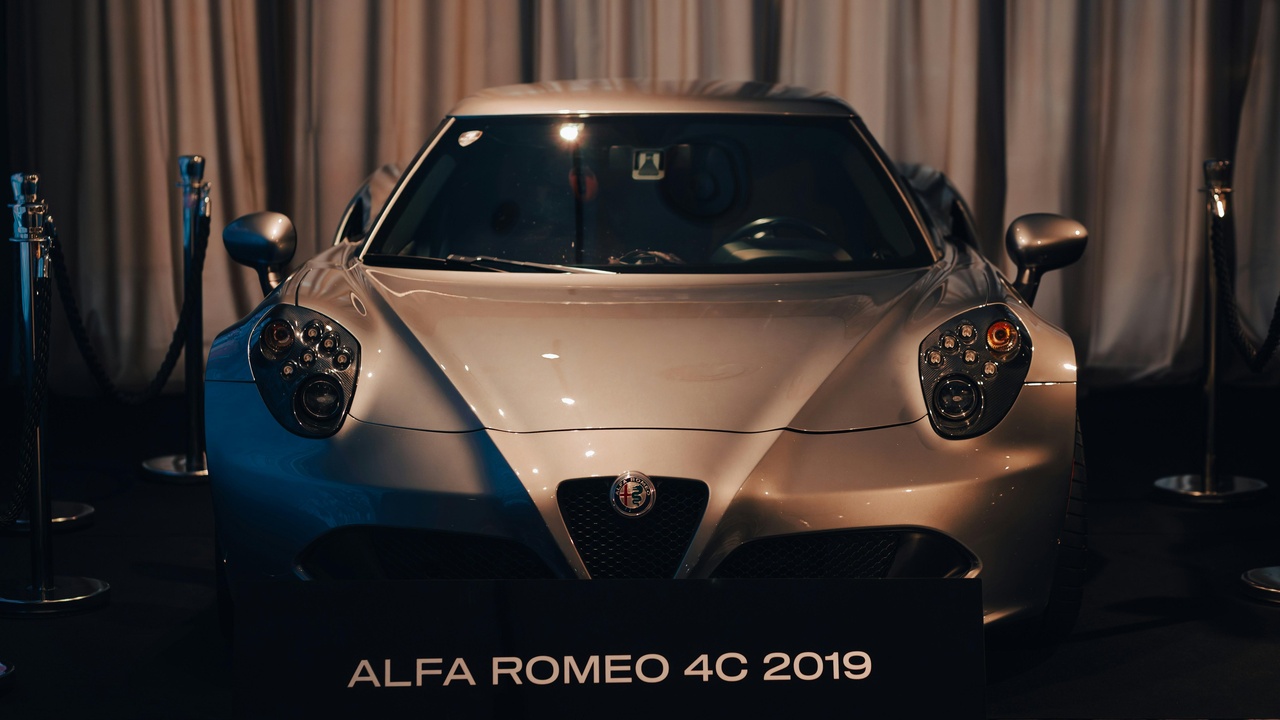
6. Alfa Romeo 4C (2013–2020) — exotic-sports trade-offs: serviceability over reliability
The 4C (2013–2020) is a lightweight sports car that deliberately traded creature comforts and easy serviceability for performance, and that choice shows in ownership realities.
Problems here are less about mass‑production defects and more about low-volume engineering: specialized parts, limited dealer know‑how, and electronics or infotainment oddities unique to a niche model. Forum posts and specialist shops note higher costs and longer waits for repairs or body‑panel work.
Ownership impact: even small repairs can be expensive—carbon‑fiber or composite body repairs command specialist rates, and limited dealer experience can prolong diagnostic work. Electronics glitches after aftermarket mods are another common thread.
Buyer guidance: verify documented specialist maintenance, confirm parts availability for likely repairs, and budget for specialist labor rather than conventional dealer rates.
Recent models and recall-related growing pains
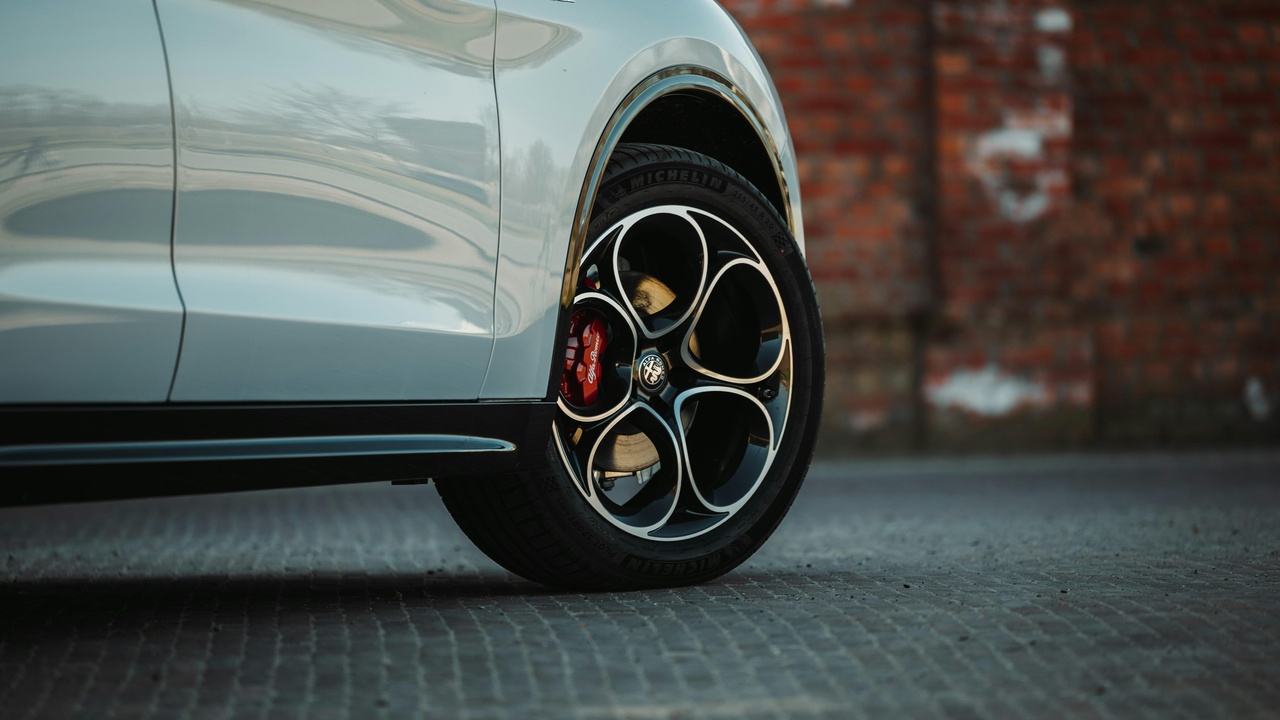
Newer Alfas addressed many legacy issues, but early-production examples sometimes suffered infotainment bugs, software teething problems, or targeted recalls that dented reliability perceptions. Many faults were resolved by dealer software updates or recall campaigns logged with NHTSA and manufacturer portals.
The two models below are notable because early buyers often experienced the initial issues; checking recall completion records and software‑update history is a must for prospective buyers.
7. Alfa Romeo Stelvio (first-gen early production, 2017–2020) — early recalls and infotainment faults
The Stelvio’s arrival (first models from roughly 2017–2020) extended Alfa into the SUV market, but some early-production cars logged infotainment and electrical recalls that owners rightly tracked on NHTSA and manufacturer recall databases.
Reported issues include backup‑camera or infotainment blanking and sporadic ADAS alerts; specific recall years and numbers appear in national databases, and many dealers resolved problems with software fixes or part replacements under recall campaigns.
Why it matters: unresolved recalls can affect safety, insurance and resale. On test drives, check rear camera operation, lane‑assist warnings, and request printed recall‑completion documentation from the dealer.
Buyer action: search NHTSA or the manufacturer’s recall portal for the VIN, and ask the seller for dealership service printouts showing recall work and any software reflashes.
8. Alfa Romeo Giulia (early Giulia/QV examples, 2016–2019) — engine and electronics teething problems
Early Giulia models, especially high‑output Quadrifoglio and early-production 2016–2019 examples, earned praise for dynamics but faced some early software and engine‑management hiccups.
Common symptoms reported include intermittent check‑engine lights, occasional limp‑mode events, and ECU reflashes performed at dealerships to address software bugs. Several issues were handled through dealer service bulletins and software updates.
Practical checks: ask for ECU software‑level records, verify any dealer reflashes or recall work in the service history, and confirm high‑performance engine maintenance has been followed—early high‑output engines benefit from diligent service.
Note: many owners report that dealer software updates cleared problems; still, expect potential inconvenience from repeat appointments if a car hasn’t had all recommended updates.
Summary
- Era matters: older Alfa models (late 1990s–2010s) tend to show mechanical wear—timing belts/chains, cooling and suspension—while later models shift failure modes toward electronics and software.
- Costs and downtime: routine—but technically complex—jobs (timing‑belt/chain service, turbo work, mechatronic gearbox replacements) and low‑volume parts can push repair bills into the high hundreds or low thousands and extend downtime.
- Pre‑purchase checklist: verify service history (timing‑belt/chain, clutch/gearbox work), run a live OBD‑II diagnostic scan, test city driving for TCT/SMG behavior, confirm both keys/immobilizer function, and request dealer printouts proving recall or software‑update completion (check NHTSA/manufacturer portals).
- Forward steps for owners: use Alfa‑specialist technicians for complex mechanical or carbon/composite repairs, insist on dealer software reflashes where indicated, and budget for specialist parts lead times on low‑volume models.