Shopping for a car without stretching your budget? Whether you commute, ferry kids around, or need a dependable runabout, knowing which brands consistently offer low sticker prices helps you focus on realistic options quickly.
There are 10 Least Expensive Car Brands, ranging from Chevrolet to Volkswagen. For each brand the data is organized as Entry model,Starting MSRP (USD),Market so you can compare key entry models and starting prices at a glance — you’ll find below.
How should I compare these brands beyond the starting MSRP?
Starting MSRP is just the entry point: factor in fuel economy, warranty coverage, insurance costs, expected maintenance and parts availability, and typical resale value for the exact model and market to estimate total cost of ownership.
Will choosing a cheaper brand mean higher repair bills later?
Not necessarily — long-term costs depend on model reliability and local service/pricing; some budget brands offer low maintenance costs and strong warranties, so check model-specific reliability ratings and local service reviews before deciding.
Least Expensive Car Brands
| Brand | Entry model | Starting MSRP (USD) | Market |
|---|---|---|---|
| Dacia | Sandero | 11,000 | EU |
| Renault | Kwid | 5,000 | India |
| Maruti Suzuki | S-Presso | 5,500 | India |
| Tata | Tiago | 6,200 | India |
| Hyundai | Grand i10 Nios | 6,600 | India |
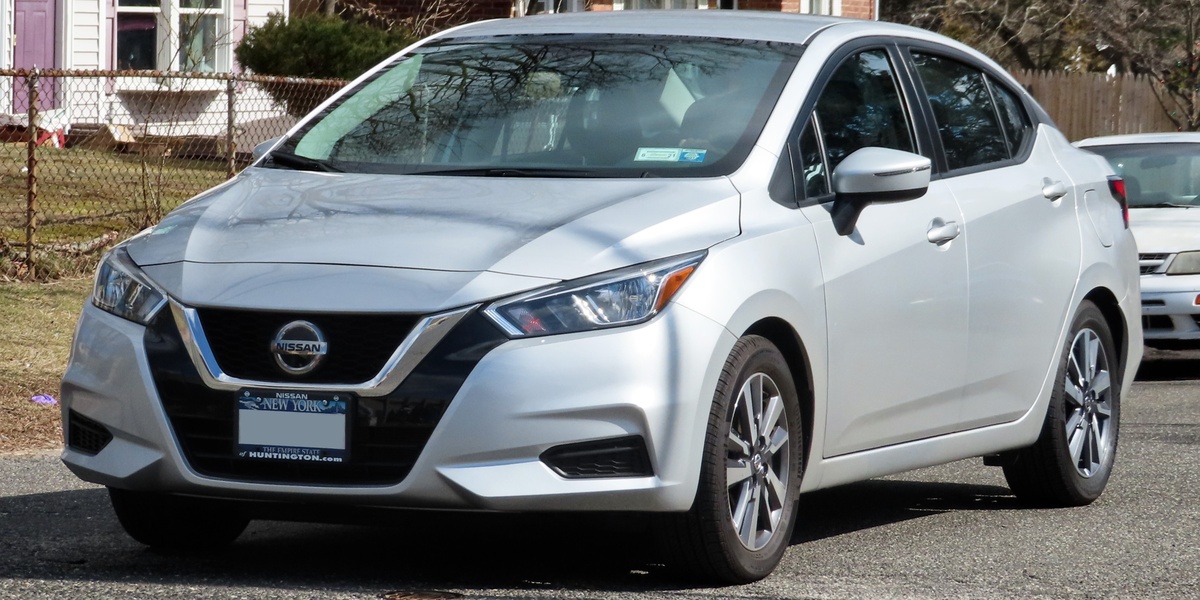
| Nissan | Versa | 16,000 | US |
| Kia | Forte | 19,000 | US |
| Chevrolet | Onix | 12,000 | Brazil |
| Volkswagen | Gol | 11,500 | Brazil |
| Fiat | Mobi | 10,500 | Brazil |
Images and Descriptions
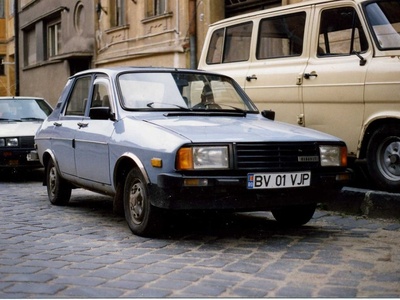
Dacia
Dacia is known for no-frills value and the Sandero is one of Europe’s cheapest new hatchbacks. Low MSRP reflects basic equipment and simple tech; limited trim and safety options mean buyers trade features for a very low purchase price.
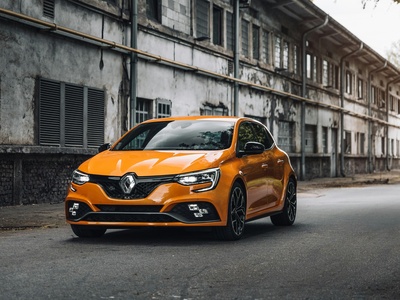
Renault
The Renault Kwid is a tiny, budget-focused hatchback sold in India with a very low starting price. It’s economical to buy and run, but cabin space, safety kit and highway performance are basic compared with larger cars.
Maruti Suzuki
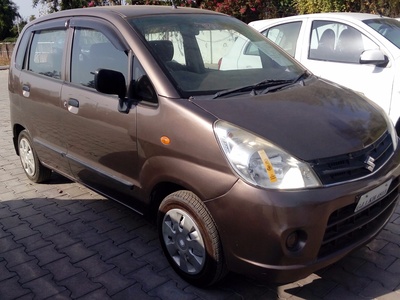
Maruti Suzuki’s S-Presso is an entry-level city car with rock‑bottom pricing and widespread dealer support in India. Cheap running costs and parts are strengths; however, expect sparse equipment and modest crash-test scores versus pricier rivals.

Tata
Tata’s Tiago undercuts many rivals on price while offering decent build quality for the segment. It’s economical to own and widely serviced in India, but base trims omit many convenience features found on higher-spec models.

Hyundai
Hyundai’s Grand i10 Nios is a popular, affordable hatchback in India with modern styling and solid dealer support. The low base price buys basic comfort and efficiency; higher tech and safety features require stepping up trims.

Nissan
The Nissan Versa is one of the least expensive new cars sold in the U.S., offering roomy interior and basic tech at a low MSRP. Buyers should note entry trims are spartan and fuel/insurance costs vary by region.
Kia
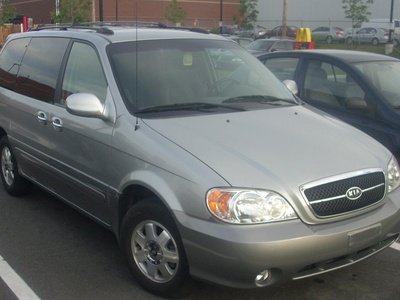
Kia’s compact Forte frequently sits near the bottom of U.S. price lists while offering a long warranty and modern infotainment. The base model keeps costs down by trimming features, so buyers comparing value should check standard equipment levels.
Chevrolet
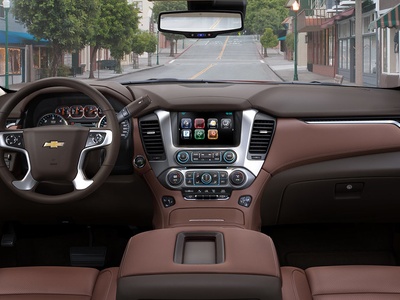
The Chevrolet Onix is a mass-market compact sold across Latin America, priced very competitively in Brazil. It offers low running costs and a familiar dealer network, but higher safety or comfort features are reserved for pricier trims.

Volkswagen
Volkswagen’s Gol has long been an affordable, no-frills option in Brazil with low entry pricing and a simple mechanical layout. Expect modest equipment and regional spec variations; availability is focused on Latin American markets.
Fiat
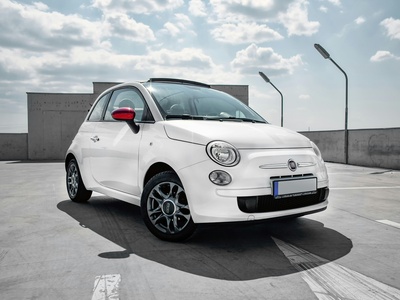
Fiat’s Mobi targets buyers seeking the cheapest city car in Brazil with compact dimensions and low purchase cost. Practical for urban driving with low ownership costs, but limited space, modest power and basic safety kit on entry trims are tradeoffs.