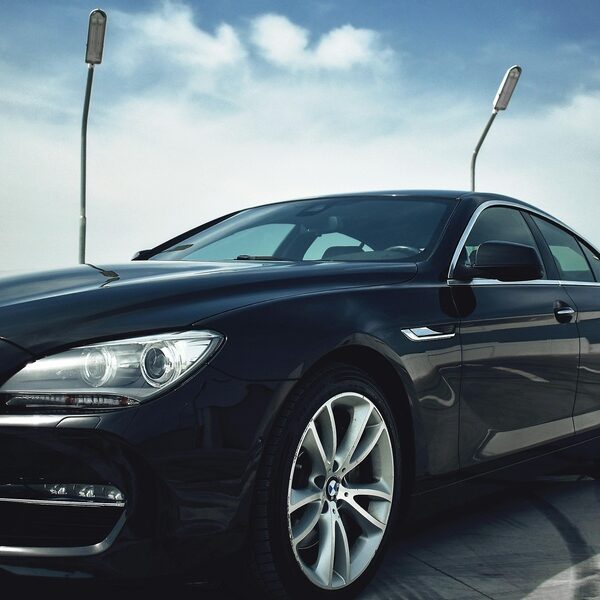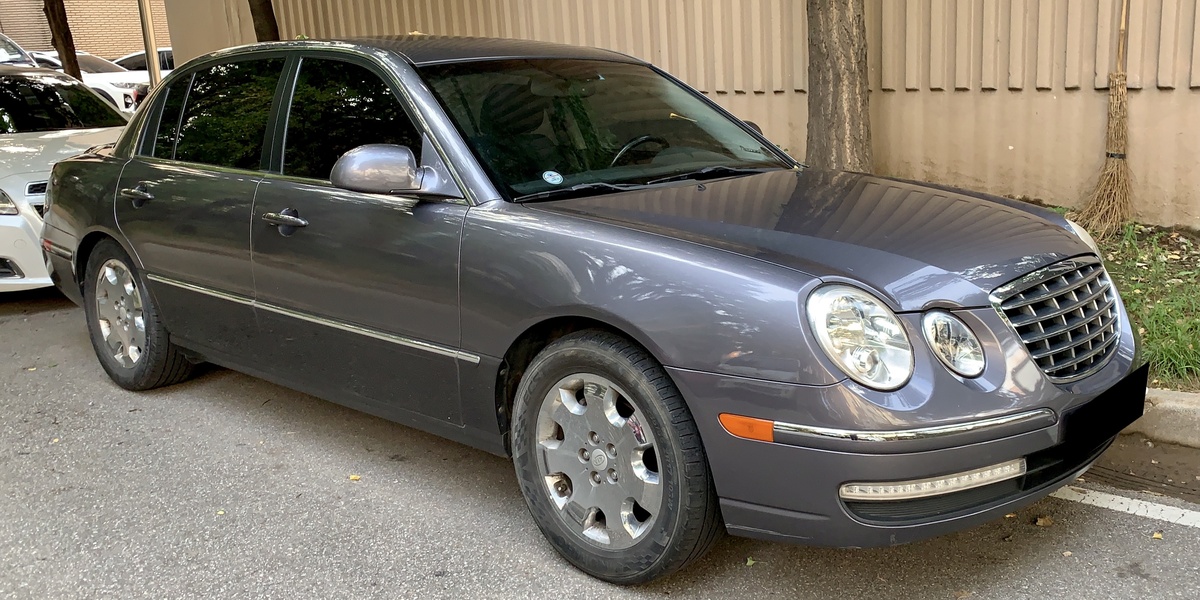
On city streets and in parking lots, the cars that disappear from showrooms tell a lot about shifting tastes and industry strategy. Tracing discontinued models helps you spot patterns—when SUVs edged out sedans, which segments Kia left behind, and which choices were one-offs.
There are 9 Kia Discontinued Models, ranging from Amanti to Stinger. For each (Years produced,Markets,Successor (max 15 words)), you’ll find below.
Why were these Kia models discontinued?
Models are usually retired for a few clear reasons: declining sales, internal lineup overlap, tightening regulations, or a strategic shift toward more profitable segments (like crossovers). Sometimes a successor replaces a model directly; other times the company exits the segment entirely.
Are any of these discontinued Kias still worth buying used?
Yes—several offer good value if you check maintenance history, common issues, and parts availability. Look for models with strong reliability records, lower ownership costs, and adequate safety equipment; consider inspection by a mechanic and compare insurance and resale trends before buying.
Kia Discontinued Models
| Model | Years produced | Markets | Successor (max 15 words) |
|---|---|---|---|
| Stinger | 2017-2023 | Global (South Korea, U.S., Europe) | None |
| K900 | 2012-2021 | Global (U.S., Middle East, Korea) | None |
| Amanti | 2003-2010 | North America, Middle East, Korea | None |
| Cadenza | 2009-2020 | North America, Middle East, Korea | K7 continued in Korea; no global successor |
| Spectra | 2000-2009 | North America, select markets | Forte/Cerato |
| Sephia | 1992-2000 | Asia, Europe, North America | Spectra |
| Pride | 1987-2000 | Asia, Europe, Australia | Rio |
| Borrego | 2008-2011 | North America | No direct North American successor |
| Rondo | 2007-2012 | North America | No direct successor; SUV shift |
Images and Descriptions
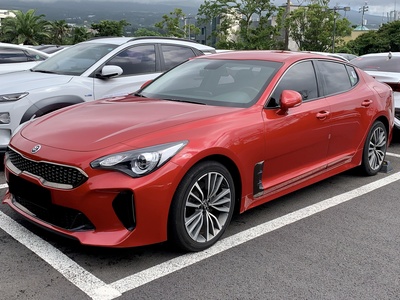
Stinger
The Stinger was Kia’s rear-drive performance liftback aimed at enthusiasts. Produced 2017–2023, it earned praise for handling and power but low sales and a strategic refocus on SUVs and EVs led to its end without a direct successor.
K900
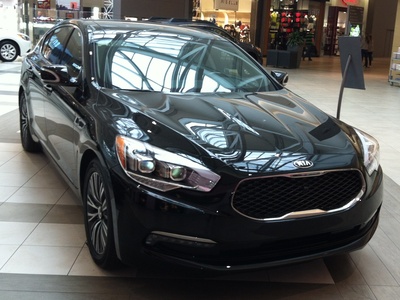
K900 (K9/Quoris) was Kia’s flagship luxury sedan offering V6/V8 power and premium features. Limited sales in key markets and Kia’s shift toward SUVs and electrification prompted discontinuation and no direct replacement.
Amanti
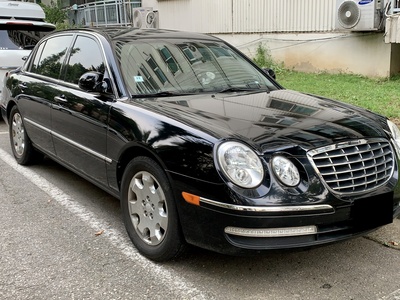
The Amanti (Opirus) was Kia’s full-size near-luxury sedan in the mid-2000s, notable for value-packed features. Weak sales and a broader market move to SUVs led Kia to end the model with no clear successor.
Cadenza
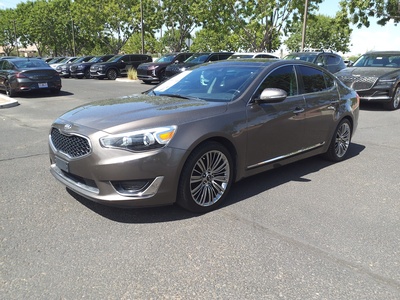
Cadenza (K7) was a near-luxury sedan sold in export markets. As sedan demand declined, Kia retired the Cadenza name abroad; the K7 lineage continued domestically but no direct global replacement emerged.
Spectra
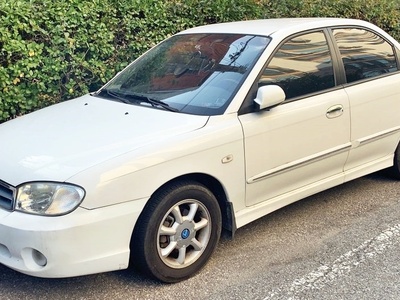
The Spectra was Kia’s compact sedan through the 2000s, offering affordable transportation. It was replaced by newer compact models (Forte/Cerato) as Kia upgraded platforms, safety, and refinement.
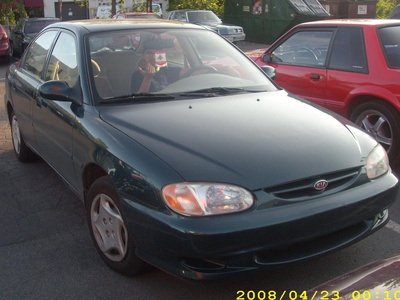
Sephia
The Sephia was an early compact that helped Kia expand internationally in the 1990s. Aging design and engineering prompted its replacement by the newer Spectra as Kia modernized its small-car lineup.

Pride
The Pride was Kia’s small hatchback (Mazda-derived) that established Kia in export markets. It was phased out as newer small cars like the Rio offered improved emissions, safety, and features for modern buyers.

Borrego
The Borrego was a body-on-frame V6/V8 SUV sold mainly in the U.S. Low sales, rising fuel concerns, and changing buyer tastes led Kia to withdraw it from North America while Mohave continued in Korea.
Rondo
Sold as the Rondo in North America, this compact MPV aimed at families saw declining interest as crossovers rose. Kia discontinued the Rondo and reallocated resources to growing SUV segments rather than replace it.