When Renault introduced the 1965 Renault 16 it quietly rewrote what a family car could be: a tall rear hatch, flexible interior and a single piece of glass that opened into usable cargo space. Coupes kept the two-door sporting tradition alive—sleek roofs, tight trunks, and a promise of flair. But style and weekend thrills don’t always solve weekday problems. For most buyers, a hatchback gives a more useful, economical and family-ready package. This article lays out seven concrete advantages—grouped into practical, financial and lifestyle wins—that explain why the hatchback often makes smarter sense for everyday driving.
Practical Advantages
These points focus on day-to-day usability: cargo volume, passenger access and urban practicality. Measured trunk liters matter, but so does the shape of the opening and whether seats fold flat. Real-world handling and visibility also change how usable a car is for errands, family duties and city driving. Below are three clear, practical advantages that most hatchbacks hold over traditional two-door coupes.
1. Better cargo flexibility and usable space
Hatchbacks typically offer more usable cargo space because of a larger rear opening and fold-flat rear seats. Many hatchbacks sit in roughly the 300–600 litre class for usable cargo, while comparable two-door coupes often offer 200–350 litres, a common 30–50% difference in day-to-day capacity.
That matters in practice. A Volkswagen Golf-sized hatch (about 300–380 L) accepts tall grocery bags and a stroller with room to spare. Fold the rear seats and you can slide in a flat-pack shelf without wrestling it into a deep, narrow coupe trunk. The wide hatch opening also makes loading awkward items far easier than lifting them over a coupe’s rear lip.
2. Easier passenger access and everyday practicality
Most hatchbacks offer four or five doors; many coupes stick to two. That simple difference changes how the car fits a family’s routine. Rear-seat access is quicker for child seats, older passengers and groceries when you can open a dedicated rear door instead of folding a front seat forward.
Try installing a rear-facing infant seat in a Honda Civic Hatchback versus a small two‑door coupe such as a BMW 2 Series coupe and the advantage is obvious: less contortion, faster buckling and fewer scratches from elbows and bags. For regular rides with multiple passengers, the five‑door layout is simply more convenient.
3. Better visibility and urban maneuverability
Many hatchbacks prioritize visibility and compact footprints, which helps in tight urban environments. Compact hatchbacks commonly have shorter overall lengths and a shorter turning circle than pricier sport coupes, making parallel parking and three-point turns easier.
Higher rear glass area in models like the Mini Cooper or Mazda3 Hatchback improves rearward sightlines compared with low-roof coupes. The result: less guesswork when reversing into a garage, easier lane changes in city traffic and a calmer daily commute for drivers who face tight parking spots frequently.
Cost and Efficiency
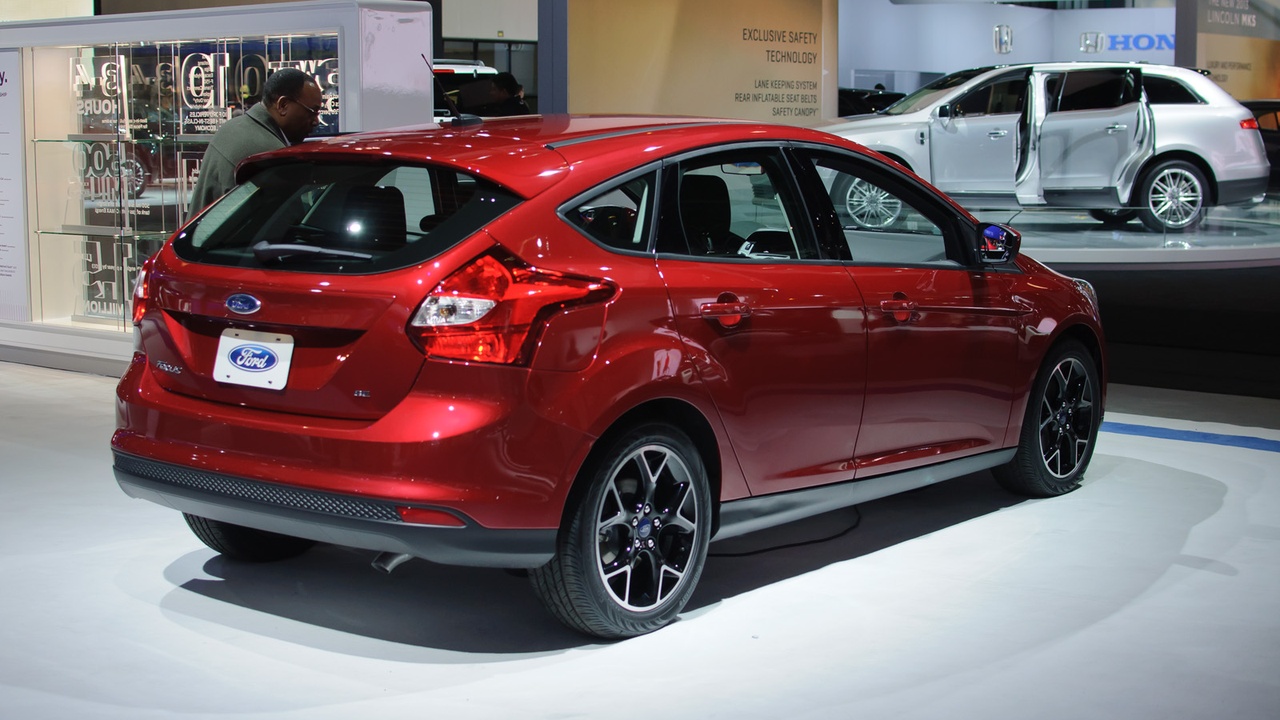
Running costs matter across a car’s ownership horizon. Purchase price, fuel use, insurance and maintenance often favor mainstream hatchbacks, especially in compact segments. The subsections below give numeric ranges and realistic examples so you can see how savings add up over months and years.
4. Typically lower fuel and running costs
Compact hatchbacks generally deliver better fuel economy than performance-oriented coupes. Efficient small hatchbacks commonly return roughly 4.5–6.5 L/100 km, while sportier coupes with larger engines often average 6.5–10 L/100 km (illustrative ranges).
Over a typical month of commuting, that difference shows up as fewer fill-ups and lower weekly fuel bills. A small turbocharged hatch used mainly for city and highway commuting will usually cost noticeably less to run than a coupe tuned for spirited driving, especially if your trip mix includes many short runs where lighter weight and smaller engines win.
5. Lower purchase price and often lower insurance premiums
Mainstream hatchbacks are often positioned at lower base prices than sporty coupes, and insurers price vehicles on repair cost, theft risk and driver profile. A realistic MSRP gap between a mainstream hatchback and an entry-level coupe can be in the $3,000–$8,000 range.
Insurance for performance‑oriented coupes can run roughly 5–20% higher than for equivalent hatchbacks in some markets. That adds up over several years. Plus, practical hatchbacks commonly retain steady used-market demand, making them easier to sell when life needs change.
Lifestyle and Versatility

Your vehicle must match how you live: sports, family tasks, DIY projects or seasonal travel. Hatchbacks tend to cover more of those use cases without forcing compromises. Below are two lifestyle advantages that show why active owners and families often choose a hatchback.
6. Ideal for active lifestyles and weekend projects
Wide hatch openings and fold-flat seats make hatchbacks better at carrying bulky, awkward items. You can fold the rear row and slide in two adult bikes with their front wheels off, stow camping gear or load DIY materials for a weekend project more easily than in a small coupe.
Roof rails and aftermarket racks further expand capability—carry a kayak or add a roof box for skis. That turns a compact hatch into a flexible vehicle for sports, home projects and short family trips without moving up to an SUV in cost or footprint.
7. Broader market appeal and year-round practicality
When deciding hatchback vs coupe many buyers find the hatchback fits more life stages. Singles, commuters and young families all value the five‑door layout and usable cargo; coupes usually appeal to a narrower crowd chasing style or performance.
That wider appeal helps resale and keeps the car relevant through life changes. A buyer who starts as a commuter and later needs to ferry children or larger gear can keep a hatchback longer than a coupe. In some markets, 25–40% of small‑car registrations are hatchbacks, illustrating steady demand for their utility.
Summary
- Hatchbacks deliver noticeably more usable cargo flexibility (wide hatch, fold‑flat seats), making everyday tasks and odd jobs easier.
- They usually cost less to buy, insure and fuel—compact hatchbacks often return 4.5–6.5 L/100 km versus higher consumption for many sport coupes.
- Five‑door access and better visibility suit families and urban drivers; practical models like the Volkswagen Golf or Honda Civic Hatchback show how useful that is compared with many two‑door coupes.
- Broader buyer appeal means hatchbacks retain usefulness across life stages and often fare steadier in the used market.
Next step: test-drive a hatchback and a coupe with a loaded trunk or folded seats, and compare cargo specs and insurance quotes before you decide.