
Recall the rise of European enduro racing in the 1970s, when lightweight, purpose-built machines beat every-adventure bikes on gnarly singletrack and riverbed crossings. That era rewrote expectations for what an off-road motorcycle could do, and the design priorities—long travel suspension, skinny ergonomics, stout protection—still define modern trail weapons. Buyers, though, still confuse intent: a lot of dealers pitch dual-purpose machines as do-it-all solutions and riders wind up with heavier, street-biased bikes that struggle on technical stages.
Enduro motorcycles are purpose-built for demanding off-road performance, and for many riders they offer clear advantages over dual-sport machines across handling, durability, maintenance, and competitive use. Many contemporary enduro models sit in the roughly 100–115 kg dry range (KTM 350 EXC, Husqvarna TE), while common dual-sports often weigh 120–140 kg wet (Yamaha WR250R, Suzuki DR-Z400S), and that difference changes the ride in obvious ways. Below are seven specific advantages to help riders pick the right tool for technical trails or racing—no marketing fluff, just what you gain on rock, root, and steep climbs.
Performance and Handling Advantages

Geometry, suspension, and weight define how a bike performs off-road. Off-road-focused machines tune each of those elements around technical speed and rider control; below are the three handling areas where enduro bikes usually pull ahead.
1. Greater suspension travel and tuned damping for rough terrain
Enduro bikes typically have more suspension travel and more race-oriented damping than dual-sports, and that shows up immediately on rough ground. Front travel on modern enduro machines often ranges from about 280–310 mm, while dual-purpose models usually sit nearer 220–270 mm.
That extra travel plus progressive damping absorbs bigger hits—rock gardens, hard landings, and long descents—reducing the chance of bottoming out and keeping the chassis more composed. The practical payoff is twofold: less rider fatigue over a long day and faster speed through technical sections because the bike stays predictable through repeated impacts. Think Husqvarna TE models with long-travel forks versus a street-biased Suzuki DR-Z400S with shorter travel; the TE helps the rider pick a line and hold it, where the dual-sport can feel pogo-like after a series of hits.
Better damping also improves landing control and bump compliance, which means fewer surprise rebounds that throw you off-line. For racers or aggressive trail riders, that control is measurable: quicker recovery out of choppy sections and fewer stalled attempts on tight exits.
2. Lighter weight and quicker agility in technical sections
One of the most obvious differences is mass. Many modern 250–450cc enduro machines come in around 100–115 kg dry, while comparable dual-sports often tip the scales at 120–140 kg wet. Ten to thirty kilos changes how a bike feels in low-speed maneuvers.
Lighter bikes are easier to flick between ruts, hop onto logs, and carry through steep, narrow climbs. That makes stall recoveries faster, direction changes snappier, and overall energy expenditure lower during a long technical ride. For a typical rider, this can mean noticeably less fatigue by the end of a day—enough that lap times or stage times improve without changing skill level.
Compare a KTM EXC-F 250 (noted for low dry weight and race-oriented components) with a heavier Yamaha WR250R: on tight singletrack the EXC-F accelerates direction changes and requires less brute force to reposition the bike. The safety dividend is real too—lighter machines reduce the chance of getting pinned under a stalled bike or suffering a heavy tip-over after a missed line.
3. Higher ground clearance and off-road geometry for technical obstacles
Enduro geometry prioritizes clearance and obstacle clearance—shorter swingarm-to-wheel fitment, taller ride height, and chassis shaping that resists hang-ups. Typical ground clearance on enduro machines is often in the 330–360 mm range, noticeably more than most dual-sports tuned for road use.
That clearance matters when negotiating rutted climbs, ledges, and riverbed boulders. A higher belly and tighter trail numbers reduce the chance the bike will snag on a rock or root, letting riders maintain momentum rather than stall. Combine that with narrower footpegs and a slim midsection and the bike becomes easier to move beneath you—critical when shifting weight to crest a ledge or keep traction on a steep, rutted climb.
Picture a fast riverbed crossing with scattered boulders: the extra clearance plus an aggressive off-road tire lets you keep momentum and roll over obstacles you’d have to pick at on a heavier dual-purpose bike. Small geometry choices stack into a big performance difference on technical terrain.
Design, Durability, and Purpose-Built Components
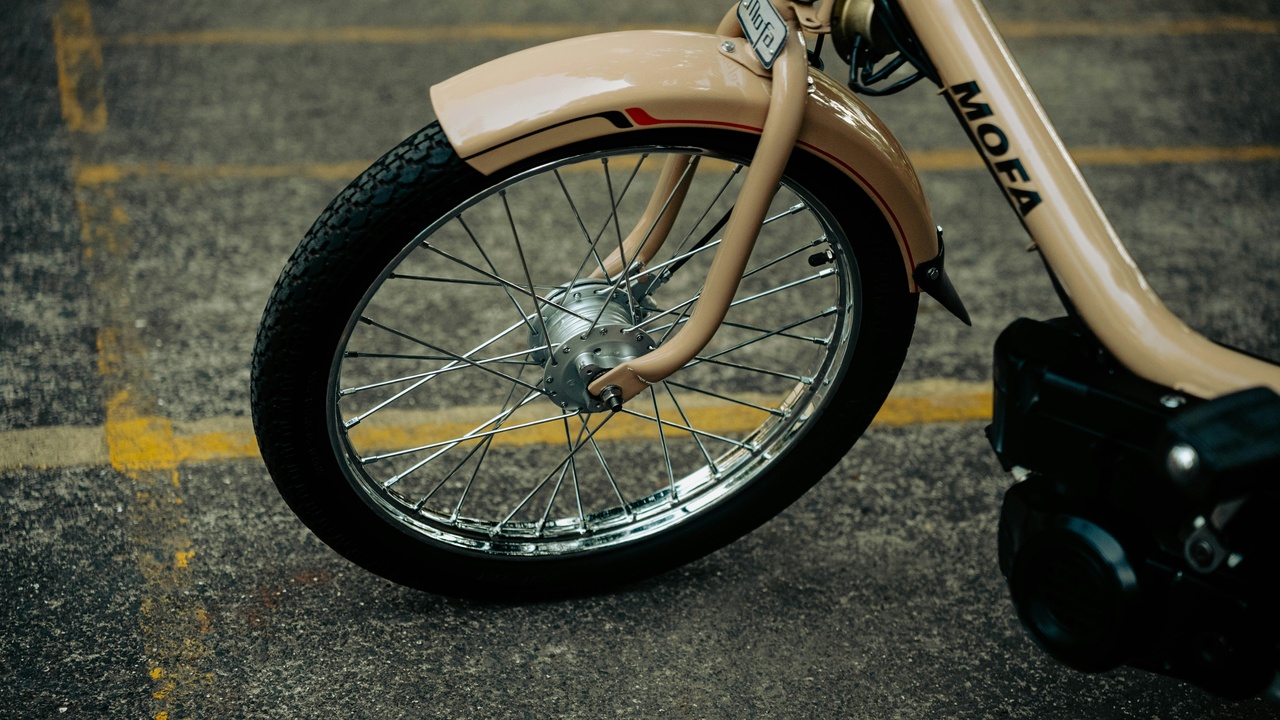
Enduro machines are built with repeated hard use in mind, so manufacturers fit them with more protective hardware and replaceable parts that simplify repairs. Below are two ways that design philosophy pays off on the trail and in competition.
4. Built-in protection and rugged components for hard riding
Out of the crate, enduro bikes commonly include heavy-duty skid plates, reinforced radiator guards, stout footpegs, and frames designed to take knocks without misalignment. Those parts are chosen so routine impacts don’t lead to catastrophic failures.
In practice that means a bent skid plate or crushed handguard is far cheaper and quicker to replace than a damaged radiator mount or a warped frame. Many rally- and enduro-derived models come with bolt-on bash plates and radiator guards that save trail time and money after a fall. The practical result: fewer tow-outs and less time sitting beside the trail waiting for a shop to fix an expensive street-oriented component.
Manufacturers such as KTM and Husqvarna explicitly borrow rally-proven parts for their enduro lines, and riders report lower downtime when they use those protective components as intended. That resilience keeps more riders on course and reduces the odds of a single mistake turning into a long and costly repair.
5. Simpler, serviceable systems for field repairs and endurance miles
Enduro bikes often favor mechanical accessibility over street-oriented complexity. Airboxes are designed for quick filter changes, subframes and plastics are bolt-on for fast swaps, and many race-focused models prioritize clutch and valve access for rapid service between stages.
That simplicity has trade-offs: high-performance enduro engines generally need more frequent attention—valve checks in the 20–40 hour range are common for hard-used two- and four-strokes—while street engines can stretch intervals much further. Still, when you’re in the field after a muddy day, replacing a wet filter or swapping a bent lever is fast and keeps you riding instead of shipping a bike home.
For weekend warriors and stage racers, that design philosophy reduces logistical headaches. Quick-access components and bolt-on replacement parts mean less downtime between stages or loop rides, which in competitive formats can translate directly into better results and less stress on support crews.
Use Case and Rider Advantages
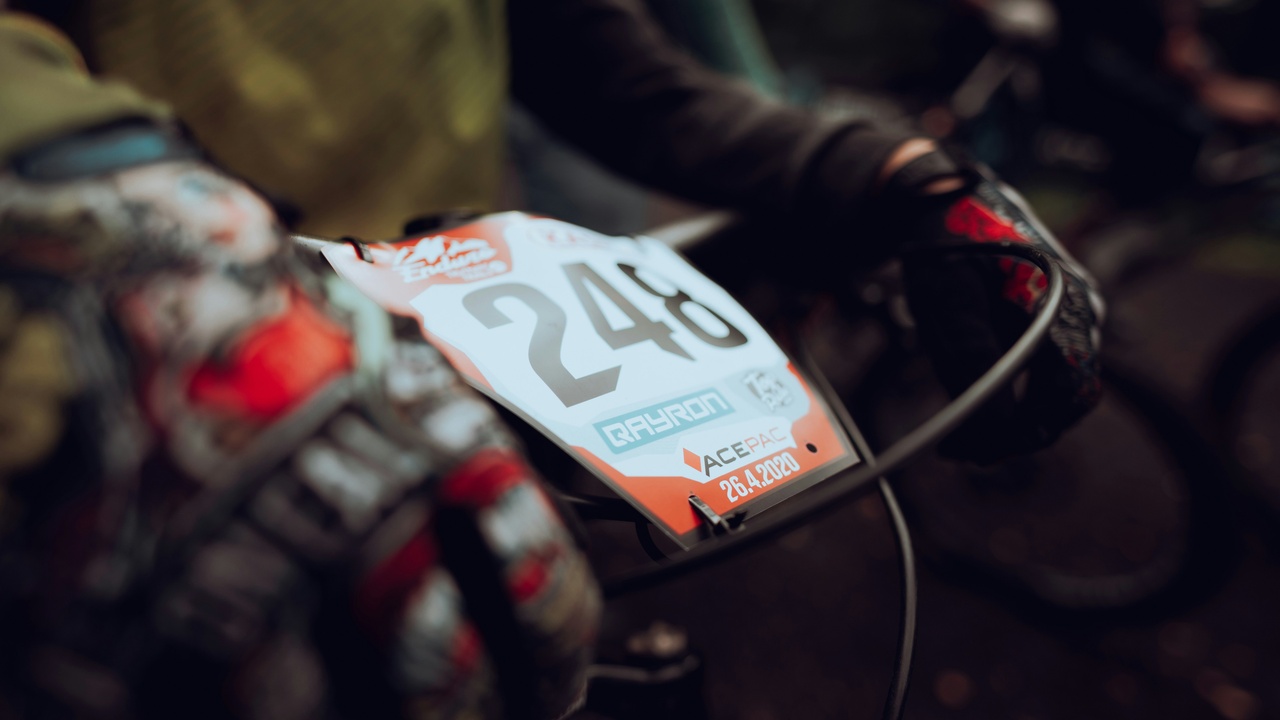
Hardware matters, but who benefits most? Enduro bikes reward riders who prioritize technical terrain, competition, and skill development. The next two points explain the competitive edge and how ergonomics speed learning.
6. Better suited to competitive enduro and technical trail riding
In head-to-head enduro vs dual-sport comparisons, the enduro machine is the obvious choice for racers and riders who spend most of their time on tight singletrack, steep climbs, and rock gardens. Lighter weight, aggressive suspension, and race gearing favor quicker stage times on technical sections.
Typical competitive stages range from short technical specials of 3–15 km to longer tests across a day; over several stages or a full weekend, small per-stage advantages compound. Fewer stalls, faster corrections, and better traction often shave minutes off cumulative time—enough to separate finishes in a national round or hard enduro event.
Racer-focused models are tuned for these demands, and teams pick enduro platforms because they provide predictable feedback under pressure. For riders chasing podiums or simply trying to improve stage times, an enduro bike is a much more effective training and competition tool than a heavier dual-purpose machine.
7. Ergonomics and traction that encourage better off-road technique
Enduro ergonomics—narrow mid-section, bumped seat profile, and forward peg position—encourage standing, quick weight shifts, and active cornering. Those physical cues teach and reinforce proper off-road technique much faster than a bulky, relaxed dual-sport layout.
Combined with off-road tire choices and balanced chassis setup, enduro bikes deliver more consistent traction on loose or wet surfaces. That predictability shortens the learning curve: riders typically report more confidence in corners, fewer panic throttle inputs, and quicker recovery from slides within a single weekend of focused practice.
Simple changes—switching to grippier knob tires, moving to flatter, narrower footpegs, and standing more—work better on a platform designed for it. The result is tangible skill progression: tighter lines, smoother pace, and an increased appetite for technical challenges rather than avoidance.
Summary
- Suspension and damping tuned for rough terrain give enduro bikes superior control and less rider fatigue on technical trails.
- Lighter dry weights (often ~100–115 kg) translate to easier maneuvering, quicker recoveries, and lower injury risk compared with heavier street-oriented dual-sports.
- Higher ground clearance and off-road geometry reduce hang-ups on rocks and roots, preserving momentum through obstacles.
- Purpose-built protection and bolt-on components cut repair time and expense, keeping riders on the trail instead of at the shop.
- Field-service-friendly design and racer-focused setups help competitive riders and weekend adventurers cover more miles with less downtime—try a demo ride or a local test loop to feel the difference.