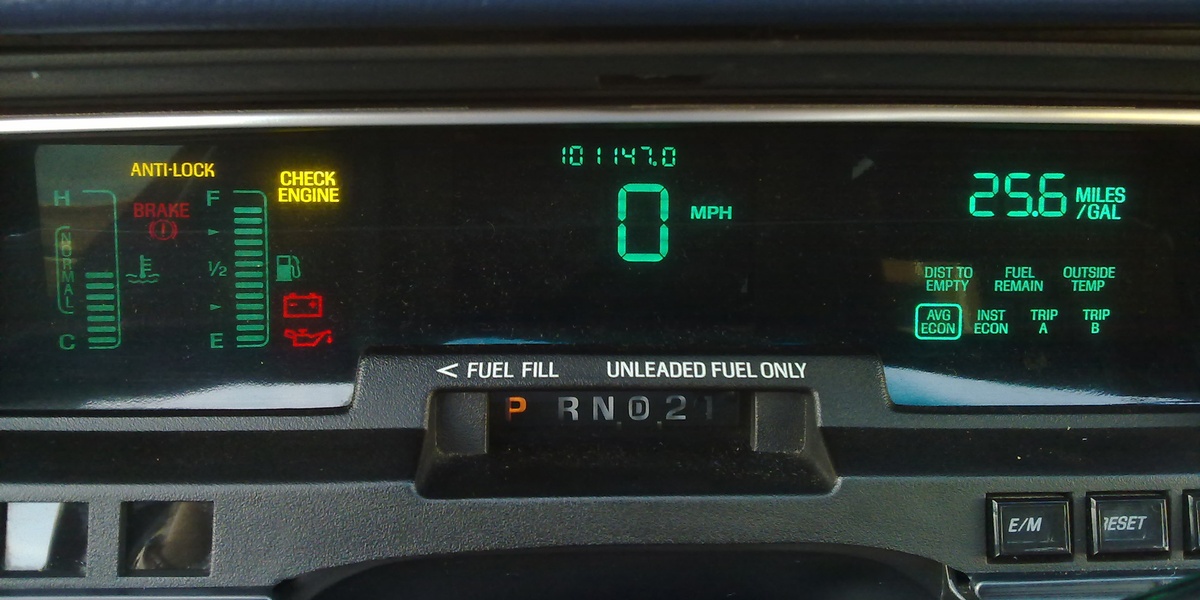
When Tesla launched the Model S in 2012 with a giant center touchscreen and a movable emphasis on digital readouts, it accelerated a shift in how drivers interact with vehicle instruments. That shift matters for everyday drivers who want clear, timely information without taking their eyes off the road, for fleet managers who need actionable telematics, and for designers balancing cost, weight, and feature sets.
Drivers face a simple problem: get critical data fast without increasing distraction, while manufacturers juggle parts, wiring, and software complexity. Digital instrument clusters offer measurable advantages over traditional analog dials in readability, safety integration, customization, maintenance, data access, and connectivity. Automakers from Tesla (Model S, 2012) to Audi (Virtual Cockpit, 2014) pushed this into the mainstream.
The list that follows lays out eight concrete benefits, with practical examples, dates, and a few conservative, quantifiable claims to help buyers and fleet teams make decisions.
Performance & Driving Experience

Display design affects how quickly a driver reads information, the workload of processing that information, and overall situational awareness. Automakers like Tesla (Model S, 2012) and Audi (Virtual Cockpit, 2014) helped normalize full digital clusters, showing that thoughtful layout and contrast matter for glanceability.
1. Faster information recognition and reduced glance time
Digital dashboards make critical metrics easier to read at a glance. High-contrast fonts, dynamic highlighting, and configurable layouts let the most important data pop visually so drivers can absorb it in a fraction of the time required for analog needles.
Safety guidance from agencies like NHTSA emphasizes minimizing eyes-off-road time, and industry studies repeatedly link better UI design with shorter glance durations. In practice, that means navigation cues or speed warnings appear in the driver’s primary view rather than requiring a secondary look at a center screen.
Examples include Audi’s Virtual Cockpit, which can prioritize a large speed readout or a full-screen map, and center-stack displays that move secondary data off the primary cluster. Manufacturers design displays to reduce processing time—leading to measurable, conservative reductions in average glance duration when systems follow glanceability best practices.
2. Personalization improves ergonomics and driver satisfaction
Digital clusters let drivers tailor what they see: sport mode can surface a large tachometer while economy modes emphasize efficiency metrics and range. These context-based layouts match the task at hand and reduce clutter.
Modern cars store driver profiles that recall display presets as well as seats and mirrors; typical profiles store between two and five presets. That’s useful for households with multiple drivers, rental fleets that swap users often, and performance enthusiasts who want track-oriented readouts.
Concrete implementations include Tesla driver profiles that remember display preferences, BMW Live Cockpit presets, and Ford SYNC options that let drivers choose between simplified and data-rich cluster views.
Safety & Situational Awareness

As ADAS features spread since the mid-2010s, instrument clusters have become the primary interface for warnings and status. Showing contextual alerts where the driver is already looking lets systems improve response times without adding distraction.
3. Better integration with advanced driver-assistance systems (ADAS)
Digital clusters can display contextual ADAS information—distance to the lead vehicle, lane-keeping status, and collision warnings—directly in the driver’s field of view. That lowers cognitive load because cues are grouped with speed and steering information.
Automakers added many ADAS features after 2014, and clear visual cues help drivers respond faster on highways. Tesla shows Autopilot status and lead-vehicle spacing in the cluster; Volvo highlights proximity and braking advisories; Mercedes uses driver assistance visuals to show which subsystems are active.
The practical payoff is reduced workload during long-distance cruising, where adaptive cruise and lane-keep cues let drivers monitor system state without repeated center-screen checks.
4. Prioritized alerts reduce alarm fatigue compared with analog lamps
Older cars often have many persistent indicator lights that blend into a sea of lamps, encouraging drivers to ignore or overlook warnings. Digital systems can suppress low-priority notices and elevate critical issues both visually and audibly.
Instead of a generic warning lamp, modern clusters can show actionable messages like “Low tire pressure, front left — 18 psi,” or “Oil service due: replace filter” with recommended steps. Grouping, prioritizing, and giving context reduces false-alarm noise and helps drivers act on truly important alerts.
Examples include tire-pressure monitoring systems that call out specific wheels and service systems that explain which subsystem needs attention and whether the car is drivable until service is possible.
Cost, Maintenance & Lifecycle Advantages
Digital clusters replace multiple mechanical meters and dedicated gauge hardware with software-driven displays and centralized electronics. That changes the math on parts count, wiring complexity, and how vehicles are updated over their lifecycle.
5. Lower long-term maintenance through software updates
When comparing digital dash vs analog gauges for long-term upkeep, one clear advantage is over-the-air (OTA) software updates. Digital clusters can receive patches, UI tweaks, and calibration improvements without removing hardware.
Tesla shipped OTA updates in the early 2010s and many OEMs added OTA capability between 2016 and 2020. In real terms, that means range-estimation algorithms, UI fixes, and some recall-class issues can be resolved via software rather than costly dashboard replacements.
Owners have seen energy-estimation and mapping updates pushed to cars remotely, and fleets benefit when a single software fix can address a vehicle population without expensive shop time.
6. Simplified assembly and potential manufacturing savings
Replacing multiple mechanical gauges and separate wiring runs with a single display and centralized electronics can reduce parts count and wiring-harness complexity. That streamlines assembly and inventory management.
Supplier consolidation around modular digital cluster units is common in mass-market cars, letting OEMs spread development costs across model lines. Reduced mechanical subassemblies can cut assembly steps and lower supplier variety.
Manufacturers sometimes report simplified harness layouts and fewer connectors when adopting standardized displays, though exact savings vary by platform and should be verified against specific model claims.
Data, Connectivity & Future-Proofing

Digital clusters act as gateways for telematics, driver analytics, and third-party services. Presenting parsed vehicle data where drivers look turns raw sensor logs into actionable information for owners and fleet operators.
7. Richer vehicle data and driver analytics
Digital clusters can surface parsed telematics such as fuel or electric efficiency over time, route-based range estimates, and maintenance logs. Those metrics are easier to act on when they appear in the instrument cluster rather than buried in a phone app.
Examples include EV range-management displays in the Nissan Leaf, Chevy Bolt, and Tesla that update range estimates frequently (sometimes every minute) and show trip efficiency to one decimal place when supported by manufacturer data.
Fleet managers use cluster-backed alerts and historical trends for driver coaching and maintenance planning, which translates into measurable improvements in fuel or energy use and reduced downtime.
8. Future-proofing: easier integration with apps and third-party services
Because software-driven clusters can accept widgets, partner apps, and APIs, they make it simpler to add navigation providers, insurance telematics overlays, or energy-management apps without hardware swaps. The digital dash vs analog gauges debate is partly about this flexibility.
By 2020 many OEMs supported smartphone mirroring via Apple CarPlay and Android Auto, and vendors are expanding API ecosystems for payments, routing, and telematics. That means new services can be integrated into the cluster over time.
For buyers and fleet teams, that translates into a longer useful life for the vehicle’s interface and the option to add new features after purchase through software partnerships.
Summary
- Digital clusters improve glanceability and reduce driver workload (see Tesla Model S, 2012 and Audi Virtual Cockpit, 2014).
- Integration with ADAS and prioritized, contextual alerts boosts real-world safety.
- OTA updates and fewer mechanical subassemblies lower long‑term maintenance and can simplify manufacturing.
- Richer telematics and app ecosystems make clusters useful for driver coaching, fleet analytics, and future services.
When choosing your next vehicle or evaluating fleet options, pay attention to display design and software update policies. Ask dealers or fleet providers how clusters handle OTA updates, ADAS integration, and driver profiles—those features often matter more over five to ten years than the style of the gauges.