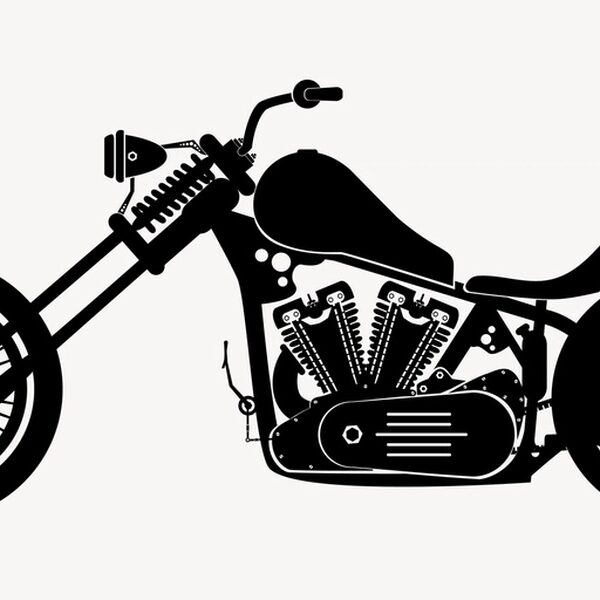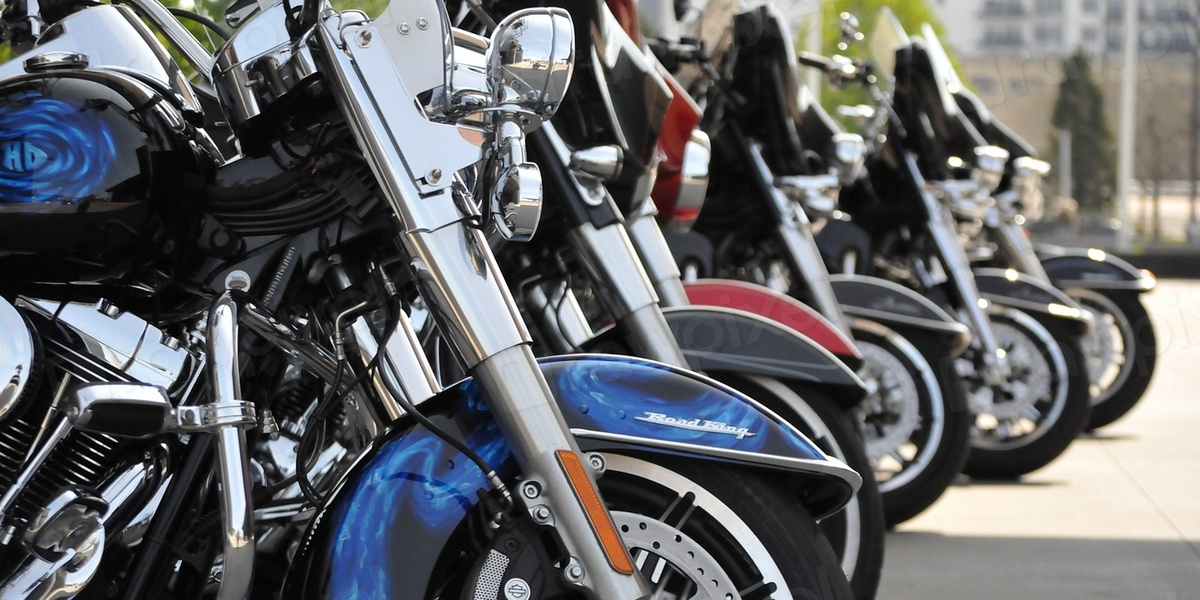
Motorcycle culture split into distinct styles during the 20th century: early cruisers emphasized a laid-back comfort while purpose-built touring rigs grew popular for long cross-country trips in the 1960s–1970s.
Riders often struggle to choose between the relaxed posture and style of a cruiser and the long-haul capability of a touring machine. Choosing between a cruiser and a touring bike comes down to trade-offs in comfort, handling, and practicality; this piece lays out eight clear comparative advantages to help you pick the right machine for your riding goals. I organize the points into three themes — Comfort & Ergonomics, Performance & Handling, and Practicality & Cost — and use concrete examples (Harley-Davidson Softail, Indian Scout, Honda Gold Wing, Harley Electra Glide, BMW R1250RT) and numbers like seat heights and luggage volumes so you can judge which fit your riding plans.
Comfort & Ergonomics
Ergonomics determine how long you can ride before fatigue sets in and whether a bike feels “right” on short hops or multi-day trips. Small differences in seat height, riding posture, and wind protection change commuter comfort and touring endurance dramatically.
1. Lower seat height and relaxed posture (Cruiser advantage)
Many cruisers feature low seats and feet‑forward ergonomics that favor confidence at low speeds. Typical seat heights on cruisers sit about 24–28 inches (some models up to 31 in), which lowers the center of gravity and makes stopping and maneuvering easier for shorter riders.
That geometry reduces strain on the wrists and back for short rides and urban stop‑and‑go traffic, and it makes mounting and dismounting simpler. Expect comfortable short outings of 1–3 hours with minimal repositioning, ideal for commuting or casual weekend cruises.
Examples: Harley‑Davidson Softail models commonly list seat heights around 25–27 in, and the Indian Scout sits near 25 in, both illustrating the low, relaxed stance cruisers are known for.
2. Long-distance comfort and wind protection (Touring advantage)
Full-dress touring bikes are engineered for sustained comfort and wind management. They come with large fairings, adjustable windshields, ergonomic seats, cruise control, and heated grips that let riders go longer between breaks.
Touring machines often achieve fuel ranges of roughly 200–300 miles per tank and are set up to handle steady speeds for multiple hours. In practical terms, many riders can maintain 4–8 hours of riding in a day with scheduled rest stops, cutting overall fatigue on multi-day trips.
Examples: the Honda Gold Wing is a benchmark for passenger comfort and long-range capability, while the Harley-Davidson Electra Glide pairs a batwing fairing with touring ergonomics to keep riders protected and comfortable on long highway runs.
3. Passenger comfort and modular seating (Touring advantage)
Touring bikes typically prioritize passenger comfort more than cruisers, offering larger pillion seats, integrated backrests, and trunk-backed passenger platforms that add stability and support for two-up travel.
Factory luggage often doubles as a backrest and provides dozens of liters of storage per side plus a trunk (for example, many full-dress tourers offer 100+ liters total when including panniers and trunk). That means passengers stay comfortable for longer stretches and you can carry more gear without aftermarket bags.
Examples: the Gold Wing includes a substantial trunk and passenger backrest with audio, and Electra Glide two‑up packages add roomy seats and passenger amenities that make long-distance two‑up touring realistic and less tiring.
Performance & Handling
Performance priorities are different: cruisers favor low‑down torque and easy throttle response, while tourers emphasize straight-line stability, long gearing, and composure at sustained highway speeds. These choices affect city manners and cornering capability.
4. Low-end torque and city rideability (Cruiser advantage)
Cruisers often deliver strong low‑end torque that makes stop‑and‑go riding effortless. Many use V‑twin engines in the 750–1,800cc range that produce substantial torque at low RPMs, so you get smooth launches and less clutch juggling in town.
That torque means you can pull away from lights cleanly without constant downshifting and keep speeds in the low‑to‑mid RPM window when urban speed limits demand it. For riders who spend most time in traffic or on short errands, that results in a more relaxed, less technical ride.
Examples: Harley‑Davidson Sportster variants and the Indian Scout show how torque‑focused V‑twin tuning aids city rideability and low‑speed control.
5. Highway stability and long-distance gearing (Touring advantage)
Touring bikes are built for steady high‑speed cruising and stable behavior at interstate speeds. Long wheelbases, aerodynamic fairings, and tall final drives keep RPMs down at 65–80 mph and reduce buffeting and rider fatigue.
That gearing and stability improve fuel economy on long runs and let riders cover higher average daily miles without tiring. A touring gearbox often features overdrive ratios and low-vibration engines geared for sustained 70+ mph cruising rather than rapid acceleration from stoplights.
Examples: the Honda Gold Wing and BMW R1250RT demonstrate how chassis geometry and drivetrain choices translate into confident, comfortable highway miles and better long‑distance performance.
6. Maneuverability and curb weight (Cruiser advantage in many cases)
Cruisers are often easier to maneuver at low speeds and in tight spaces because many models are lighter and have narrower profiles than fully dressed tourers. Typical curb weights vary, but you’ll commonly see cruisers in the 500–700 lb range while full‑dress tourers often sit around 700–900+ lb.
That 100–300 lb difference matters for parking, U‑turns, and tight back roads. A lighter cruiser feels more nimble when threading through city streets, though some cruisers with big engines and aftermarket accessories can be heavy too.
Note: modern tourers use low centers of gravity, linked brakes, and ride modes that narrow the practical gap in everyday handling, but weight remains a key factor to check when comparing specific models such as a mid‑weight cruiser versus an Electra Glide.
Practicality & Cost
Money, maintenance, and storage often sway buying decisions. Initial purchase price, aftermarket availability, and factory luggage or electronics determine total cost of ownership and how quickly you can outfit a bike for your needs.
7. Purchase price and customization costs (Cruiser advantage for budget and personalization)
Cruisers generally offer lower entry prices and a massive aftermarket that makes personalization affordable. Illustrative MSRPs: entry‑level cruisers often start around $8,000–$12,000, while full‑dress tourers commonly begin in the $18,000+ range (check manufacturer MSRPs for current numbers).
Aftermarket parts for cruisers are plentiful and range-priced so you can upgrade incrementally. Typical mod costs: replacement seats $200–$800, performance exhausts $400–$1,500, and saddlebags $300–$1,200. That lets riders spread expenses over time and shape a bike’s look and feel without a single large outlay.
Examples: swapping bars and a seat on a Softail or fitting custom pipes to a Scout is often cheaper and simpler than reworking the integrated systems on a factory tourer.
8. Luggage capacity, towing, and built-in touring features (Touring advantage)
Touring bikes win on built‑in luggage, integrated electronics, and payload capacity. Factory trunks and panniers free you from relying on strap‑on bags, and infotainment/navigation systems make route planning and long days easier.
For example, many full‑dress tourers offer total luggage capacity measured in the low hundreds of liters when combining panniers and trunks (specific liters vary by model — consult manufacturer specs). Factory payload limits and accessory wiring also simplify adding heated gear, CBs, and trailers where allowed.
Examples: the Honda Gold Wing’s trunk and integrated infotainment reduce the need for aftermarket luggage, and Electra Glide touring options provide factory luggage solutions that are weatherproof and lockable from day one.
Summary
- Cruisers excel at low‑seat ergonomics, easy low‑RPM torque, and affordable, incremental customization.
- Touring bikes win for wind protection, passenger comfort, long‑range gearing, and factory luggage and electronics.
- Check three specs before you buy: seat height (many cruisers 24–28 in vs taller tourer seats), curb weight (expect 100–300 lb differences), and luggage volume (tourers often provide 100+ liters combined).
- Try both styles: do a 50–100 mile ride on each to assess comfort and fatigue, and test how each bike handles city stops, highway miles, and two‑up duties.
- When comparing cruiser vs touring bike, pick the machine that matches your primary riding use — short relaxed rides and customization, or long‑distance comfort and built‑in practicality.