
When the modern pickup evolved from a farm tool into an everyday family vehicle in the 1990s, manufacturers started offering larger cabins that changed how people used trucks.
Pickups shifted from strictly workhorses to mixed-use vehicles that haul lumber on Monday and soccer gear on Saturday. That change made cabin choice more important: daily comfort, the ability to carry passengers, and how a truck holds value all hinge on whether you pick a roomy four-door or a tight two-door.
For many buyers, choosing a crew cab over a regular cab delivers clear, measurable advantages in passenger comfort, practicality, safety, and resale value—making the crew cab the better all-around choice for most drivers. When comparing crew cab vs regular cab configurations, those advantages show up as concrete differences you can measure: seating counts, rear legroom, bed length, payload numbers, and used-market demand.
Below are seven distinct advantages of crew-cab trucks versus regular-cab models, with real-world examples (Ford F-150 SuperCrew, Ram 1500 Crew Cab, Chevy Silverado Crew Cab, Toyota Tundra CrewMax) and measurable facts to help you decide.
Comfort and Passenger Space

Most people notice the difference the moment they open the rear door. Crew cabs turn pickups into genuine people-movers for daily commutes, carpools, and longer family trips.
1. Seats for five (or more): superior passenger capacity
Crew cabs commonly seat five adults, while regular cabs usually seat two or three. Typical layouts pair front bucket or bench seating with a full rear bench, giving crew cabs 5–6 seating positions versus 2–3 in regular-cab trucks.
For example, many Ford F-150 SuperCrew trims offer five- or six-seat configurations depending on whether you choose a front bench, and Ram 1500 Crew Cab models are routinely marketed for family use because they comfortably fit five occupants. That extra seat matters for carpools, client rides to job sites, and family outings.
2. Rear legroom and ride comfort for longer trips
Crew cabs provide meaningful rear-seat legroom that reduces fatigue on long drives. Many modern crew cabs offer roughly 30–44 inches of rear legroom, model-dependent, while regular cabs simply lack a usable second row.
Manufacturer specs illustrate the spread: the Ford F-150 SuperCrew is commonly listed with about 43.9 inches of rear legroom on recent model years, the Ram 1500 Crew Cab typically ranges around 40–41 inches, and Toyota Tundra CrewMax rear-seat measurements are often in the low 40s. Those extra inches make a big difference on multi-hour drives and when adults occupy the back seat.
3. Family-friendly features: child seats and practical layout
Crew cabs make installing child seats and moving kids far easier than regular cabs. Most second rows include LATCH anchors (ISOFIX), wide door openings, and straight-in seating positions that simplify clipping in car seats and buckling children.
Toyota Tundra CrewMax and many Ram 1500 Crew Cab trims support three-across seating in the rear on certain models and place LATCH anchors in accessible spots. That means daycare drop-offs and weekend errands become less of a wrestling match—practical convenience you notice every day.
Practicality and Use Cases
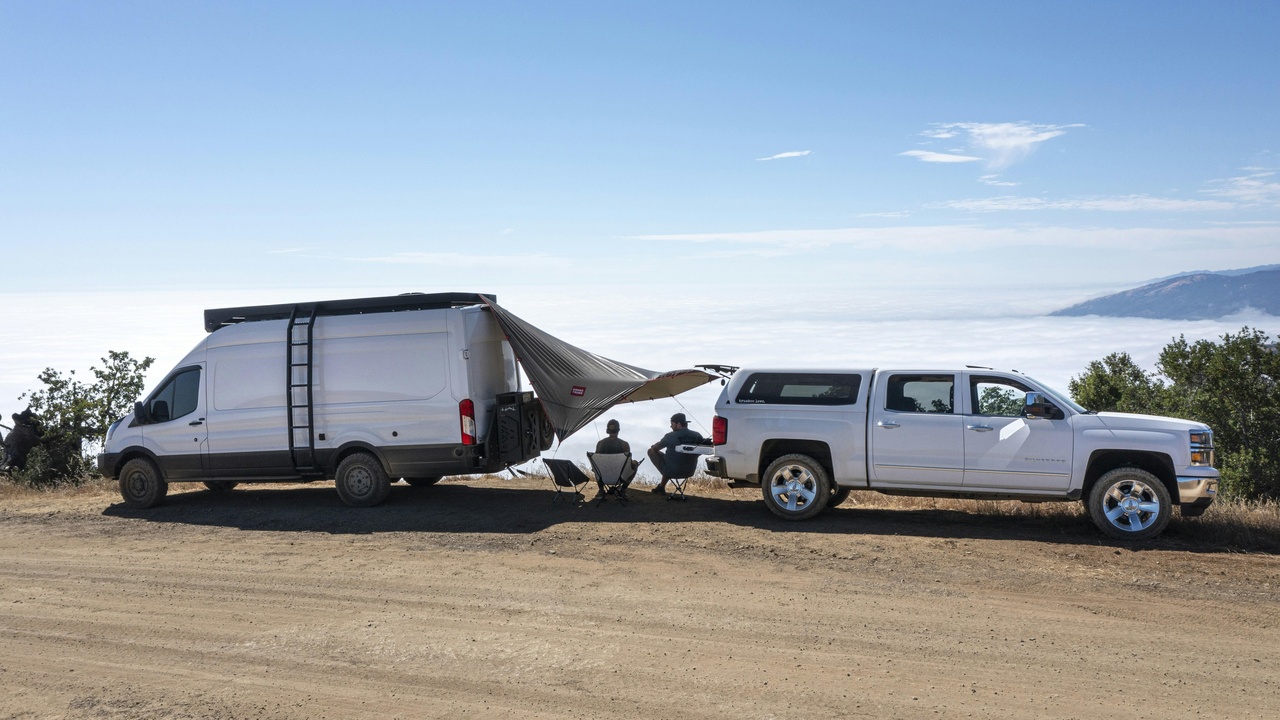
Beyond seats, cabin size changes how you use the truck. Crew cabs trade some bed length for cabin space, but that swap often increases daily versatility for owners who mix passenger hauling with cargo and towing.
When deciding crew cab vs regular cab, weigh bed length, payload, and how often you carry passengers versus long pieces of lumber. Knowing typical bed sizes and payload shifts helps you choose the right setup.
4. Versatility: carry people and gear in one vehicle
Crew cabs let you move people and cargo without swapping vehicles. That convenience is practical: most crew-cab beds measure 5.5–6.5 feet, while regular-cab trucks can be ordered with 8-foot beds for maximum cargo length.
Yes, you lose some bed length with a crew cab, but you gain the ability to seat a work crew or a family at the same time. Picture a contractor driving two crew members and tools in one trip or a family loading five people plus kayaks (roof racks or small bed loads) for a weekend trip—time saved by avoiding a second vehicle.
5. Resale value and broader market appeal
Crew cabs generally attract a wider buyer pool and tend to hold value better than regular cabs. Industry observations suggest the bulk of full-size truck buyers now favor four-door configurations—estimates put that share roughly between 60% and 80% of purchases in recent years.
On the used market, crew-cab trims often carry a low single-digit percentage premium versus equivalent regular-cab examples. You’ll see crew-cab versions of the Ford F-150 and Chevrolet Silverado listed more frequently and selling faster on used lots, which helps when you trade in or resell.
Safety, Convenience, and Comfort Features

Beyond seats and cargo, crew cabs often come with more convenience and safety features targeted at rear-seat occupants. That creates tangible everyday benefits for families and fleets alike.
6. Easier access and safer passenger loading
Four-door access reduces the risk and hassle of loading people and gear, especially in tight parking spots. Rear doors let parents load child seats without climbing over a front seat, and older passengers can step in and out without awkward maneuvers.
On job sites, a crew cab lowers the chance of trips and falls when team members are getting in and out frequently. From an employer standpoint, safer loading is a small safety win that adds up over months of use.
7. More interior storage, tech, and second-row comforts
Crew cabs concentrate convenience features: under-seat storage bins, rear USB ports, additional cupholders, and optional rear climate vents. Typical modern trucks put two to four rear USB ports in the back seat area and offer multi-zone climate control on higher trims.
The Ram 1500 Crew Cab, for example, includes under-seat stowage and multiple rear charging points on many trims, while Chevy and GMC crew cabs often add fold-flat seats and available heated rear seats on upper-level packages. That extra storage and tech makes daily life easier—charging devices, stashing shopping bags, or keeping tools organized.
Summary
- Crew cabs provide clear, measurable gains in passenger capacity and comfort (seat counts of 5–6 and rear legroom often in the 30–44 inch range).
- They trade some bed length and payload (crew beds typically 5.5–6.5 ft vs regular-cab up to 8 ft; expect variable payload reductions), but gain everyday versatility for mixed work and family use.
- Second-row safety and convenience—LATCH anchors, easier ingress/egress, under-seat storage, USB ports, and rear climate options—make crew cabs more family- and fleet-friendly.
- Market demand favors four-door trucks (roughly 60–80% of full-size buyers), and crew-cab examples typically hold a low single-digit resale premium compared with regular cabs.
- Test-drive both configurations, count typical passengers, and measure the longest items you’ll carry before deciding; then compare exact bed-length and payload specs from manufacturer sheets for the final pick.