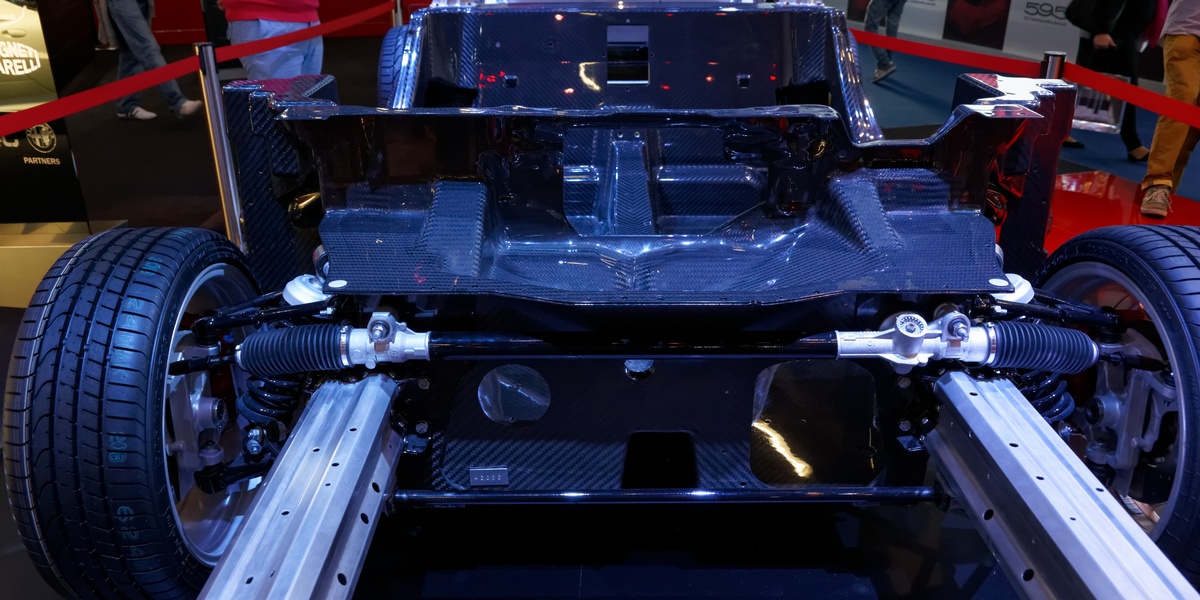
In the 1990s, grassroots autocross and amateur track days sparked a boom in affordable aftermarket suspension parts, and with them a familiar debate among enthusiasts. Back then a set of lowering springs promised a sportier look and firmer cornering for a few hundred dollars, while coilovers carried a premium and a reputation for serious tuning. The core dilemma remains today: save money up front or pay more for capability. For most enthusiasts who want true adjustability, consistent on-track performance, and long-term versatility, coilovers deliver clearer advantages over lowering springs — though springs still make sense for budget-minded drivers. We’ll use concrete examples (KW, BC Racing, Eibach, H&R, TEIN, Öhlins), price ranges, and a few numbers to quantify trade-offs and help you decide.
Performance and Handling Advantages
This section covers how suspension changes affect lap times, body control, and tunability for different driving conditions. Expect measurable differences: corner-weighting, damping adjustment, and ride-height range all translate into real-world gains that fixed lowering springs can’t match.
1. Significantly better adjustability and ride-height control
Coilovers let you dial ride height precisely and, when applicable, corner-weight the car; lowering springs provide a single, fixed drop. Typical threaded coilover kits offer roughly 1–3 inches of usable height adjustment depending on the car and kit, while common lowering springs (Eibach Pro-Kit, H&R Sport Springs) are sold as fixed drops of about 0.5–2 inches.
That extra range matters. You can correct front/rear balance to reduce understeer, set a slight rake for aero, or raise the car for a track-to-street change without swapping parts. BC Racing and TEIN kits are examples that routinely provide multi-inch adjustment. Installation for either option is typically 2–4 hours for a competent shop or an experienced DIYer.
2. Improved cornering and reduced body roll
Matching spring rates to damping and vehicle weight is the most effective way to reduce body roll, and coilovers let you do that. With a properly tuned coilover setup (for example, KW Variant 3 or Öhlins Road & Track), many amateur racers report lap-time gains of about 1–2 seconds on short club circuits versus a car running stock or just lowered springs.
Lowering springs will reduce roll compared with stock in many cases, but without matched dampers and the ability to change rates, you can end up with a car that’s faster in a straight line but unsettled in transitions. Coilovers allow spring/damper pairing that improves lateral grip and balance for autocross, track days, or spirited canyon driving.
3. Enhanced damping tunability for different driving conditions
Many coilovers include adjustable damping with discrete settings—commonly 10–30 clicks—or multi-stage valves so you can tailor compression and rebound for road or track. BC Racing offers 20-click damping on several kits; KW uses multi-valve technology on higher-tier variants.
That tunability is practical: soften 6–8 clicks for a rough commute, then firm up for a track day to reduce squat and pitch. Lowering springs offer no damping control on their own, so to get similar adaptability you’d need to replace shocks with a matched, adjustable unit.
Comfort, Safety, and Daily-Driving Benefits
How a car rides and behaves under stress matters as much as lap times for most owners. Properly set up coilovers can be more comfortable and more predictable than a car that’s been lowered by springs only, especially if the shocks are mismatched or aging.
4. Better daily comfort when tuned correctly
Street-oriented coilovers exist for a reason: TEIN Street Basis and BC Racing ER series are valved for a softer initial ride while retaining adjustability. Because damping is adjustable, you can find a middle ground—firm enough to control body motions, soft enough to absorb potholes.
In practice many drivers set damping roughly 6–8 clicks softer for city driving and keep a modest drop for clearance. Lowering springs, unless paired with the correct shocks, can make a car noticeably harsher and more jarring on rough streets.
5. Improved safety and braking stability
Consistent tire contact and predictable weight transfer improve braking distance and steering feel. Coilovers give better end-of-stroke control and let you tune anti-dive and anti-squat characteristics with damping adjustments, which helps during emergency braking and evasive maneuvers.
Drivers commonly report more stable ABS/ESC intervention and reduced nose-dive after switching to a well-tuned coilover setup compared with a car lowered on springs with old or mismatched shocks. That predictability can mean safer responses in wet or high-load situations.
Ownership, Cost, and Customization Trade-offs

Beyond performance, budget, maintenance, and resale matter. Coilovers cost more up front but offer rebuildability and versatility. Lowering springs are inexpensive and simple, but that low entry price can hide additional costs if shocks need replacing or alignment work is neglected.
6. Greater long-term versatility and resale value
Coilovers are rebuildable and re-valvable, which often translates to better long-term value for enthusiasts who keep cars a long time or swap setups for events. High-end kits such as Öhlins have documented rebuild programs and many users report 5–10+ years of service with periodic maintenance.
When comparing coilovers vs lowering springs for resale, a well-documented coilover kit can be a selling point; buyers see adjustable suspension as an asset. Cheap springs rarely add resale value beyond cosmetic appeal and often raise questions about the condition of the shocks.
7. Maintenance, lifespan, and cost trade-offs
Price matters. Lowering springs commonly run $150–$600 per set, while quality coilovers typically range $700–$2,500 or more depending on brand and features. Installation for a full axle is often 2–4 hours; expect to pay $80–$200 for an alignment after any suspension change.
Coilovers require periodic inspection and cleaning, especially in salted climates; seals and corrosion protection should be checked every 12–24 months, and rebuild intervals vary with use. Over a five-year span, total cost of ownership for coilovers can be higher up front but spread out when you factor in versatility and potential resale. Springs are cheap initially but may force a shock replacement down the road if the originals are not matched.
8. Tailored aesthetics and fitment for show and function
Many owners lower cars for stance, but achieving a precise fender gap while retaining usable suspension travel is easier with coilovers. They let you make micro-adjustments to ride height and then dial damping so a car with only 1–2 mm clearance at full lock still clears curbs and speed bumps in daily use.
Show builds often use BC Racing or KW coilovers to hit a specific look for photos and events, then raise the car for street driving. By contrast, Eibach or H&R springs give a fixed appearance at lower cost but less adaptability when circumstances change.
Summary
- Coilovers win on adjustability, tunability, and long-term versatility—useful for track-focused or multi-use owners.
- Lowering springs are the budget-friendly way to achieve a lower stance and modest handling gains, especially when paired with healthy shocks.
- Adjustable damping (10–30 clicks) and 1–3 inches of height range let coilovers serve both street and track without swapping hardware.
- Expect higher up-front cost for coilovers ($700–$2,500) but rebuildability and potential resale upside; springs typically cost $150–$600.
- Before you buy, list your priorities—budget, track days, daily comfort, or show fitment—and choose the solution that matches those goals.