In 1921, Moto Guzzi opened its factory in Mandello del Lario; that workshop sowed the seeds for a century of Italian two-wheel design that would influence riders and factories worldwide. Ducati’s roots go back to 1926, and by the postwar years small ateliers and larger firms alike were shaping not just machines but a style. From clever engine layouts to eye-catching bodywork, these bikes blended engineering and flair in ways that still matter.
Collectors, club racers, and everyday riders prize certain machines for specific reasons: innovation, race pedigree, or pure cultural presence. This list highlights 15 models across scooters, sportbikes, tourers, and boutique builds — carefully chosen for their impact on design, technology, and rider culture, and to show why classic italian motorcycles still turn heads.
The entries are grouped into four themes: heritage marques, sport and racing legends, versatile classics, and collectors’ curiosities. Each entry notes key years, engine details, and real-world significance so you get a sense of why these machines matter.
Heritage Marques: foundations of Italian motorcycle design
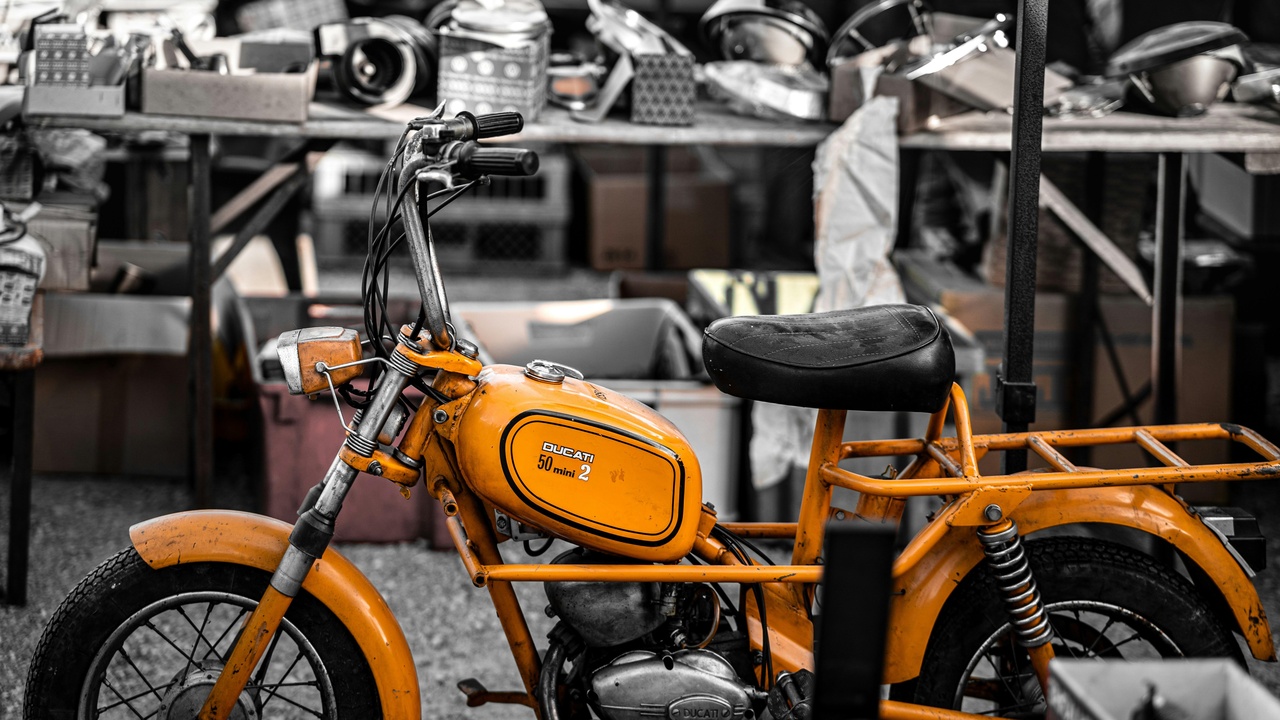
Several Italian firms set technical and aesthetic standards from the postwar period through the 1970s. Benelli (founded 1911), Gilera (1909), Ducati (1926), and Moto Guzzi (1921) each brought different priorities to production — from lightweight, economical transport to high-performance sport machines.
The innovations were concrete: Moto Guzzi’s transverse V-twin and shaft drive, Ducati’s focus on narrow-angle V-twins and later belt-driven cams, Gilera’s strong singles for road racing, and Benelli’s willingness to experiment with unusual cylinder counts. These choices influenced chassis layouts, rider expectations, and the visual language of Italian bikes for decades.
1. Moto Guzzi V7 Sport (1967) — the hands-on Italian sport standard
Introduced in 1967, the V7 Sport established Moto Guzzi as a maker of sporty, shaft-driven V-twins. Its 744cc air-cooled 90° V-twin delivered generous midrange torque and a personality suited to spirited road riding.
Riders appreciated the V7 Sport for its stable handling and usable power. Restored examples show up at Mille Miglia-style vintage rallies, and the V7’s character influenced later models like the Le Mans.
2. Ducati 750 SuperSport (early 1970s) — Ducati’s road-racing DNA
The 750 SuperSport from the early 1970s helped define Ducati’s sporting identity. It sat in the bevel-drive V-twin lineage that set the stage for the desmodromic tradition and featured displacements right around 748cc depending on year and spec.
Favored in club racing and frequently converted into café-racer style machines, the 750SS bridged factory race tech and privateer enthusiasm in a way that shaped Ducati’s future road bikes.
3. Benelli 750 Sei (1973) — Italy’s six-cylinder experiment
Benelli surprised the motorcycle world in 1973 with a transverse six-cylinder four-stroke around 750cc. The layout—three pairs of exhaust headers marching across the engine—was visually striking and aimed to take on the era’s Japanese inline-sixes while keeping Italian character.
Production numbers were limited, making the 750 Sei a showroom curiosity then and a sought-after collectible now. It demonstrates how Italian firms sometimes chose drama over convention.
4. Gilera Saturno (1947) — postwar engineering for everyday riders
Introduced in 1947, the Gilera Saturno played a role in restoring everyday mobility after the war. The Saturno line offered reliable performance, classic styling, and the kind of durability that made it a common sight on Italian roads in the late 1940s and 1950s.
Surviving examples are prized for their period-correct looks and the way they evoke mid‑century Italian road life. Restored Saturnos often appear in vintage parades and club events.
Sport and racing legends — performance that made headlines
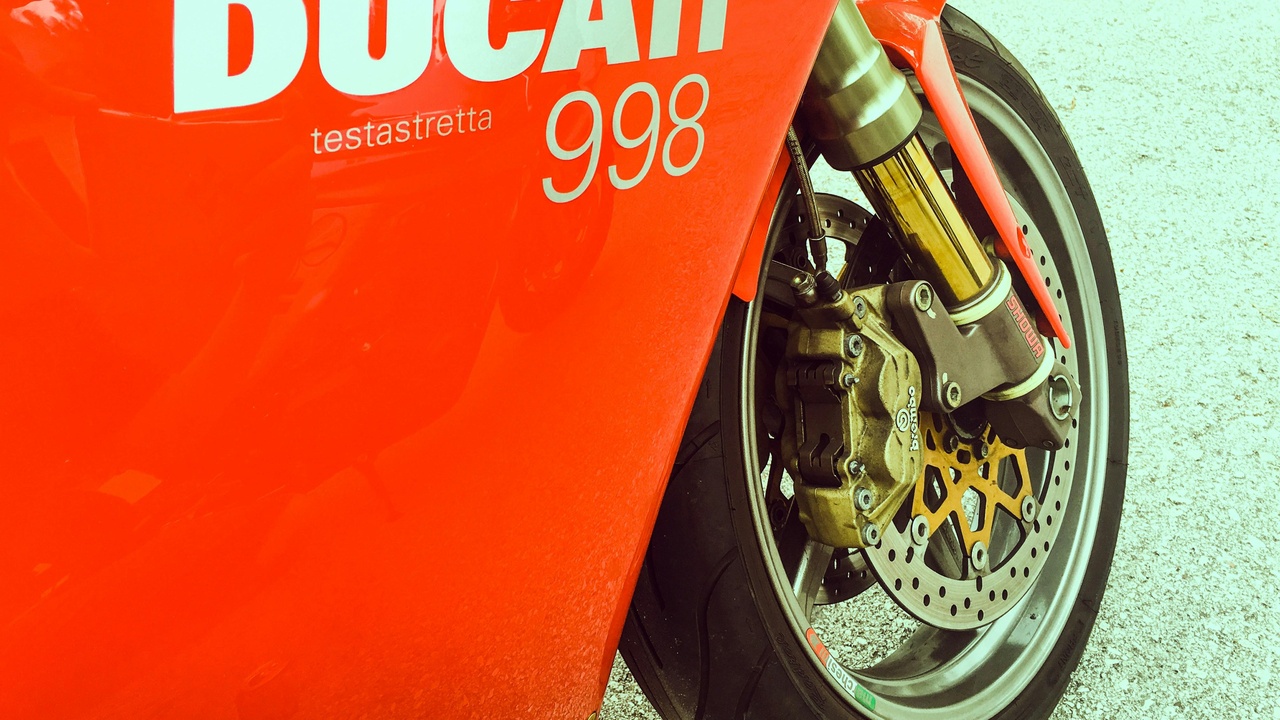
Italy’s racing history produced machines that looked as fast standing still as they did on the track. Designers such as Massimo Tamburini and boutique shops like MV Agusta poured race-derived ideas into road-legal machines, so technical advances—desmodromics, narrow-vee fours, and tuned triples—migrated into everyday performance bikes.
5. Ducati 916 (1994) — design icon that reshaped superbikes
Introduced in 1994 and penned by Massimo Tamburini, the 916 is widely regarded as a watershed in sportbike design. Its 916cc V-twin layout, single-sided swingarm, and underseat exhausts created a compact, aggressive silhouette that magazines and museums still celebrate.
The 916’s race-derived handling and striking looks helped define Ducati’s image for a decade. Well-kept examples command strong interest at concours and auctions, and the model influenced many subsequent sportbikes.
6. MV Agusta 750S (1970) — aristocratic performance
Around 1970 MV Agusta offered the 750S as a high-spec four-cylinder road machine that carried race-bred finishes into limited-production street form. It was hand-built, finely detailed, and engineered for performance in its class.
Period road tests noted its poised handling and premium fit. Today it remains a trophy model for collectors who prize craftsmanship as much as speed.
7. Laverda Jota (1976) — raw torque and character
The mid-1970s Jota is remembered for a gruff, high-performance triple tuned for strong midrange punch. The 1000cc-class Jota of 1976 delivered roll-on speed and a distinctive, throaty exhaust note that owners still rave about.
It’s the kind of bike that rewards experienced riders who want character over civility. Restored Jotas remain a fixture at vintage shows and in spirited classic rides.
8. MV Agusta F4 (1997) — modern craftsmanship with classic lineage
The F4 reasserted MV Agusta’s sports pedigree when it arrived in 1997. A high-spec four-cylinder superbike, it was offered in low-volume special editions and featured exotic components and striking styling that echoed the brand’s racing past.
Limited-run Serie Oro and Reparto Corse versions made the F4 an immediate collector’s item. Its presence at concours and auctions underlines how modern Italian superbikes can become classics quickly.
Versatile classics: naked, touring, and the bikes you actually ride
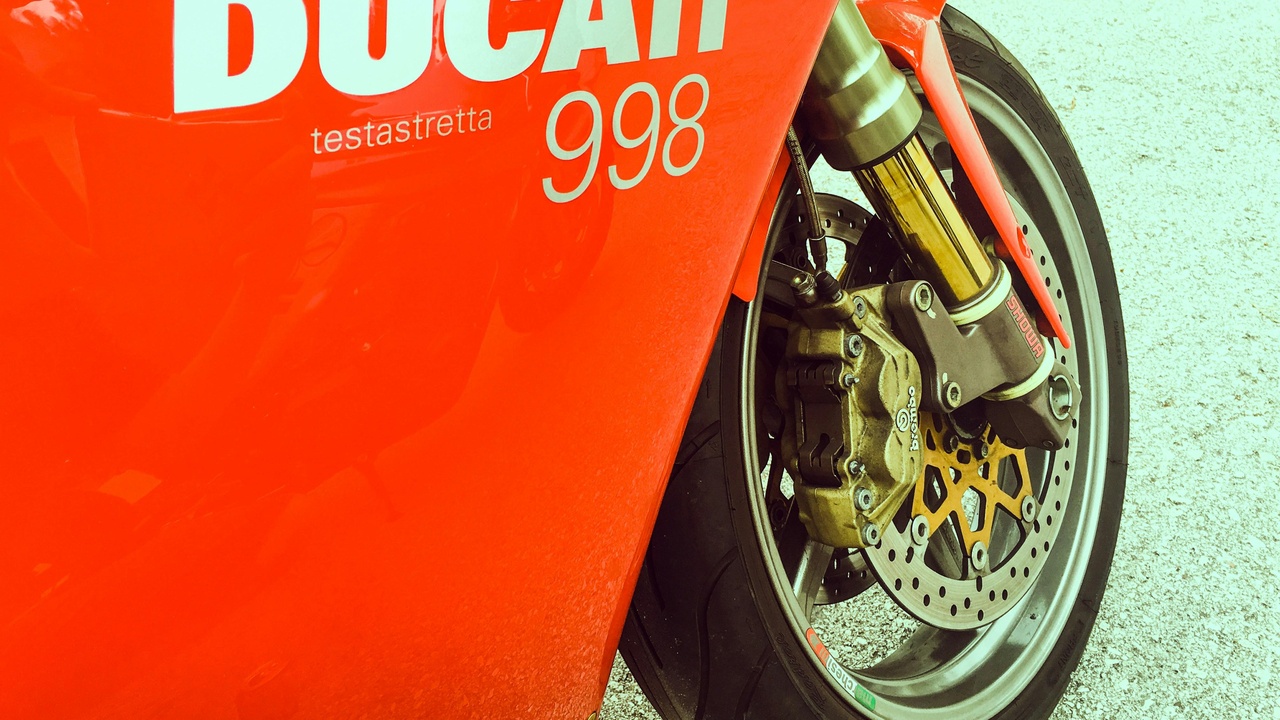
Some Italian models became enduring favorites because they balanced day-to-day usability with distinctive personality. These are bikes you could ride every weekend: nimble naked machines, comfortable sport-tourers, and small-batch builds that married proven engines to clever chassis work.
9. Ducati Monster (1993) — the bike that started the naked-bike craze
Launched in 1993, the Monster used a trellis frame and an exposed-mechanical aesthetic with engines derived from the 900 platform. That combo made it approachable, easy to customize, and perfect for urban riding or weekend canyon runs.
The Monster spawned dozens of variants and helped define the naked-bike segment, remaining popular with riders who want simplicity and character over complex electronics.
10. Moto Guzzi Le Mans (1976) — sport-touring with soul
Introduced in the mid-1970s, the Le Mans paired large-displacement transverse V-twin character with stability at speed. The roughly 850cc variants from the era offered comfortable long-distance manners while still rewarding a push through fast sections.
Riders still use Le Mans models on vintage tours. Many modern Moto Guzzi designs borrow cues from this balance of comfort and sporting capability.
11. Ducati Pantah (1979) — a technical pivot toward modern Ducatis
The Pantah arrived in 1979 and introduced a belt-driven camshaft setup and a compact L-twin layout that set a new engineering direction for Ducati. Variants in the 500–650cc range helped prove the concept before it scaled to larger displacements.
For restorers and engineers, the Pantah is a clear technical milestone between bevel-drive machines and the later, more familiar belt-cam Ducatis.
12. Bimota DB1 (1980s) — boutique engineering with Italian flair
Bimota made a name by fitting proven engines into lightweight, bespoke frames. The DB1 of the 1980s exemplified that approach: focused chassis work, quality suspension, and low production numbers that emphasize handling and exclusivity.
Collectors prize DB1s for their rarity and unique ride feel. Bimota’s experiments pushed chassis innovation in ways that larger manufacturers later adopted.
Collectors’ favorites and unexpected classics
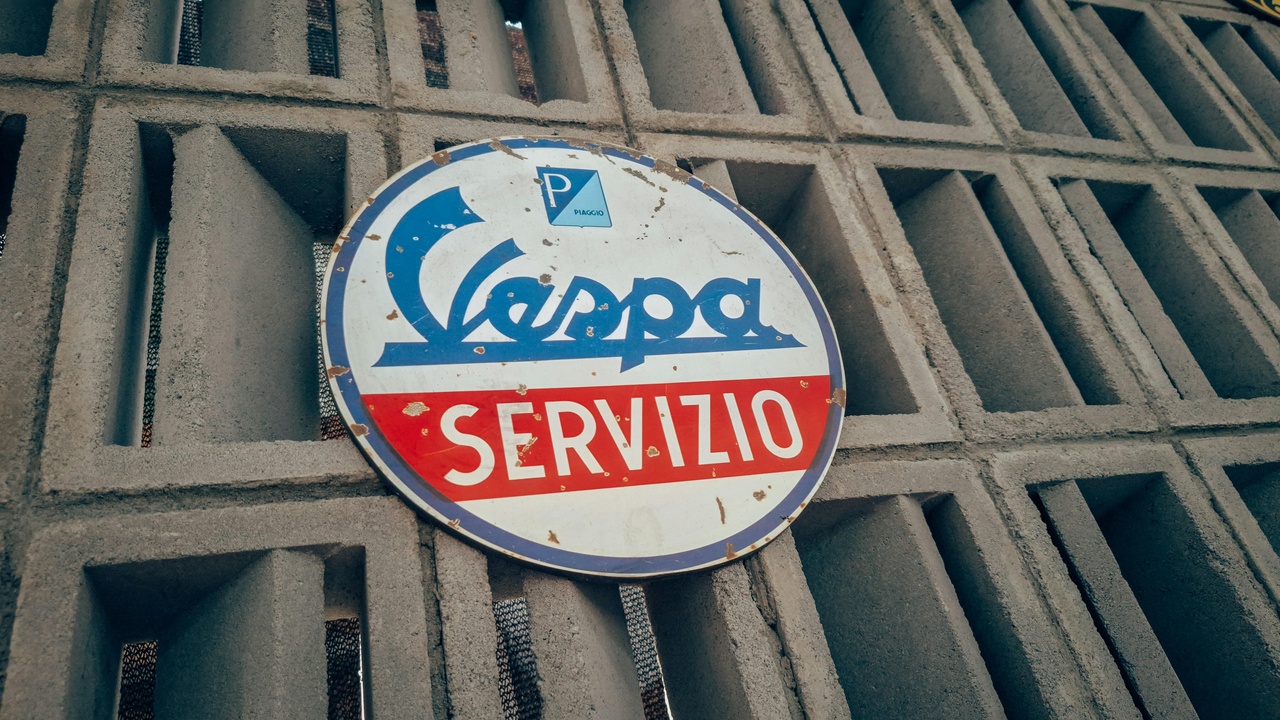
Not every desirable classic is a superbike. Scooters, rally-derived machines, and small-displacement models can gain collectible status through cultural impact, limited runs, or motorsport heritage. These oddballs often tell the richest stories.
13. Vespa 150 GS (1955) — the scooter that became an icon
The Vespa 150 GS arrived in 1955 as a streamlined, practical scooter with a 150cc two-stroke single designed for city life. Its easy maintenance and attractive styling helped it cross into film and fashion, making it a cultural symbol as much as a mode of transport.
Restored GS models are show-stoppers at design and motorcycle events and illustrate how a pragmatic vehicle can achieve lasting cultural cachet.
14. Cagiva Elefant (late 1980s) — rally-bred adventure before its time
Cagiva’s Elefant models emerged in the late 1980s with a clear focus on off-road endurance and rallying. Often fitted with 650–750cc engines depending on the year, the Elefant carried real Dakar heritage and rugged geometry for long-distance off-road work.
The Elefant appeals today to riders and collectors who value real rally provenance and a bike that was built to go far, over rough ground.
15. Moto Morini 3½ (1970s) — small-displacement charm with character
Moto Morini’s 3½ models from the 1970s (roughly 350cc class) offered light weight, peppy performance, and approachable maintenance. They’re the kind of classic that modern riders can actually use without a trailer full of spares.
These machines suit weekend club events and riders who prefer nimble handling and charming mechanical simplicity over large-displacement complexity.
Summary
- Italian marques combined distinctive design with practical engineering, producing machines that still influence riders and factories today.
- Heritage models from Moto Guzzi, Ducati, Gilera, and Benelli introduced technical choices—shaft drives, bevel and belt cams, unusual cylinder layouts—that shaped later designs.
- Race-bred bikes like the Ducati 916 and MV Agusta machines raised brand cachet and proved how track ideas can improve road behavior.
- Everyday classics such as the Monster and Le Mans show that usability and character can be as collectible as outright performance.
- Classic italian motorcycles continue to reward those who attend vintage shows, study technical pivots like the Pantah, or test-ride restored examples to understand their appeal.