When Robert McLaughlin opened his Oshawa carriage-turned-car works in 1907, he helped ignite an auto industry that would produce distinctly Canadian makes and market-specific models.
These 12 classic Canadian cars — from daring homegrown experiments to dealer-specific full-size models — tell the story of Canada’s automotive identity: practical adaptations, bold gambles, and regional tastes that shaped North American car culture. They matter because they show how local economics, government policy, and dealer networks produced cars and trims you won’t find in U.S. showrooms, and because many have become highly collectible for their rarity and quirky design details.
For this list, a “classic Canadian car” means one of three things: a homegrown marque or model developed in Canada, a Canada-only trim or dealer-branded vehicle, or an otherwise notable car built in Canadian factories with market-specific features. Below are a dozen standout examples, grouped into Homegrown Icons, GM & Dealer Specials, and Short‑lived Experiments & Collectibles.
Homegrown Icons: Canadian-born marques and models
Canada’s early automotive identity was shaped by a handful of local manufacturers and ambitious regional projects that reflected the country’s geography and market size. Manufacturing hubs such as Oshawa (Ontario), Windsor (Ontario) and Hamilton supported plants that produced vehicles adapted to Canadian tastes and climates.
Homegrown marques matter because they link industrial history to local communities: they created jobs, trained skilled tradespeople, and sometimes evolved into Canadian divisions of larger American firms. Market needs—cold-weather reliability, smaller production runs for local dealers, and tariff-driven badge engineering—meant Canadian cars could differ meaningfully from U.S. counterparts.
Two striking examples are the Bricklin SV-1, an audacious safety sports car developed in New Brunswick, and the McLaughlin‑Buick lineage from Oshawa that anchored Canada’s early auto industry. Both illustrate how local resources and politics shaped automobile production in Canada.
1. Bricklin SV-1 (1974–1975) — Canada’s daring safety sports car
The Bricklin SV-1 is an icon of Canadian automotive ambition and one of the most memorable homegrown experiments; roughly 2,854 were produced during its brief 1974–1975 run.
Conceived as a “safety sports car,” the Bricklin featured gullwing-style doors, energy-absorbing bumpers and a composite body intended to resist rust. Mechanically it relied on off‑the‑shelf American components (AMC and later Ford/AMC powertrains in various examples), which simplified development but didn’t solve supply-chain headaches.
The project was provincially backed by New Brunswick, which invested in a local factory to stimulate employment. Political controversy, cost overruns and inconsistent parts sourcing hampered long-term viability, yet the Bricklin’s unusual styling and low numbers make well-documented examples desirable at auctions today.
2. McLaughlin‑Buick (early 1900s) — the engine of Canada’s auto start
Sam McLaughlin and his family founded a carriage and then automobile works in Oshawa in 1907; the McLaughlin Motor Car Company quickly became synonymous with early Canadian auto manufacture.
By building bodies and assembling vehicles locally, McLaughlin partnered with Buick for engines and quickly cemented a reputation for quality. The McLaughlin‑Buick name persisted until the company merged into General Motors of Canada (around 1918), creating an industrial consolidation that ensured Oshawa remained central to Canadian car production for decades.
Beyond brand history, the McLaughlin plant anchored local economies and supplied skilled labor that later fed larger auto operations, while the McLaughlin‑Buick badge signaled Canadian-market variations that collectors still track in early Buick registries and museum collections.
3. Monarch (1946–1961) — Ford of Canada’s mid-market answer
Monarch was Ford of Canada’s Canada‑only brand positioned between basic Fords and the more upscale Mercury, introduced after World War II to fill a market gap without importing U.S. Mercurys.
Monarchs typically used Ford mechanicals with upgraded trim, unique grilles and interior appointments that gave buyers a slightly more refined car at a lower price than an American Mercury. The strategy let Ford dealers offer a multi-tier lineup without the cost of separate imports.
Collectors value Monarchs for their distinctive badging and examples of mid‑century Canadian dealer strategy; surviving cars often reveal subtle trim differences that help authenticate Canadian-market models.
4. Meteor (1949–1976) — Ford Canada’s unique full-size offering
Meteor was another Ford of Canada brand, sold alongside Ford and Mercury dealerships between about 1949 and 1976, aimed at buyers in smaller towns and rural markets.
Meteors often combined Ford bodies with Mercury trim or used unique combinations of parts to create models that looked different from U.S. products while keeping costs down. They were practical, roomy full-size cars that appealed to Canadian families and fleets.
Today Meteors are collectible for their regional identity and the way they illustrate badge-engineering tailored to Canadian dealer needs; typical engine choices mirrored Ford’s North American offerings but with Canada-specific option packs.
GM Canada & Dealer Specials: Models built for Canadian buyers
GM Canada and other manufacturers routinely created dealer-specific models and unique trims for the Canadian market, often because of tariff rules, dealer layouts and buyer preferences. These strategies produced badge‑engineered cars that blurred the lines between Chevrolet, Pontiac and Oldsmobile for Canadian customers.
Tariff and content rules encouraged local assembly and sometimes required alternative naming or packaging; dealers then marketed these vehicles as unique offerings tailored to Canadian tastes. That is why names like Acadian, Beaumont and Parisienne became familiar north of the border.
For collectors the appeal is twofold: these models represent a distinct Canadian automotive chapter, and some parts and trim pieces remain rare, making intact examples valuable to enthusiasts who appreciate regional variants.
5. Pontiac Acadian (1962–1971) — a Canadian Chevy II with Pontiac flavor
The Pontiac Acadian debuted in 1962 as a Canadian-market compact that used Chevrolet platforms (notably the Chevy II) but carried Pontiac grilles, trim and dealer packaging tailored to Pontiac showrooms.
Acadians offered the mechanical simplicity of Chevrolet small-block engines with Pontiac‑style badging and interior appointments, giving buyers Pontiac appeal without the mechanical differences of U.S. Pontiacs. Common body styles included coupe and sedan, with popular engine choices drawn from Chevrolet’s lineup.
Period dealer advertising emphasized the Acadian’s Pontiac styling cues, and today collectors look for original trim, paperwork and distinctive Canadian dealer accessories when valuing these compact classics.
6. Chevrolet Beaumont (1964–1969) — a uniquely Canadian mid-size
Introduced in 1964, the Beaumont was GM Canada’s mid-size answer that shared the Chevelle platform but featured unique grilles, interior trim and option packages for Canadian Chevrolet dealers.
Beaumonts often carried trim combinations not offered in U.S. Chevelles, and that distinct appearance fuels collector interest today. Typical engine and transmission pairings were similar to Chevelle choices, though some option codes and interior bits are Canada-specific.
Restorers commonly note trim part scarcity as a challenge; original Beaumont grilles, emblems and upholstery patterns can command premiums when they surface at swap meets or auctions.
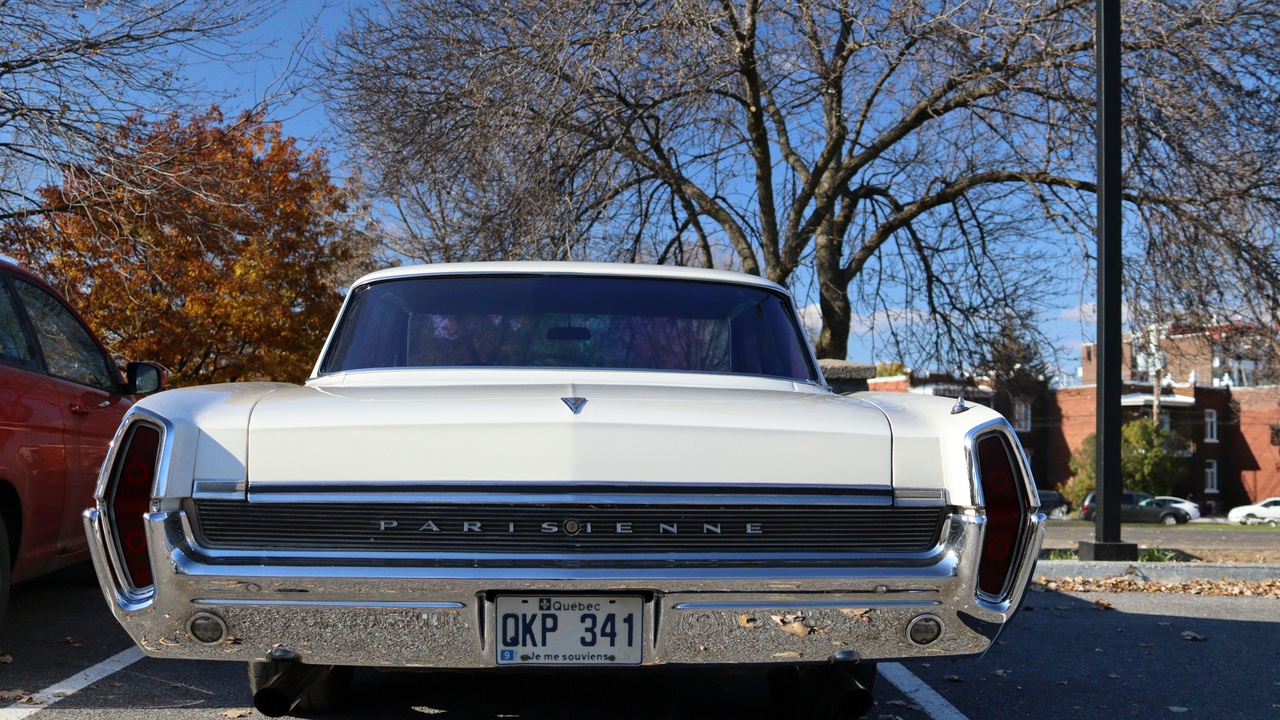
7. Pontiac Parisienne (late 1950s–1986) — Canada’s full‑size staple
The Parisienne emerged in the late 1950s as Pontiac’s full-size model in Canada and eventually became one of GM Canada’s steady sellers into the 1980s, favored by large families and fleet buyers.
Parisiennes frequently used Chevrolet body shells with Pontiac styling touches—grilles, instrument panels or trim—making them economical to produce but distinct in appearance. That combination made them a common sight as taxis, police cars and fleet vehicles across Canadian cities.
Because many Parisiennes spent time in commercial service, survivability varies by year; collectors prize clean, low‑use examples and well-documented police or taxi histories can add provenance for certain models.
8. Plymouth Valiant / Chrysler Canadian variants (1960s) — small cars with local flavor
Smaller U.S. models like the Plymouth Valiant were often built or marketed with Canadian-specific trims and options; Windsor-area plants and other facilities produced Valiants for local dealerships during the 1960s.
Compacts appealed to Canadian buyers for fuel economy and ease of winter driving, so manufacturers adapted option packages and trim levels to suit regional demand. The result was a family of cars that looked familiar to U.S. buyers but sometimes had different standard equipment lists north of the border.
Collectors interested in these models should watch for Canadian option codes, factory plates and assembly stamps that confirm provenance and can affect rarity and value.
Short‑lived Experiments & Collectibles: Niche makers and rare finds
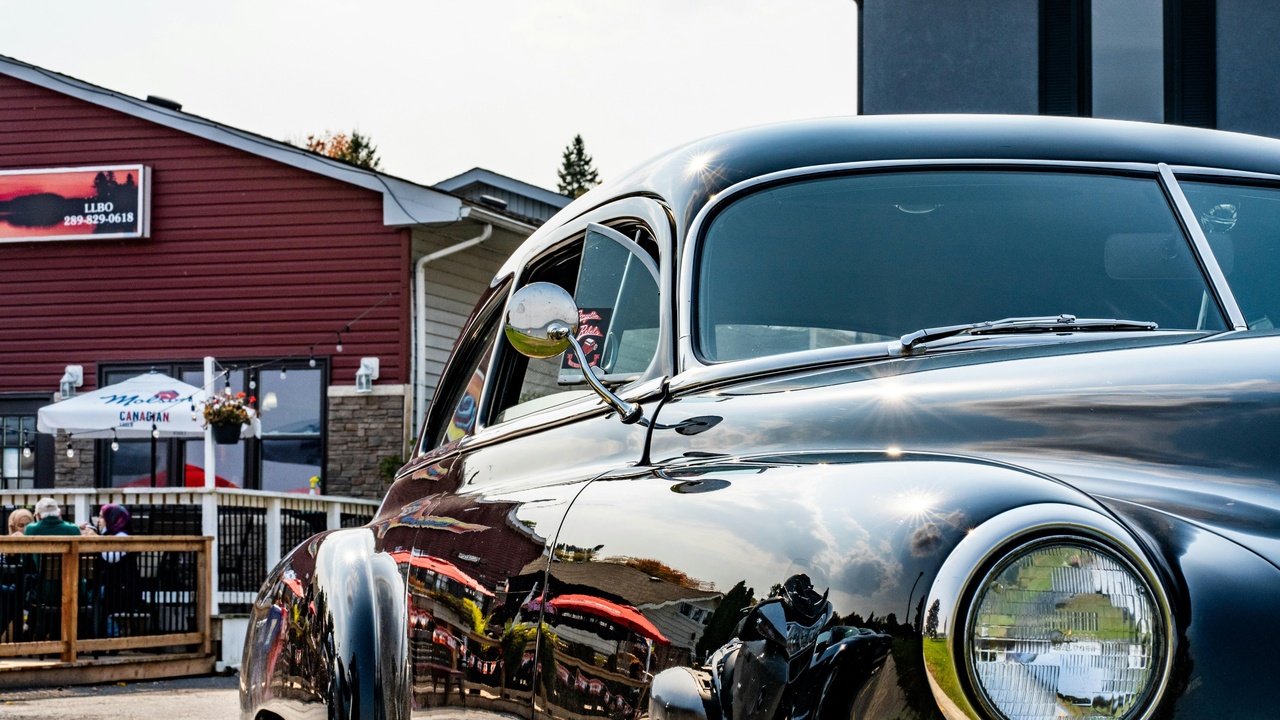
Beyond large manufacturers, Canada’s automotive story includes boutique coachbuilders, small-volume sports cars and short-lived ventures that left an outsized impression on collectors. These makers often combined European styling or coachbuilt bodies with North American drivetrains to create eye-catching, low-volume cars.
Rarity increases collector appeal, but it also means production figures and dates should be verified against authoritative sources. Many surviving examples show excellent craftsmanship, and museums or private collections are the best places to see them up close.
Below are a few notable entries that illustrate coachbuilt quality, regional entrepreneurship and how Canadian-built American models developed their own character.
9. Intermeccanica Indra (early 1970s) — boutique sports car with Canadian ties
Intermeccanica, while founded by an Italian émigré, produced certain models in Canada in the early 1970s, with the Indra program representing a small-volume sports car effort linking European styling to North American mechanicals.
Indras featured coachbuilt bodywork and commonly used Ford or Chevrolet V8s, giving them reliable performance and parts availability despite exotic looks. Exact production totals vary by source, so collectors should consult verified registries when assessing rarity.
These cars attract enthusiasts who value uncommon coachbuilt proportions and the blend of Italianate design with familiar American powertrains, often resulting in spirited restoration projects and boutique resale interest.
10. Russell Motor Car Company (early 1900s) — Toronto’s early automaker
Russell was among Canada’s earliest carmakers based in Toronto, operating from the early 1900s into the 1920s and producing both passenger cars and commercial trucks.
The company’s vehicles are now primarily museum pieces or archival curiosities; surviving Russell cars illustrate coachbuilt body styles and the evolution from carriage building to powered vehicles during Canada’s industrialization.
Because Russell output was limited and documentation sparse, surviving examples are valuable to historians and collectors, and they often appear in Canadian automotive museums or special exhibitions.
11. Studebaker Champions and Canadian-built American models
Several American marques built models in Canada that acquired local characteristics; Studebaker’s Champion and similar models illustrate how assembly in Canadian plants sometimes led to differences in trim, badging or option availability.
Canadian-built American cars met local content and tariff rules, and they often included Canada-only equipment packages. Collectors prize these variants for the subtle differences that distinguish a Canadian-spec vehicle from its U.S. sibling.
When researching these cars, look for factory plates, cowl tags and archival sales materials that confirm Canadian assembly and help establish provenance for valuation purposes.
12. Other noteworthy rarities (collectible examples and what to watch for)
Beyond the named models, Canada’s classic-car scene is full of coachbuilt bodies, dealer-only option packages and small makers whose surviving cars surface at regional auctions and shows.
Prospective buyers and collectors should watch for common preservation issues—rust from salted roads, missing trim and scarce parts—and should verify provenance through provincial registration records or museum archives when possible.
Names and examples to watch for at Canadian auctions include coachbuilt sedans with unique badging, dealer-edition interiors, and low-volume imports with Canadian assembly stamps that confirm their place in regional automotive history.
Summary
- Canada’s automotive heritage blends homegrown marques, dealer‑specific models and boutique experiments that reflect local industry, policy and market tastes.
- From the Bricklin SV-1 to GM Canada’s Beaumont and Acadian, these Canadian car classics show how assembly locations and dealer strategies produced regionally distinct vehicles.
- Collectors should verify production numbers and provenance (province registration, cowl plates) and be prepared for parts scarcity, especially with low-volume and coachbuilt examples.
- See these cars in person: visit local classic-car shows, regional museums (Oshawa, Windsor and Toronto collections), and auction listings to appreciate their craftsmanship and historical context.