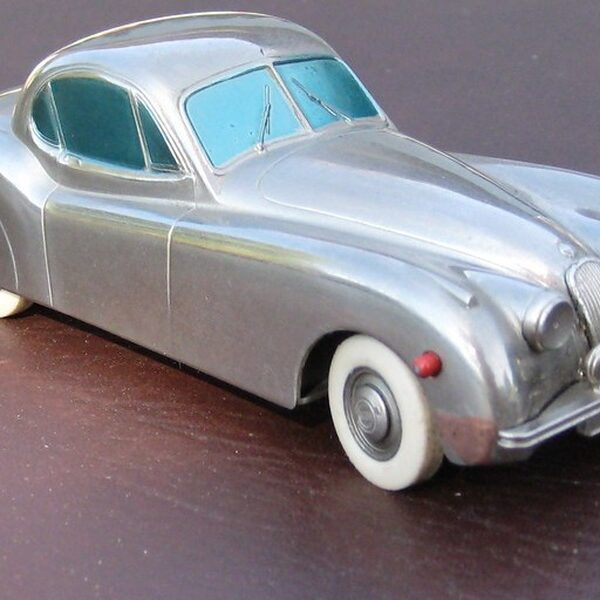
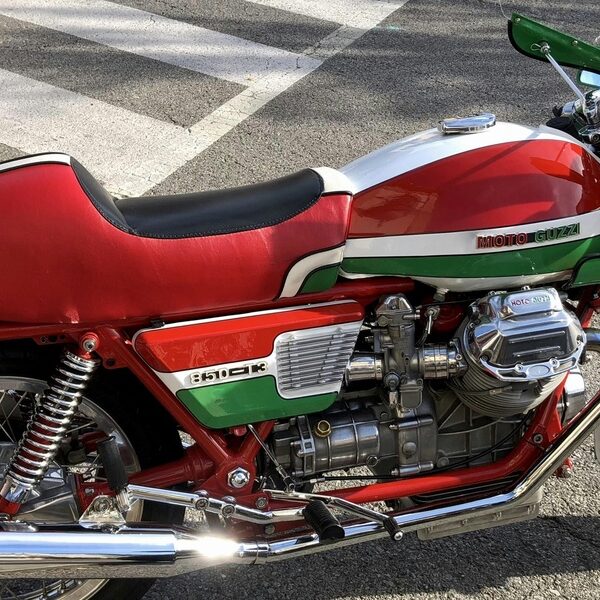
When the Mini debuted in 1959 it changed how the world thought about small cars—packing surprising space, flair, and clever engineering into a 10‑foot package. Britain’s golden motoring decades, roughly the 1930s through the 1970s, produced everything from hand‑built coachwork to race‑winning prototypes, and those years still shape car design, competitions and collector tastes today. Enzo Ferrari reportedly called the Jaguar E‑Type “the most beautiful car ever made,” and that kind of high praise helped cement these machines as cultural touchstones.
This curated list walks through 15 quintessential models grouped into four categories—Design & Luxury Icons; Sports & Racing Legends; Small & Ingenious Compacts; and Utility, Off‑Road & Cult Classics—and explains what makes each one coveted now. For every entry you’ll find the era, hallmark specs, why it mattered (racing wins, film appearances, or design influence), and practical collector notes on provenance and restoration. Expect concise, example‑driven profiles that make it easy to spot what to look for in classic british cars and where to dig deeper.
Design & Luxury Icons
Postwar Britain exported an image of refined taste through coachbuilt bodies, hand‑finished interiors and distinctively British proportions. From bespoke drophead coupes to long‑bonnet grand tourers, these cars fused artisan craftsmanship with fashionable styling and, often, celebrity associations that drive collector interest today. Limited production runs, matching‑numbers provenance and famous film or ownership histories are common market drivers; auction houses regularly record seven‑figure results for the rarest, well‑documented examples. Collectors watching prices focus on originality of coachwork, condition of walnut and leather, and documented service history from maker archives or heritage trusts. Below are four standout luxury icons and what to know if you’re eyeing one at auction or a concours.
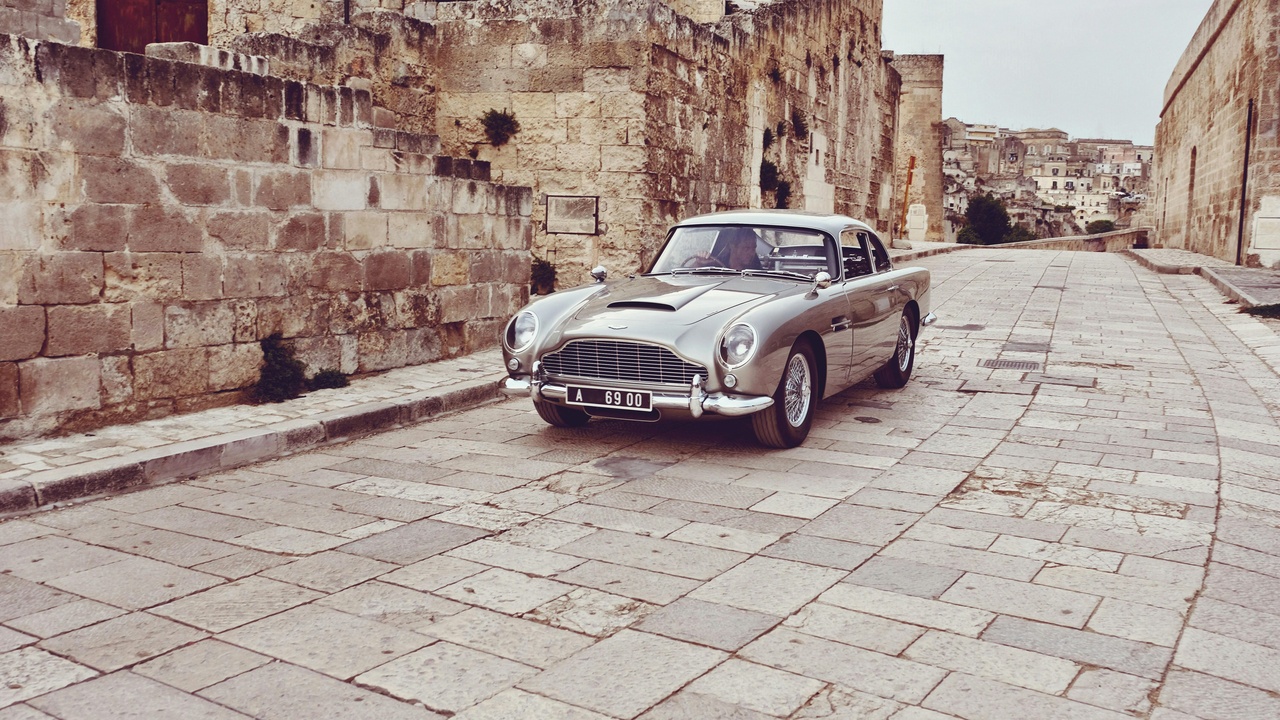
1. Aston Martin DB5 (1963–1965)
The DB5 is shorthand for suave British luxury and cinematic spycraft—its 1964 appearance in Goldfinger made an instant cultural icon. Built on Aston Martin’s Tadek Marek‑tuned six‑cylinder platform, the standard DB5 used a 4.0‑litre inline‑six with twin SU or optional Weber carburettors, producing around 282 bhp in factory tune and enough for brisk grand‑touring performance in its day.
Only a few thousand DB4/5 variants were built, and the DB5’s limited run plus Bond provenance push well‑documented cars into the millions at top houses. Buyers look to Aston Martin Works (heritage/works records) to verify matching‑numbers engines, original gearboxes and chassis. Concours restorations and cars with film associations command the highest premiums; cosmetically correct trim, correct centre lock wheels and documented service history are must‑checks.
2. Jaguar E‑Type (1961–1975)
The E‑Type is a touchstone of automotive beauty and performance—debuting in 1961 with a drama‑filled silhouette and independent rear suspension that delivered both looks and pace. Early Series 1 cars used the straight‑six XK engine (3.8L then 4.2L), with later V12s arriving in the Series 3 models; top speeds in period exceeded 150 mph in tuned examples.
Production ran for more than a decade, and today the E‑Type’s value hinges on series, originality and condition. Enthusiasts consult the Jaguar Heritage Trust for build records and rely on concours‑quality restorations for top valuations. Whether it’s a roadster at a classic tour or a fixed‑head coupe in a museum, the E‑Type remains a staple of shows and auctions alike.
3. Rolls‑Royce Silver Cloud (1955–1966)
The Silver Cloud reestablished Rolls‑Royce as Britain’s understated luxury flagship in the postwar era. Introduced in 1955, the Cloud combined a smooth 4.9L (later 6.2L) straight‑six/V8 lineage with coachbuilt variants—limousines, drophead coupes and sedanca‑style bodies from specialist coachbuilders.
Owners tended to be private wealth or institutional fleets; today provenance, matching numbers and documented bespoke options determine market value. Restoration of a Silver Cloud often involves specialist trim shops and coachwork experts, and parts networks benefit from Rolls‑Royce Heritage and national collections such as The National Motor Museum. Original timber, leather and chrome condition matter hugely to collectors.
4. Bentley Continental S1 (1955–1959)
The Continental S1 was Bentley’s handcrafted grand tourer aimed at wealthy, performance‑minded clients. Launched mid‑1950s, it combined a potent straight‑six with light, elegant coachbuilt bodies—H. J. Mulliner being one notable coachbuilder whose work remains highly prized.
Low production volumes and custom coachwork make original trim and documented coachbuilder history essential for valuation. Restored S1 Continentals show well at concours events, and collectors value unaltered dashboards, correct leather hide and original coach lines when assessing authenticity and price.
Sports & Racing Legends
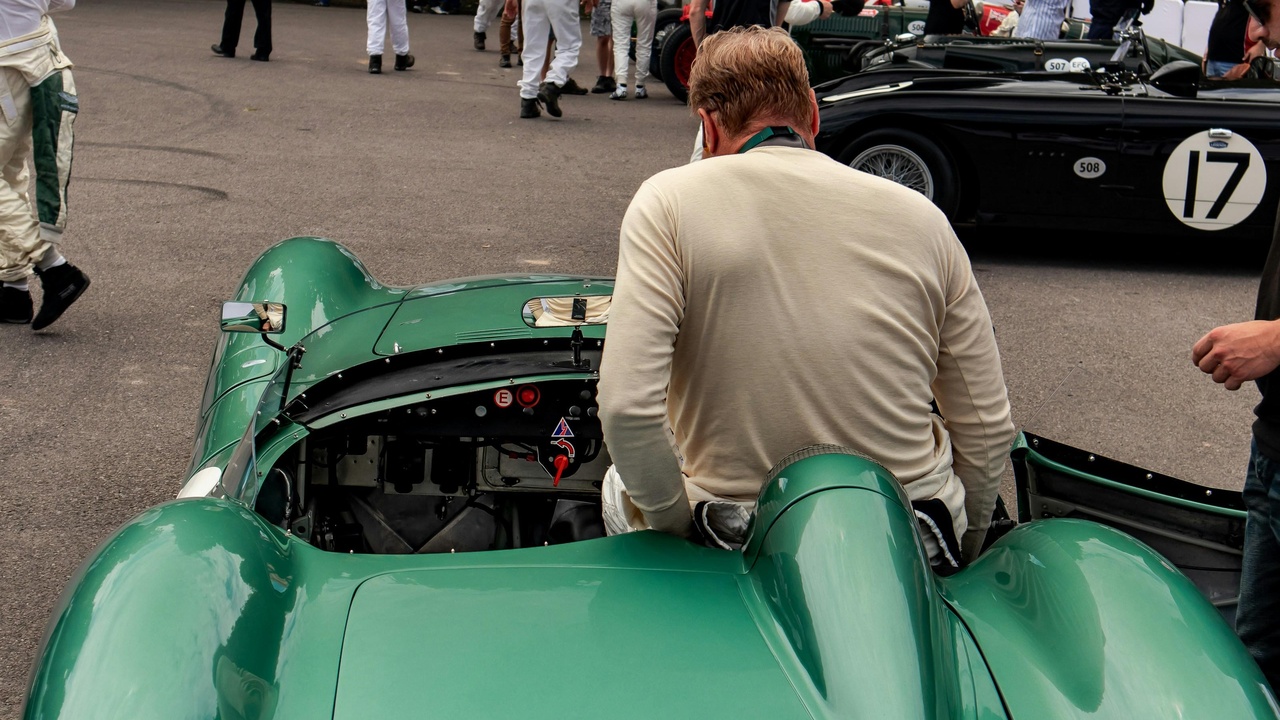
Britain’s motorsport DNA produced lightweight, nimble sports cars and race cars that dominated events from Le Mans to the Monte Carlo rally. Racing success boosted desirability: wins on the track translated into higher auction prices and legendary reputations. For these models, collectors track race records, engine spec and documented competition history—often those details matter more than cosmetic perfection.
Many of these cars started life as road‑legal machines or were homologated for competition, so you’ll find period‑correct parts, tuners and specialist restorers who focus on returning them to track condition. Below are four examples where race pedigree defines legacy and value.
5. Jaguar D‑Type (1954–1957)
The D‑Type was designed purely for endurance racing and brought Jaguar multiple Le Mans victories in the 1950s. Built around the XK straight‑six with lightweight monocoque elements and a distinct aerodynamic tail fin, it was optimized for long‑distance speed and stability.
Authentic race provenance—entry lists, period photos and driver logs—drives value more than just condition. Genuine D‑Types with documented Le Mans or Goodwood histories command extreme collector interest; consult Jaguar Heritage and Le Mans archives when verifying a car’s competition record.
6. AC Cobra (1962–1967)
The AC Cobra is an Anglo‑American hybrid: a lightweight AC chassis mated to Ford V8s, from 4.7L small‑block mills up to 7.0L big‑blocks in later/GTS variants. Carroll Shelby’s tuning and racing program turned the Cobra into a brutal, short‑wheelbase weapon with blistering straight‑line performance.
Collectors prize chassis authenticity and correct engine/transmission pairings; reproductions and continuation cars are common, so documentation is essential. Cobras remain popular at historic race events and auctions, and expert inspection of welds, chassis plates and VIN data is critical before purchase.
7. Lotus Elan (1962–1975)
The Elan redefined the lightweight sports car: a fiberglass body over a backbone chassis kept weight low and handling sharp, despite modest horsepower from four‑cylinder engines. Colin Chapman’s “simplify, then add lightness” philosophy shines through in the Elan’s agility and driver focus.
Its innovative packaging influenced later sports cars, and today Elans are loved for weekend drives and historic rallies. Enthusiasts watch for fiberglass condition, chassis alignment and suspension wear; specialist restorers and parts suppliers keep these cars roadworthy and competitive.
8. Triumph TR3/TR6 family (1955–1976)
The Triumph TR series offered accessible, robust sports motoring across two decades. Starting with the carburetted TR3 and evolving through to the larger TR6 (with twin‑carb or fuel‑injected setups depending on market), Triumph mixed classic British flair with straightforward mechanicals.
These cars are frequent entry points for restorers and amateur racers because parts are plentiful and communities are active. Common checks include floor‑pan corrosion, steering/rack wear and the condition of period electricals; clubs provide a wealth of tech advice and parts sources.
Small & Ingenious Compacts
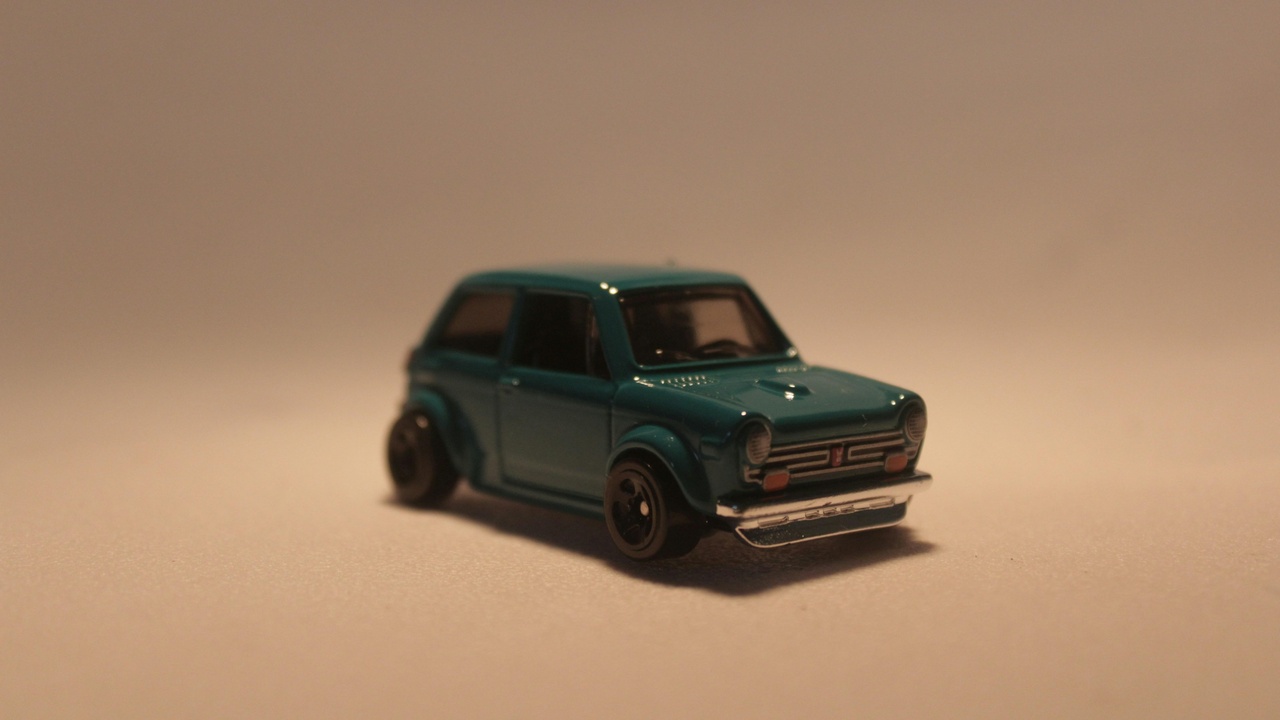
British engineers excelled at packaging and economy, producing compact cars that made motoring affordable and fun. Transverse engines, front‑wheel drive and clever space solutions helped cars like the Mini dominate urban life and even motorsport in their era. Production totals for some models were high, so survivors are common; that widespread availability keeps parts supplies healthy and ownership costs manageable.
Small cars also punched above their weight in competition—Mini Coopers won Monte Carlo rallies in the 1960s—and many modern small performance cars trace their packaging ideas back to these originals. If you’re looking for an approachable classic that’s practical and charismatic, these compact designs are worth a close look.
9. Mini Cooper (1959–1971; classic Minis)
The original Mini reinvented small‑car packaging with a transverse engine and front‑wheel‑drive layout, maximizing interior space within a very short footprint. Launched in 1959, Alec Issigonis’s design proved that small could be clever, economical and surprisingly practical.
The Mini Cooper variants scored notable rally successes in the 1960s—Monte Carlo wins boosted the model’s sporting image. Large production numbers mean parts and clubs are abundant; owners’ clubs remain vital resources for restorations and performance upgrades. Verify body seam condition and subframe integrity when inspecting an older Mini.
10. Morris Minor (1948–1971)
The Morris Minor was a cornerstone of postwar British family motoring, launched in 1948 and remaining in production for more than two decades. Its simple, robust engineering and friendly handling made it a popular choice for everyday use.
Its popularity means many survivors and an active owners’ network—particularly the Morris Minor Owners Club—which helps source panels and mechanical parts. Restomod projects are common, but original‑condition cars with solid floors and tidy mechanicals remain desirable to period purists.
11. Austin Seven (1922–1939)
The Austin Seven did for Britain what the Model T did for America: it put motoring within reach of a wide audience. Introduced in 1922, the Seven’s tiny footprint and simple mechanics influenced small‑car design worldwide and helped spawn motor clubs and grassroots racing.
Museum collections and Austin Seven registers preserve the type’s history; surviving examples are prized by historians and often show in heritage gatherings. When assessing a Seven, check chassis numbers, coachbuilt bodies (where applicable) and the condition of original brass and timber fittings.
12. Hillman Imp (1963–1976)
The Hillman Imp offered an engineering alternative to the Mini: a rear‑mounted, all‑aluminum engine and compact packaging aimed at efficiency and novelty. Introduced in 1963, it was ambitious but suffered teething and reliability quirks in early years.
Today the Imp attracts niche collectors and rally enthusiasts who appreciate its lightweight agility and tunability. Specialist clubs and parts suppliers support restorations; prospective buyers should inspect the engine’s alloy cylinder head and common wear points in the cooling system.
Utility, Off‑Road & Cult Classics

This group values practicality, ruggedness or personality over pure glamour. Wartime and postwar needs shaped vehicles like the Land Rover Series I, while small coachbuilders such as Morgan produced charming, hand‑built sports cars. These models often reward owners who enjoy hands‑on maintenance and the tactile driving experience of older technology.
Collectors are often specialists in this niche: they seek original chassis components, inspect woodframes or off‑road underbodies, and follow maker archives for correct rebuild specs. Below are three examples that capture utility and cult appeal in different ways.
13. Land Rover Series I (1948–1958)
The Series I is the ancestor of the modern Land Rover and an icon of British utility design, launched in 1948 and inspired by wartime needs for a rugged, versatile vehicle. Its simple, boxy design and hardy chassis made it ideal for farms, estates and remote use.
Original Series I vehicles are sought for authenticity; collectors and restorers consult Land Rover Heritage and preservation groups for production figures and correct parts. Well‑preserved examples still work hard in rural settings, and originality of gearbox and axle ratios can affect both value and usability.
14. Morgan Plus 4 (1950s–19600s examples)
Morgan built hand‑crafted, characterful sports cars with ash‑framed bodies and an emphasis on analog driving feel. The Plus 4, typically fitted with four‑cylinder engines in the 2.0–2.2L range during the mid‑20th century, exemplifies low‑volume coachbuilding and bespoke attention to detail.
Owners prize the tactile experience—manual gearboxes, minimal electronics and visible craftsmanship. Evaluating a Morgan often means checking woodwork condition, chassis integrity and factory records; specialist restorers and Morgan factory archives are invaluable here.
15. Austin‑Healey 100 (1953–1956)
The Austin‑Healey 100 is a classic two‑seat sports tourer, offering open‑top motoring with a lively straight‑six and period‑correct coachwork. Produced in the mid‑1950s, it found particular popularity in the U.S. export market where buyers loved its blend of performance and British style.
These cars are frequently restored for vintage tours and rallies; common pre‑purchase checks include brakes, gearbox synchros and body rust in typical donor areas. Owners’ clubs provide parts networks and technical guidance that make ownership both feasible and rewarding.
Summary
- British motoring legacy spans refined coachbuilt luxury, race‑bred sports cars, ingeniously packaged compacts and rugged utility vehicles—each niche attracts different collectors and uses.
- Value drivers include provenance (matching‑numbers engines and documented histories), rarity or coachbuilder pedigree, and condition issues like rust, woodframe health or original trim.
- For reliable information consult manufacturer heritage trusts, national motor museums and major auction house records, and tap owner clubs for technical help and parts sourcing.
- Attend a local classic car show or visit a heritage museum to experience these cars in person; seeing a DB5, D‑Type or a tidy Mini up close quickly reveals why enthusiasts keep them so lovingly preserved.