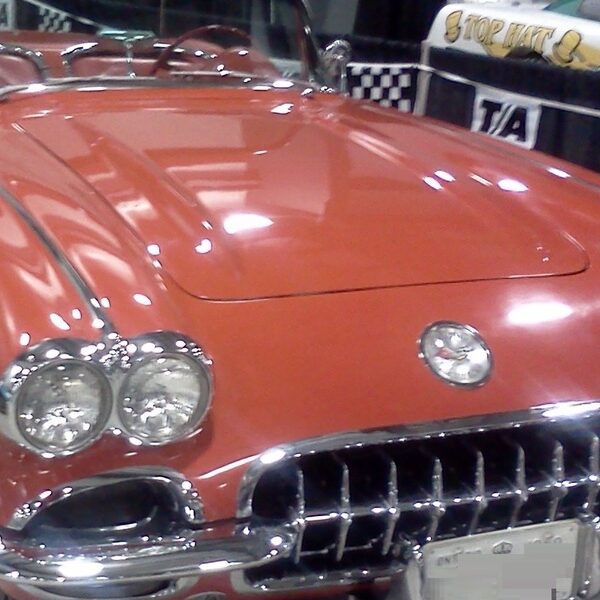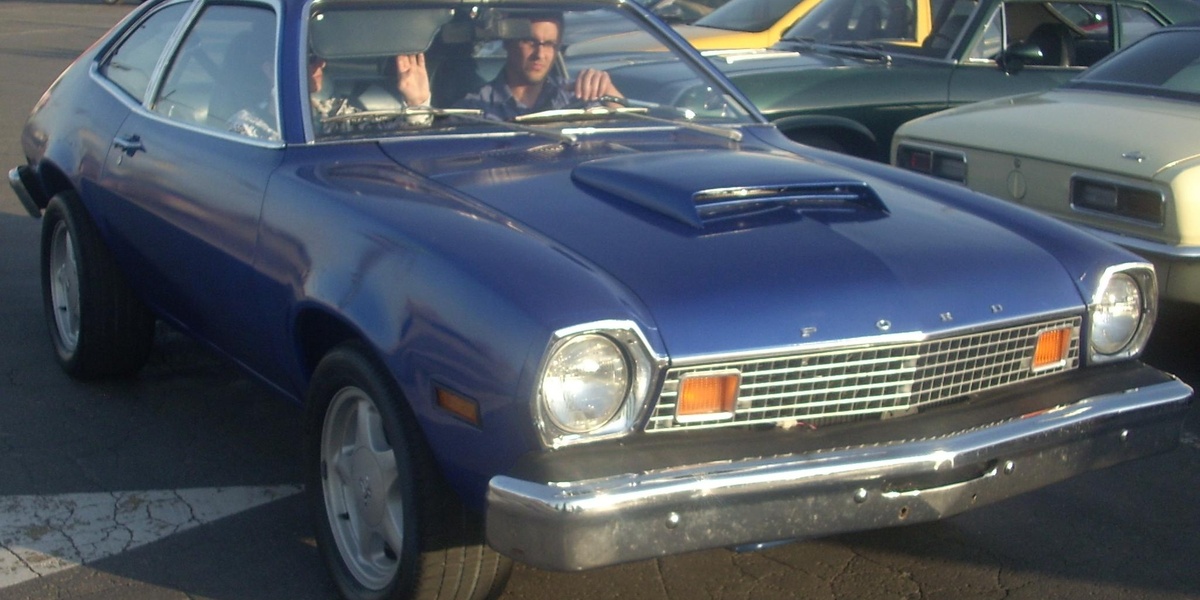
From city streets to small-town cruise nights, American compact cars with a liftgate carved out a practical and collectible niche from the 1970s through the 1990s. These cars blended economy, versatility and personality, and many still pop up at shows or on weekend drives.
There are 39 Classic American Hatchbacks, ranging from AMC Gremlin to Pontiac T1000. Each entry is organized under Years produced,Hatch style,Engine / Power (L / hp) so you can quickly compare production eras, body variants and powertrains — you’ll find below.
How can I tell if a hatchback is an original model or a later conversion?
Check the VIN and factory build sheet when possible, compare trim, interior fittings and hatch hardware to period photos, and look for original paint codes or option stickers; marque clubs and registries can also verify originality and point to reliable documentation.
Are parts and service still available for these older American hatchbacks?
Basic mechanical parts are often obtainable through aftermarket suppliers and salvage yards, while trim, body panels or rare engines may require specialist vendors, reproduction parts or club-sourced swaps; expect some hunting but community resources make restorations feasible.
Classic American Hatchbacks
| Model | Years produced | Hatch style | Engine / Power (L / hp) |
|---|---|---|---|
| AMC Gremlin | 1970–1978 | 3-door | 3.8L I6 / 100 hp |
| AMC Pacer | 1975–1980 | 3-door | 3.8L I6 / 100 hp |
| AMC Spirit | 1979–1983 | 3-door liftback | 4.2L I6 / 110 hp |
| Chevrolet Vega | 1971–1977 | 3-door | 2.3L I4 / 80 hp |
| Chevrolet Monza 2+2 | 1975–1980 | 3-door | 2.5L I4 / 88 hp |
| Oldsmobile Starfire | 1975–1980 | 3-door | 3.8L V6 / 110 hp |
| Buick Skyhawk | 1975–1980 | 3-door | 3.8L V6 / 110 hp |
| Pontiac Sunbird | 1976–1980 | 3-door | 2.5L I4 / 88 hp |
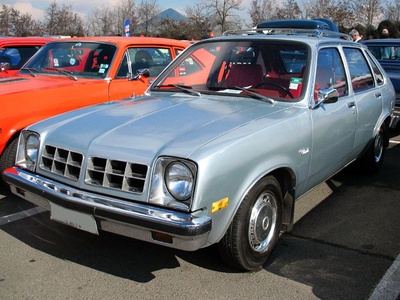
| Chevrolet Chevette | 1976–1987 | 3-door, 5-door | 1.6L I4 / 70 hp |
| Pontiac T1000 | 1981–1987 | 3-door, 5-door | 1.6L I4 / 70 hp |
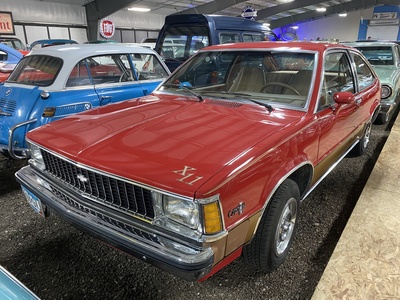
| Chevrolet Citation | 1980–1985 | 3-door, 5-door | 2.5L I4 / 90 hp |
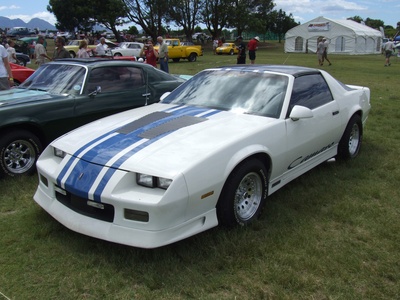
| Chevrolet Camaro (3rd Gen) | 1982–1992 | 3-door liftback | 5.0L V8 / 190 hp |
| Pontiac Firebird (3rd Gen) | 1982–1992 | 3-door liftback | 5.0L V8 / 190 hp |
| Chevrolet Corvette (C3 Hatch) | 1978–1982 | 3-door liftback | 5.7L V8 / 190 hp |
| Chevrolet Corvette (C4) | 1984–1996 | 3-door liftback | 5.7L V8 / 245 hp |
| Chevrolet Cavalier (Gen 1) | 1982–1987 | 3-door liftback | 2.0L I4 / 88 hp |
| Ford Pinto Runabout | 1971–1980 | 3-door | 2.3L I4 / 88 hp |
| Mercury Bobcat Runabout | 1975–1980 | 3-door | 2.3L I4 / 88 hp |
| Ford Mustang II | 1974–1978 | 3-door | 2.8L V6 / 105 hp |
| Ford Mustang (Fox Body) | 1979–1993 | 3-door | 5.0L V8 / 225 hp |
| Mercury Capri (Fox Body) | 1979–1986 | 3-door | 5.0L V8 / 210 hp |
| Ford Escort (Gen 1) | 1981–1990 | 3-door, 5-door | 1.6L I4 / 70 hp |
| Ford EXP | 1982–1988 | 3-door | 1.6L I4 / 70 hp |
| Ford Probe | 1989–1997 | 3-door | 2.2L Turbo I4 / 145 hp |
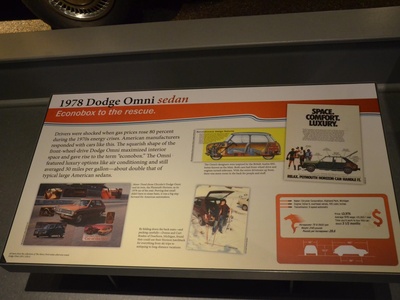
| Dodge Omni / Plymouth Horizon | 1978–1990 | 5-door | 2.2L I4 / 84 hp |
| Dodge Omni 024 / Plymouth Horizon TC3 | 1979–1982 | 3-door | 1.7L I4 / 70 hp |
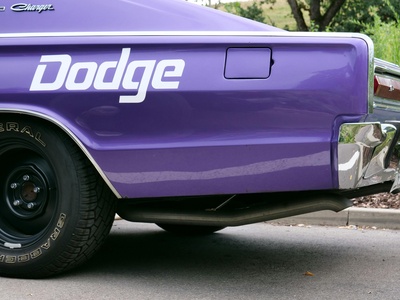
| Dodge Charger (L-Body) | 1982–1987 | 3-door | 2.2L I4 / 96 hp |
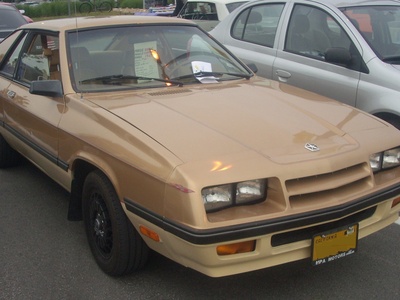
| Plymouth Turismo | 1982-1987 | 3-door | 2.2L I4 / 96 hp |
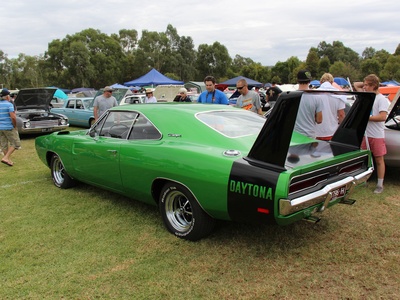
| Dodge Daytona / Chrysler Laser | 1984–1993 | 3-door | 2.2L Turbo I4 / 146 hp |
| Dodge Lancer / Chrysler LeBaron GTS | 1985–1989 | 5-door | 2.2L Turbo I4 / 146 hp |
| Dodge Shadow / Plymouth Sundance | 1987–1994 | 3-door, 5-door | 2.2L I4 / 93 hp |
| Eagle Talon / Plymouth Laser | 1990–1994 | 3-door | 2.0L Turbo I4 / 195 hp |
| Dodge Colt (FWD) | 1979–1988 | 3-door, 5-door | 1.6L I4 / 80 hp |
| Ford Fiesta (Mk1) | 1978–1980 | 3-door | 1.6L I4 / 66 hp |
| Chevrolet Sprint / Geo Metro | 1985–1994 | 3-door, 5-door | 1.0L I3 / 55 hp |
| Ford Festiva | 1988–1993 | 3-door | 1.3L I4 / 63 hp |
| Pontiac LeMans | 1988–1993 | 3-door, 5-door | 1.6L I4 / 74 hp |
| Geo Storm | 1990–1993 | 3-door | 1.6L I4 / 130 hp |
| Merkur XR4Ti | 1985–1989 | 3-door | 2.3L Turbo I4 / 175 hp |
Images and Descriptions
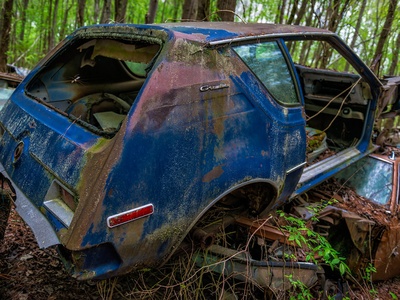
AMC Gremlin
An icon of 1970s subcompacts, the Gremlin’s distinctive chopped-off “Kammback” design was born from a shortened Hornet chassis. It was an economical and quirky choice for buyers, sold in North America and becoming a pop culture symbol of its era.
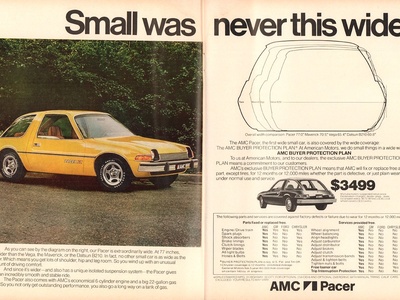
AMC Pacer
Famous for its futuristic “fishbowl” design with vast glass areas, the Pacer was unusually wide for a small car, offering surprising interior space. Its unique look has made it a memorable, if polarizing, classic from the Bicentennial era.
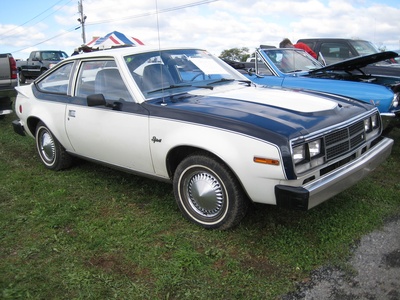
AMC Spirit
Replacing the Gremlin, the Spirit offered a more conventional and aerodynamic liftback design. The sporty Spirit AMX variant with its V8 engine is now a sought-after and collectible model from AMC’s final years, offering a glimpse of American muscle in a compact package.
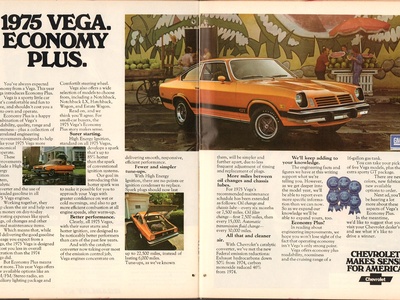
Chevrolet Vega
One of GM’s first subcompacts, the Vega’s stylish hatchback model was very popular despite early engine reliability issues. It represents a major shift by Detroit to compete with imports and is a defining car of the early 1970s.
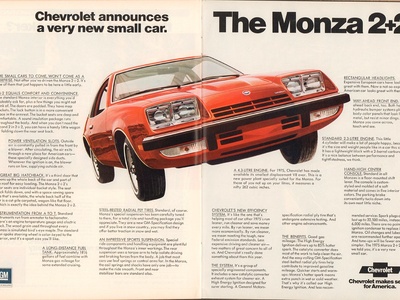
Chevrolet Monza 2+2
A sporty hatchback based on the Vega platform, the Monza offered sleek, European-inspired styling and could even be optioned with a V8. It was a popular personal luxury coupe alongside its Buick, Oldsmobile, and Pontiac siblings during the late 70s.
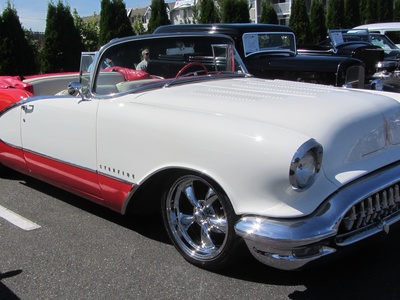
Oldsmobile Starfire
Oldsmobile’s version of the H-body hatchback, the Starfire was notable for being the first Olds to feature a V6 engine as standard. It offered a slightly more upscale take on the sporty compact formula, aimed at a more mature buyer.
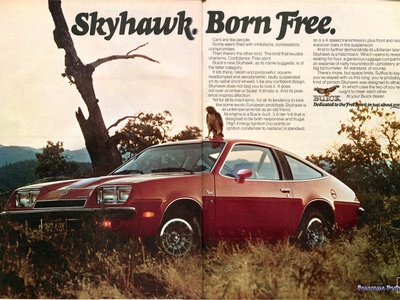
Buick Skyhawk
As Buick’s entry into the subcompact market, the Skyhawk shared its body with the Monza but came standard with a V6, positioning it as a small personal luxury car. It was a stylish and efficient option in the Buick showroom during the fuel crisis.
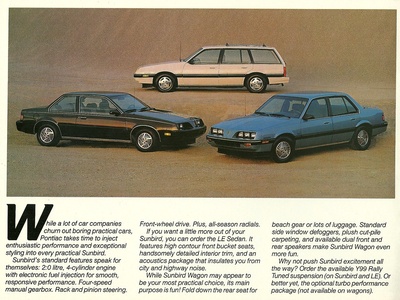
Pontiac Sunbird
Pontiac’s version of the Monza hatchback shared the same sporty mission, often featuring bold graphics and handling packages. It offered buyers a fun-to-drive, economical car with classic Pontiac styling cues that stood out from its corporate cousins.
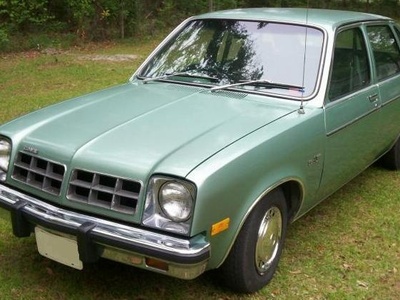
Chevrolet Chevette
GM’s answer to the fuel crisis, the Chevette was a simple, reliable, rear-wheel-drive subcompact that sold in huge numbers. While never fast or luxurious, its affordability and practicality made it a common sight on American roads for over a decade.
Pontiac T1000
A rebadged version of the Chevrolet Chevette, the T1000 was Pontiac’s most fuel-efficient model. It offered slightly different trim and styling but was mechanically identical, serving as an entry-level placeholder in the lineup for years.
Chevrolet Citation
A revolutionary front-wheel-drive design for GM, the Citation offered incredible interior space for its size. Despite a troubled launch and recall issues, its hatchback models were immensely popular and set the template for GM cars for the next decade.
Chevrolet Camaro (3rd Gen)
The third-generation Camaro introduced a modern, angular design with a large glass liftback. The IROC-Z model, in particular, became an icon of 1980s performance, offering V8 power and sharp handling that defined the era for American muscle cars.
Pontiac Firebird (3rd Gen)
The Firebird’s sleek, aerodynamic third-generation design, complete with pop-up headlights and a massive rear hatch, became a star as KITT in “Knight Rider”. The Trans Am and Formula models provided V8 performance to match their futuristic looks.
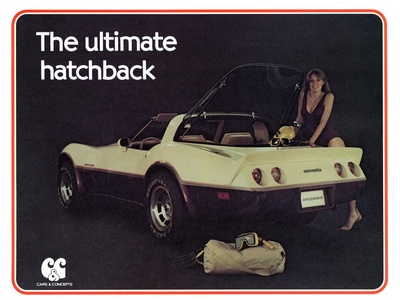
Chevrolet Corvette (C3 Hatch)
Marking the Corvette’s 25th anniversary, the 1978 model introduced a large, aerodynamic fastback-style hatch. This design improved cargo space and updated the C3’s iconic shape for its final years, blending classic style with more modern practicality.
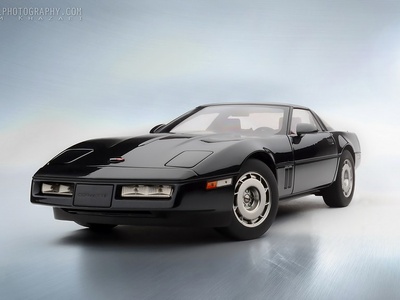
Chevrolet Corvette (C4)
The C4 Corvette was a radical, high-tech redesign featuring a “clamshell” hood and a large, pillarless rear hatch for access. Its futuristic “digital dash” and world-class handling made it a definitive sports car of the 80s and 90s.
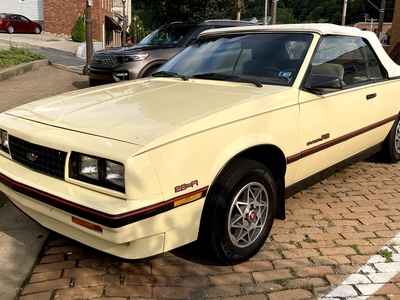
Chevrolet Cavalier (Gen 1)
Part of GM’s front-wheel-drive J-car family, the Cavalier hatchback offered a practical and sporty-looking option in Chevy’s compact lineup. The Z24 version provided a performance boost, making it a popular choice for younger buyers in the mid-1980s.
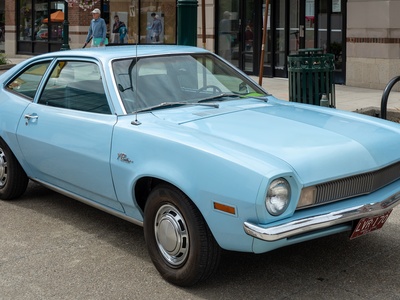
Ford Pinto Runabout
Despite its controversial reputation, the Pinto Runabout was one of America’s first and most popular subcompact hatchbacks. It offered practicality, low running costs, and simple mechanics, selling millions of units to economy-minded buyers throughout the 1970s.
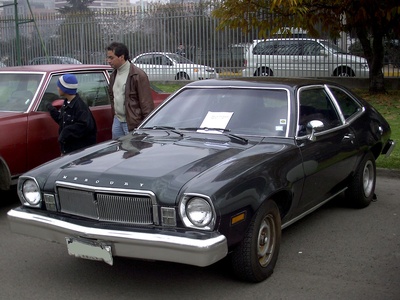
Mercury Bobcat Runabout
The Bobcat was Mercury’s slightly more upscale version of the Ford Pinto hatchback. It featured a unique grille and upgraded interior trim, offering buyers a touch more comfort and style in a familiar, economical package sold at Lincoln-Mercury dealerships.
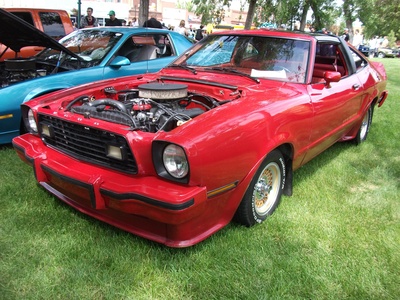
Ford Mustang II
Based on the Pinto platform, the Mustang II was a smaller, more economical car for the fuel-crisis era. The 3-door hatchback model was the sportiest of the lineup and sold extremely well, perfectly capturing the market’s shift away from large muscle cars.
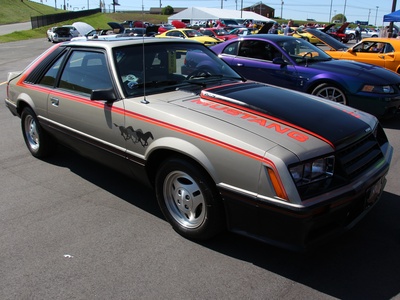
Ford Mustang (Fox Body)
Revitalizing the Mustang name, the Fox Body hatchback became a performance icon of the 80s and 90s. Its light weight, potent 5.0L V8 engine, and huge aftermarket support have made it a lasting favorite for enthusiasts and a true modern classic.
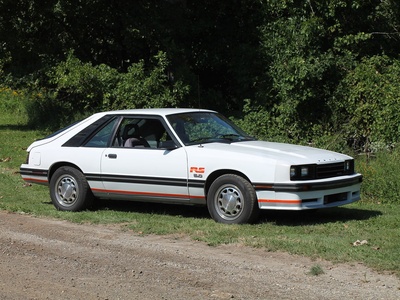
Mercury Capri (Fox Body)
As the Mercury twin to the Fox Body Mustang, the Capri featured a unique “bubble-back” hatch and different styling. It offered the same V8 performance in a slightly different package, and models like the RS are now a rare sight for collectors.
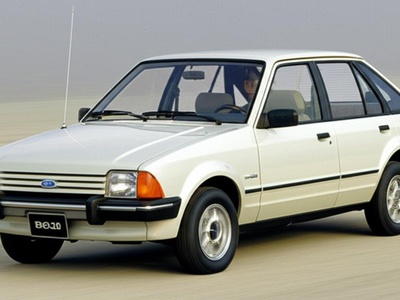
Ford Escort (Gen 1)
Ford’s first front-wheel-drive “world car,” the Escort was a massive sales success in America. Available as a 3-door or 5-door hatch, it offered excellent fuel economy and practicality, becoming one of the best-selling cars of the 1980s.
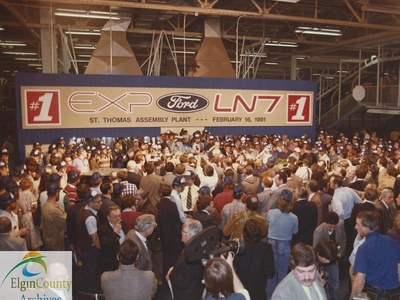
Ford EXP
A two-seat, bubble-hatch coupe based on the Ford Escort, the EXP was marketed as a sporty personal car. Its unique, often polarizing, styling set it apart from other cars on the road, offering an economical yet distinctive ride for two.
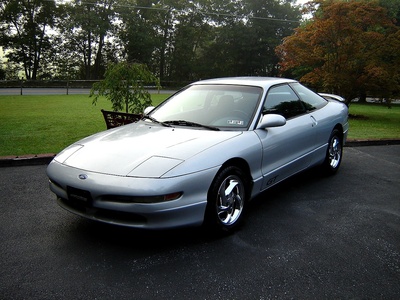
Ford Probe
Developed with Mazda, the Probe was a sleek, front-wheel-drive sports coupe with pop-up headlights and a large glass hatch. The first-generation GT model was praised for its turbocharged engine and sharp handling, making it a popular import fighter.
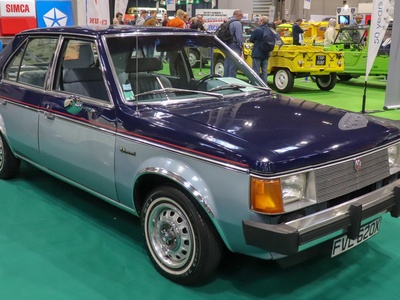
Dodge Omni / Plymouth Horizon
These trailblazing 5-door hatchbacks were Chrysler’s first FWD cars, earning Motor Trend’s Car of the Year in 1978. They brought efficient, space-saving European design to the American masses and were a mainstay of Chrysler’s lineup for over a decade.
Dodge Omni 024 / Plymouth Horizon TC3
These were the sporty 3-door coupe versions of the Omni and Horizon. With a sleek fastback profile and available louvers and spoilers, they offered a stylish, youthful alternative to the more practical 5-door models on which they were based.
Dodge Charger (L-Body)
Reviving a legendary name, this front-wheel-drive Charger was a sporty hatchback coupe. The later Shelby Charger and GLH-S “Goes Like Hell” models, tuned by Carroll Shelby, became giant-killing performance icons and are highly collectible today.
Plymouth Turismo
The Plymouth version of the L-body Charger, the Turismo offered the same sporty hatchback styling. The Duster and TC3 packages added visual flair, appealing to buyers looking for an economical and fun-to-drive compact car with a sporty look.
Dodge Daytona / Chrysler Laser
These FWD sports coupes were defined by their angular styling, hidden headlights, and large glass hatch. The turbocharged models, especially the high-performance Shelby Z, offered impressive speed and handling, making them a hallmark of 80s Mopar performance.
Dodge Lancer / Chrysler LeBaron GTS
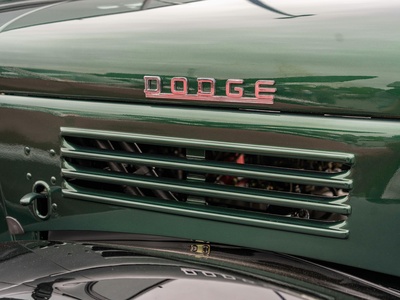
These were upscale, 5-door “touring sedan” hatchbacks based on the K-car platform. They blended the practicality of a hatchback with a more premium feel, offering turbocharged power and a comfortable ride for families who wanted more utility than a standard sedan.
Dodge Shadow / Plymouth Sundance
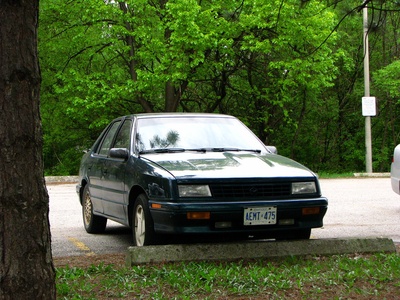
Successors to the Omni/Horizon, these P-body hatchbacks offered solid, affordable transportation. They were notable for including a standard driver-side airbag and available turbo engines, providing a good mix of safety, value, and performance for their time.
Eagle Talon / Plymouth Laser
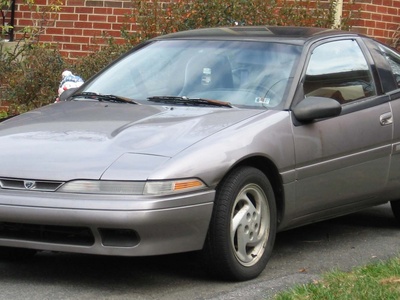
Built in Illinois as part of a joint venture with Mitsubishi, these were quintessential 90s sports coupes. The top-tier TSi AWD and RS Turbo models featured powerful turbocharged engines and all-wheel drive, becoming legends in the import tuning scene.
Dodge Colt (FWD)
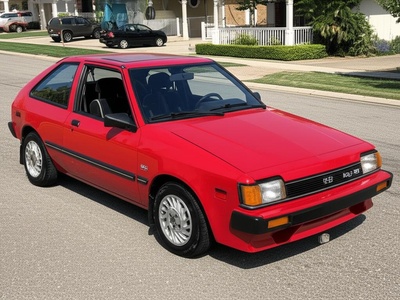
Sold by Dodge but built by Mitsubishi, the front-wheel-drive Colt hatchback was a popular and reliable Japanese import. It was known for its “Twin-Stick” dual-range manual transmission and the surprisingly quick Turbo model, offering great fuel economy and fun.
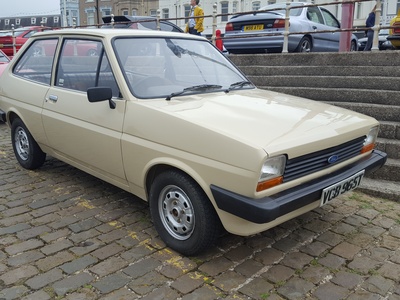
Ford Fiesta (Mk1)
Imported from Germany, the first-generation Fiesta gave Ford a world-class subcompact to fight Honda and VW. It was praised for its sharp handling, efficient packaging, and fun-to-drive nature, establishing a name that would return to the US decades later.
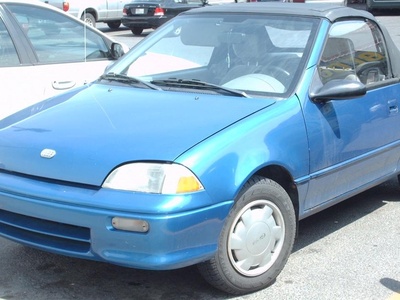
Chevrolet Sprint / Geo Metro
A rebadged Suzuki Cultus, the Sprint and later Geo Metro were champions of fuel economy. Powered by a tiny 3-cylinder engine, they delivered over 50 MPG and provided basic, reliable transportation for the most budget-conscious buyers in America.
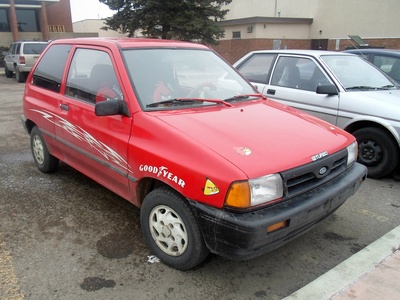
Ford Festiva
Designed by Mazda and built by Kia, the Festiva was sold by Ford as its entry-level hatchback. It was surprisingly roomy inside thanks to its tall profile and offered excellent fuel economy and reliability, becoming a beloved, quirky econobox.
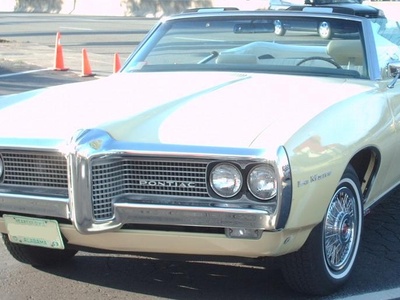
Pontiac LeMans
This version of the LeMans was a rebadged Daewoo LeMans, itself based on a German Opel design. Sold by Pontiac dealers, it was an inexpensive import that offered basic transportation in a practical hatchback body style for entry-level buyers.
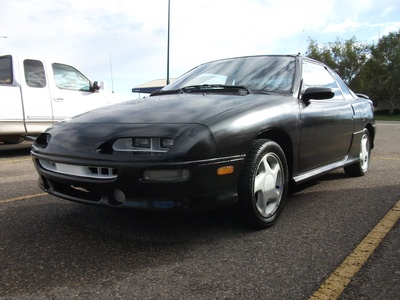
Geo Storm
An Isuzu-built sports coupe sold under Chevy’s Geo brand, the Storm was praised for its sharp “widescreen” styling and excellent handling. The GSi model was particularly fun to drive, making it a popular and stylish choice among affordable 90s hatchbacks.
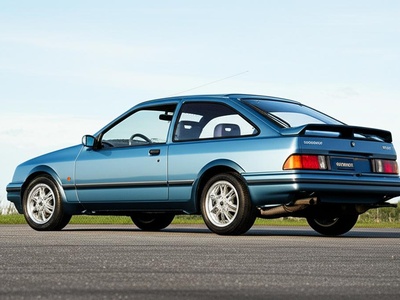
Merkur XR4Ti
A German-built Ford Sierra sold through Lincoln-Mercury dealers, the XR4Ti was a rear-wheel-drive performance hatchback. It was known for its unique bi-plane rear spoiler and turbocharged engine, offering a European driving experience to American buyers.