If you follow European car history or hunt vintage parts, Citroën’s past models offer a neat window into changing design and market choices. The marque’s lineup includes everything from quirky economy cars to niche specialists, and seeing them together makes patterns easier to spot.
There are 51 Citroen Discontinued Models, ranging from the 2CV to the ZX. Each entry lists Production years,Vehicle type,Discontinued (reason/market) — you’ll find below.
How can I use this list to research a specific Citroën model?
Search by model name or scan the Production years and Vehicle type columns to narrow candidates; then check Discontinued (reason/market) to understand why it left the range and where parts or paperwork might be scarce. That combination helps prioritize restoration, buying, or historical research.
Are parts and support usually available for discontinued Citroën models?
Availability varies: iconic cars like the 2CV have strong owner clubs and reproduction parts, while obscure or market-specific models may rely on salvage panels, specialist suppliers, or community sources. Use the Discontinued (reason/market) note to judge likely availability and seek clubs or forums for hard-to-find components.
Citroen Discontinued Models
| Model | Production years | Vehicle type | Discontinued (reason/market) |
|---|---|---|---|
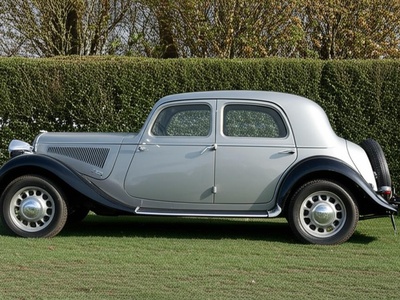
| Traction Avant | 1934–1957 | Full-size family car | Replaced by modern post‑war models |
| Rosalie | 1932–1938 | Large family car | Outdated pre‑war design; production halted |
| 2CV | 1948–1990 | Economy car / small family car | Official end of production; demand declined |
| Ami 6 | 1961–1969 | Small family car | Replaced by updated Ami models |
| Ami 8 | 1969–1979 | Small family car | Model replacement by newer Citroën small cars |
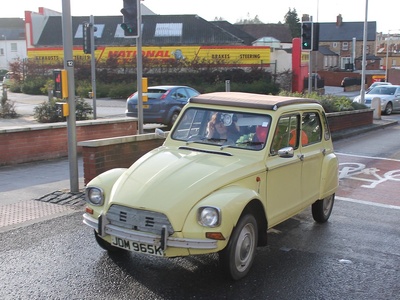
| Dyane | 1967–1983 | Small economy car | Replaced as 2CV derivatives phased out |
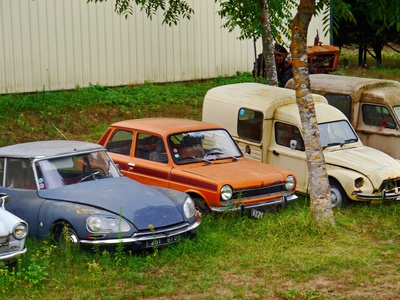
| Acadiane | 1977–1987 | Small van / utility vehicle | Low demand; replaced by modern light vans |
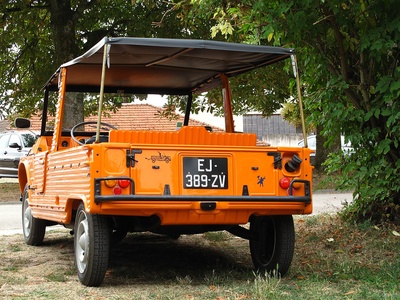
| Méhari | 1968–1988 | Lightweight leisure utility | Safety and market demand changes |
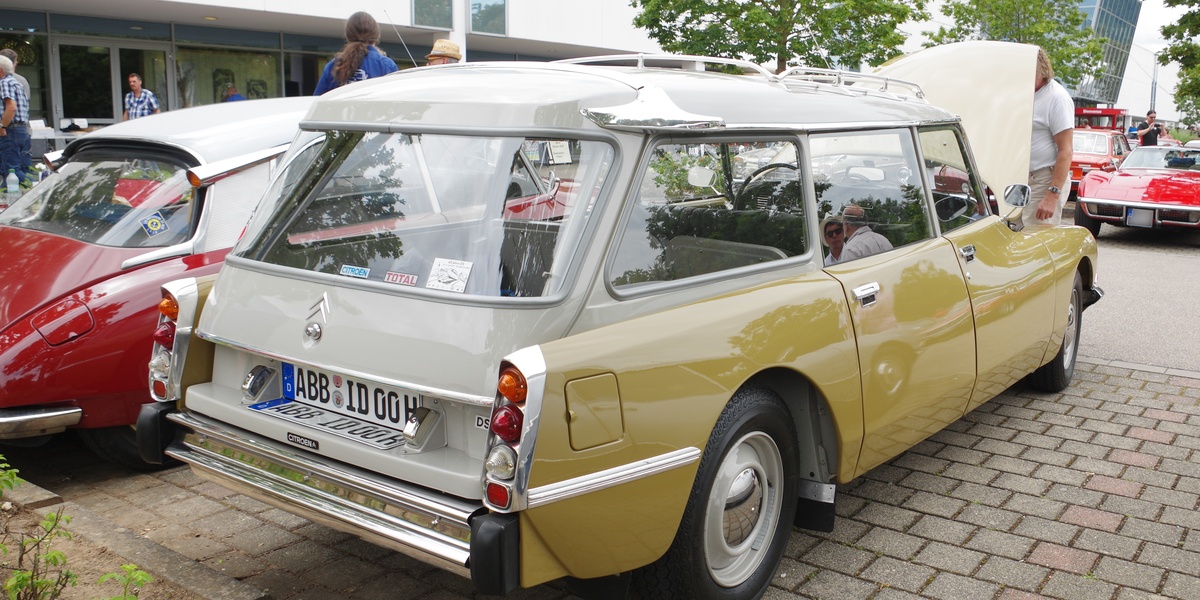
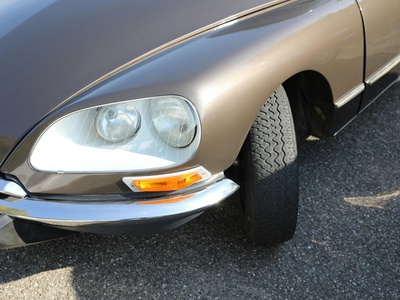
| DS | 1955–1975 | Executive car (luxury) | Phased out, replaced by CX; production ended |
| ID | 1957–1975 | Executive / large family car | Merged into DS range; production ended |
| SM | 1970–1975 | Grand tourer coupe | Oil crisis, high costs and homologation issues |
| GS | 1970–1986 | Mid‑size family car | Replaced by BX and later models |
| GSA | 1979–1986 | Small family car | Phased out by AX and newer small cars |
| CX | 1974–1991 | Executive car | Replaced by XM; production ended |
| BX | 1982–1994 | Mid‑size family car / executive | Replaced by Xantia and newer designs |
| AX | 1986–1998 | Small hatchback | Replaced by Saxo and later models |
| Visa | 1978–1988 | Supermini / small hatchback | Replaced by AX and newer superminis |
| LNA | 1976–1986 | City car | Replaced by newer small Citroëns |
| Saxo | 1996–2003 | Supermini hatchback | Replaced by C3; platform retired |
| ZX | 1991–1998 | Compact family car | Replaced by Xsara |
| Xantia | 1993–2002 | Mid‑size family car | Replaced by Xsara/C5; production ended |
| Xsara | 1997–2006 | Compact family car | Replaced by C4; production ended |
| Xsara Picasso | 1999–2012 | Compact MPV | Aging platform; replaced by newer MPVs/C4 variants |
| XM | 1989–2000 | Executive car | Low sales; replaced by C5 |
| C15 | 1984–2005 | Panel van / light commercial | Replaced by modern small vans |
| Type H | 1947–1981 | Panel van / light commercial | Replaced by modern van designs |
| C25 | 1981–1994 | Medium van / minibus | Replaced by newer large vans |
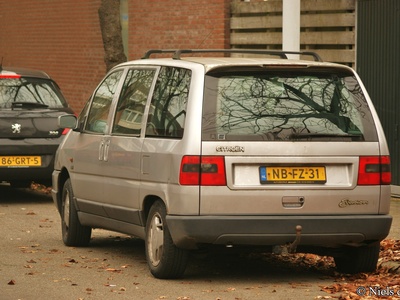
| Evasion | 1994–2002 | Large MPV | MPV market rationalisation; replaced by other models |
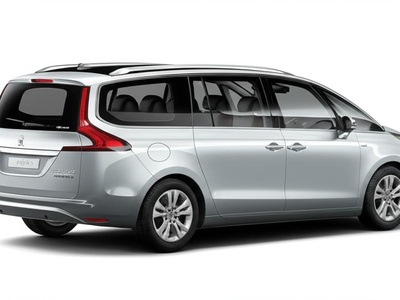
| C8 | 2002–2014 | Large MPV | Falling MPV demand; production ceased |
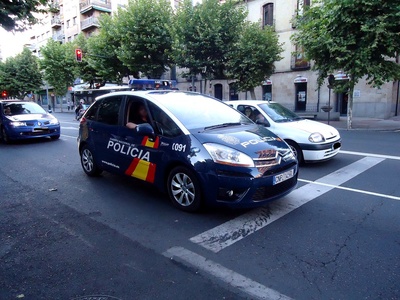
| C4 Picasso | 2006–2018 | Compact MPV | Replaced by updated C4 and modern crossovers |
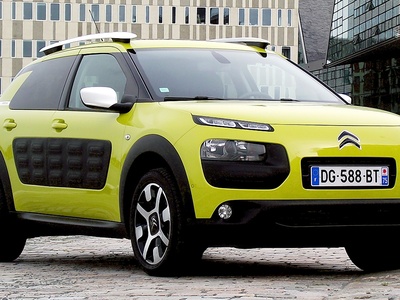
| C4 Cactus | 2014–2020 | Compact crossover | Merged into C4 family; name discontinued |
| C2 | 2003–2009 | City car / small hatchback | Replaced by A‑segment/C3 models |
| C3 Pluriel | 2003–2010 | Convertible / small coupe | Low demand; niche convertible discontinued |
| C6 | 2005–2012 | Executive car | Poor sales and high costs |
| C5 | 2001–2017 | Executive / large family car | End of generation; replaced by C5 X |
| DS3 (as Citroën DS3) | 2009–2016 | Premium supermini | Moved to DS Automobiles brand; Citroën badging ended |
| Bijou | 1959–1964 | Small economy car | Low sales in UK; production ceased |
| Nemo | 2008–2017 | City van / compact panel van | Replaced by newer light van models |
| Visa Chrono (Visa family) | 1978–1988 | Supermini / small hatchback | Model family discontinued |
| Ami 8 Break | 1969–1979 | Estate / small family car | Model replaced during lineup rationalisation |
| Acadiane Van | 1978–1987 | Small delivery van | Low commercial demand; replaced by newer vans |
| SM Maserati‑powered | 1970–1975 | Grand tourer coupe | High costs and market changes |
| GS Break | 1975–1986 | Estate / family car | Model phased out with GS line |
| GSA Break | 1980–1986 | Estate / family car | Phased out with GSA model line |
| Rosé (small special models) | 1950–1955 | Special edition small car | Limited run; production ended |
| Ami Super | 1963–1967 | Small family car | Replaced by later Ami variants |
| SM Coupé (variant) | 1970–1975 | Grand tourer coupe | High costs and homologation issues |
| U23 commercial | 1939–1969 | Light commercial truck | Replaced by modern commercial trucks |
| TUB/TUC (early van) | 1939–1950 | Light commercial van | War and post‑war model changes |
| AMI Super Break | 1964–1974 | Estate / small family car | Lineup evolution; production ended |
| Bijou Special | 1959–1964 | Special edition small car | Limited production run ended |
Images and Descriptions
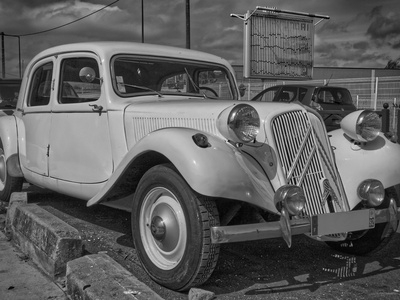
Traction Avant
Pioneering front‑wheel‑drive family saloon that introduced unibody construction and independent suspension; admired for innovation and strong sales through the 1930s–1950s, it set layout standards for decades of Citroën cars.
Rosalie
1930s mid‑range saloon that helped modernize Citroën’s lineup with hydraulic brakes and varied body styles; a marker of the company’s expansion before World War II.
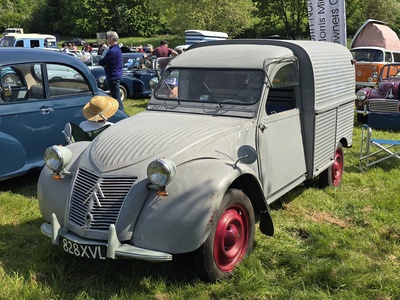
2CV
Minimalist, utilitarian icon designed for rural France; famed for simplicity, ruggedness and quirky charm, the 2CV remained economical and immensely popular for over four decades.
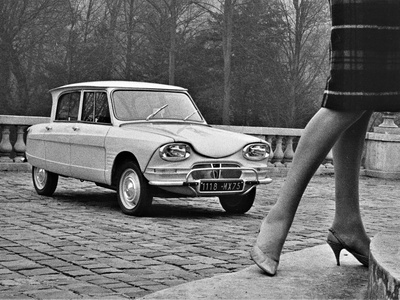
Ami 6
Distinctive small family car with reverse‑slanted rear window and practical interior; bridged the gap between the 2CV and larger saloons while offering more comfort for everyday use.
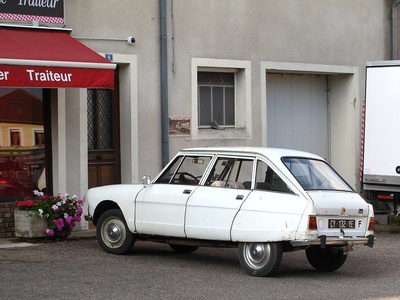
Ami 8
Evolution of the Ami line with a conventional rear window and modest mechanical upgrades; aimed to modernize the entry‑level Citroën offering while retaining affordability.
Dyane
A slightly more refined 2CV alternative with hatchback practicality; targeted buyers wanting 2CV simplicity with improved comfort and a more contemporary look.
Acadiane
Practical Dyane‑based utility vehicle with a roomy cargo area aimed at farmers and small businesses; simple, rugged and easy to maintain.
Méhari
Lightweight plastic‑bodied beach/utility car based on 2CV mechanics; popular for recreation and utility use for its simplicity and corrosion resistance.
DS
Avant‑garde luxury saloon famed for hydropneumatic suspension, futuristic styling and advanced engineering; an automotive icon that combined comfort, performance and radical design.
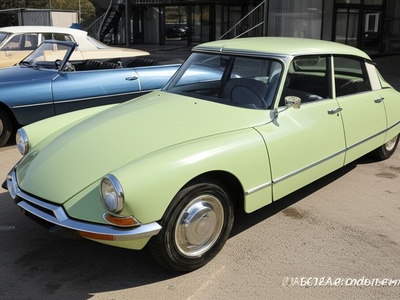
ID
Simpler, more affordable complement to the DS with pared‑back trim and mechanicals, offering Citroën’s suspension benefits at a lower price point.
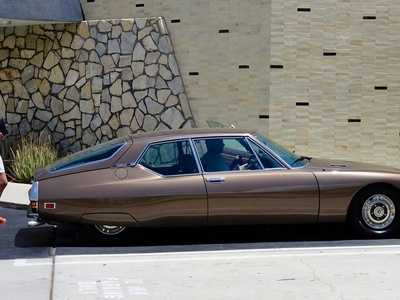
SM
High‑performance GT coupe combining Citroën hydropneumatic ride with Maserati V6 power; bold, luxurious and technically ambitious but commercially short‑lived.
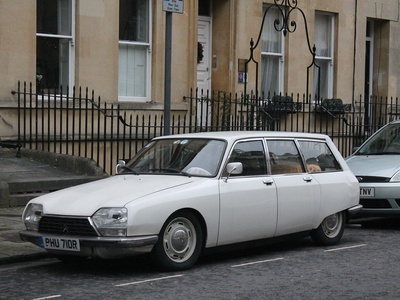
GS
Ingenious compact executive with aerodynamic body and hydropneumatic suspension; won European Car of the Year for its innovation but was gradually superseded by newer models.
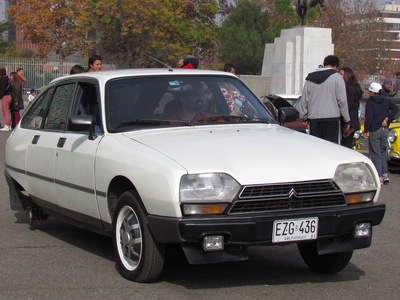
GSA
Updated successor to the GS with hatchback convenience and better trim levels; offered Citroën comfort in a compact, family‑friendly package.
CX
Aerodynamically styled executive saloon noted for technology and ride comfort; long‑running model admired for bold styling and engineering consistency.
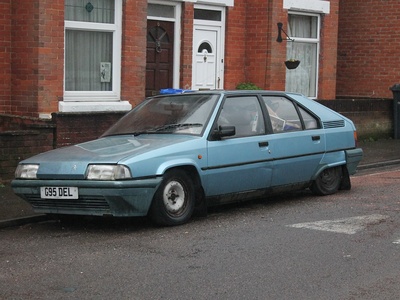
BX
Lightweight, angular family saloon and estate with hydropneumatic suspension; successful in the 1980s for combining economy with Citroën’s hallmark comfort.
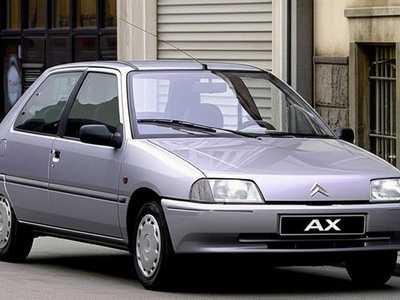
AX
Ultra‑lightweight city car focused on efficiency and low running costs; popular for economy buyers and praised for nimble handling and practicality.
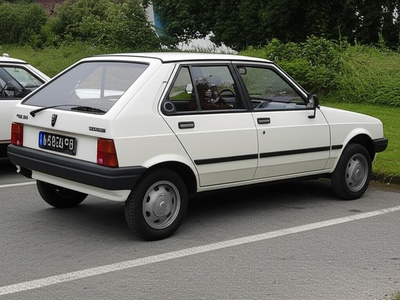
Visa
Practical small hatchback derived from the LNA platform; available in many variants and aimed at budget‑minded city drivers.
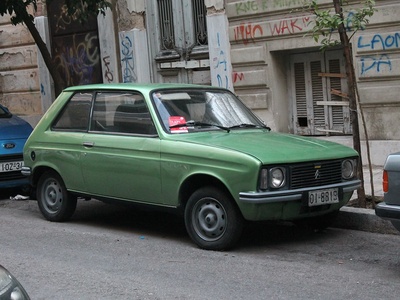
LNA
Tiny, economical two‑door city car based on Fiat underpinnings; offered basic transport with low ownership costs during the late 1970s and early 1980s.
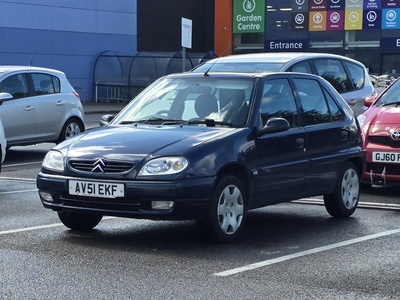
Saxo
Popular small hatch for urban buyers and motorsport enthusiasts; sporty variants and strong sales made it a Citroën staple in the late 1990s.

ZX
Mainstream compact with practical interior and balanced ride; served as an affordable family car across many European markets.
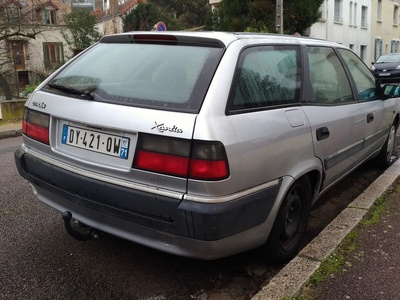
Xantia
Comfortable saloon/estate known for reliable hydropneumatic ride and good handling; a favored used‑car choice in the 1990s.
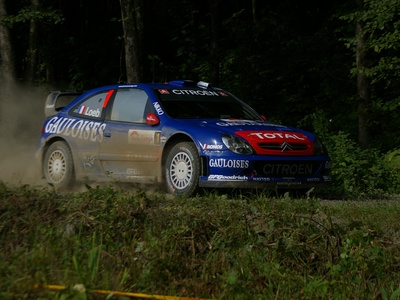
Xsara
Mainstream compact with a broad engine range and practical estate/coupe variants; solid seller across Europe for family buyers.
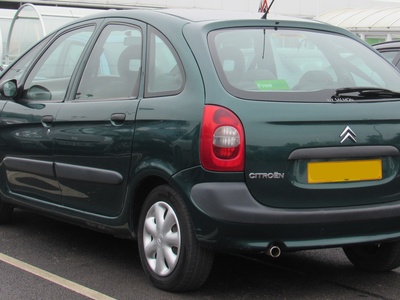
Xsara Picasso
Affordable compact MPV offering roomy cabin and family practicality; long production run made it common on European roads.
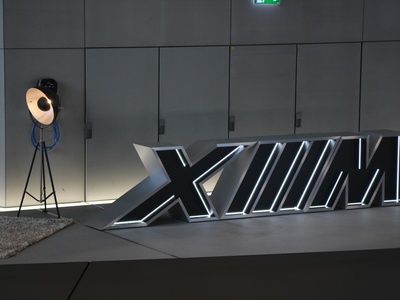
XM
Large executive saloon with complex electronics and hydropneumatic suspension; praised for ride comfort but hampered by reliability perception and weak sales.
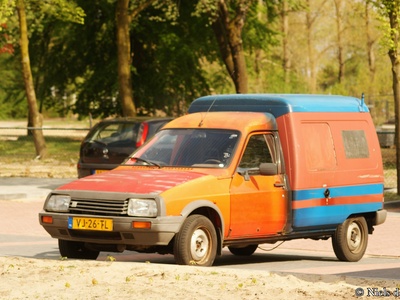
C15
Simple, tough small van based on Visa mechanicals; popular with tradespeople for durability and low running costs in local deliveries.
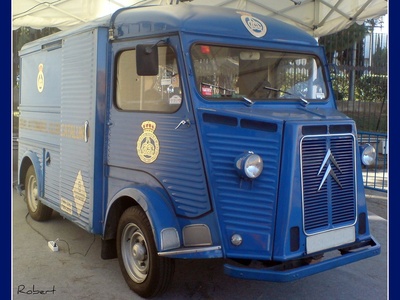
Type H
Boxy, utilitarian van with corrugated bodywork famous for cafés, markets and conversions; a utilitarian staple of mid‑century Europe.
C25
Large commercial van and minibus shared across groups; used for passenger and cargo duties before newer joint‑venture vans arrived.
Evasion
Multi‑purpose family people‑carrier with flexible seating and a big interior; appealed to large families before MPV demand shifted.
C8
Spacious seven‑seat MPV developed with partner brands; offered comfort and family practicality but sales waned as SUVs rose.
C4 Picasso
Practical family MPV focusing on interior space, panoramic windscreen and efficient engines; later reorganized into Citroën’s refreshed compact lineup.
C4 Cactus
Distinctive crossover with “Airbump” panels and minimalist interior; combined quirky styling with efficient packaging but was later consolidated into the C4 range.
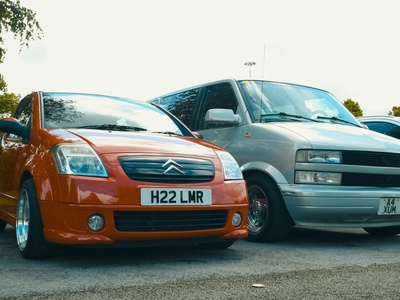
C2
Sporty two‑door supermini derived from collaboration with Peugeot; compact, agile and offered performance variants for enthusiasts.
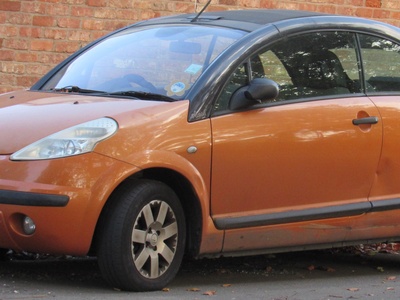
C3 Pluriel
Versatile small car that converted between coupe, cabrio and pickup styles; innovative but niche appeal limited sales longevity.
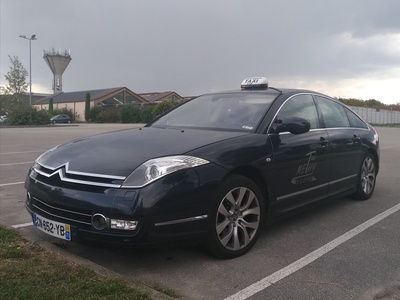
C6
Flagship executive saloon with sculpted styling and advanced suspension; praised for comfort and design but failed to achieve strong commercial success.
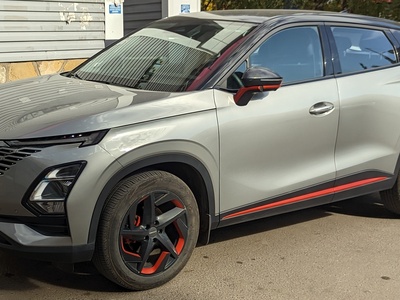
C5
Two generations of mid/large executive saloons noted for comfort and hydropneumatic ride; production paused before reinvented as the C5 X crossover.
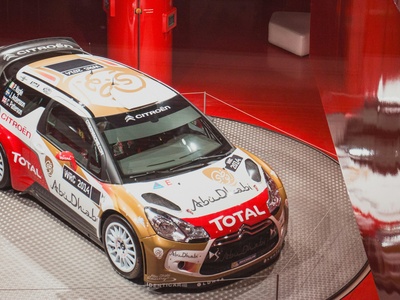
DS3 (as Citroën DS3)
Stylish small hatch that launched the DS sub‑brand as a premium offering; later transferred to DS Automobiles and continued under that marque.
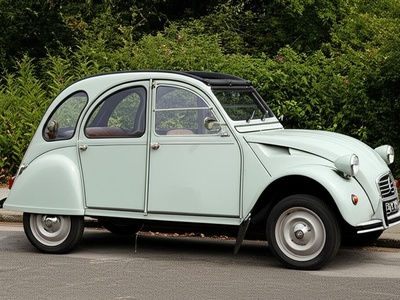
Bijou
Tiny fiberglass‑bodied small car built for the British market; a rare Citroën experiment aimed at style and lightness on a 2CV base.
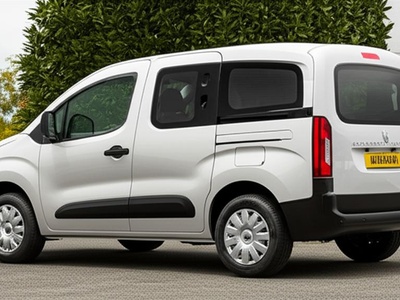
Nemo
Tiny city van developed for urban deliveries and tradespeople; compact dimensions and efficient packaging made it a practical local transporter.
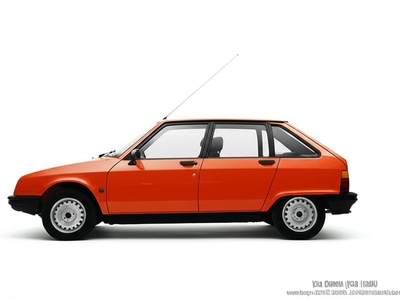
Visa Chrono (Visa family)
(Visa family entry) Practical and affordable small hatch with a variety of trims; served many European buyers wanting value and economy.
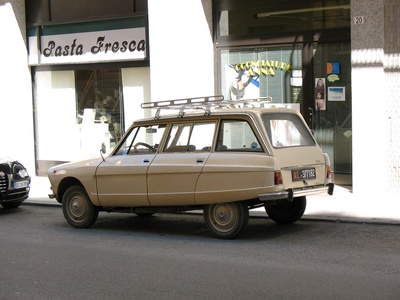
Ami 8 Break
Estate variant of the Ami offering extra practicality for families and small businesses; simple, economical and easy to maintain.
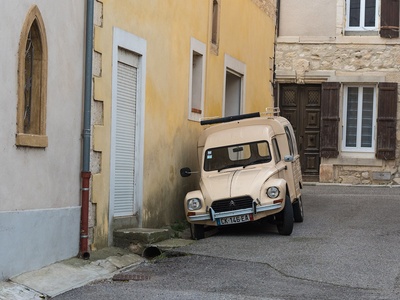
Acadiane Van
Van version of the Acadiane targeted at small businesses; robust, easy to service and economical to run.
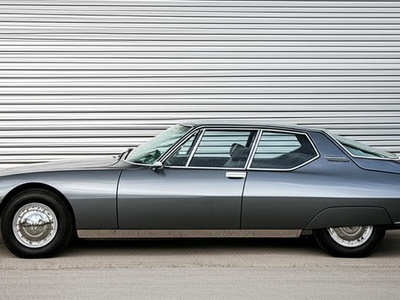
SM Maserati‑powered
High‑end SM combining Citroën innovation and Maserati engineering; offered exceptional refinement but niche appeal and economic headwinds curtailed production.
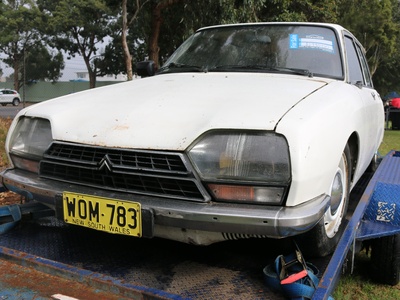
GS Break
Estate version of the GS offering practical loadspace and the same advanced suspension; popular among buyers wanting comfort with cargo capacity.
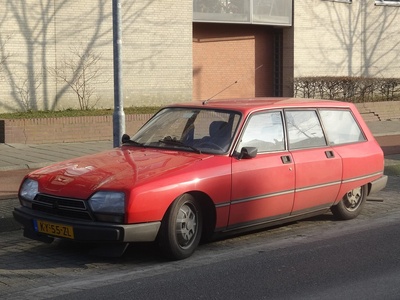
GSA Break
Estate derivative of the GSA providing extra loadspace while retaining the compact footprint and comfort of the original hatchback.
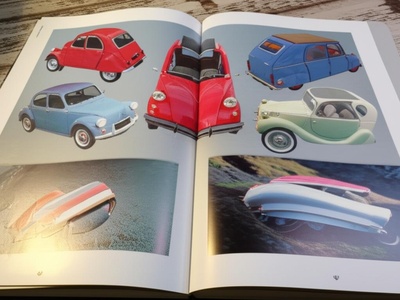
Rosé (small special models)
Various short‑run small models and special editions from the post‑war era that showcased Citroën’s styling experiments and market tests.
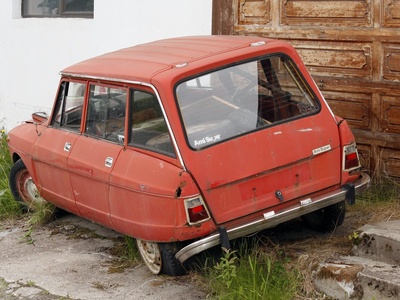
Ami Super
Higher‑performance Ami variant with stronger engine and improved trim; offered a more spirited choice within the economical Ami line.
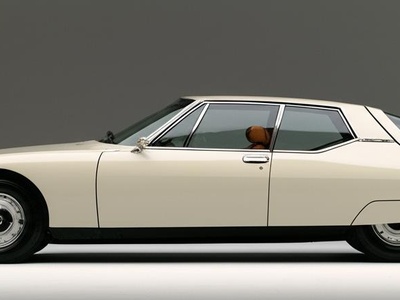
SM Coupé (variant)
Luxury, aerodynamic coupe blending Citroën technology with Maserati power; examplified late‑era ambition but limited by external market pressures.
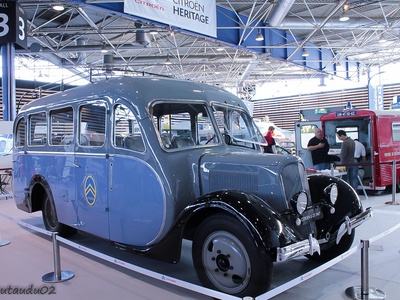
U23 commercial
Robust light truck that served a wide range of commercial duties across mid‑century Europe; known for durability and simple mechanics.
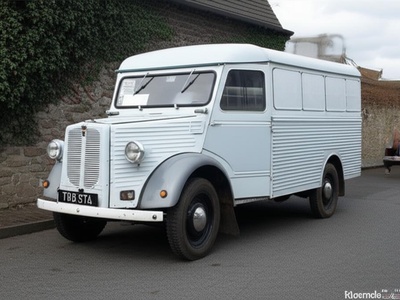
TUB/TUC (early van)
Early utilitarian van designed for urban delivery duties; historically significant as a pre‑Type H light commercial development.
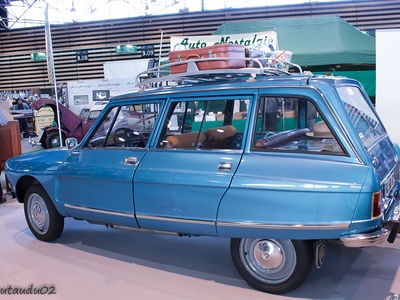
AMI Super Break
Practical estate variant of the Ami Super offering extra space and the same frugal running costs for rural and suburban families.
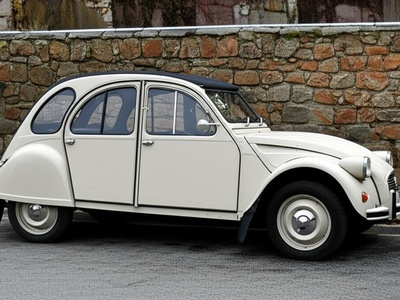
Bijou Special
Exclusive small fiberglass model intended to appeal to British tastes; rare today and known for its distinct styling on a 2CV chassis.