After World War II, returning American GIs began modifying motorcycles for personal expression and performance; that DIY impulse gave birth to the chopper movement in the late 1940s and 1950s.
That history still matters: choppers were born from an ethic of hands-on modification, and modern chopper owners choose them for different reasons than cruiser buyers—lower ongoing shop bills if you enjoy wrenching, a very particular riding feel, and a visual identity that factory bikes rarely match. The choice affects ownership costs, daily riding, and how you fit into motorcycle culture; those practical differences are worth knowing before you commit.
This article lays out eight clear advantages of choppers compared with cruisers across three categories: Design & Customization, Performance & Riding Characteristics, and Cultural & Economic Factors. If you’re weighing chopper vs cruiser for your next build, use these points to decide whether individuality or factory refinement matters more to you.
Design & Customization Advantages
1. Extreme customization freedom
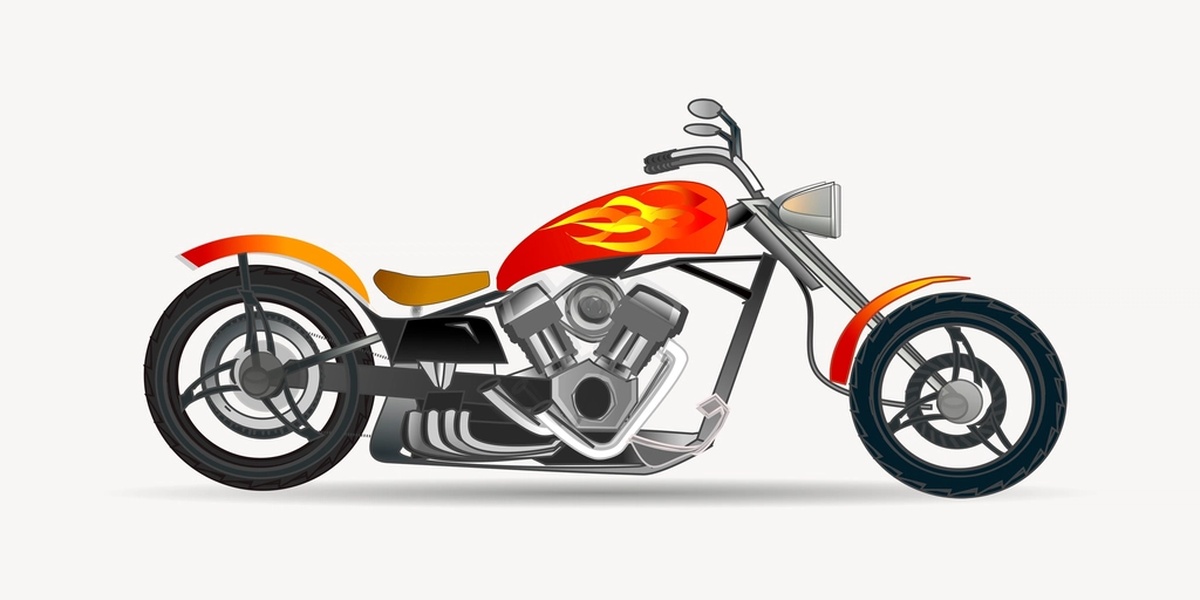
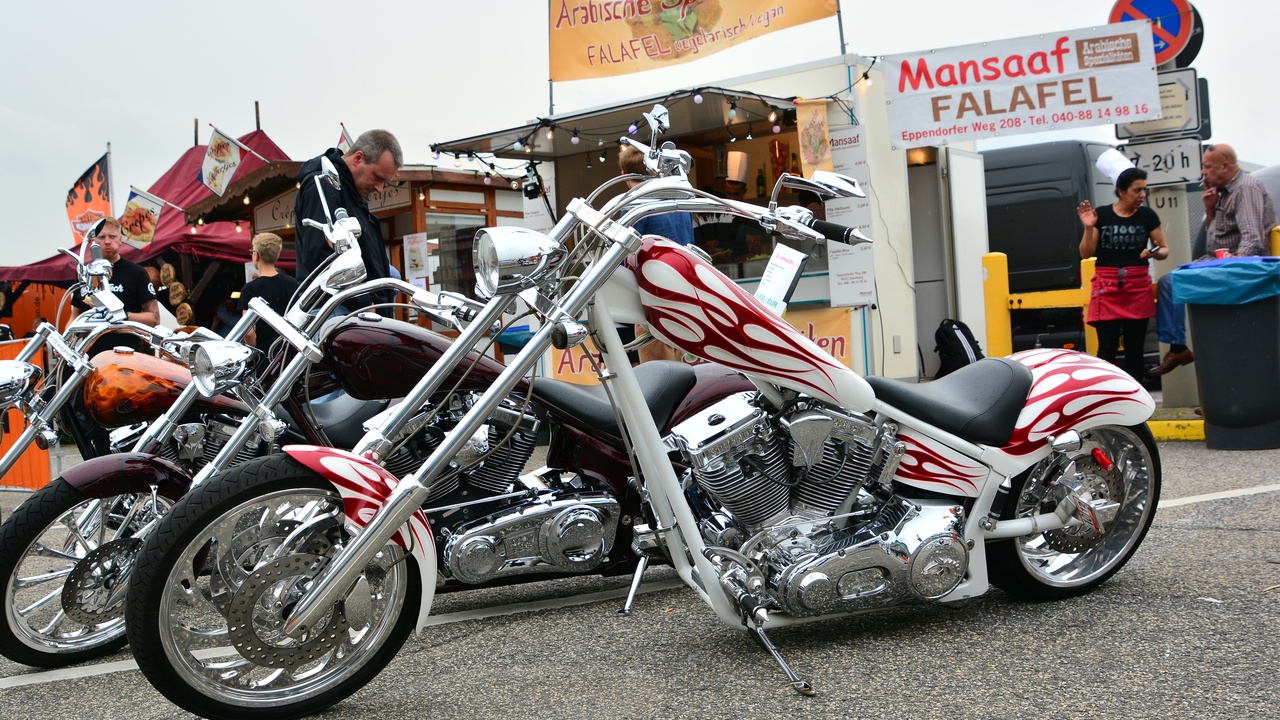
Choppers are defined by the ability to rework frame lines, forks, and stance without factory constraints. Builders routinely stretch frames, alter rake, and convert to rigid (hardtail) setups so each bike rides and looks exactly as the owner intends.
That freedom matters in practice: you can tailor riding posture, setback, and component choice—locks, tank shape, seat height—rather than compromise with dealer options. Shops like Orange County Choppers (founded 1999) illustrate the bespoke market for one-off builds, and smaller independent builders do similar work on donor platforms such as older Harley-Davidson Sportsters and generic V-twin frames.
Aftermarket support is plentiful for common donor engines and bolt-on parts, so owners get both uniqueness and replaceability when they need it.
2. Distinctive aesthetic and personal branding
Choppers act as moving art and personal signature; stretched tanks, custom paint, and nonstandard proportions create instant recognition. A single visual tweak—a rake change, a stretched rear fender, a unique paint scheme—turns a motorcycle into a personal brand.
That visibility translates to real-world value: owners who show at events or consign to specialist auctions often see higher perceived worth for one-off builds. Builders with strong reputations—think West Coast Choppers or high-profile independent shops—can command a market premium for their name on a bike, especially among collectors and show-goers.
For riders who want to stand out at rallies and local shows, a custom chopper beats an out-of-the-box cruiser every time.
3. Mechanical simplicity for hands-on builders
Many choppers intentionally strip nonessential components to simplify the machine: hardtail conversions, minimal wiring harnesses, single-carb setups, and pared-down electrical systems are common. Less complexity means fewer failure points and easier troubleshooting.
For a DIY owner this reduces ongoing labor costs and the need for specialized shop time. A straightforward wiring harness and a single-carb engine are easier to tune and maintain at home than a fully dressed cruiser with integrated electronics and accessories.
That simplicity speeds repairs and keeps ownership affordable for people who like to wrench themselves.
Performance & Riding Characteristics
Choppers usually sacrifice tight-corner agility to gain other measurable performance traits. Geometry and mass choices favor straight-line behavior, throttle immediacy, and mechanical connection over nimble twisties, so the riding experience changes in predictable ways.
4. Improved straight-line stability at speed
Increased rake and a longer wheelbase—hallmarks of many chopper builds—tend to enhance directional stability on highways. From a dynamics perspective, more rake and trail increase the self-centering forces on the front wheel, which reduces twitchiness at speed.
That means long rides feel more planted and require fewer steering corrections, which cuts rider fatigue on sustained interstate runs. Extreme custom builds sometimes raise rake from a typical cruiser angle near 30° to 40°–45° in show or stretched bikes, producing a noticeably steadier feel in a straight line.
Riders who do a lot of touring on open roads often appreciate that planted stability over corner-focused agility.
5. Lighter weight for snappier acceleration
Because choppers are frequently stripped of heavy accessories—saddlebags, passenger hardware, large fairings, and complex electronics—the resulting curb weight can be significantly lower than comparable factory cruisers. That mass reduction improves 0–60 times and roll-on acceleration in real-world riding.
The difference varies by build: conservative reductions are in the tens of pounds, while aggressive strip-and-rebuild projects can cut a few hundred pounds off a fully equipped cruiser, depending on the donor bike and the parts removed. The result is quicker throttle response in urban traffic and when merging at highway speeds.
For riders who prioritize punchy acceleration over passenger comfort or luggage capacity, a lighter custom bobber or chopper often feels noticeably more responsive than a stock cruiser.
6. Direct drivetrain setups and mechanical feedback
Many chopper builds expose more of the drivetrain—open primaries, exposed belts or chains, and simpler final-drive setups—so riders feel a clearer mechanical connection to the engine. That feedback matters to enthusiasts who want to sense what the bike is doing under throttle and load.
Simpler systems also ease diagnosis: fewer electronic control modules and less hidden plumbing mean a home mechanic can trace driveline issues faster. Hardtail choppers with chain or belt final drives exemplify this kind of mechanical clarity and make routine tuning more straightforward.
Owners who enjoy working on their machines value that immediacy and reduced need for dealer-level diagnostics.
Cultural, Economic & Practical Advantages
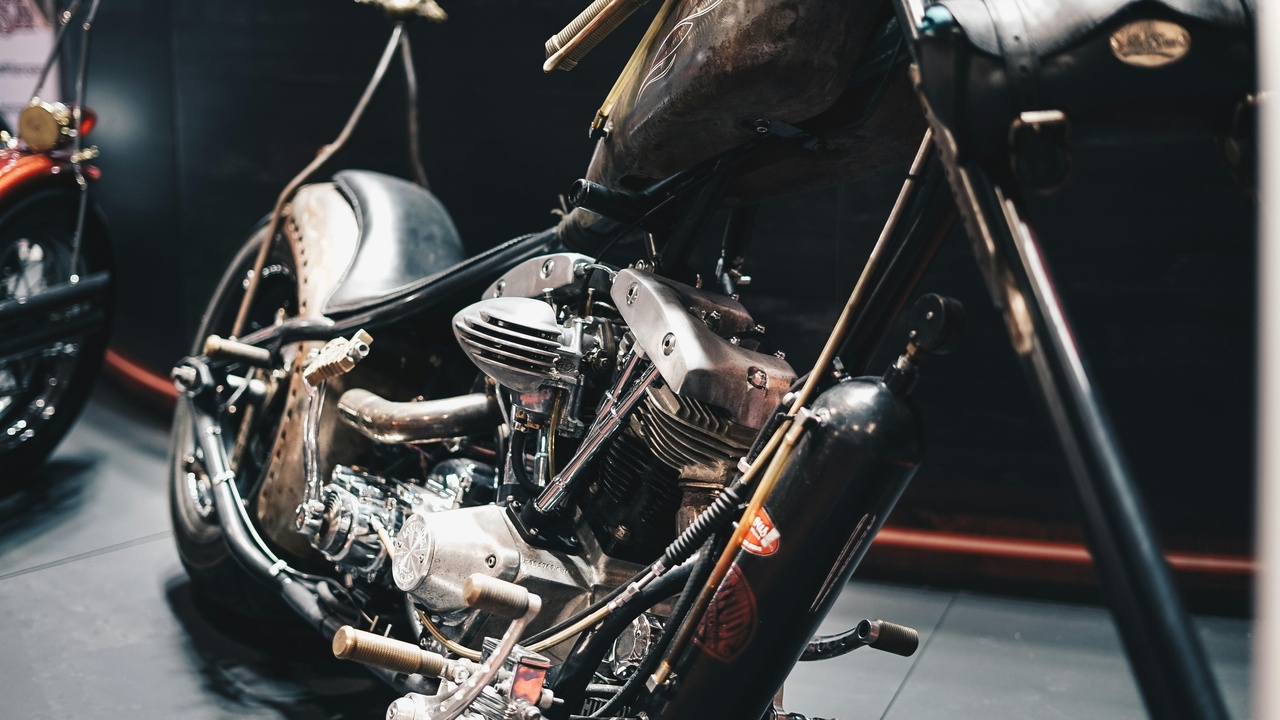
Beyond looks and feel, choppers carry cultural cachet and can offer economic upside: well-documented one-offs attract collectors, and the builder community provides practical benefits for owners who like to learn and source parts directly from specialists.
7. Collectible appeal and potential resale premium
One-off choppers and bikes from reputable builders can draw collector interest and, in some cases, resale premiums over equivalent stock cruisers. Documented builds, quality craftsmanship, and a clear provenance increase buyer confidence at specialty auctions and private sales.
That matters for owners who view the project as an investment as well as a ride. Even if you don’t expect full cost recovery, a high-quality build can recoup a meaningful portion of expenses when sold to the right buyer, and builder-name recognition often boosts value.
For people weighing shop time versus resale prospects, the collectible angle is a tangible economic consideration.
8. Community, culture, and event-driven benefits
Chopper ownership opens doors to builder-focused communities, specialty shows, and rallies where custom work is celebrated. Events such as the Sturgis Motorcycle Rally and local custom-bike shows gather hundreds of thousands of enthusiasts across the season, creating networks of builders, parts suppliers, and mentors.
That community access yields practical benefits: easier sourcing of obscure parts, invitations to builder meetups, and on-the-spot advice from experienced fabricators. Novice builders often accelerate their skills through shop friendships and local clubs, which reduces costly mistakes and speeds successful projects.
For many owners, the social and learning opportunities are as valuable as the bike itself.
Summary
- Choppers give unmatched control over frame geometry and aesthetics, letting owners craft one-off machines rather than choosing dealer packages.
- Long rake and stripped builds often favor straight-line stability and snappier acceleration, trading corner agility for highway composure and mechanical immediacy.
- Minimalist mechanical layouts make DIY maintenance and troubleshooting easier, which can lower ownership costs for hands-on riders.
- Built correctly, one-off choppers can attract collectors and premium interest, while builder communities and events provide practical sourcing and learning advantages.
- Decide your priorities—comfort and factory refinement or personal expression and hands-on ownership—and then visit a local builder, attend a custom show, or test-ride both a chopper and a cruiser to see which matches your riding life (chopper vs cruiser comparisons are best settled on the road).