The early 1970s reshaped how cars looked and performed on streets around the world — a mix of shrinking engines, new regulations, and continuing design experiments. Whether you follow classic restorations or just enjoy automotive history, 1972 models tell a clear story of that moment.
There are 37 Cars Made in 1972, ranging from AMC Gremlin to Volkswagen Type 2 (Bus). For each entry you’ll find below data organized as Country,Production years,1972 notes to compare origins, production spans, and what was unique that year — you’ll find the full list below.
Which 1972 models show the biggest regulatory or design shifts?
Many 1972 entries reflect tightening emissions and safety trends: updated engine tuning, early emission-control hardware, and stronger bumpers or restraint changes in some markets. Check the 1972 notes column for model-specific changes like engine detuning, new trim, or factory options introduced that year.
How should I use the Country,Production years,1972 notes columns to research a car?
Start with Country to narrow parts sources and manufacturing variants, use Production years to identify generation and chassis differences, then read 1972 notes for one-year changes, special options, or production quirks that affect restoration, value, or authenticity.
Cars Made in 1972
| Make & model | Country | Production years | 1972 notes |
|---|---|---|---|
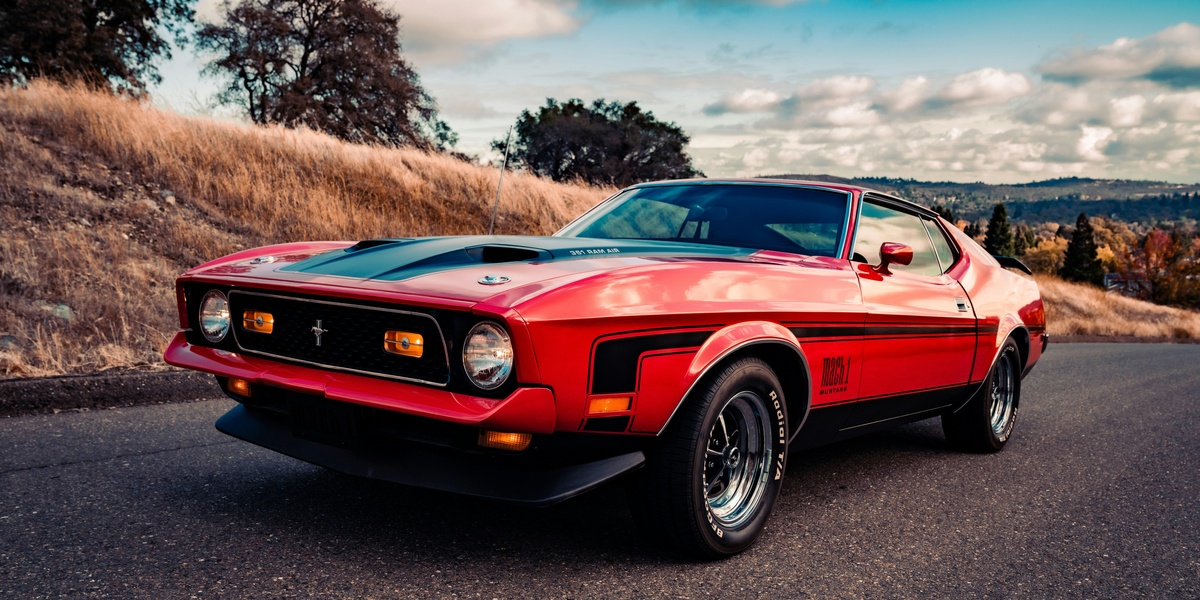
| Ford Mustang | USA | 1964–1973 | Larger 1971–73 body; emissions reduced power |
| Chevrolet Camaro | USA | 1967–2002 | Second-generation body continued; performance trims available |
| Chevrolet Chevelle | USA | 1964–1977 | Mid-size muscle era waning; V8 choices remained |
| Pontiac Firebird | USA | 1967–2002 | Second-generation styling; Trans Am performance continued |
| Dodge Charger | USA | 1966–1978 | Third-generation personal-luxury slant; lower horsepower options |
| Plymouth Barracuda | USA | 1964–1974 | Third-generation muscle variants; declining high-performance sales |
| AMC Gremlin | USA | 1970–1978 | Subcompact with minor 1972 trim updates |
| Volkswagen Beetle | Germany | 1938–2003 | Still mass-produced globally; minimal design changes |
| Volkswagen Type 2 (Bus) | Germany | 1950–1979 | T2 camper and transport variants popular |
| Porsche 911 | Germany | 1963–present | Ongoing refinement of engines and chassis |
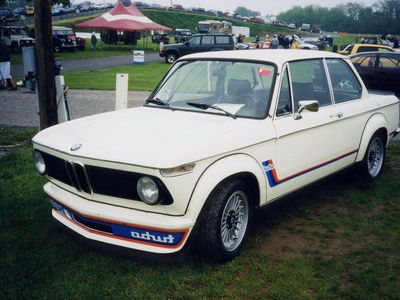
| BMW 2002 | Germany | 1968–1976 | Compact sporting sedan with continued appeal |
| Mercedes-Benz W114/W115 | Germany | 1968–1976 | Mid-size saloon range; diesel and petrol variants |
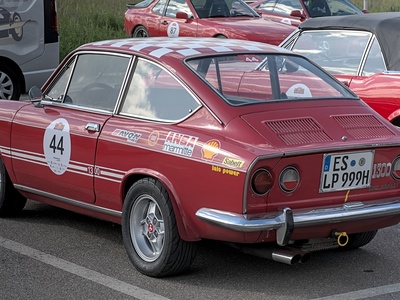
| Fiat 124 | Italy | 1966–1974 | Mainstream family sedan; licensed derivatives globally |
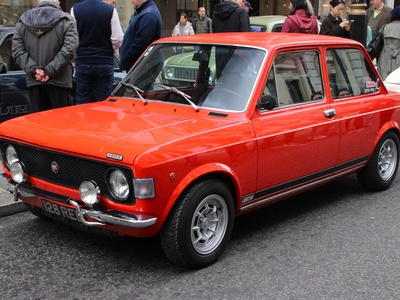
| Fiat 128 | Italy | 1969–1974 | Early transverse-engine, FWD compact design |
| Lancia Fulvia | Italy | 1963–1976 | Sporty coupe with rally pedigree |
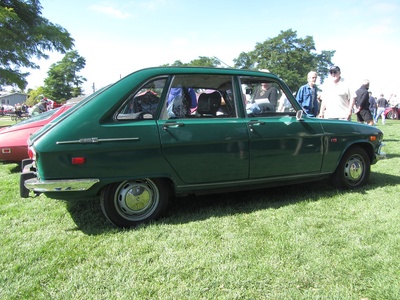
| Renault 16 | France | 1965–1980 | Innovative five-door hatchback for families |
| Citroën DS | France | 1955–1975 | Hydropneumatic suspension; advanced technology persisted |
| Peugeot 504 | France | 1968–2005 | Durable mid-size; expanding export reach |
| Austin Mini | UK | 1959–2000 | Iconic small car; Mk variants in production |
| Morris Marina | UK | 1971–1980 | Conventional affordable family car introduced 1971 |
| Triumph TR6 | UK | 1968–1976 | Six-cylinder roadster popular in export markets |
| Lotus Elan | UK | 1962–1975 | Lightweight, driver-focused sports car continued |
| Toyota Corolla | Japan | 1966–present | Global bestseller; expanding worldwide production |
| Datsun 240Z | Japan | 1969–1973 | Affordable sports coupe; strong US sales |
| Datsun 510 | Japan | 1968–1973 | Balanced compact sedan with motorsport success |
| Honda Civic | Japan | 1972–present | Introduced in 1972 as a compact economical hatchback |
| Subaru Leone | Japan | 1971–1994 | Early compact with optional AWD/boxer engines |
| Mazda RX-3 | Japan | 1971–1978 | Rotary-powered coupe/sedan with motorsport presence |
| Toyota Celica | Japan | 1970–2006 | Sporty coupe based on Corolla underpinnings |
| Jaguar XJ6 | UK | 1968–1987 | Series II luxury saloon in production |
| Alfa Romeo Spider | Italy | 1966–1994 | Italian roadster with stylish coachwork |
| Holden Torana | Australia | 1969–1980 | Compact Australian family car; performance GTR variants |
| Holden Monaro | Australia | 1968–1977 | Two-door coupe with V8 options |
| Ford Falcon | Australia | 1960–2016 | Mainstream Australian large car; new 1972 variants |
| Chevrolet Corvette | USA | 1968–1982 | C3 generation; evolving emissions-compliant engines |
| AMC Hornet | USA | 1970–1977 | Compact range with wagon and sedan variants |
| AMC Matador | USA | 1971–1978 | Mid-size replacement for Rebel; coupe and sedan offered |
Images and Descriptions
Ford Mustang
The Mustang launched the pony-car era with sporty styling and a wide engine range. By 1972 it was in its larger 1971–73 phase, balancing performance appeal with tightening emissions rules that reduced peak power compared with late 1960s models.

Chevrolet Camaro
Chevrolet’s Camaro remained a mainstream American pony car with varied engine choices and sporty trims. In 1972 the second-generation body and performance-oriented versions continued while emissions and insurance pressures began to reshape available power and options.

Chevrolet Chevelle
The Chevelle was GM’s mid-size staple blending family practicality and strong V8 performance. In 1972 it still offered big-block engines but represented the waning muscle era as emissions regulation and insurance costs influenced buyer choices.
Pontiac Firebird
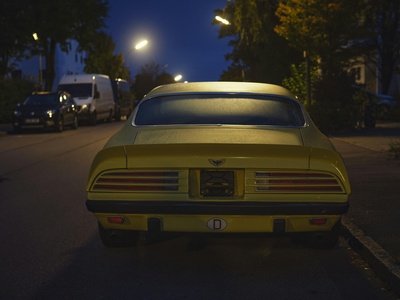
Pontiac’s Firebird, introduced as a Camaro sibling, combined distinctive styling with performance trims like the Trans Am. In 1972 its second-generation body and sport variants continued, though overall power levels began to decline due to emissions requirements.
Dodge Charger
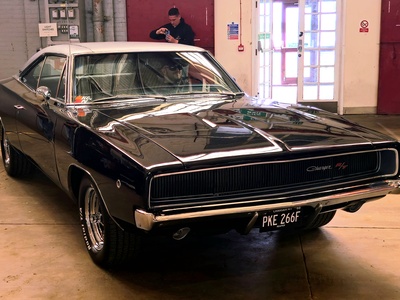
The Charger shifted toward a more rounded, personal-luxury character with its third generation. In 1972 it continued offering V8s and comfort features, reflecting the market’s move away from raw muscle toward luxury and emissions compliance.

Plymouth Barracuda
The Barracuda was Plymouth’s pony/muscle offering, known for potent V8 options and bold styling. In 1972 it remained available with big-block engines but faced declining muscle-car sales amid rising insurance and emissions constraints.
AMC Gremlin
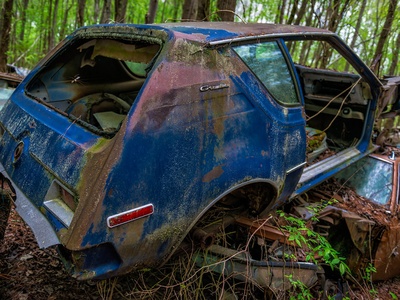
AMC’s Gremlin was an early American subcompact designed to compete with imports. In 1972 it offered economical transportation, quirky styling, and affordable trims aimed at budget-conscious buyers seeking basic city-friendly motoring.

Volkswagen Beetle
The Beetle remained Volkswagen’s global bestseller in 1972, prized for air-cooled simplicity and ubiquity. It continued mass production in Europe and overseas, retaining classic packaging, easy maintenance, and wide aftermarket support.

Volkswagen Type 2 (Bus)
The Volkswagen Type 2 T2 van and camper remained a versatile people mover and commercial vehicle in 1972. Its boxy design and camper conversions were popular for families, tradespeople, and leisure markets across continents.
Porsche 911
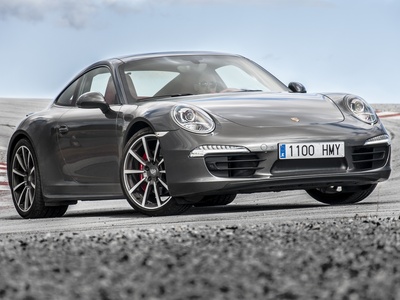
Porsche’s 911 continued to evolve in 1972 with mechanical and trim updates that honed driving dynamics. The model upheld its reputation as a benchmark sports car with its flat-six engine, sharp handling, and motorsport pedigree.
BMW 2002
The BMW 2002 was a compact sporting sedan that helped define BMW’s performance image. In 1972 it remained popular with enthusiasts for lively engines, balanced handling, and a reputation for spirited, practical driving dynamics.

Mercedes-Benz W114/W115
Mercedes-Benz’s W114/W115 series offered durable, conservative luxury in 1972. These mid-size saloons and estates were noted for engineering quality, longevity, and widespread use as executive transport and taxis in many countries.
Fiat 124
The Fiat 124 was a practical, conservatively styled family car whose engineering underpinned many licensed global builds. In 1972 it continued as a mainstream European compact, offering straightforward mechanics and broad appeal.
Fiat 128
The Fiat 128 pioneered efficient transverse-engine, front-wheel-drive packaging in a small car. In 1972 it continued to impress with its interior space, efficient layout, and influence on future compact car design.

Lancia Fulvia
The Lancia Fulvia combined elegant coachwork with advanced front-wheel-drive engineering and notable rally success. In 1972 it remained a respected sporting coupe, prized by drivers for handling and engineering sophistication.
Renault 16
Renault’s R16 introduced a versatile five-door hatchback layout to family car buyers. In 1972 it continued to offer practical versatility, comfortable ride, and flexible interior packaging across European markets.
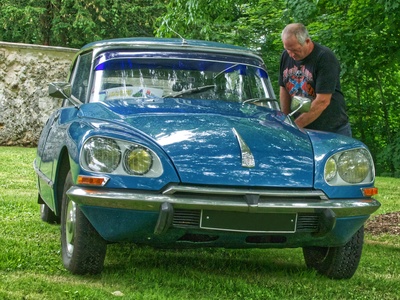
Citroën DS
The Citroën DS retained production in 1972, admired for its hydropneumatic suspension, aerodynamic body, and technological innovations. Even in later years it remained an influential design admired for comfort and engineering daring.

Peugeot 504
The Peugeot 504 was a rugged, comfortable mid-size car known for durability in harsh conditions. In 1972 it enjoyed strong sales across Europe and growing export success in Africa and other markets.
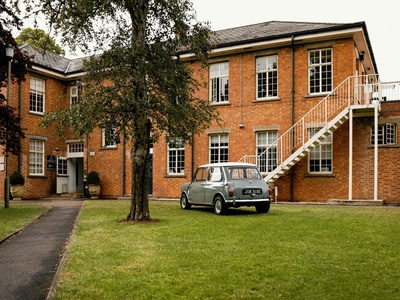
Austin Mini
The Mini remained a revolutionary compact in 1972, celebrated for space efficiency and agile handling. Various Mk III and derivative versions continued production in Britain, retaining popularity in urban and motorsport use.
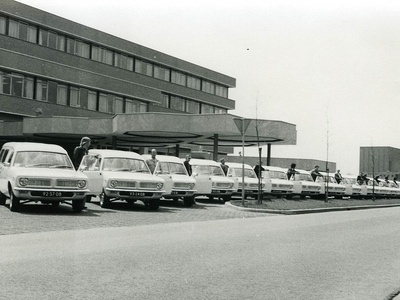
Morris Marina
The Morris Marina targeted mainstream buyers with simple, conventional mechanics and conservative styling. As an early-production model in 1972, it aimed to provide affordable, easily serviceable family transportation in the UK.
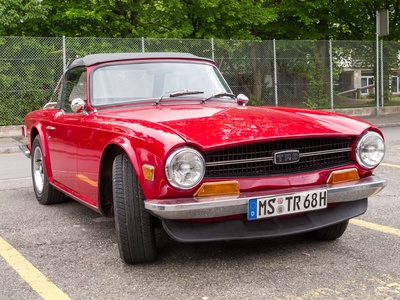
Triumph TR6
The Triumph TR6 was a classic British roadster with a lively six-cylinder engine and traditional styling. In 1972 it remained fashionable in export markets, offering open-top motoring and enthusiastic driving dynamics.
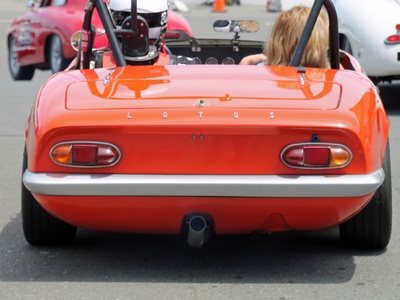
Lotus Elan
Lightweight and sharply handling, the Lotus Elan remained a benchmark for driver-focused sports cars in 1972. Its nimble dynamics, lightweight chassis, and innovative construction influenced later sports car design and enthusiast tastes.
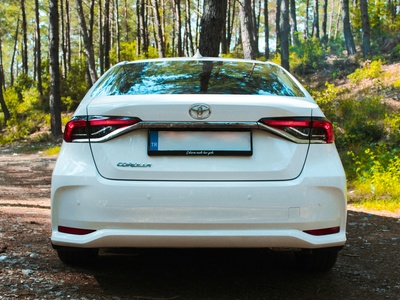
Toyota Corolla
By 1972 the Corolla had become a global compact bestseller known for reliability and economy. It continued expanding production internationally, cementing Toyota’s reputation for durable, affordable small cars across many markets.
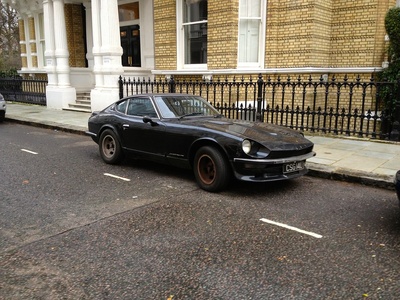
Datsun 240Z
The Datsun 240Z combined attractive styling, engaging handling, and accessible performance. In 1972 it continued strong sales in the US and export markets, building Nissan’s reputation for sporty, value-oriented cars.
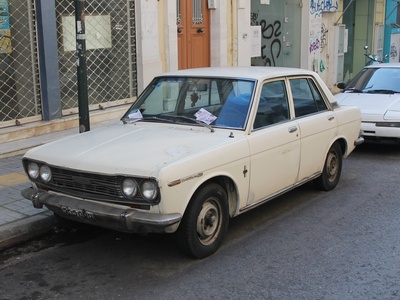
Datsun 510
The Datsun 510 was a well-balanced compact sedan praised for handling and tunability. In 1972 it remained popular with privateers and rally competitors, noted for its sporting potential and value.

Honda Civic
Honda debuted the Civic in 1972, launching a durable compact line. Early Civics impressed with lightweight construction, frugal engines, and hatchback practicality that quickly established Honda in small-car markets.
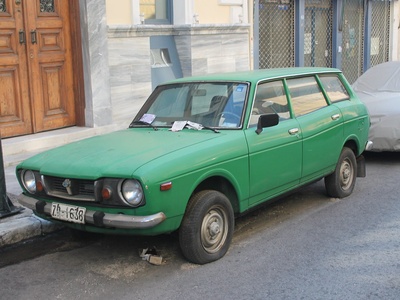
Subaru Leone
Subaru’s Leone offered front-wheel drive or optional four-wheel drive and robust boxer engines. In 1972 it highlighted Subaru’s focus on durable compacts and niche AWD capability that would define the brand’s identity.
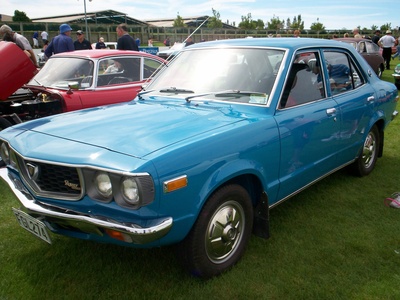
Mazda RX-3
The RX-3 featured Mazda’s rotary engine in sporty sedan and coupe forms. In 1972 it continued competition success and helped build Mazda’s reputation for distinctive rotary-powered performance cars.
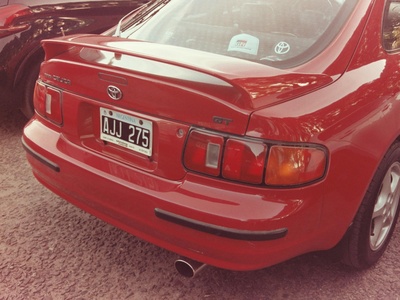
Toyota Celica
The Celica offered affordable coupe style and engaging handling using Corolla mechanicals. In 1972 it remained a popular entry-level sports car worldwide, delivering sporty looks and accessible driving dynamics.

Jaguar XJ6
Jaguar’s XJ6 was a luxury flagship noted for silky inline-six engines, refined ride, and classic British luxury appointments. In 1972 the Series II continued to serve executives and wealthy buyers seeking traditional refinement.

Alfa Romeo Spider
The Alfa Romeo Spider blended elegant Italian styling with responsive engines and lively handling. In 1972 it continued to be exported widely and admired by enthusiasts for timeless looks and pleasurable driving character.

Holden Torana
The Holden Torana was a locally produced compact that also spawned high-performance GTR models for racing and road use. In 1972 it remained central to Holden’s lineup and Australian motorsport participation.

Holden Monaro
The Monaro was Australia’s homegrown two-door coupe offering V8 performance and muscular styling. In 1972 it continued production with sporty trims aimed at buyers seeking local performance credentials.
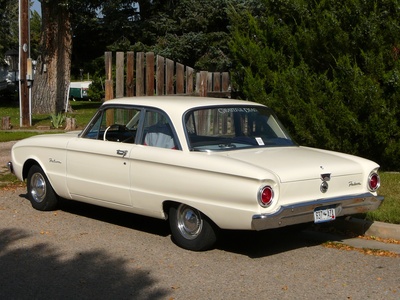
Ford Falcon
Ford’s Falcon was a dominant large family car in Australia and a fleet favorite. In 1972 new body variants and local production maintained its strong presence in private and commercial markets.
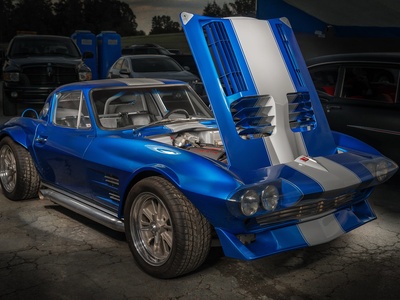
Chevrolet Corvette
The C3 Corvette combined exotic styling with V8 performance and remained America’s premier sports car in 1972. That year saw continued production with evolving engines and trim amid tightening emissions controls.

AMC Hornet
The AMC Hornet was a compact family car designed for economy and practicality. In 1972 it remained on sale with a range of sedans, wagons, and economy-focused variants aimed at budget-conscious buyers.

AMC Matador
The AMC Matador was AMC’s mid-size offering, replacing earlier models with updated styling and options. In 1972 it remained in production with coupe and sedan bodies, targeting family buyers and fleet sales.