The early 1950s reshaped car design and manufacturing worldwide, with 1953 showing a mix of postwar recovery, new styling, and growing export markets. Enthusiasts and historians often look to that year to see how makers adapted to changing demand and technology.
There are 34 Cars Made in 1953, ranging from the Alfa Romeo 1900 to the Volvo PV444. For each entry you’ll find below Manufacturer (country),Production in 1953 (units),Notable fact (max 15 words), presented so you can compare origins, output and a quick highlight — you’ll find below.
Which countries made the most cars in 1953?
Most production came from the United States, with strong contributions from the United Kingdom, Germany, Italy and Sweden; country totals vary by model and maker, so consult the manufacturer (country) column in the list below for exact breakdowns.
How reliable are the 1953 production numbers?
Figures are drawn from period production records and reputable registries but may be rounded or differ between sources; consider them a solid reference and check manufacturer archives or model-specific histories for definitive counts.
Cars Made in 1953
| Model | Manufacturer (country) | Production in 1953 (units) | Notable fact (max 15 words) |
|---|---|---|---|
| Chevrolet Bel Air | Chevrolet (USA) | Unknown | Popular full-size American icon of the early 1950s |
| Ford Crestline | Ford (USA) | Unknown | Top‑of‑line Ford for the 1953 model year |
| Cadillac Series 62 | Cadillac (USA) | Unknown | Luxury division’s mainstream model with V8 power and plush appointments |
| Buick Roadmaster | Buick (USA) | Unknown | Large luxury‑leaning Buick with straight‑eight engine options in 1953 |
| Chrysler New Yorker | Chrysler (USA) | Unknown | Chrysler’s flagship sedan emphasizing comfort and engineering |
| Studebaker Champion | Studebaker (USA) | Unknown | Compact, economical model kept Studebaker volume viable in 1953 |
| Nash Ambassador | Nash (USA) | Unknown | Distinctive American compact/upscale blend with innovative features |
| Hudson Hornet | Hudson (USA) | Unknown | Successful stock‑car racer and performance sedan of the era |
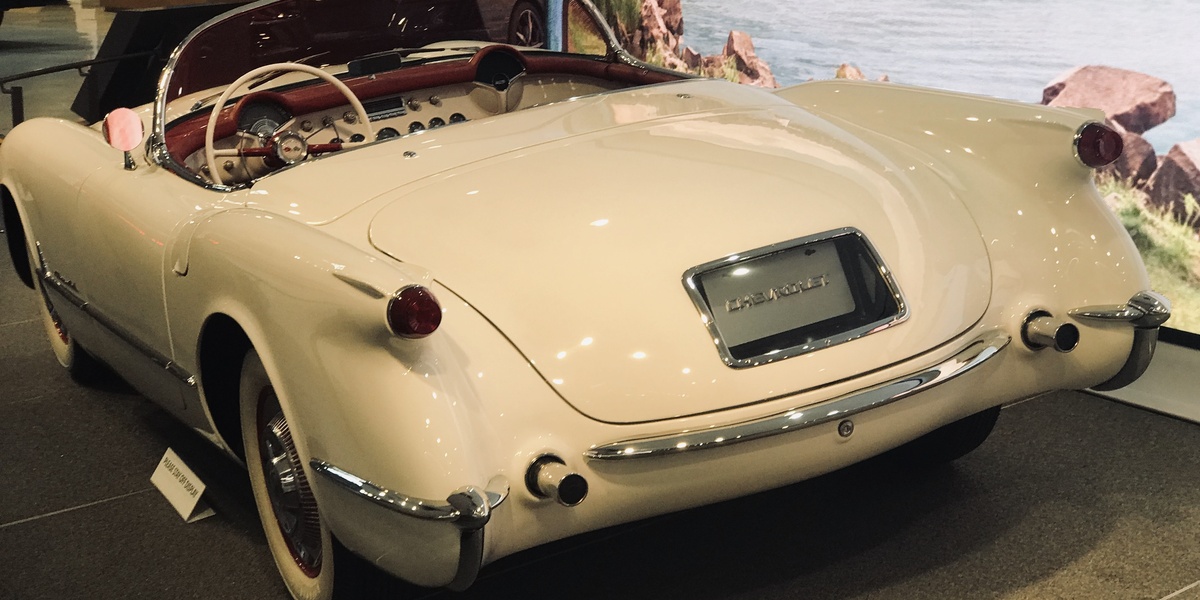
| Chevrolet Corvette | Chevrolet (USA) | 300 | First-year Corvette limited production — only 300 built in 1953 |
| Lincoln Capri | Lincoln (USA) | Unknown | Postwar Lincoln luxury coupe/sedan in 1953 lineup |
| Volkswagen Beetle | Volkswagen (Germany) | Unknown | World’s high‑volume economy car; mass production continued in 1953 |
| Mercedes‑Benz 180 (Ponton) | Mercedes‑Benz (Germany) | Unknown | Ponton‑bodied Mercedes introduced modern unibody design in 1953 |
| Jaguar XK120 | Jaguar (UK) | Unknown | High‑speed British sports car continuing production through 1953 |
| Jaguar Mark VII | Jaguar (UK) | Unknown | Large luxury saloon with powerful XK engine in early 1950s |
| MG TF | MG (UK) | Unknown | TF launched in 1953, restyling the TA/TC line with new bodywork |
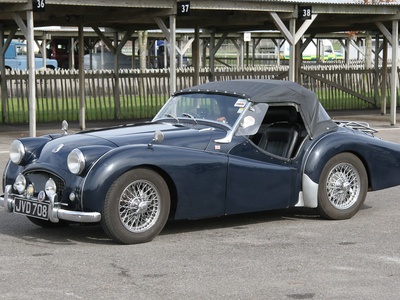
| Triumph TR2 | Triumph (UK) | Unknown | Affordable British sports car that began production in 1953 |
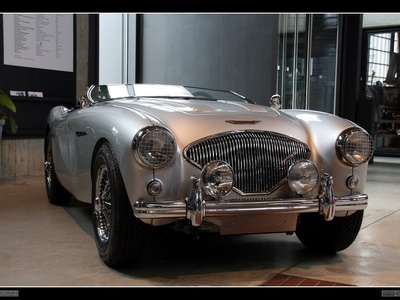
| Austin‑Healey 100 (BN1) | Austin‑Healey (UK) | Unknown | Launched 1953 as a true British two‑seat sports car collaboration |
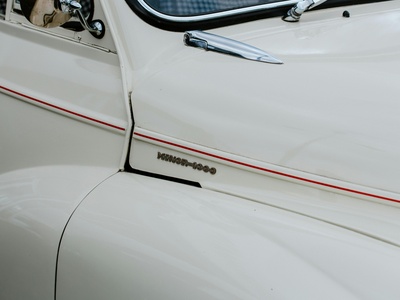
| Morris Minor | Morris (UK) | Unknown | Practical, economical family car widely produced through the 1950s |
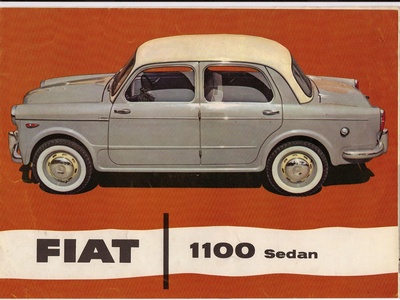
| Fiat 1100 | Fiat (Italy) | Unknown | Popular small family saloon in 1950s Europe |
| Lancia Aurelia B20 | Lancia (Italy) | Unknown | Early production V6 GT, influential postwar Italian grand tourer |
| Ferrari 250 MM | Ferrari (Italy) | Unknown | Low‑volume Ferrari sports racer/GT produced in 1953 |
| Porsche 356 | Porsche (Germany) | Unknown | Early Porsche sports car continuing small‑series production in 1953 |
| Citroën 2CV | Citroën (France) | Unknown | Unpretentious, utilitarian car widely used in rural France |
| Renault 4CV | Renault (France) | Unknown | Compact postwar French car popular as affordable transport |
| Renault Frégate | Renault (France) | Unknown | Larger family saloon intended to challenge mid‑range rivals in early 1950s |
| Saab 92 | Saab (Sweden) | Unknown | Early Saab compact car with aircraft‑inspired engineering made through 1953 |
| Volvo PV444 | Volvo (Sweden) | Unknown | Swedish compact executive car popular in domestic and export markets |
| BMW 501 | BMW (Germany) | Unknown | Early postwar BMW luxury saloon reintroduced production in early 1950s |
| Alfa Romeo 1900 | Alfa Romeo (Italy) | Unknown | All‑round family and sporting saloon with advanced engineering |
| Kaiser Manhattan | Kaiser (USA) | Unknown | Independent American full‑size car continuing postwar production |
| Renault Dauphine precursor models | Renault (France) | Unknown | Renault’s small‑car developments culminated in Dauphine later in decade |
| Simca Aronde | Simca (France) | Unknown | Popular French family car with multiple body styles in 1953 |
| Packard Patrician | Packard (USA) | Unknown | Prestige American luxury car carrying Packard’s high‑end offerings in 1953 |
| Opel Kapitän | Opel (Germany) | Unknown | Large German family saloon produced in early 1950s |
Images and Descriptions
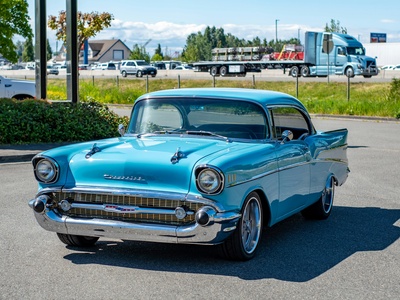
Chevrolet Bel Air
The 1953 Bel Air continued Chevrolet’s postwar dominance with updated styling and wide appeal; a staple of American motoring culture and a frequent restoration subject, produced in large numbers across multiple body styles during 1953.
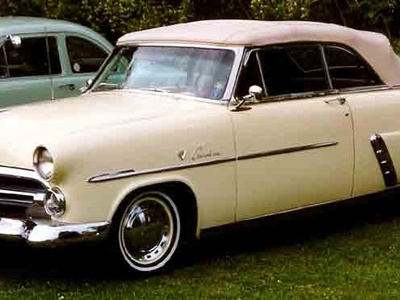
Ford Crestline
The Crestline was Ford’s premium 1953 offering, featuring chrome trim and V8 options; it represented mid‑century American family transport and remained a common sight on U.S. roads throughout 1953.
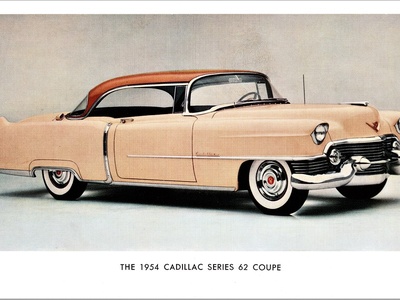
Cadillac Series 62
The Series 62 in 1953 combined Cadillac luxury with modern V8 performance and refined interiors, symbolizing postwar American prosperity and influencing luxury car expectations throughout the decade.
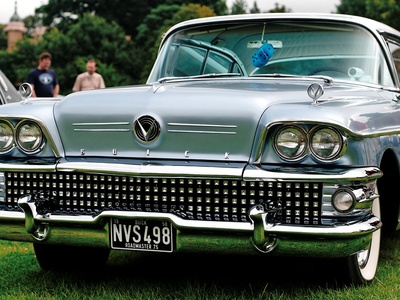
Buick Roadmaster
Buick’s Roadmaster offered roomy coachwork, premium trim, and Buick’s smooth engines in 1953, appealing to buyers wanting near‑luxury comfort without paying Cadillac prices.
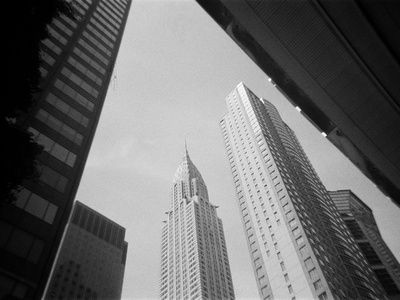
Chrysler New Yorker
The 1953 New Yorker presented advanced features and bold styling, targeting buyers looking for upscale amenities and high‑speed cruising comfort in Chrysler’s top passenger car.
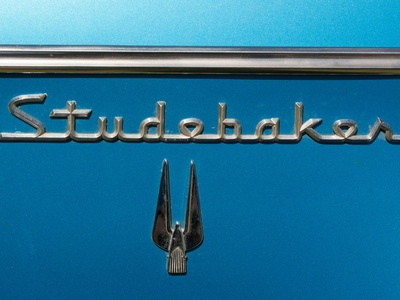
Studebaker Champion
The Champion was Studebaker’s affordable family car in 1953, noted for efficient engineering, distinctive styling, and helping the independent automaker maintain its market presence.
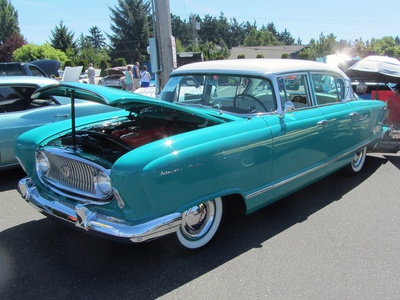
Nash Ambassador
Nash’s Ambassador combined comfort and unique styling in 1953, offering innovative engineering touches and aiming at buyers seeking something different from the Big Three.
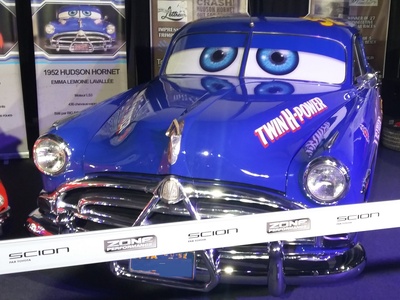
Hudson Hornet
The Hornet in 1953 carried a potent inline‑six and hydramatic options, famed for racing success and robust performance while still serving as a comfortable family car.
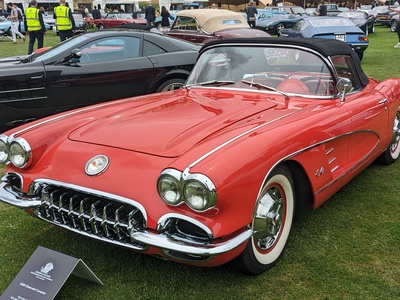
Chevrolet Corvette
The 1953 Corvette debuted as Chevrolet’s all‑American sports car, handbuilt in fiberglass with a small production run of 300 cars. It launched a legendary nameplate despite limited early performance and options.
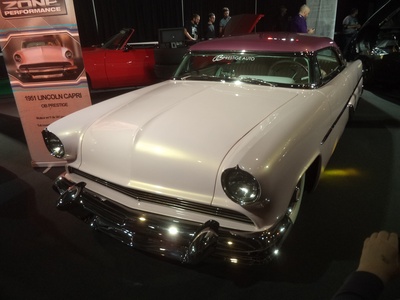
Lincoln Capri
The Capri was Lincoln’s mainstream luxury model in 1953, offering elevated trim, V8 power, and a smoother ride aimed at buyers seeking top‑tier American comfort.
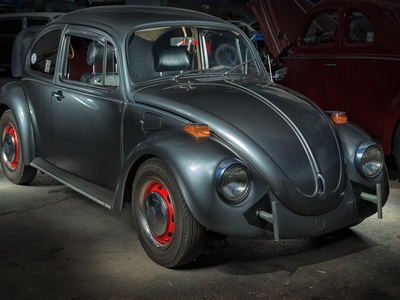
Volkswagen Beetle
In 1953 the Beetle remained Europe’s affordable transportation staple, with simple engineering and global growing popularity, laying groundwork for decades of cumulative production success.
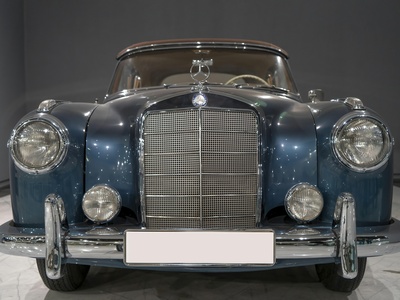
Mercedes‑Benz 180 (Ponton)
The W120 “180” launched Mercedes’ Ponton series in 1953, bringing unitary construction and conservative elegance to family motoring while marking a technical step forward for the brand.
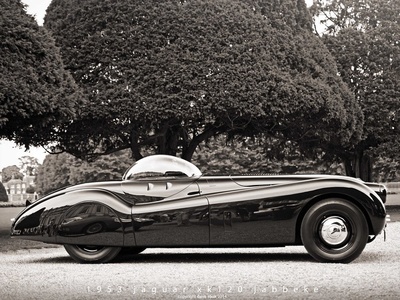
Jaguar XK120
The XK120 remained a benchmark sports car in 1953, prized for its performance, beautiful coachwork, and racing pedigree — a classic that defined British postwar motoring.
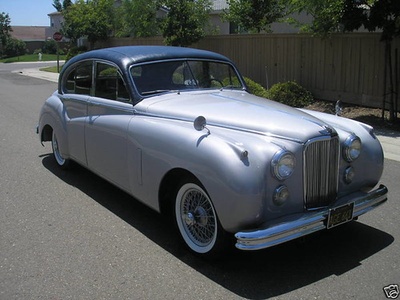
Jaguar Mark VII
The Mark VII offered Jaguar refinement and performance in 1953, blending sporting character with four‑door practicality for buyers wanting both speed and comfort.

MG TF
Introduced in 1953, the MG TF updated the T‑series roadster with fresh styling and coil‑spring rear suspension — an entry point to British sports‑car ownership during the era.
Triumph TR2
The TR2 arrived in 1953 as a rugged, inexpensive two‑seat roadster with good performance and strong export success, helping establish Triumph’s sports‑car reputation.
Austin‑Healey 100 (BN1)
The Austin‑Healey 100 debuted in 1953 with a big‑capacity engine, strong performance and touring capability, quickly earning acclaim among enthusiasts and collectors for its balanced chassis.
Morris Minor
The Morris Minor was Britain’s go‑to small family car in 1953, admired for its sensible packaging, durability, and friendly styling — a common sight on postwar British roads.
Fiat 1100
Fiat’s 1100 continued production in 1953 as a practical and affordable Italian family car, important for postwar mobility and export markets across Europe and beyond.
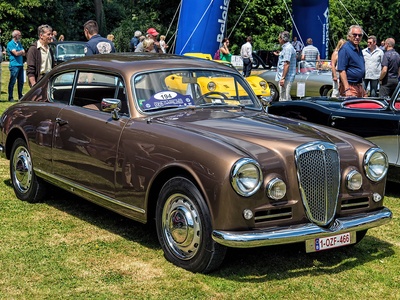
Lancia Aurelia B20
The Aurelia B20 coupe was produced in 1953 with Lancia’s pioneering V6 and sophisticated engineering, praised for handling and style, and significant in grand‑touring history.
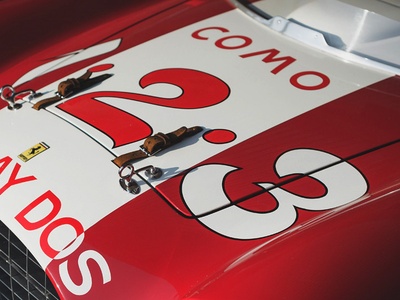
Ferrari 250 MM
The 250 MM was a limited‑production Ferrari road‑race car produced in 1953, notable for V12 performance, coachbuilt bodies, and racing success in international endurance events.
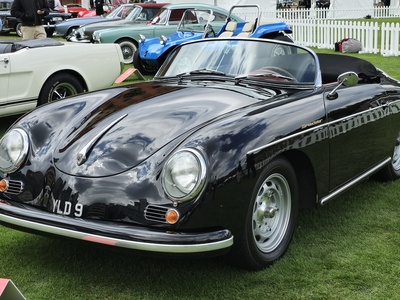
Porsche 356
The 356 remained Porsche’s core model in 1953, offering lightweight handling, air‑cooled flat‑four power, and forming the basis of the marque’s motorsport and enthusiast following.
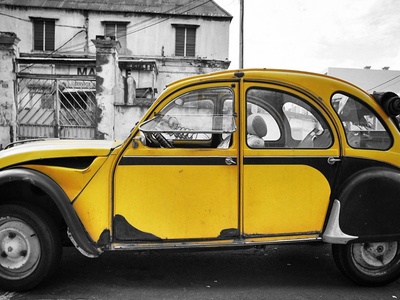
Citroën 2CV
The 2CV in 1953 continued its role as an inexpensive, rugged transport for farmers and families, famed for simplicity, soft suspension, and long‑running production.
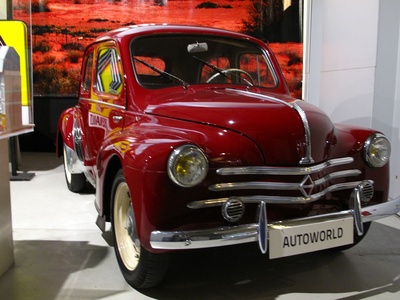
Renault 4CV
Renault’s 4CV remained an accessible small car in 1953, offering economical motoring to a recovering Europe and helping Renault rebuild its prewar customer base.
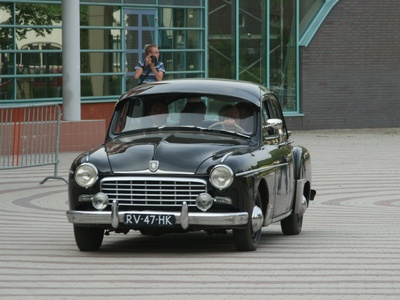
Renault Frégate
Produced in 1953, the Frégate was Renault’s attempt at an upmarket family car with spacious interior and refined ride, though sales were mixed against established competitors.

Saab 92
The Saab 92 continued production in 1953 offering aerodynamic styling and a two‑stroke engine; it helped establish Saab’s reputation for safety and economy.
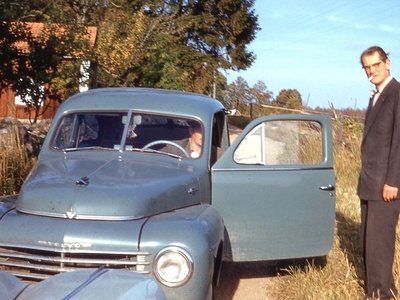
Volvo PV444
In 1953 the PV444 was Volvo’s durable small family car, known for sturdy construction and export success, laying the foundation for Volvo’s safety reputation.
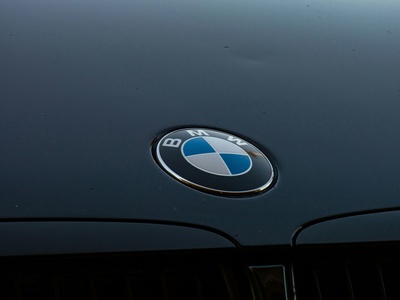
BMW 501
The BMW 501 was produced in 1953 as BMW’s return to premium cars, notable for its substantial presence, overhead‑valve engines, and coachbuilt styling.
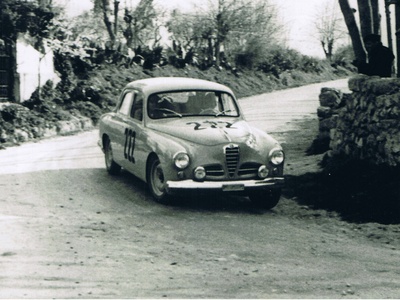
Alfa Romeo 1900
The 1900 series was offered in 1953 as a sporty and refined Alfa, with competition variants and coachbuilt coupes that attracted buyers seeking performance with everyday usability.

Kaiser Manhattan
Kaiser’s Manhattan in 1953 provided distinctive styling and economical V6/V8 options, representing smaller manufacturers’ efforts to compete in the crowded U.S. market.
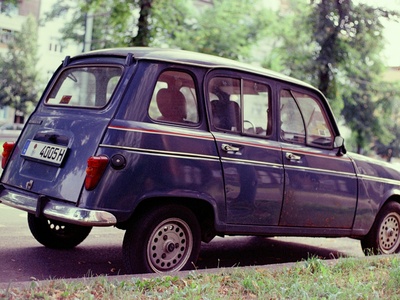
Renault Dauphine precursor models
In 1953 Renault continued developing compact passenger cars and small saloons that led directly to the later Dauphine’s mass‑market success, reflecting postwar demand for economical transport.
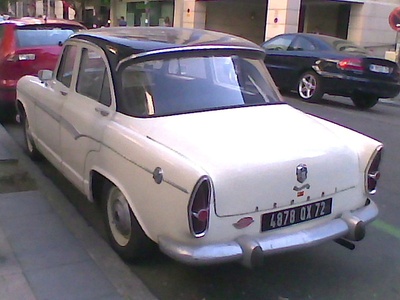
Simca Aronde
The Aronde was Simca’s mainstream model in 1953, offering modern styling and competitive pricing; it was significant for French private‑buyer motoring in the era.
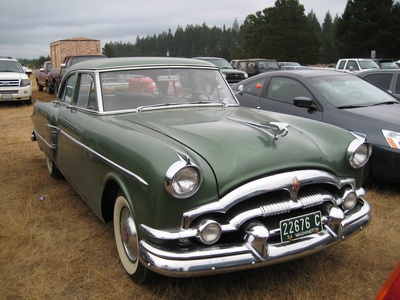
Packard Patrician
The Patrician line embodied Packard’s luxury image in 1953, providing high levels of trim and comfort before the brand’s decline later in the decade.
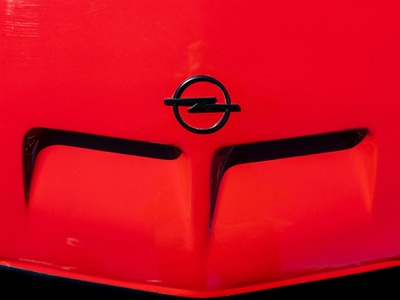
Opel Kapitän
The Kapitän continued in 1953 as Opel’s executive car, combining robust engineering and roomy coachwork aimed at business owners and affluent families in postwar Germany.