Tracing Buick’s history means following shifts in design, market demand, and the American car scene itself. From family sedans to sporty coupes, models came and went as tastes and regulations changed, leaving a trail of interesting, sometimes overlooked vehicles.
There are exactly 30 Buick Discontinued Models, ranging from Allure to Wildcat. For each entry, you’ll find below Years produced,Body type,Notable facts (max 15 words) to make quick comparisons and spot highlights, and you’ll find below.
Why did Buick discontinue so many different models?
Model retirements usually reflect changing buyer preferences, platform consolidation, emissions and safety rules, or corporate strategy — Buick often replaced multiple niche nameplates with fewer, broader models to streamline costs and sales.
Which discontinued Buicks are most sought after by collectors?
Classic performance and limited-run models — early Wildcat variants, Riviera generations, and certain GS trims — tend to be most collectible; desirability depends on condition, originality, and rarity.
Buick Discontinued Models
| Model | Years produced | Body type | Notable facts (max 15 words) |
|---|---|---|---|
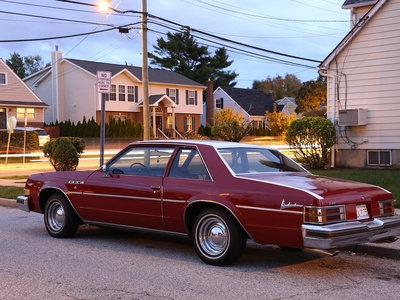
| LeSabre | 1959–2005 | sedan, coupe, convertible, wagon | America’s best-selling full-size car for many years. |
| Park Avenue | 1991–2005 | sedan | Buick’s flagship luxury sedan, known for its supercharged “Ultra” trim. |
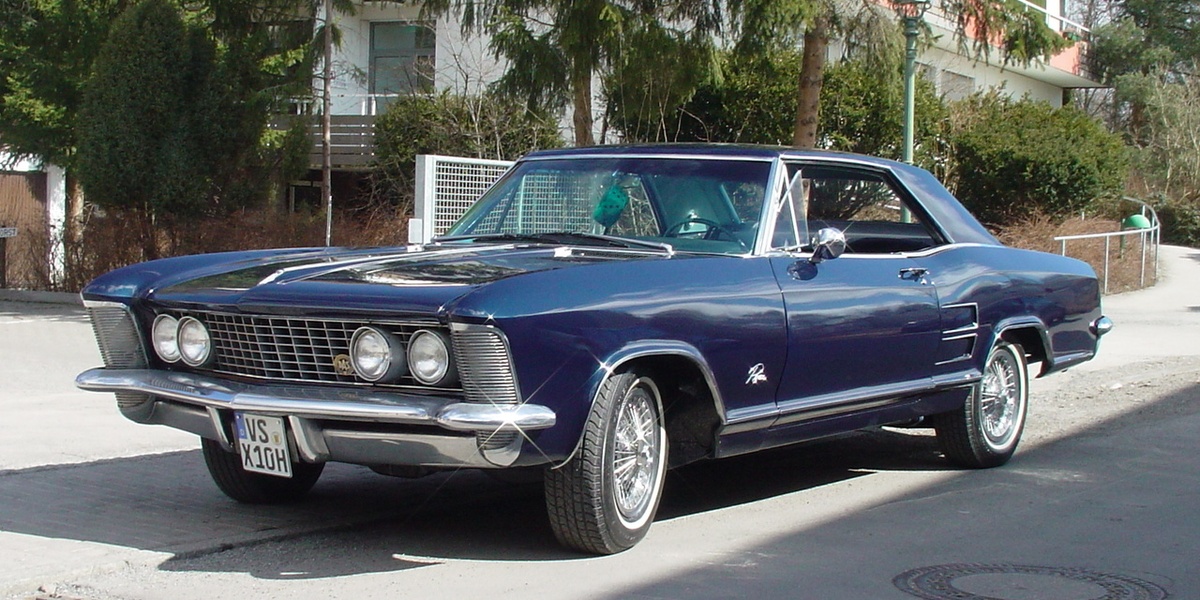
| Riviera | 1963–1999 | coupe | An iconic personal luxury coupe, especially the stunning 1963-65 generation. |
| Century | 1936–2005 | sedan, coupe, wagon | One of Buick’s longest-running nameplates, known as the “banker’s hot rod.” |
| Regal | 1973–2004 | coupe, sedan | Famous for its high-performance Grand National and GNX models in the 1980s. |
| Roadmaster | 1936–1958, 1991–1996 | sedan, coupe, wagon, convertible | A massive, powerful flagship, especially the 1990s V8-powered Estate wagon. |
| Skylark | 1953–1998 | coupe, sedan, convertible | Started as a limited-edition Motorama convertible, later became a popular compact. |
| Electra | 1959–1990 | sedan, coupe, convertible, wagon | Included the famous “Electra 225,” named for its overall length in inches. |
| Lucerne | 2006–2011 | sedan | Replaced both the LeSabre and Park Avenue; offered a Northstar V8 engine. |
| LaCrosse | 2005–2019 | sedan | A key model in Buick’s 21st-century revival, also sold as the Allure. |
| Verano | 2012–2017 | sedan | A compact luxury sedan praised for its quiet cabin and premium features. |
| Cascada | 2016–2019 | convertible | Buick’s first convertible in 25 years; a rebadged Opel from Europe. |
| Rendezvous | 2002–2007 | crossover | A pioneering crossover that helped save the brand with its strong sales. |
| Terraza | 2005–2007 | minivan | Buick’s “luxury crossover sport van” was a short-lived upscale minivan. |
| Rainier | 2004–2007 | SUV | The first truck-based SUV for Buick, offering V8 power. |
| Reatta | 1988–1991 | coupe, convertible | A hand-built, two-seat luxury sports car with a futuristic touchscreen display. |
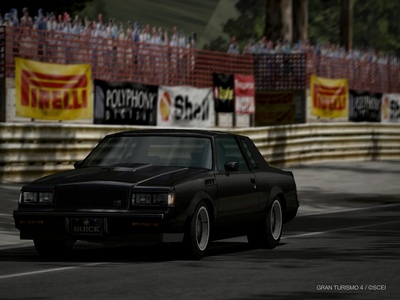
| Grand National | 1982, 1984–1987 | coupe | A menacing, all-black performance icon with a turbocharged V6. |
| GNX | 1987 | coupe | The ultimate “Grand National Experimental,” one of the quickest cars in the world. |
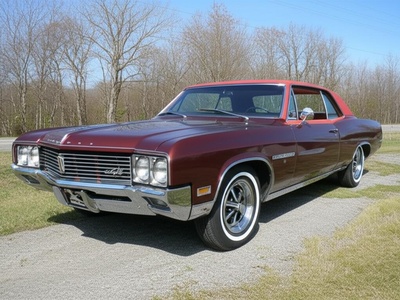
| Wildcat | 1963–1970 | sedan, coupe, convertible | A sporty, performance-oriented full-size car with powerful V8 engines. |
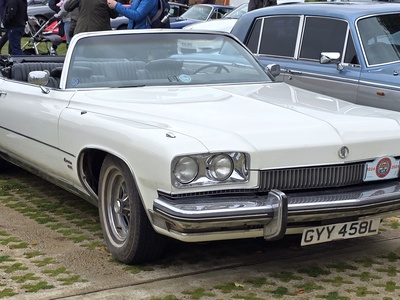
| Centurion | 1971–1973 | sedan, coupe, convertible | Replaced the Wildcat as Buick’s sporty full-size offering. |
| Special | 1936–1969 | sedan, coupe, wagon, convertible | Buick’s entry-level model for decades, offering style at an affordable price. |
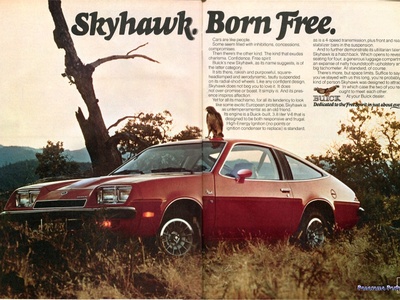
| Skyhawk | 1975–1989 | coupe, sedan, wagon | Buick’s subcompact, first as a RWD sports coupe then a FWD J-body. |
| Invicta | 1959–1963 | sedan, coupe, convertible, wagon | A full-size performance model with the LeSabre’s body and Electra’s engine. |
| Apollo | 1973–1975 | sedan, coupe | Buick’s version of the compact GM X-body, a sibling to the Chevy Nova. |
| Somerset | 1985–1987 | coupe, sedan | A downsized personal luxury coupe based on the GM N-body platform. |
| Limited | 1936–1942, 1958 | sedan, limousine | The absolute top-of-the-line Buick, often rivaling Cadillac in luxury. |
| Estate | 1940–1996 | wagon | The nameplate for Buick’s station wagons, famous for faux wood paneling. |
| Allure | 2005–2009 | sedan | The name for the Buick LaCrosse in the Canadian market. |
| Marquette | 1929–1930 | sedan, coupe, roadster | A short-lived “companion make” to Buick, sold for only one year. |
| Super | 1940–1958 | sedan, coupe, convertible, wagon | A mid-range model that combined the large Roadmaster body with a smaller engine. |
Images and Descriptions
LeSabre
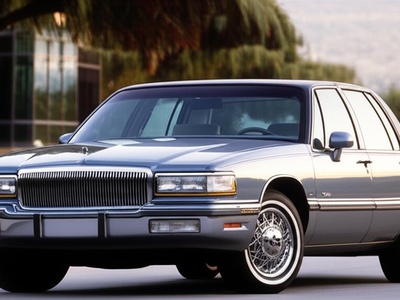
A cornerstone of the Buick lineup for nearly 50 years, the LeSabre was a dependable, comfortable, and popular full-size car. It was discontinued and replaced by the Lucerne as market tastes shifted.
Park Avenue
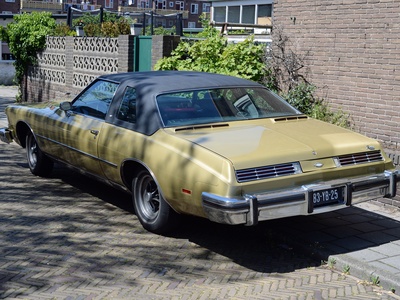
As the successor to the Electra, the Park Avenue was Buick’s top luxury offering in North America, prized for its quiet, smooth ride. It was replaced by the Lucerne in a model lineup consolidation.
Riviera
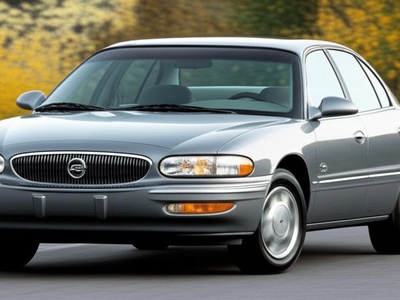
The Riviera was a style leader for decades, representing the pinnacle of Buick design and personal luxury. Sales eventually declined as the market for large coupes disappeared, and the nameplate was retired.
Century
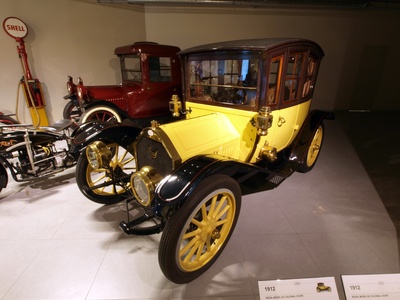
Spanning multiple generations, the Century served many roles, from a performance car to a reliable mid-size family sedan. It was eventually replaced by the LaCrosse as Buick updated its lineup.
Regal
The Regal was a popular mid-size car that evolved from a personal luxury coupe to a performance icon. The original rear-wheel-drive platform was discontinued, though the name later returned on other cars.
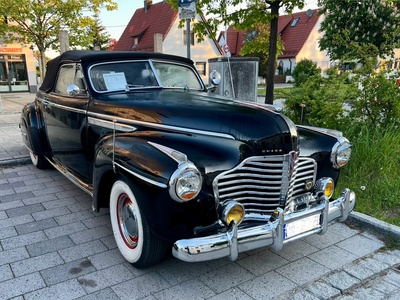
Roadmaster
As Buick’s top model for decades, the Roadmaster represented peak American size and luxury. Its 90s revival was short-lived as GM shifted production from large RWD cars to more profitable SUVs.
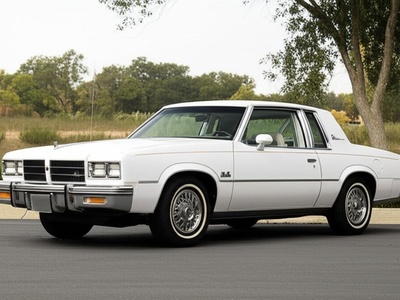
Skylark
The Skylark nameplate evolved significantly over its long history, from a luxury car to a mainstream compact. It was discontinued in the late 90s due to slow sales and changing market demands.
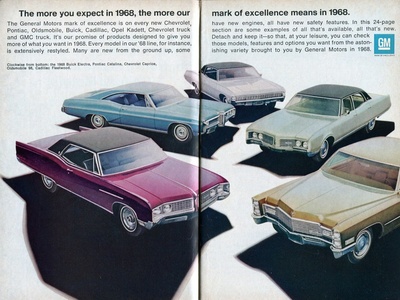
Electra
The Electra was Buick’s long-running flagship luxury model, defining comfort for generations. The name was retired in 1991, with its top trim, Park Avenue, becoming a standalone model.
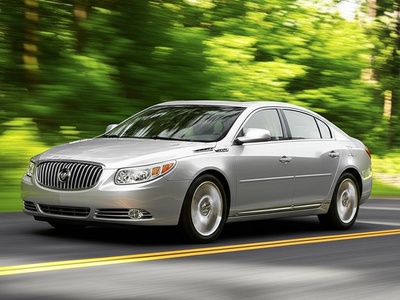
Lucerne
The Lucerne was Buick’s attempt to consolidate its full-size sedan lineup into one modern vehicle. It sold reasonably well but was discontinued as GM streamlined platforms, replaced by an upmarket LaCrosse.
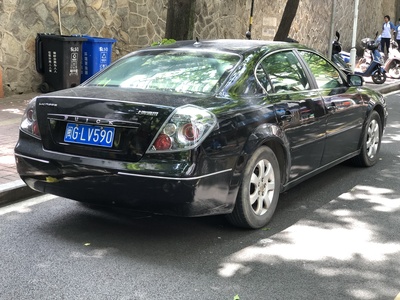
LaCrosse
The LaCrosse was a successful premium sedan that helped redefine the brand. However, it was discontinued in North America as part of Buick’s strategic shift to an all-SUV lineup.
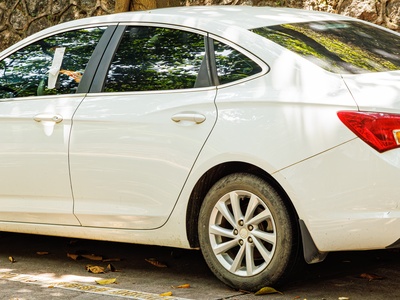
Verano
Based on the Chevy Cruze, the Verano was designed to attract new, younger buyers to Buick. It was a casualty of the market’s overwhelming shift away from sedans in favor of crossovers.
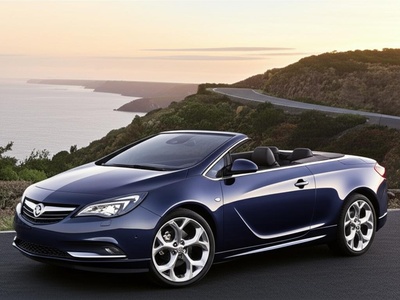
Cascada
This stylish four-seat convertible was a niche halo vehicle for the brand. Its discontinuation was tied to the end of production for its European counterpart and its slow sales in the US.
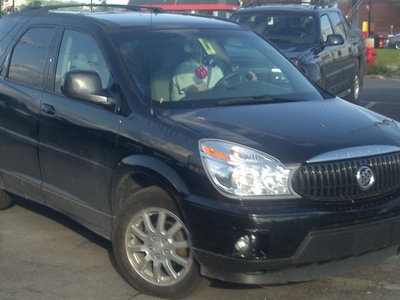
Rendezvous
Blending minivan versatility with SUV styling, the Rendezvous was a massive hit for Buick. It was a crucial transitional vehicle that was ultimately replaced by the more upscale Enclave.
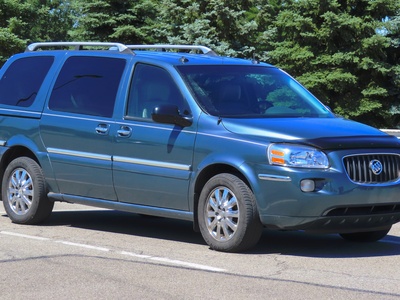
Terraza
The Terraza was part of a failed GM strategy to rebrand its minivans as more stylish vehicles. It sold poorly and was quickly dropped as Buick focused on its successful SUV lineup.
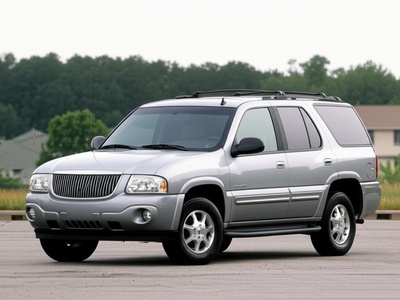
Rainier
Based on the GMT360 platform, the Rainier was a traditional body-on-frame SUV. It was a placeholder model that was quickly replaced by the far more modern and popular unibody Enclave crossover.
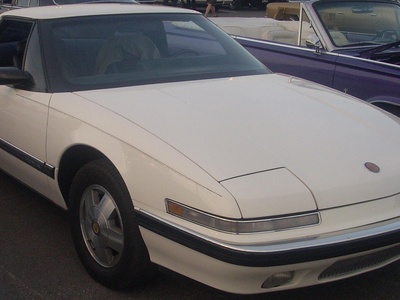
Reatta
The Reatta was a unique, technologically advanced halo car for Buick. High production costs and low sales volume led to its cancellation after just four years, making it a rare classic today.
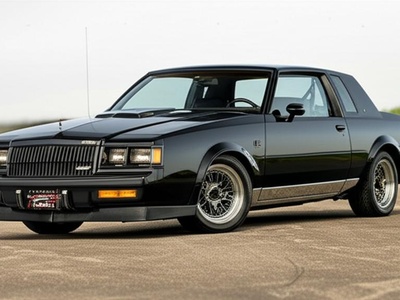
Grand National
A high-performance variant of the Regal, the Grand National became a muscle car legend in the 80s. Its production ended when the Regal platform switched to front-wheel drive.
GNX
A limited-edition, final-year monster, the GNX was a fitting send-off to the RWD Regal. Only 547 were built by McLaren, making it an incredibly rare and valuable collector’s car.
Wildcat
The Wildcat filled the gap between the standard LeSabre and the luxurious Electra. It was a ‘gentleman’s muscle car’ that was eventually discontinued as Buick’s lineup was consolidated.
Centurion
The Centurion was a short-lived model that carried the performance torch for Buick’s full-size cars. It was dropped after only three years during the fuel crisis amid a model simplification.

Special
The Special was a foundational model for Buick, serving as both a full-size and later a compact car. The historic name was retired as the brand’s model hierarchy and naming conventions evolved.
Skyhawk
The Skyhawk was Buick’s answer to the 1970s fuel crisis. It served its purpose as an economy car but was eventually discontinued due to declining sales in a competitive compact market.
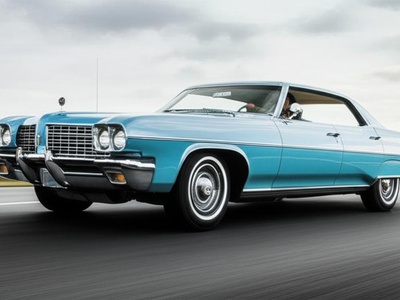
Invicta
The Invicta delivered spirited performance in a lighter full-size package. It was a powerful and stylish choice that was eventually replaced in the lineup by the similarly-positioned Wildcat.
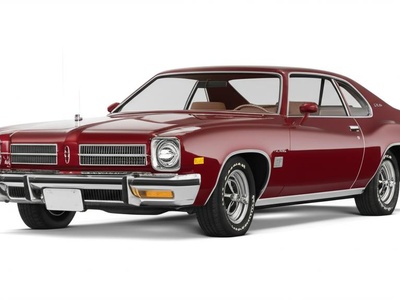
Apollo
The Apollo was a response to growing demand for smaller, more efficient cars in the 1970s. The name was dropped after a few years when the model was absorbed into the Skylark line.
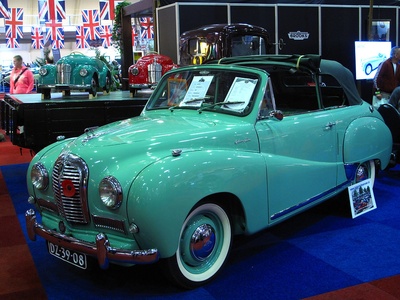
Somerset
Initially called the Somerset Regal, this compact model aimed to offer traditional luxury in a smaller package. It was part of a crowded lineup and was eventually folded back into the Skylark nameplate.
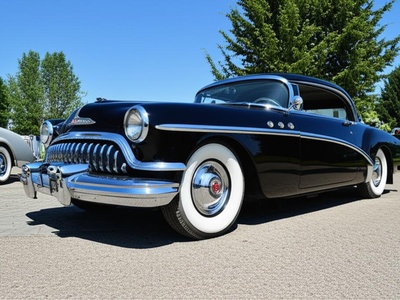
Limited
The Limited was Buick’s most prestigious and expensive model, built for the most discerning buyers. It represented the peak of the brand’s luxury, phased out as the Electra 225 took over the flagship role.
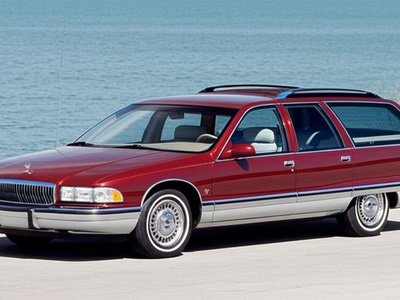
Estate
The Estate was the quintessential American family wagon, especially the massive Roadmaster Estate of the 1990s. The model line was discontinued as the entire market shifted to minivans and SUVs.
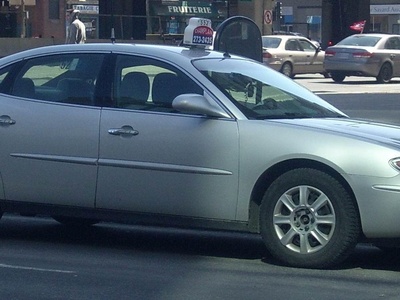
Allure
The name was changed in Canada to avoid a conflict with a Québécois French slang term. Buick switched the name to LaCrosse in 2010 to create a consistent brand identity across North America.
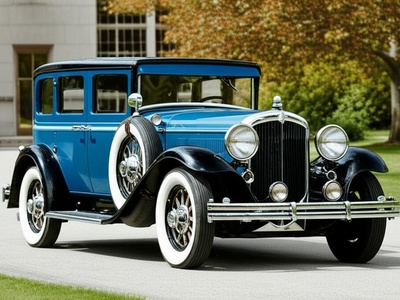
Marquette
Marquette was introduced by GM to fill a price gap below Buick. It was an early victim of the Great Depression and GM’s decision to streamline its brand portfolio, making it a rare pre-war car.
Super
The Super was a popular choice, offering buyers more interior space than the entry-level Special without the high cost of the Roadmaster. It was replaced by the Invicta during a 1959 lineup reboot.