Recall the first time performance cars began offering multi-piston calipers as factory options in the 1990s: braking went from an afterthought to a feature buyers demanded. Too many drivers assume the factory system is “good enough” until a string of hard stops or a hot track session reveals long stopping distances or heavy fade. Upgrading from stock brakes to a properly designed big-brake setup delivers measurable safety, performance, durability, and even economic benefits for drivers who push their cars on the street or track.
This piece ranks eight specific advantages you’ll actually feel or measure, backed by numbers, real-world examples (Brembo, Porsche, AP Racing), and practical caveats like cost and weight. Expect evidence-based claims, short driving scenarios, and clear trade-offs so you can decide what makes sense for your car and use.
Safety and Stopping Performance
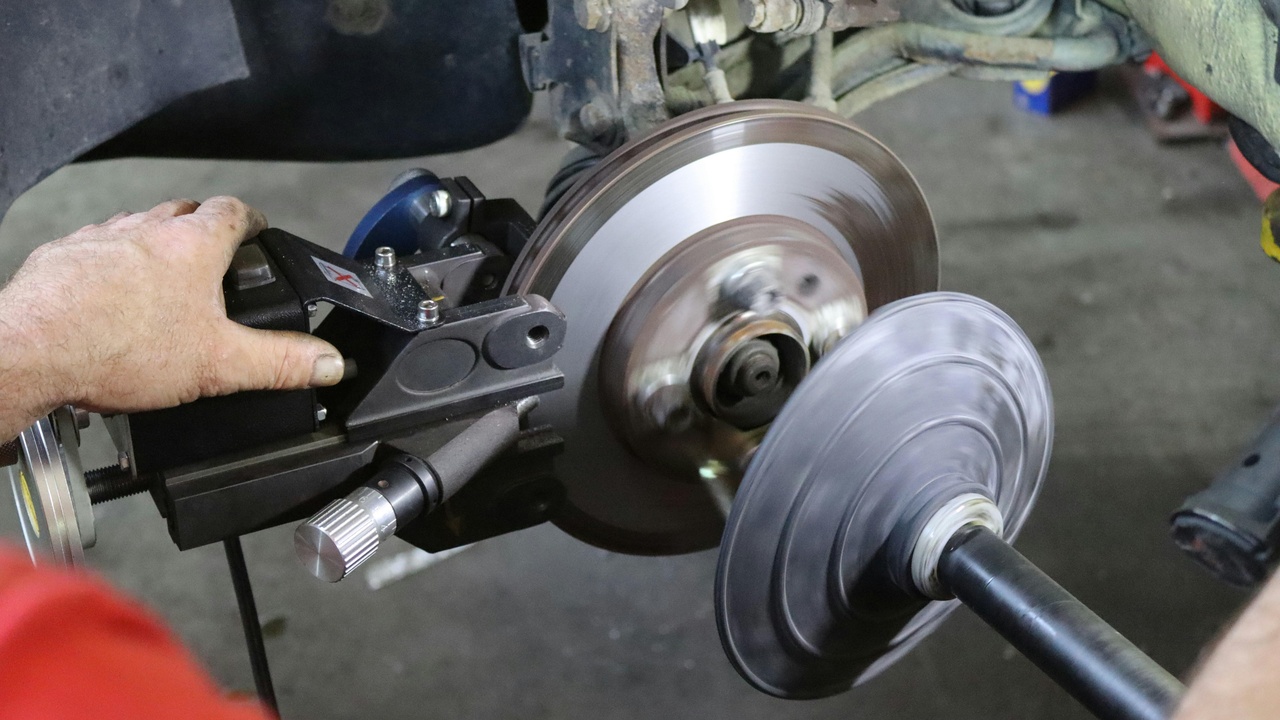
Stopping performance is literal seconds and feet: reaction is one thing, but how quickly the car sheds speed once you scrub it matters most on highways and in emergencies. Bigger rotors and multi‑piston calipers increase clamping force and thermal capacity, which translates to measurable reductions in stopping distance and steadier deceleration under repeated stops.
1. Shorter stopping distances at highway speeds
Properly matched big‑brake upgrades commonly cut stopping distance by roughly 3–10 feet from 60 mph in controlled tests, depending on tires, pad compound, and ABS tuning. The lower end reflects modest upgrades on street tires; the upper end comes from performance pads and larger rotors on grippy rubber.
For example, swapping a mid‑size sedan’s stock 300 mm rotors and single‑piston calipers for 330–350 mm rotors with 4‑piston calipers and a high‑friction pad is a common upgrade that produces measurable gains in test data published by automotive magazines and OEM test figures. On the other side, Porsche’s cars with factory Brembo hardware (e.g., some 911 packages) consistently stop shorter than their base Carrera counterparts under the same conditions.
In practical terms, a few feet can be the difference between a near miss and a claim. Trade-offs include extra unsprung weight and cost, so factor those into installations and wheel choices.
2. Much better performance under heat (reduced brake fade)
Larger rotors and more pad area spread heat and resist thermal saturation. Many OEM pads begin to show measurable fade above ~300°C, while performance pads and ventilated or two‑piece rotors can sustain strong bite well into the 500–700°C range. Track cycles often push rotors past 600°C on repeated heavy braking.
Rotor design matters: vented, thicker, and two‑piece rotors shed heat faster than thin stamped units, and calipers with more pistons maintain even pressure as temperatures climb. Amateur track cars using AP Racing or Wilwood gear routinely report more consistent lap‑to‑lap braking than cars running stock hardware.
OEM performance packages—think Subaru STI or BMW M cars—use larger-diameter rotors and dedicated high‑temp pads for this reason. Remember: pad compound choice and bed‑in technique are as important as rotor size for preventing fade.
Control, Feel, and Driver Confidence

Brakes aren’t just about numbers; they’re about what the driver feels underfoot. Upgraded hardware changes pedal travel, firmness, and modulation, which affects confidence entering corners, during emergency maneuvers, and while heel‑and‑toeing.
3. Improved pedal feel and modulation
Big‑brake systems typically produce a firmer, more predictable pedal with finer modulation. Mechanically, a stiffer caliper body and greater piston area reduce flex and distribute clamp force more evenly, which shortens travel and yields a more linear force curve.
Swapping a single‑piston floating caliper for a 4‑ or 6‑piston fixed caliper is a classic upgrade that drivers notice immediately: shorter travel, less mush, and easier threshold control. A long‑time brake technician paraphrased this plainly: “More pistons apply pressure more evenly, which makes the pedal feel more predictable.”
That predictability helps in spirited canyon runs and on track braking zones, where consistent inputs are essential for repeatable entries.
4. Reduced vibration and more consistent pad contact
Brake judder and steering‑wheel vibration come from uneven pad contact, warped or thin rotors, and flexible calipers. Upgraded systems use thicker, stiffer rotors and rigid multi‑piston calipers to keep contact flat and even under clamping loads.
Typical gains include rotors that are 2–6 mm thicker at the hat and larger in diameter, which reduces flex. Two‑piece rotors common on Porsche and many aftermarket kits isolate the friction surface from the hat and improve thermal growth control, meaning less pulsing and a steadier pedal.
The outcome is fewer steering vibrations under heavy stops and a more consistent driver feel across a session.
Durability, Maintenance, and Lifecycle Costs
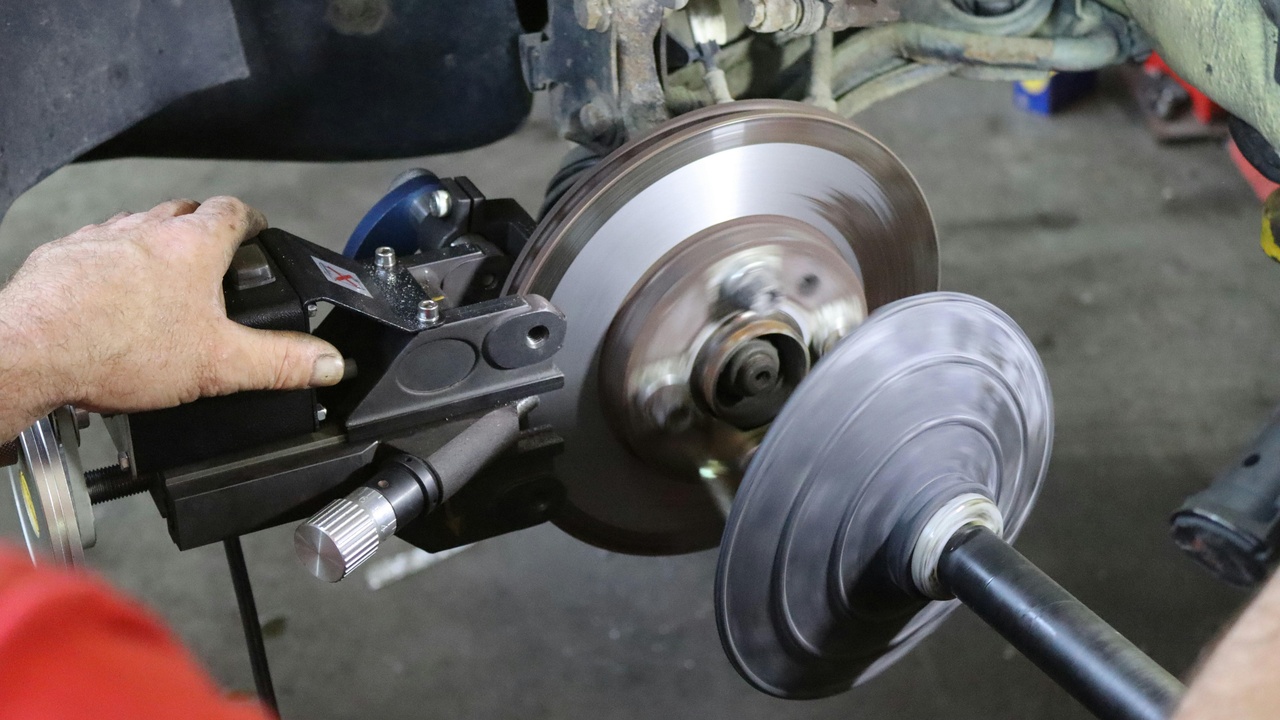
Think in lifecycle terms: big‑brake kits cost more up front, but under aggressive use they change how often you replace pads and rotors and can lower long‑term service bills for frequent track drivers.
5. Longer life under sustained, heavy use
Larger rotors and performance pads usually wear more slowly in heavy use because heat and force are spread over more material. Under amateur track conditions, stock pads and rotors often need replacement every 2–6 sessions, depending on driving style.
By contrast, a matched big‑brake setup with thicker two‑piece rotors and high‑temp pads can extend service intervals by roughly 25–100% for many drivers. Club racers frequently report fewer rotor swaps after upgrading to two‑piece rotors and high‑capacity calipers.
That extra life comes from reduced thermal warping, lower peak contact stresses, and better pad material choices designed for repeated heavy use.
6. Potential lower total cost for frequent high-load use
Big‑brake kits commonly range from about $1,200 for entry‑level bolt‑on packages to $4,500 or more for name‑brand, multi‑piston systems. OEM rotor and caliper replacements per axle often run $400–$1,200 plus labor if you’re replacing oxidized or warped stock parts repeatedly.
For a driver who would replace pads and rotors several times a year, a one‑time upgrade can be cheaper over a 2–3 year span versus buying multiple OEM replacement sets. For mostly street‑driven cars, though, the math often doesn’t favor big brakes once wheel upgrade costs and pricier pads are included.
Also budget for hoses, possibly new wheels, and alignment checks; larger brakes sometimes force a wheel change, which adds to the tally.
Practical, Style, and Resale Benefits
Beyond stopping power, big brakes change how a car presents itself and how buyers perceive value. When shoppers compare big brakes vs stock brakes on listings, well‑chosen, documented upgrades often boost buyer confidence in enthusiast markets.
7. Increased resale appeal to enthusiasts
A high‑quality, well‑documented brake upgrade can make a car more attractive to performance buyers. In enthusiast forums and listings, bolt‑on upgrades such as a Brembo kit on a Subaru WRX or Ford Mustang often justify a premium of hundreds to a couple thousand dollars in perceived value.
To preserve that value, keep receipts and the original OEM parts so they can be reinstalled by a buyer who prefers factory equipment. Documentation and proper installation matter more than flashy colors when resale is the goal.
8. Better fitment options and visual upgrades
Large calipers and rotors open up visual and fitment options: painted calipers, branded hardware, and a fuller look behind multi‑spoke wheels. Many Brembo and StopTech kits draw attention on show cars and track builds for that reason.
Practical fitment notes: many kits need 18″ or larger wheels and may require a different offset for inner clearance. Check rotor hat size, bolt pattern, and wheel inner clearance before you buy to avoid surprises.
When done right, the visual upgrade pairs with the performance gain—just don’t forget the wheel and tire implications when budgeting.
Summary
- Big‑brake upgrades shorten stopping distances and resist fade, which matters most for highway emergency stops and repeated high‑speed braking.
- They improve pedal feel and reduce judder by spreading clamp force and using stiffer calipers and thicker rotors, which helps confident, repeatable driving.
- For frequent track or heavy‑use drivers, larger brakes often mean longer component life and can lower total cost over time—though the upfront kit and wheel costs are significant.
- Quality kits also add resale appeal and visual impact for enthusiast buyers, provided you document the work and retain stock parts for sale.
Next step: talk to a trusted shop for fitment checks (rotor hat, wheel clearance, bolt pattern), save your OEM parts, and if possible test‑drive a factory performance model or a car with a proven aftermarket kit before committing.