Between 2010 and 2019, automakers pushed the boundaries of performance, dropping lightweight carbon structures, hybrid powertrains, and turbocharged engines into road cars that could lap circuits quicker than many earlier supercars. The 2010s mattered because hybrid systems, a turbocharging renaissance, and wider use of carbon-fibre construction changed how speed was delivered and experienced. Buyers gained more usable power and better fuel efficiency; enthusiasts enjoyed sharper handling and new electronic aids; historians will point to this decade as the point where track technology became road-legal on a large scale. This list highlights the best sports cars of the 2010s, and each entry explains what made the car important — performance specs, significant tech, driving feel, and real-world relevance.
All-round Performance Icons
All-rounders balance circuit pace with comfortable daily driving, and they tend to hold value better than one-trick sports cars. For many buyers that balance — versatility, reliability, and resale — matters as much as peak lap time. Below are three models from the 2010s that combined usable power, engineering polish, and broad appeal.
1. Porsche 911 (991) — The consummate all-rounder
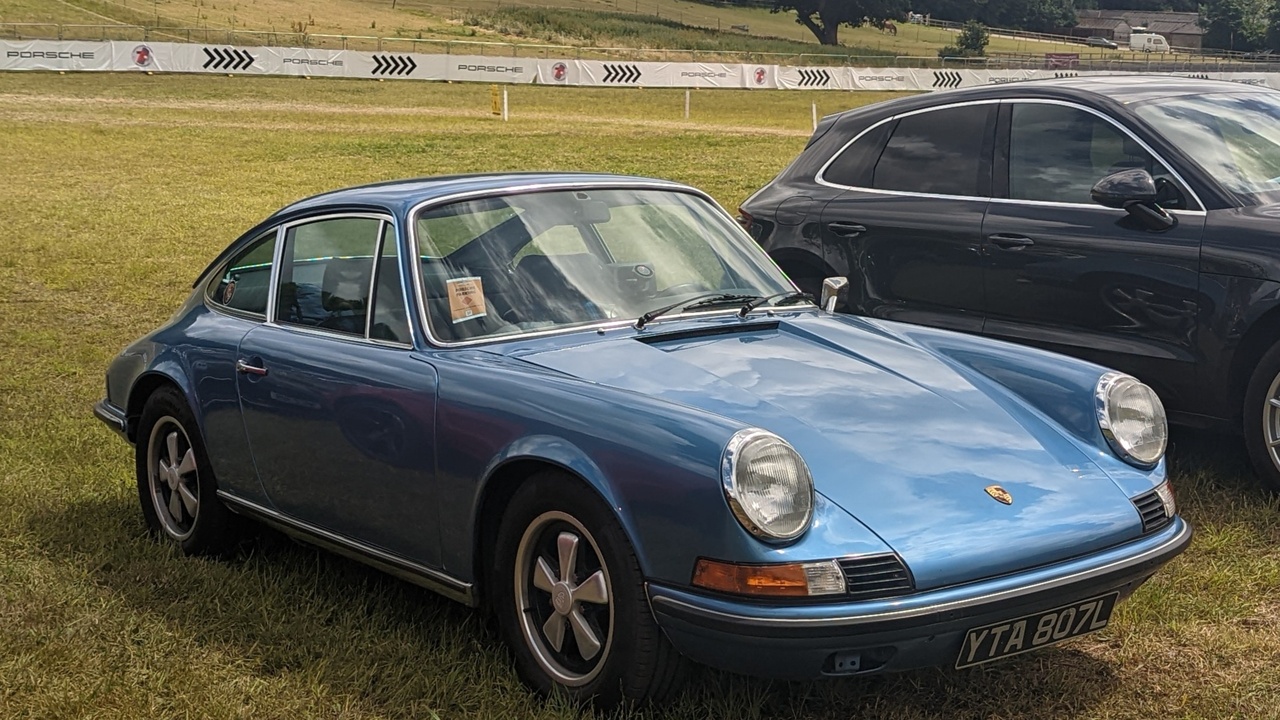
The 991-generation 911 refined Porsche’s formula for mixing daily comfort with genuine track capability. Produced from 2011 through 2019, the 991 received a mid-cycle 2016 refresh (the 991.2) that brought turbocharged flat-six engines to mainstream Carrera models. A 2016 Carrera S produced roughly 420 hp while Turbo S variants ranged from about 560 to 580 hp depending on year and options.
Engineering highlights include a stiffer chassis, recalibrated electric power steering for better feedback, and improved aerodynamic detail that increased high-speed stability. A well-optioned Carrera S will cruise comfortably on long trips, serve as a daily commuter in many markets, and still deliver sub-4-second 0–60 mph times — for example, a 2016 Carrera S is rated around 0–60 mph in approximately 3.7 seconds.
These traits made the 991 influential: other makers chased its blend of usability and performance, and 911s from this era remain strong on the used market.
2. Ferrari 458 Italia — Naturally aspirated brilliance
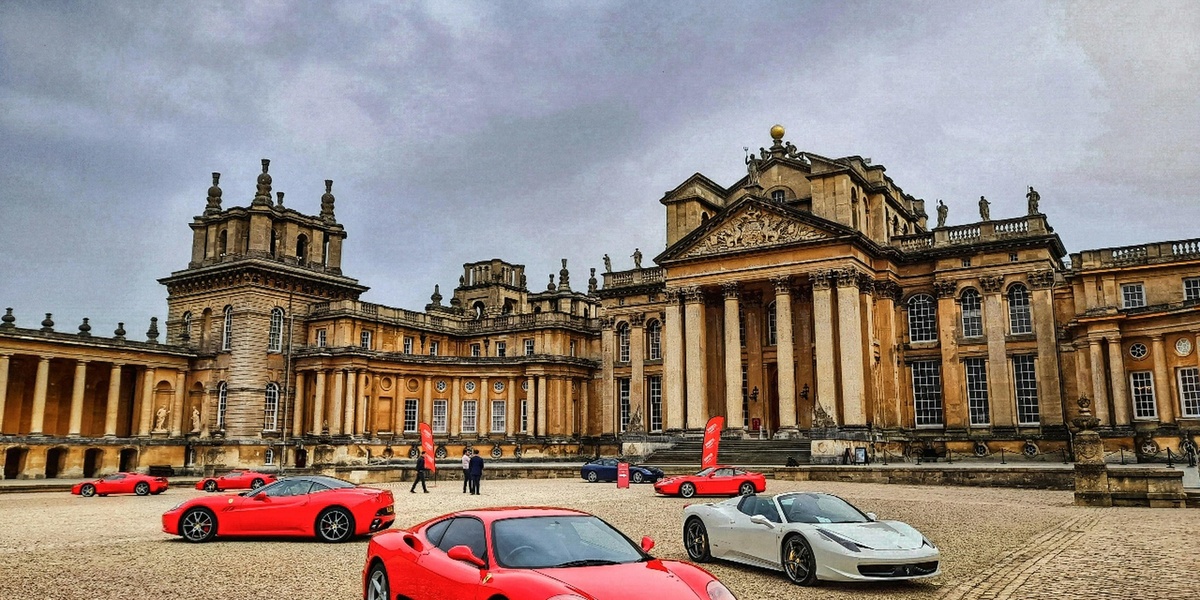
The 458 stood out for its high-revving, naturally aspirated 4.5‑liter V8 and superb chassis balance. Built from 2009 to 2015, the car defined early-2010s supercar character with about 562 hp in standard trim and a 0–60 mph time near 3.3 seconds.
Beyond straight-line speed, the 458 delivered razor-sharp throttle response, communicative steering, and cornering poise that made it a benchmark before turbocharging and hybrid systems became dominant. The 458 Speciale further sharpened power and weight, and today standard 458s are rising in collectible status.
3. McLaren MP4-12C — Modern materials, focused performance
Launched in 2011, the MP4-12C helped McLaren convert race-bred technology into a road-going package. It used a carbon‑fibre monocoque and a 3.8‑liter twin‑turbo V8 making roughly 592–600 hp depending on spec, with 0–60 mph in about 3.1–3.3 seconds.
Its race-influenced suspension and lightweight tub set a new bar for mid-decade supercars, pushing rivals to adopt similar construction. Early models had some electronic teething issues, but later years improved reliability. On track the MP4-12C felt incisive and fast, while still being usable on public roads when properly equipped.
Technological Trailblazers
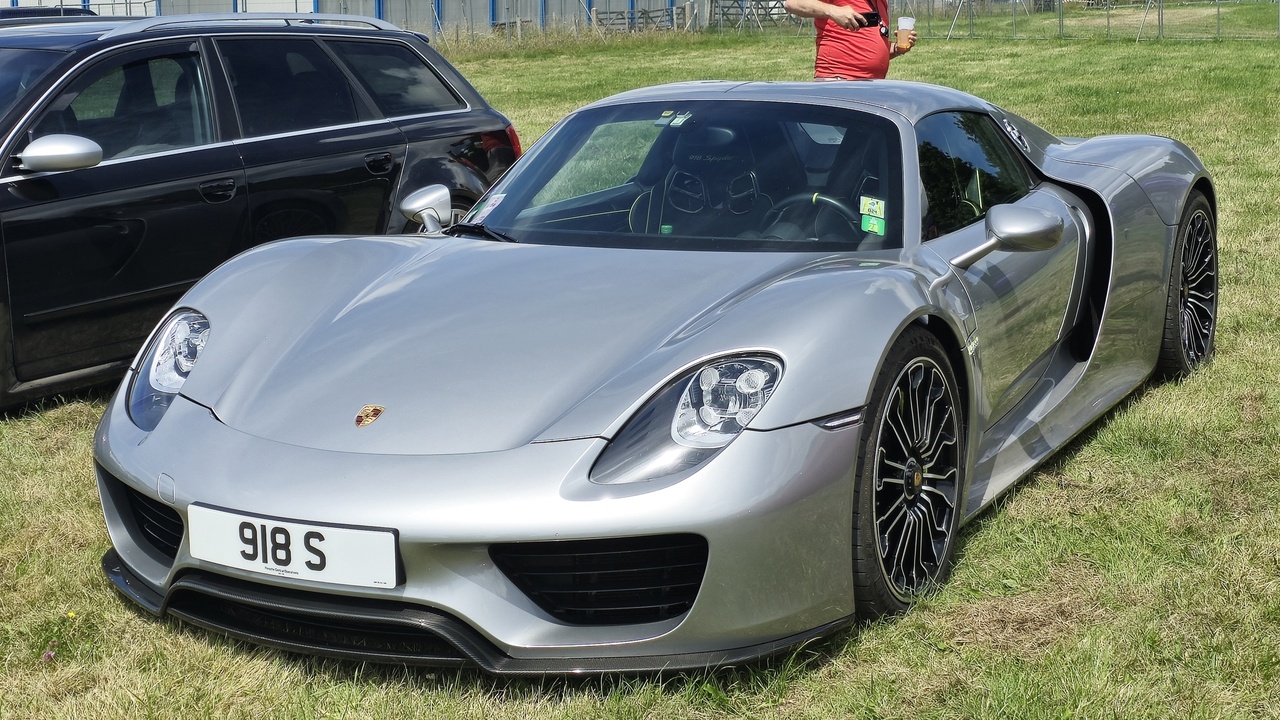
The 2010s accelerated adoption of hybrid drivetrains, advanced aerodynamics, and carbon materials. Those innovations mattered not just for peak horsepower but for lap times, efficiency, and new engineering approaches that later influenced more mainstream models. The three cars below demonstrated technologies that shaped the decade.
4. Porsche 918 Spyder — Hybrid performance that mattered
The 918 proved hybrid systems could outpace pure internal-combustion rivals on a track. Built as a limited-run model from about 2013 to 2015, the 918 paired a 4.6‑liter V8 with electric motors for a combined output near 887 hp.
Its Nürburgring and circuit credentials underlined that electrified power could improve lap times while offering short electric-only ranges for city driving. The 918’s technology validated performance hybrid architectures and directly influenced subsequent hypercars and trickled down to performance hybrids in smaller segments.
5. Nissan GT-R (R35) — Technology for accessible supercar pace
The R35 GT-R made advanced systems available at a far more attainable price than most rivals. Through continuous updates in the 2010s, Nissan refined its all‑wheel‑drive system, gearbox control, and chassis tuning. Nismo variants in the mid‑2010s pushed output toward 600 hp.
That combination yielded lap times comparable to much more expensive cars, making the GT-R a perennial value-and-performance proposition. Owners enjoyed a machine engineered by a specialist team, one that rewarded incremental tuning and track use without the price tag of exotic rivals.
6. Audi R8 V10 (2015 refresh) — Supercar tech with everyday polish
The second‑generation R8, refreshed in 2015, combined a Lamborghini‑derived V10 with Audi’s refinement. V10 Plus and Performance trims delivered roughly 540–602 hp depending on year and market, while quattro all‑wheel drive kept traction strong.
Balance, a memorable V10 soundtrack, and comfortable ergonomics made the R8 one of the few exotics genuinely usable every day. It showed that extreme engines could sit in a polished, well‑appointed cabin without diluting the driving experience.
Pure Driver’s Cars
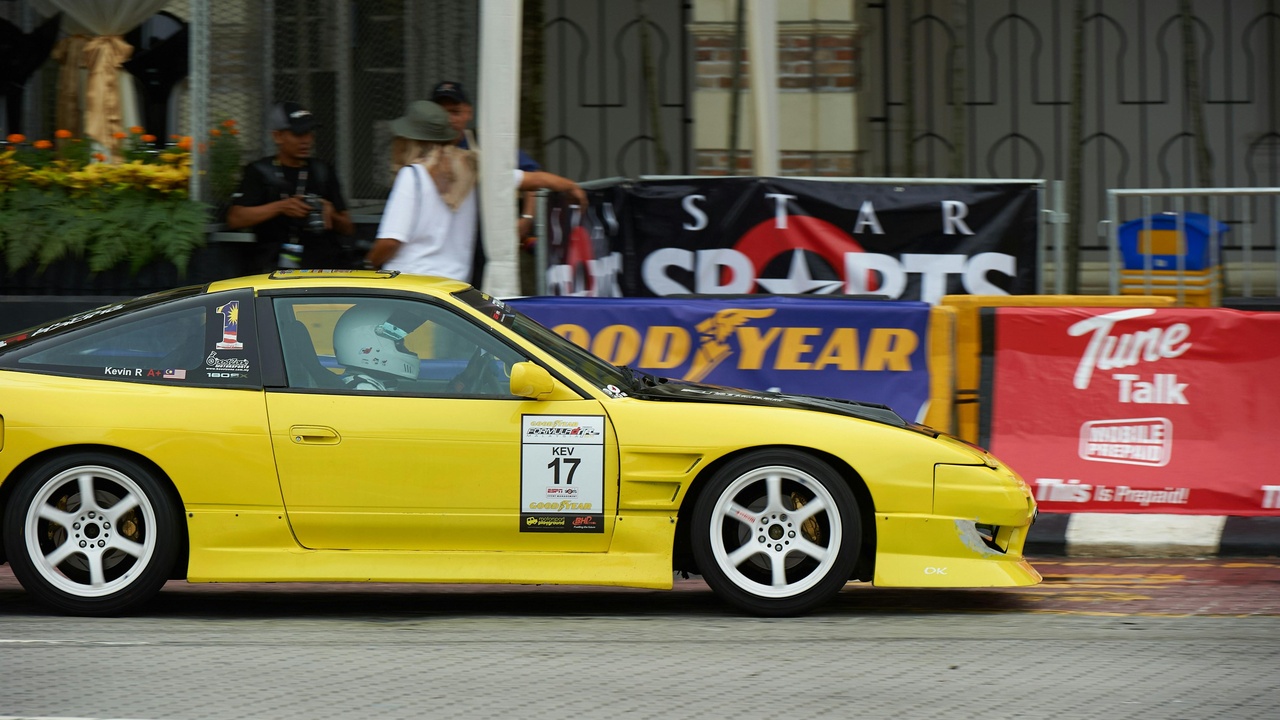
Some models prioritized driver engagement over headline numbers, focusing on light weight, steering feel, and chassis balance. Those traits reward road enthusiasts and make for outstanding back‑road and club‑track machines. Below are two examples that chased purity rather than just peak figures.
7. BMW M3 (F80) / M4 (F82) — Twin-turbo refinement with a driver’s focus
With the 2014 launch, BMW shifted the M3/M4 from the naturally aspirated S65 to the twin‑turbo S55 engine, increasing midrange torque and everyday usability. Standard S55 output sat near 425 hp, with Competition packages raising power and sharpening dynamics.
The F‑series preserved BMW’s chassis balance and delivered strong track capability while giving drivers more usable torque in real traffic. These cars became favorites for club racing and track days, and a broad aftermarket ensured upgrades for brakes, suspension, and engine tuning.
8. Alfa Romeo 4C — Minimalism and lightness for pure feel
The Alfa 4C embraced a “less is more” approach: a carbon‑fibre passenger cell, razor‑thin insulation, and a small turbo four meant curb weights in the roughly 900–1,000 kg range. Introduced in Europe in 2013 and later in North America, the 4C used about 237 hp but felt much quicker because of its low mass.
On twisty roads the 4C rewarded drivers with direct steering and a raw connection to the chassis. Trade‑offs included a spartan interior and a firm ride, but for enthusiasts the payoff was an engaging, compact sports car unlike heavier contemporary rivals.
Exotic Supercars and Halo Models
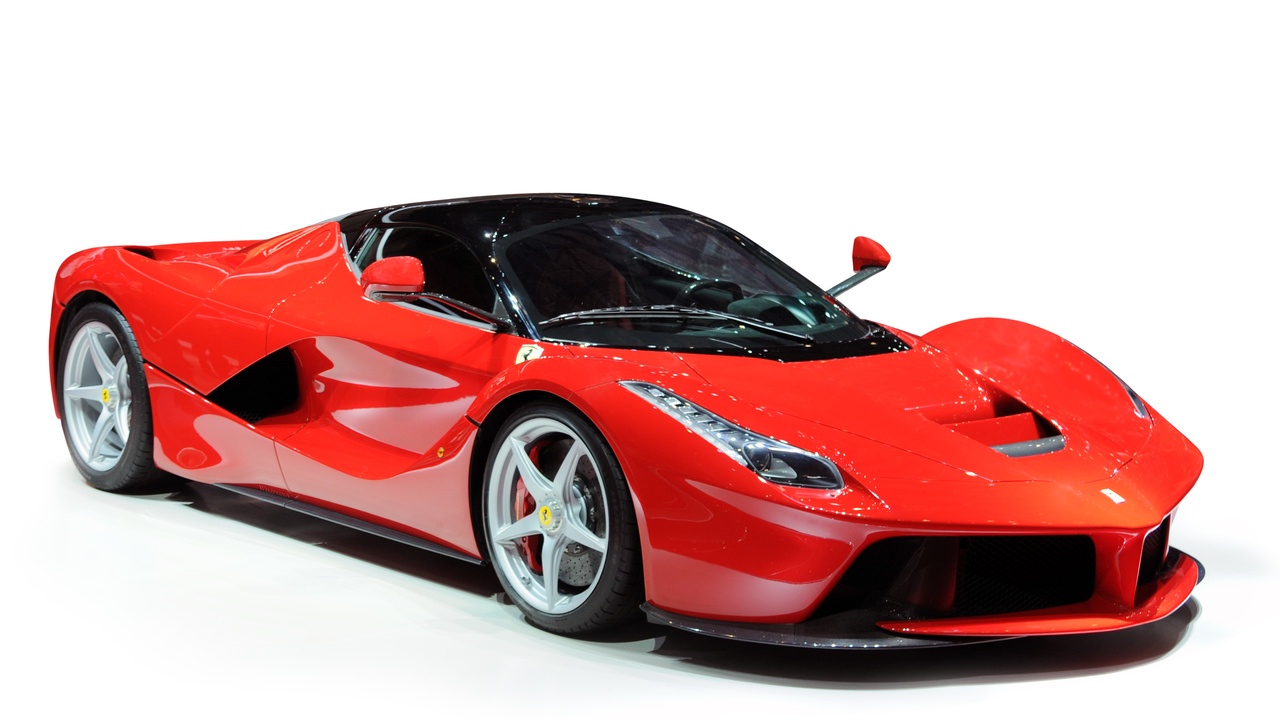
Halo cars in the 2010s were limited-run, extreme performers that raised brand profiles and demonstrated new tech. They often sold out at launch, commanded collector interest, and served as testbeds for ideas that later filtered down. Here are two defining halo models from the decade.
9. Ferrari LaFerrari — Hybrid hypercar as a halo statement
Revealed in 2013, LaFerrari was Ferrari’s limited‑run hybrid flagship combining a V12 with an electric motor to produce roughly 950–963 hp depending on measurement. Production was tightly capped at about 499 units, making it instantly collectible.
The car used hybrid technology to boost performance rather than just efficiency, delivering blistering acceleration and track pace while showcasing Ferrari’s future engineering direction. LaFerrari examples set high auction records and helped normalize hybrid hypercars as serious performance contenders.
10. Ford GT (second generation, 2017) — Aerodynamic engineering in a limited package
The second‑generation Ford GT, launched with production in 2017, reinterpreted a racing icon with an emphasis on aerodynamics and light construction. It uses a 3.5‑liter EcoBoost twin‑turbo V6 making about 647 hp, plus active aerodynamic elements and a carbon‑fibre body.
Ford demonstrated that a downsized, turbocharged engine could deliver supercar performance when paired with advanced aero and lightweight materials. Limited production and strict allocation rules increased desirability and collector appeal, though ownership came with trade‑offs tied to rarity and real‑world practicality.
Summary
The 2010s blended new technology with driver-focused engineering to produce a wide range of great sports cars. Hybrid systems and carbon construction defined the high end, turbocharging returned in force to improve real‑world performance, and several cars delivered supercar pace with improved daily usability.
Think about what you value most — daily usability and resale, raw driver engagement, or halo-level technology and collectibility — then match that priority to cars like the 911 for usability, the 918 and LaFerrari for hybrid performance, or the Ford GT for aero and engineering focus.
Which of these best sports cars of the 2010s matches your priorities? Consider intended use, maintenance and collectible potential before deciding.
- Porsche 911 (991) — balance of daily usability and track capability.
- Porsche 918 / Ferrari LaFerrari — hybrid tech used to raise lap times, not just efficiency.
- Ford GT and McLaren MP4‑12C — lightweight construction and aerodynamic focus that influenced later models.