The 1990s gave us a rare overlap: analogue engineering at the tail end of a high-tech boom—think gated manuals, blow-off valves, and cars that still felt mechanical in your hands.
That mix—old-school feedback plus emerging electronics—still matters to drivers, collectors, and tuners. Street culture, GT racing, and the World Rally Championship pushed makers to build cars that were both engaging and competitive; by 1998 many models already featured traction control and adaptive gearboxes while keeping manual engagement intact. A growing aftermarket made performance upgrades affordable, and media exposure (from WRC highlights to films like Fast & Furious) turned several models into cultural icons.
This list of the best sports cars of the 1990s highlights ten machines that defined the era. Each entry includes production years, key specs, cultural impact, and a concrete example to help you understand why these cars still attract attention and rising values today.
Japanese Icons
Japanese automakers dominated 1990s tuner culture thanks to durable engines, accessible turbocharging, and strong dealer and aftermarket support. Engines like Toyota’s 2JZ, Nissan’s RB26, and Mazda’s 13B proved robust and upgradeable, while AWD and electronic differentials migrated from rally cars into road-going models.
JDM (Japanese Domestic Market) cars—often tuned by houses like Nismo and TOM’S—became global symbols for speed and reliability. Street scenes, club racing, and WRC-influenced tech all fed a booming parts economy that keeps these cars relevant for owners and collectors.
1. Toyota Supra (MK4, 1993–1998) — Tunable twin-turbo legend
The MK4 Supra earned icon status largely because of its 2JZ‑GTE twin-turbo straight-six and immense tuning potential. Produced globally from 1993–1998, the twin‑turbo delivered roughly 276 PS in JDM trim and about 320 hp in the U.S., yet many street builds push well past 600 hp on upgraded turbos and fueling.
Tuners favored the 2JZ for its forged internals and closed‑deck block that handled high boost without catastrophic failure. Stock 0–60 times landed in the mid‑4‑second range, and examples like six‑hundred‑plus‑horsepower street cars have been dyno’d above 700 hp in headline builds. The Supra’s media moment in The Fast & the Furious (2001) cemented its global legend.
2. Nissan Skyline GT‑R (R32 / R33, 1989–1998) — Technology meets performance
The Skyline GT‑R set a technical benchmark with the RB26DETT twin‑turbo straight‑six, ATTESA E‑TS AWD system, and Super‑HICAS four‑wheel steering. The R32 (1989–1994) and R33 (1995–1998) carried the so‑called 276 PS “gentlemen’s agreement” on paper, though real output and performance were often higher.
Nicknamed “Godzilla” after racing dominance in the early 1990s, the GT‑R excelled in touring and endurance formats. Stock 0–60 times were in the low‑4s for later variants, and common modified builds range from 400 hp into the 700‑plus hp territory. Its AWD chassis made the car a tuner and drifting favorite.
3. Mazda RX‑7 (FD, 1992–2002) — Lightweight rotary excellence
The FD RX‑7 paired a compact 13B‑REW twin‑rotor twin‑turbo with a light, balance‑focused chassis. Produced from 1992 into the early 2000s in various markets, stock power figures sat around 255–276 hp depending on market, but the car’s low curb weight delivered a strong power‑to‑weight ratio.
FDs shone in club racing and drifting because of nimble handling and predictable weight transfer. The rotary’s small packaging helped achieve near‑perfect balance, though owners learned to watch rotor seals and compression. Popular upgrades include turbo kits and ECU tuning that push power well beyond factory figures.
4. Acura/Honda NSX (1990–2005) — Supercar manners with Honda reliability
Introduced in 1990, the NSX rewrote expectations by offering supercar performance with everyday usability. Early cars used a 3.0L V6 producing roughly 270 hp, later upgraded to 3.2L units near 290 hp, and the aluminum‑intensive body kept weight down while improving corrosion resistance.
Ayrton Senna famously advised on handling, and Honda tuned the chassis for crisp, predictable behavior rather than dramatic theatrics. The NSX returned reliability and driver confidence that forced rivals to rethink engineering priorities; stock 0–60 times sat in the mid‑4s for later variants.
European Thoroughbreds
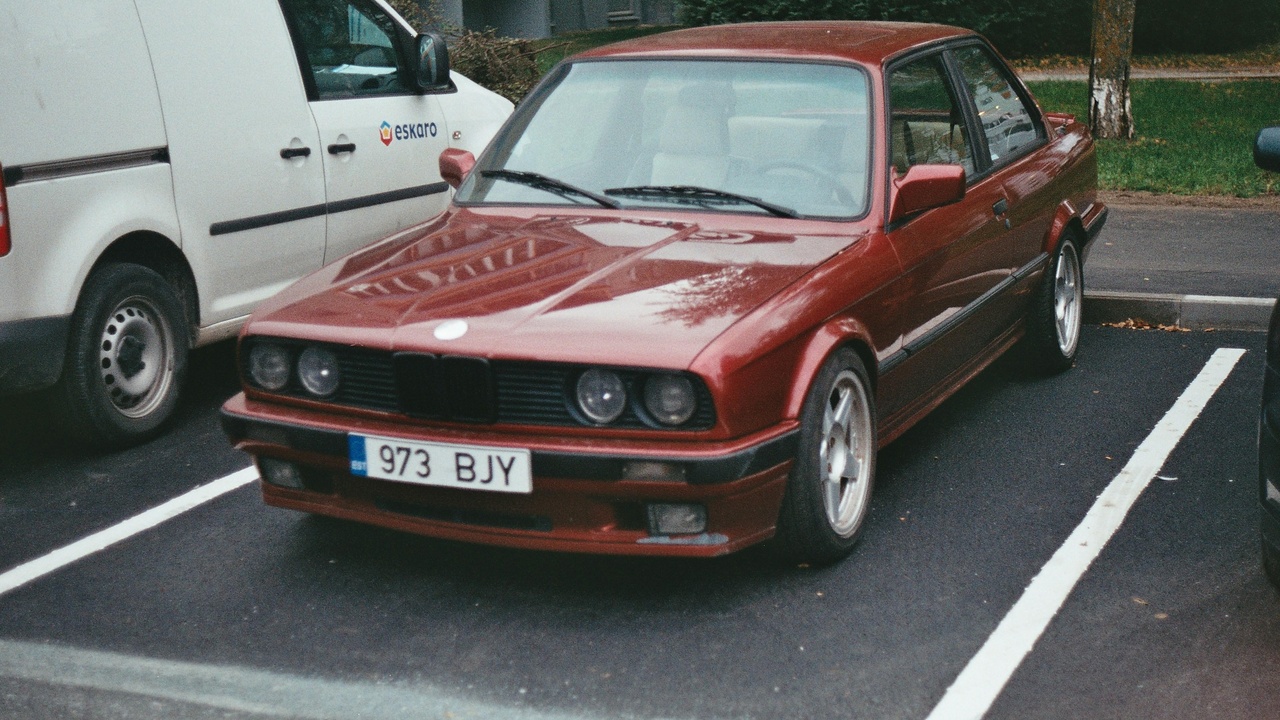
Europeans emphasized high‑revving, naturally aspirated engines and coachbuilt refinement in the 1990s. The decade produced both accessible sports cars and limited‑run supercars that chased top speed and mechanical drama.
Notable trends included last‑of‑an‑era models—like the air‑cooled Porsche 993—and F1‑inspired tech showing up in road cars. These marques created machines prized for sound, balance, and build quality, and many examples now command collector interest.
5. Ferrari F355 (1994–1999) — The V8 that redefined engagement
The F355 brought a 3.5L V8 with four‑valve heads and a thrilling, high‑revving character. Produced from 1994–1999, the Berlinetta made roughly 375 hp and could sprint to 60 mph in about 4.6 seconds in stock form.
Technical highlights included an available F1‑style electrohydraulic gearbox alongside the traditional gated manual, and an exhaust note that critics still praise. Collectors favor the F355 for its driver engagement and mechanical purity, and restored examples often show rising values.
6. Porsche 911 (993, 1993–1998) — The last air‑cooled 911
The 993 generation (1993–1998) is beloved as Porsche’s final air‑cooled 911 and a refined evolution of the classic formula. Carrera variants produced roughly 272–285 hp depending on trim, while Turbo models pushed north of 400 hp.
Buyers appreciated improved suspension design and build quality while retaining the familiar 911 silhouette and feel. The 993’s air‑cooled lineage and strong performance have driven collector demand, with many cars now seen at vintage‑track events and rallies.
7. Jaguar XJ220 (1992–1994) — A 1990s top‑speed statement
Jaguar’s XJ220 was a limited‑run supercar produced from 1992–1994, with production around 281 units and a quoted top speed near 212 mph for production cars. Originally planned with a V12, the production model used a twin‑turbo V6, a choice that influenced early reception.
Despite controversy over the engine change, the XJ220 remains a striking example of early‑1990s supercar ambition. Its rarity and performance have secured collectible status, and it stands as a marker of what manufacturers chased at the dawn of the decade.
American Icons and Rally‑Bred Imports
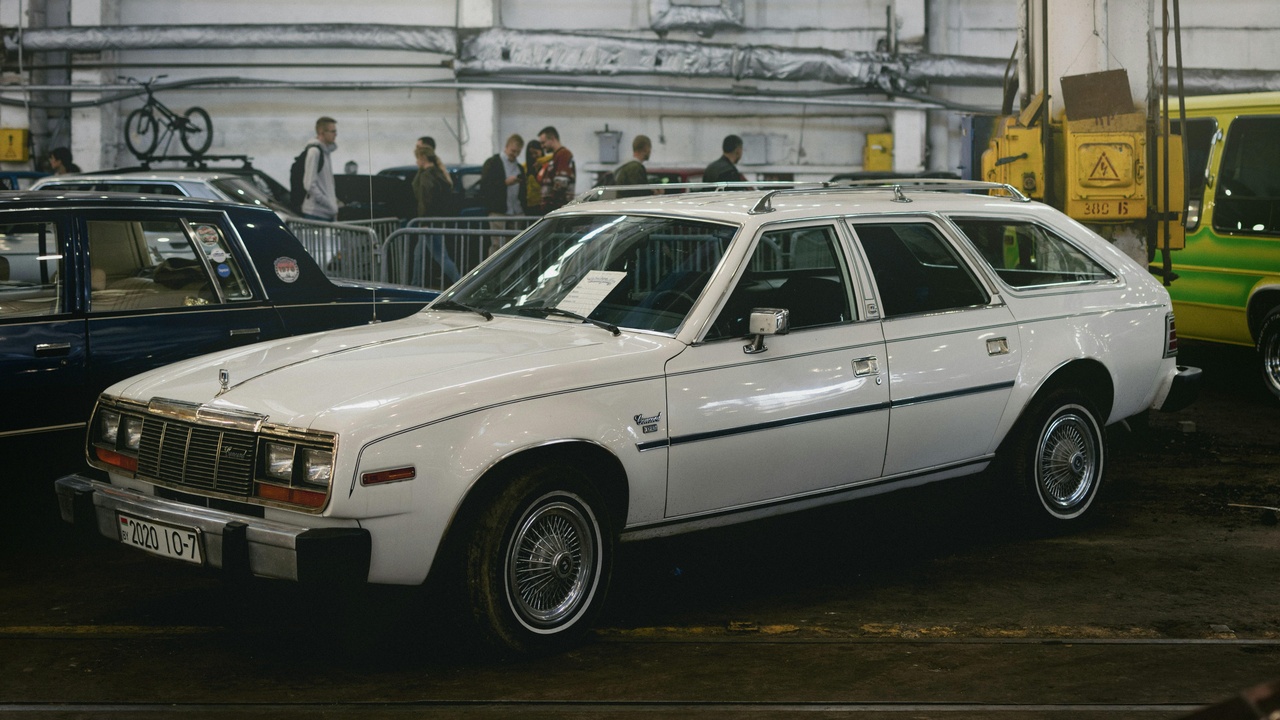
This group stretches from American V8 value to hardcore rally homologation specials. Late‑decade models modernized their lineups, while rally‑bred cars brought advanced drivetrains and suspension tech to road‑going versions.
The variety—straight‑line muscle, AWD racers, and limited collectors—shows how the 1990s offered something for many kinds of drivers and builders.
8. Chevrolet Corvette (C5, introduced 1997) — Modern American performance
The 1997 C5 Corvette introduced a clean‑sheet chassis and the LS1 5.7L V8, rated at 345 hp at launch. Improved structure, modern suspension geometry, and better packaging lifted handling and driver confidence compared with the outgoing C4.
With 0–60 times in the mid‑4‑second range in stock trim, the C5 served as an accessible high‑performance car at a reasonable price. Its engineering reset the Corvette mission toward a more refined, collectible sports car for late‑1990s buyers.
9. Mitsubishi Lancer Evolution (Evo I–VI, 1992–1999) — Rally tech for the road
The Evolution series brought WRC‑derived hardware to public roads, starting with the Evo I in 1992 and progressing to the Evo VI by 1999. The turbocharged 4G63 engine and advanced AWD systems made these cars formidable in varied conditions.
Many homologation models quoted 250–280 hp depending on market, and features like aggressive differentials and upgraded suspension reflected rally experience. The Evo became a tuners’ staple and helped define modern hot‑hatch performance expectations.
10. Subaru Impreza 22B STi (1998) — A rare homologation icon
The 1998 22B STi commemorated Subaru’s WRC success and is one of the most collectible homologation specials from the decade. Roughly 400 units were built, with quoted output near 280 PS and widened arches, upgraded suspension, and a beefed‑up drivetrain.
Its direct link to Subaru’s rally efforts, plus limited production numbers and distinctive looks, has driven strong collector interest and rising prices for original, unmodified examples.
Summary
The 1990s blended analogue engagement with increasing electronic assistance, producing cars that feel mechanical yet benefited from evolving tech. Durability and tunability were major trends, and models from Japan, Europe, and the U.S. have become cultural touchstones and collector draws.
Many of these cars maintain active owners’ clubs and aftermarket support, so practical engagement—like test‑drives, local meets, or track days—remains easy for enthusiasts who want to experience the decade firsthand.
- Analogue feel plus new electronics defined the era: mechanical steering and gated manuals alongside early traction control.
- Durability and tunability (2JZ, RB26, 4G63, rotary) created lasting aftermarket ecosystems.
- Many models are now collectible—limited runs (XJ220, 22B) and last‑of‑a‑kind cars (993) command premiums.
- Next steps: test‑drive a favorite, join a local car meet, or research parts support and community forums before buying.