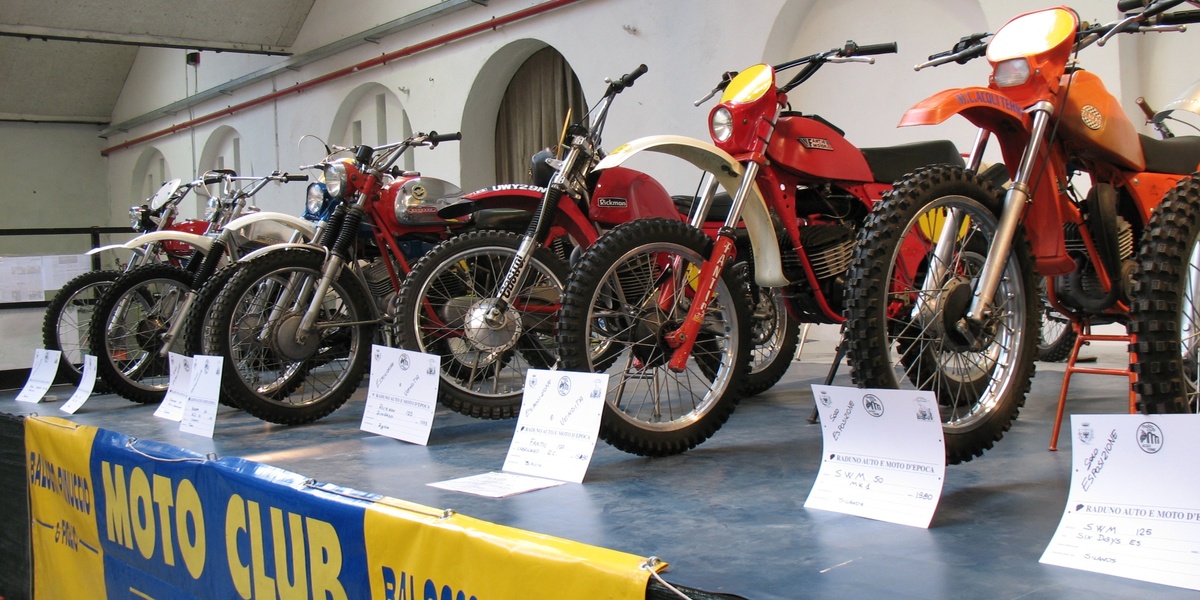
The dawn of the 1970s saw a dramatic shift: motorcycles moved from niche machines to mainstream performance icons, driven by breakthroughs like Honda’s 1969 CB750 debut that redefined what a road bike could be.
The decade mattered because manufacturers pushed engineering and performance into new price brackets, riders embraced a sportier culture, and the idea of the “superbike” entered everyday conversation. This article ranks the 10 best motorcycles of the 1970s — not by nostalgia alone, but by innovation, performance, cultural impact, and lasting influence on motorcycling today. Selection criteria focused on engineering advances, measurable performance (power and handling), cultural reach, and longevity in ownership or influence. Below you’ll find ten standout models: Japanese breakthroughs that reset value and speed expectations, European and British machines that kept racing soul and style alive, and performance legends that shaped clubs and custom culture.
Japanese Game-Changers
By the early 1970s Japanese makers had combined multi-cylinder engines, production quality, and competitive pricing to redraw the global market map. Those bikes delivered reliability and performance in a package that undercut many European offerings, and they helped define what the modern sport-touring motorcycle should be.
These machines forced a rethink in Europe and Britain and gave riders accessible speed that had been rare outside racing paddocks. Below are four landmark Japanese models that set new benchmarks.
1. Honda CB750 (1969/1970) — The First Modern Superbike
The CB750 belongs at the top because it arrived in 1969 (as a 1970 model) and married a smooth 736cc inline-four with mass-market reliability and relatively affordable pricing. Factory figures put output near 67 horsepower and top speeds around 120–125 mph in contemporary road tests, and Honda offered a front disc brake on a production road bike when many rivals still used drums.
In practice the CB750 made high-performance touring and everyday sporty riding far more accessible, and its arrival prompted competitors such as Kawasaki and Suzuki to respond with larger multis. Sales surged in the U.S. and Europe, and the model effectively created the modern superbike category for street riders.
2. Kawasaki Z1 (1972) — Street-Rocket Performance
Kawasaki answered the CB750 with a big-displacement road machine in 1972: the Z1 packed a 903cc inline-four and quickly gained a reputation for strong straight-line performance. Early factory claims put output in the low 80s horsepower and contemporary tests reported top speeds in the neighborhood of 130 mph.
The Z1’s rakish styling and outright pace made it a favorite in North America and pushed Japanese rivals into a horsepower-focused arms race. For riders chasing street speed, the Z1 set a new benchmark for what a production bike could deliver.
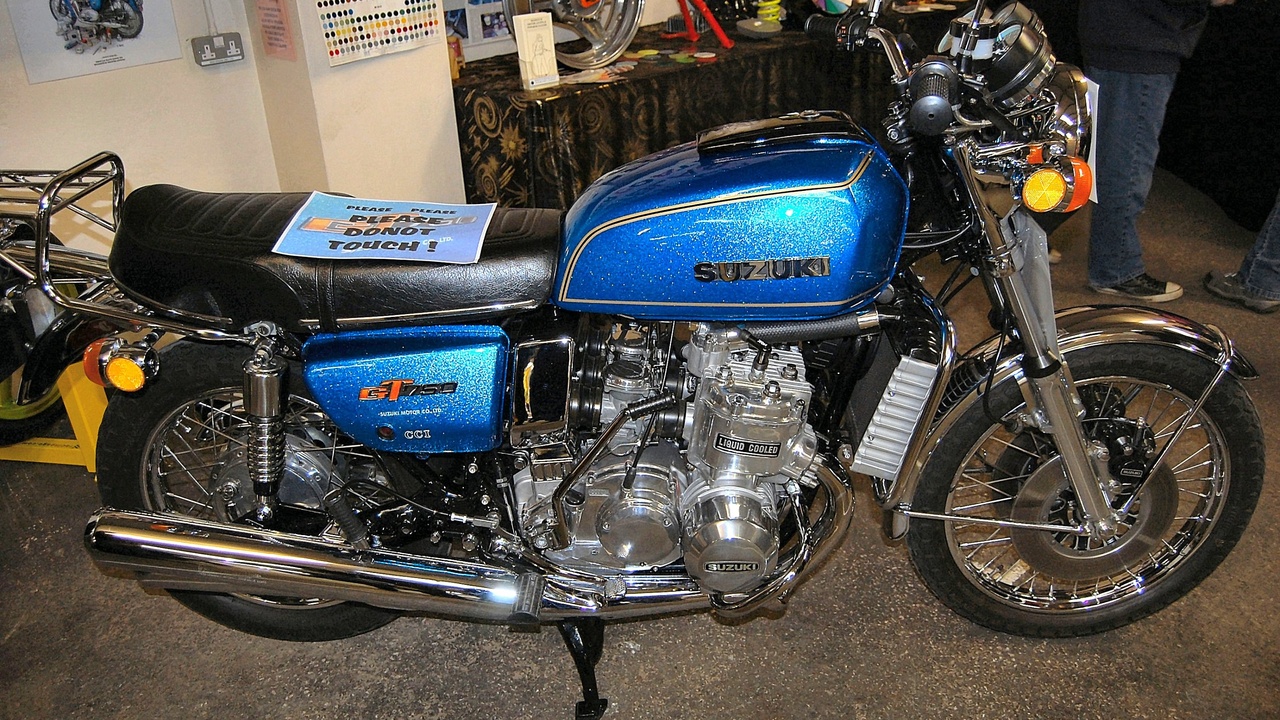
3. Suzuki GT750 (1971) — Technical Boldness and Touring Comfort
Introduced in 1971, the GT750 was unusual for a road bike: a water-cooled, two-stroke triple that earned nicknames like “Kettle” or “Water Buffalo.” Water cooling was rare on production two-strokes then, and Suzuki used that choice to tame heat and sustain touring performance.
Heavier than many contemporaries, the GT750 nonetheless offered strong midrange shove and comfortable long-distance manners for riders who liked the two-stroke character. Its distinctive engineering and touring focus set it apart from four-stroke alternatives.
4. Yamaha XS650 (late 1960s–1970s) — Versatile Twin with a Long Life
Yamaha’s XS650, with a 654cc SOHC parallel-twin, arrived in the late 1960s and became a staple through the 1970s thanks to its simple, robust design. The twin was praised for reliability, straightforward maintenance, and a layout that tuners could easily adapt.
The XS650 proved popular with everyday riders and customizers alike: it was easily converted into cafe-racers, bobbers, or cruisers. The model stayed in production into the early 1980s, and many examples still form the backbone of vintage builds today.
European and British Classics
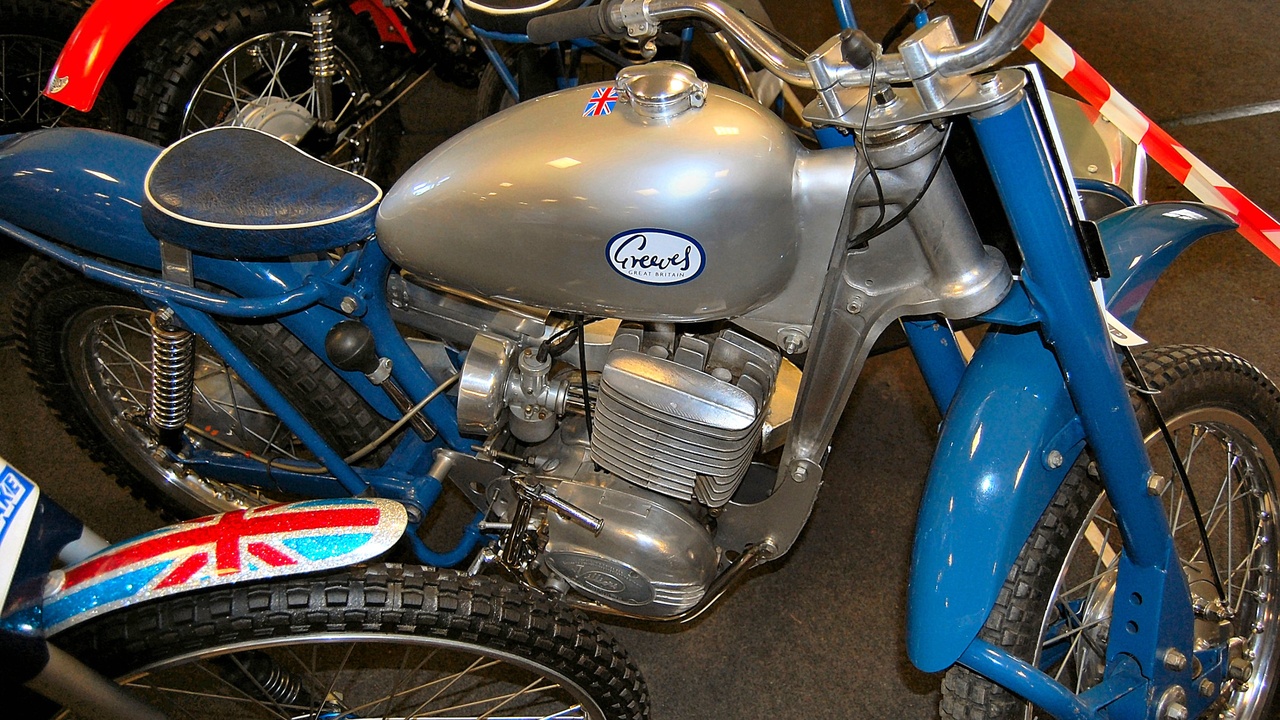
European and British makers answered Japanese pressure by doubling down on engineering character, racing-derived layouts, and styling that aged well. Distinctive engines — boxer twins, L-twins, and classic parallel twins — kept a clear identity for these marques even as some companies faced financial strain.
The following three bikes show how craftsmanship and competition pedigree continued to matter in the 1970s.
5. BMW R90S (1973) — Sporting Luxury from Bavaria
Introduced in 1973, the BMW R90S blended an 898cc boxer twin’s legendary durability with sportier tuning and striking styling. The engine produced figures in the high 60s bhp class, and BMW offered a full fairing on many sport-oriented models for improved high-speed comfort.
The R90S appealed to riders wanting long-distance touring ability without sacrificing spirited performance, and it became a popular choice for endurance events and fast road travel on both sides of the Atlantic.
6. Ducati 750 (GT / 750SS) — Italian Soul and Twin-Cylinder Spirit
Ducati’s early-1970s 750 series (around 748cc) showcased the brand’s bevel-gear SOHC L-twin architecture and a focus on handling and character over raw straight-line speed. The 750SS in particular carried racing DNA into road use, earning Ducati credibility in IMSA and club events.
Riders chose Ducati 750s for their sharp handling, distinctive exhaust note, and exclusive feel. The GT and SS variants gave buyers options between relaxed road manners and track-focused setups.
7. Norton Commando — British Character with Real Handling
The Norton Commando remained a defining British roadster into the 1970s thanks to its Isolastic rubber-mounted frame, which reduced vibration and improved handling compared with older rigid setups. Typical displacement hovered around 745cc, and the bike earned multiple “Machine of the Year” accolades from the press.
Riders praised the Commando’s ride feel and classic styling, and it became a favored platform for cafe-racer conversions and aftermarket tuning. Its presence in classic motorcycle clubs remains strong today.
Performance Icons and Cultural Legends
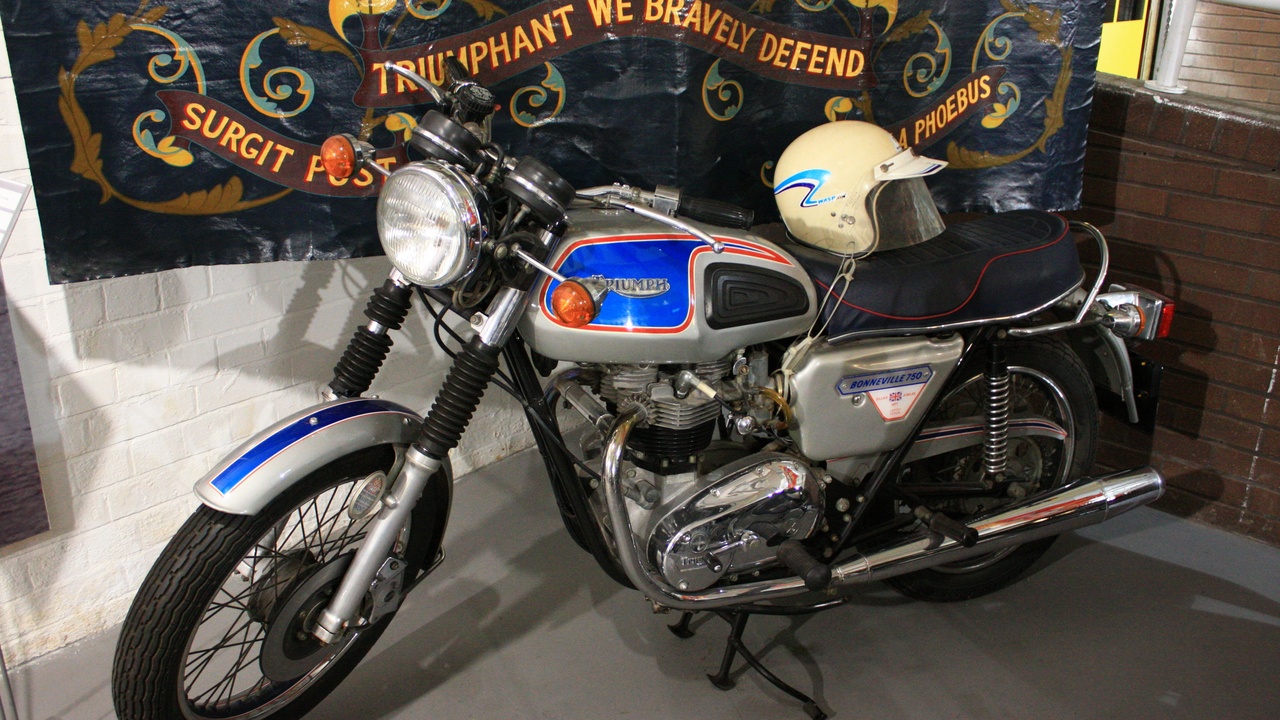
This group covers machines that pushed performance limits or became symbols of rider culture: high-powered two-strokes, lightweight racers for the street, and American cruisers that set the tone for customization. Each influenced clubs, racing classes, or aftermarket scenes that persist now.
Here are three machines that left outsized marks on speed and style in the seventies.
8. Kawasaki H2 Mach IV (1972) — Explosive Two-Stroke Power
Launched in 1972, the Kawasaki H2 was a fearsome 748cc two-stroke triple known for neck-snapping acceleration and a reputation for wheelies. Its power-to-weight ratio and abrupt power delivery made it both thrilling and challenging for many riders.
The H2 found fans among straight-line speed seekers and club racers, but contemporaneous road testers often warned about its demanding handling for inexperienced riders. The bike became shorthand for early-1970s street-power excess.
9. Yamaha RD350 (1973) — Lightweight Agility and Racing DNA
The RD350, introduced around 1973, packed a roughly 347cc two-stroke twin into a light chassis and delivered lively horsepower for its size. The bike’s agility and power-to-weight made it a favorite for new performance riders and a solid stepping stone into club racing.
Many owners fit performance exhausts and carburetion upgrades to extract even more midrange bite, and today the RD350 enjoys a devoted following among vintage-race enthusiasts and street restorers.
10. Harley-Davidson FX Super Glide (1971) — The Factory-Custom Cruiser
Debuting in 1971, the FX Super Glide represented Harley-Davidson’s deliberate move to create a factory-custom by combining Sportster front-end geometry with a big-twin rear. That blend gave riders a low, relaxed cruiser profile with distinctive street presence.
The FX line helped spawn the modern cruiser category and fueled decades of customization. Many riders embraced the Super Glide as a canvas for aftermarket styling, and its influence is clear in later Harley designs.
Summary
- These ten machines mattered because they introduced lasting engineering advances, raised performance expectations, and created strong owner communities that survive today.
- The 1970s reshaped motorcycling: Japanese makers delivered accessible multis and superbike-level value, while European and British models preserved racing-derived character and distinctive engine layouts.
- Two-stroke rockets, high-capacity fours, and factory-custom cruisers each seeded subcultures—club racing, vintage-restoration, and the custom scene—that remain active now; consider seeking out the best motorcycles of the 1970s at a local vintage-bike show.
- If you’re curious, test-ride a restored example, visit a vintage meet, or connect with restoration groups for models such as the Norton Commando, Ducati 750, or CB750 to learn the real-world differences firsthand.