The 10 Best Motorcycles of the 1960s
By the end of the 1960s, motorcycles had moved from utilitarian transport to culture-defining icons: leather-clad riders slipping past London cafés, road racers carving corkscrew turns, and manufacturers chasing ever-faster lap times. The decade fused style and speed — slim café racers and muscular touring twins shared streets and imaginations alike.
Technological leaps — multi-cylinder engines, better brakes, and improved chassis designs — changed what riders expected from a machine. This article profiles the ten motorcycles that best captured those shifts: models chosen for engineering impact, cultural importance, and racing pedigree.
The list is organized into three themed groups — Performance & Engineering Breakthroughs, British Classics, and Racing & American Legacy — before a short summary of takeaways.
Performance & Engineering Breakthroughs

The late 1960s brought tangible engineering advances that reshaped expectations: multi-cylinder engines went from exotic to attainable, disc brakes appeared on production models, and electric start and vibration-control systems made high performance more usable on the street. Those changes helped create what riders now think of as the modern superbike.
Japanese manufacturers played a major role by mass-producing reliable, feature-rich machines that undercut European competitors on price and maintenance. At the same time, British and Italian firms pushed chassis and engine tuning in racing, which filtered quickly into road models.
Below are four models that exemplify the era’s engineering breakthroughs — each introduced concrete technologies or packaging that influenced the decade that followed.
1. Honda CB750 (1969) — The bike that created the modern superbike
Honda’s CB750 burst onto the scene at the 1969 Tokyo Motor Show and set a new bar for accessible performance. Its transverse, in-line four-cylinder SOHC engine (736 cc), paired with a front disc brake and electric start, offered high revs and real-world usability in one package.
What mattered most was that the CB750 put multi-cylinder, dependable performance on dealer floors at a price many private riders could afford, cutting into European marques’ market share. Production began in 1969, and the CB750 is widely credited with launching the modern superbike era and reshaping 1970s sport-bike design.
2. Norton Commando (1967) — Chassis innovation and rideability
Norton introduced the Commando in 1967 with its Isolastic rubber-mounting system to reduce frame vibration from the vertical twin. Instead of chasing higher peak power, Norton focused on isolating the engine so riders could enjoy spirited pace without numbed hands.
The Commando was offered in 750cc and later 850cc variants, and its tuned chassis helped deliver better high-speed stability for both road use and occasional racing. The Isolastic approach influenced later frame and vibration-control thinking across the industry.
3. Ducati 250 Mach 1 (1964) — Lightweight speed from Italy
Introduced around 1964, the Ducati 250 Mach 1 was a sporting single that often outpaced larger machines on twisty roads. The lightweight frame and a lively single-cylinder engine with race-derived tuning made it a favorite among club racers and riders seeking sharp handling.
Italian attention to combustion and valve timing (Ducati’s reputation for high-performance singles would later expand with desmodromic designs) meant the Mach 1 offered spirited acceleration and cornering in a compact package, influencing later small-capacity sport bikes.
4. Kawasaki W1 (1966) — Japan’s answer to the British twin
Kawasaki’s W1 arrived in 1966 as a 650cc vertical twin that drew on the BSA twin layout but signaled a new phase: Japanese firms could build large-displacement twins for export markets. The W1’s rugged construction and tuning potential helped buyers accept Japanese alternatives to British machines.
While not as refined as later Kawasaki fours, the W1 helped establish manufacturer credibility in the mid-size twin space and paved the way for more ambitious Japanese performance models in the 1970s.
British Classics: Style, Sound, and Street Culture
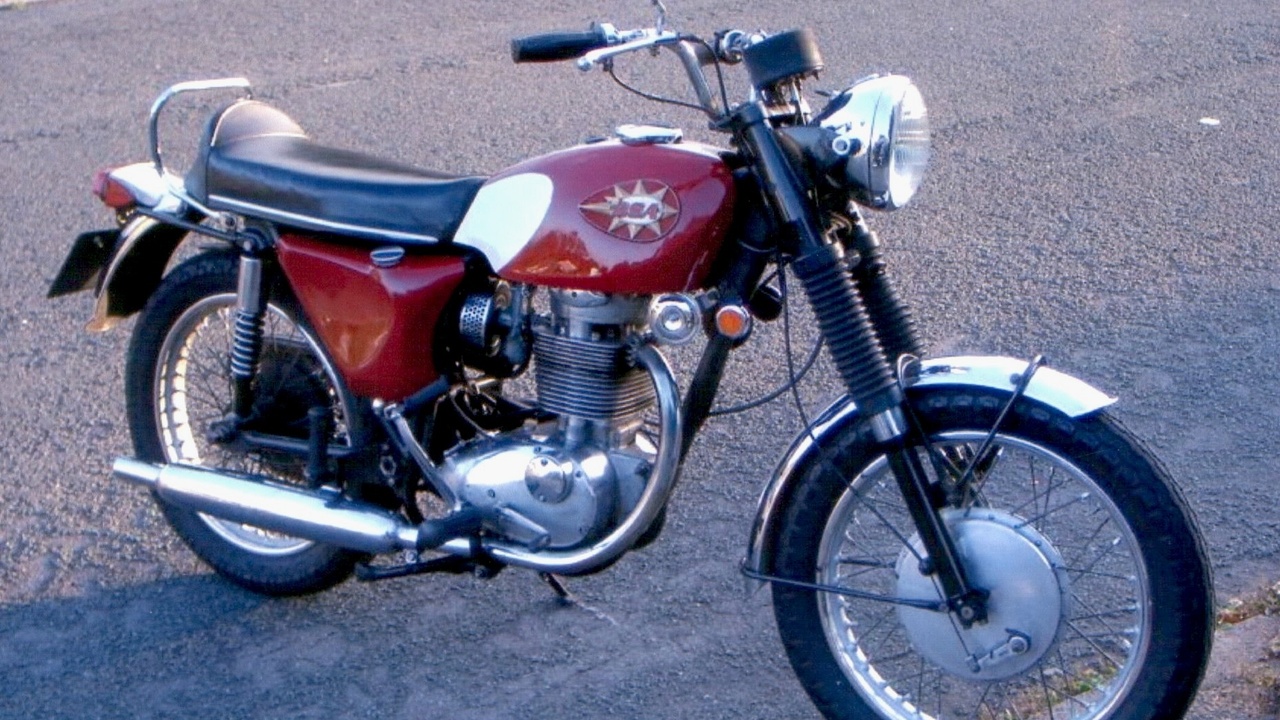
British twins and singles defined the look and attitude of the 1960s: narrow tanks, twin exhaust lines, and a throaty soundtrack that became shorthand for the café-racer scene. Even as the British industry struggled with production and financial challenges, its styling and performance DNA remained highly aspirational.
These machines were perfect canvases for customization; riders stripped, tuned, and reshaped them into café racers and scramblers. Below are four British models that carried the era’s aesthetics and attitude into the wider motorcycle culture.
5. Triumph Bonneville T120 (popular through the 1960s) — The poster bike
The Triumph Bonneville T120 — a 650cc parallel twin whose production began in 1959 — became the archetype of 1960s British cool. Its distinctive twin exhausts and upright stance made it a favorite for café-racer conversions and a regular presence in film and on famous riders.
Widely exported to the U.S., the Bonneville was easily modified for performance or looks, which helped cement its image as the poster bike of the decade and an enduring symbol for classic-bike enthusiasts.
6. BSA Gold Star (production through early 1960s) — Racing pedigree in a road bike
The BSA Gold Star was a competition-bred single prized for tunability and race success, with production continuing into the early 1960s. Lightweight and eager to rev, Gold Stars excelled in club racing, hill climbs, and sprint events.
Enthusiasts still value surviving examples for their historic race credentials and the way they reward careful tuning — a true sporting thoroughbred in road-bike clothing.
7. BSA A65 Lightning (introduced 1962) — A mass-market high-performance twin
Introduced in 1962, the BSA A65 family used unit construction to modernize the company’s twin-cylinder lineup, and the Lightning provided sportier trim for riders seeking performance on a budget. The A65s positioned BSA to compete directly with Triumph’s 650 twins.
Available widely in the U.S. and U.K., the Lightning offered an accessible route into British twin performance with enough flexibility for modest tuning and personalization.
8. Honda CB72/CB77 (early 1960s) — Early Japanese sport twins
Honda’s CB72 (250cc) and CB77 (305cc) from the early 1960s combined refinement and reliability in compact sport-twin form. These machines showcased Japanese engineering competence and appealed to riders wanting smooth operation over the sometimes temperamental British twins.
Successful in export markets, the CB72 and CB77 helped build Honda’s reputation in the U.S., offering tunable platforms that also served as practical daily riders.
Racing, American Muscle, and Lasting Legacy
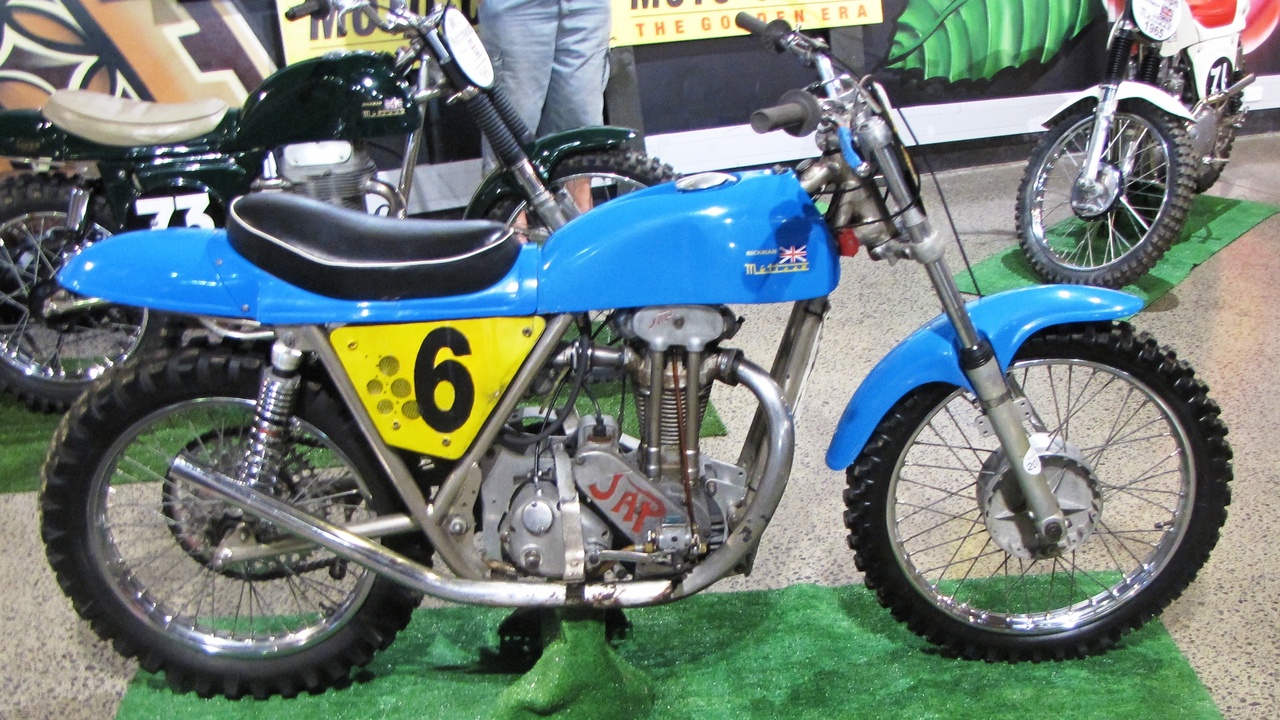
Competition success and American motorcycle culture shaped how the public thought about performance and style. Grand Prix winners lent technical prestige to their makers, while U.S. builders kept alive a different set of priorities — torque, character, and customization — that would inform cruiser culture for decades.
The two bikes below represent those parallel legacies: one a string of GP victories that signaled technical supremacy, the other a family of V-twins that anchored American motorcycling identity.
9. MV Agusta 500 (1960s racing) — Grand Prix domination
MV Agusta dominated 500cc Grand Prix racing through much of the 1960s, particularly as Giacomo Agostini emerged in the mid-to-late part of the decade. The marque’s race machines combined high-revving multi-cylinder engines with cutting suspension and braking for the time.
Factory success translated directly into brand prestige; MV Agusta’s victories reinforced the idea that Italian engineering could build the fastest, most coveted race bikes, and that racing technology would filter into road-going sport models.
10. Harley-Davidson Sportster (1960s variants) — American attitude and torque
The Sportster line in the 1960s continued Harley-Davidson’s focus on pushrod V-twin character and strong low-end torque. Rather than chasing high-rev horsepower, Sportsters emphasized a distinctive feel and sound that appealed to U.S. riders and custom builders.
Sportster variants were popular bases for chopper and custom culture, and their presence on American roads helped define a domestic motorcycling identity centered on cruising, individuality, and mechanical simplicity.
Summary
Quick takeaways from these classic bikes and the era they represent:
- Honda’s CB750 (1969) marked a technical watershed by making multi-cylinder performance accessible to everyday riders.
- British twins and singles shaped café-racer style and sound even as the industry faced production challenges.
- Racing success — from MV Agusta’s GP run to BSA and Ducati competition — directly informed road-bike development and brand prestige.
- For anyone curious about the best motorcycles of the 1960s, local classic-bike shows, museums, and ride-alongs with restored Bonnevilles or Commandos are great ways to experience these machines first-hand.