By 1994 the automotive world had shifted: small sports cars and practical, fuel-efficient designs were rising while performance sedans kept improving. The decade produced models that still influence car culture today.
This article curates the 10 best cars of the 1990s — models chosen for design, driving engagement, innovation, and cultural impact — and explains why they still matter for drivers and collectors. It groups the list into four categories: Performance Icons; Practical Classics; Hot Hatches and Affordable Drivers; and Luxury and Innovation. Each entry includes brief specs, production years, notable variants, and tips for buyers or enthusiasts. Expect clear examples (model years, horsepower, production figures) and practical takeaways whether you’re shopping or just reminiscing about decade-defining cars.
Performance Icons
The 1990s pushed performance forward with better engine management, variable valve timing, and chassis refinement. Horsepower for mainstream sports cars climbed into the 250–400 hp range for top models, while affordable two-seaters emphasized weight and balance over raw output. This section covers three cars that defined driver-focused engineering and brought motorsport tech into road cars.
1. Mazda MX-5 Miata (NA) — Lightweight Roadster
The Mazda MX-5 (NA) launched the modern affordable roadster revival with a lightweight chassis and simple engineering that emphasized driving enjoyment. Introduced globally in 1989 and sold in large numbers through the early 1990s, the NA weighed roughly 950–1,000 kg and initially used a 1.6L engine making about 115 hp. Later NA models offered a 1.8L with roughly 133 hp.
Mazda built over 500,000 NA units by the mid-1990s and peak annual sales topped 60,000 in certain years, showing strong market appetite. The car’s nearly 50:50 weight distribution and simple steering feel made it ideal for weekend drives and club racing. For buyers, check for rust in rocker panels and floor pans, and inspect the soft top and hood alignment.
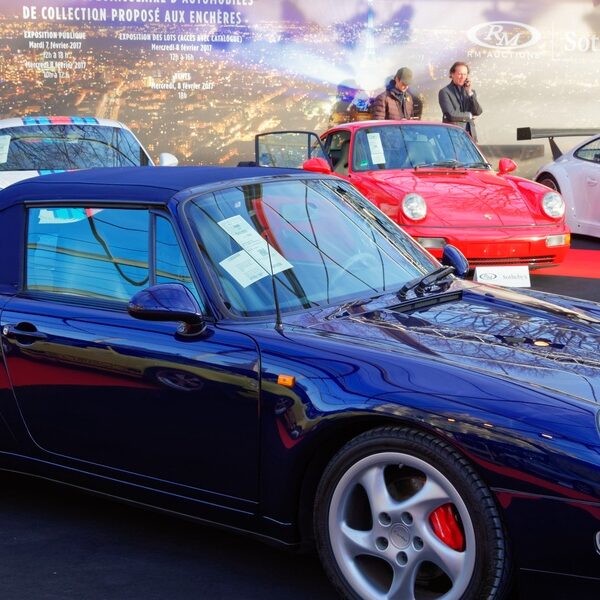
2. Porsche 911 (993) — The Last Air-Cooled 911
The 993, produced from 1993 to 1998, is prized as the final air-cooled 911 and a bridge between analog driving and modern refinement. Carrera models made roughly 272–285 hp depending on year, and the 1995 Turbo reintroduced a twin-turbo layout producing about 402 hp. Porsche also offered limited-run variants like the 1996 911 GT2 aimed at homologation and track use.
Chassis upgrades included a multi-link rear suspension that improved handling and daily drivability. Collectors value the 993 for its mechanical feel and rising prices; rarer models command significant premiums. Watch for IMS-related concerns in later water-cooled 911s, but the 993’s air-cooled engines are a major draw for enthusiasts.
3. BMW E36 M3 — Balanced Sports Sedan
The E36 M3 (1992–1999) delivered a refined, driver-focused chassis that worked equally well on back roads and the track. Early European S50 engines were 3.0L, later evolving to a 3.2L S52/S50 with about 286 hp in Europe; U.S. variants typically made around 240 hp. Typical 0–60 times ranged from roughly 5.6 to 6.0 seconds depending on spec.
The E36’s layered engineering—multi-link suspension, near-ideal balance, and strong aftermarket support—made it a touring-car contender and an enthusiast favorite. Expect commonplace modifications like upgraded suspension, brake packages, and engine tuning. Values have risen in enthusiast circles for well-kept examples, especially six-speed manual cars.
Practical Classics
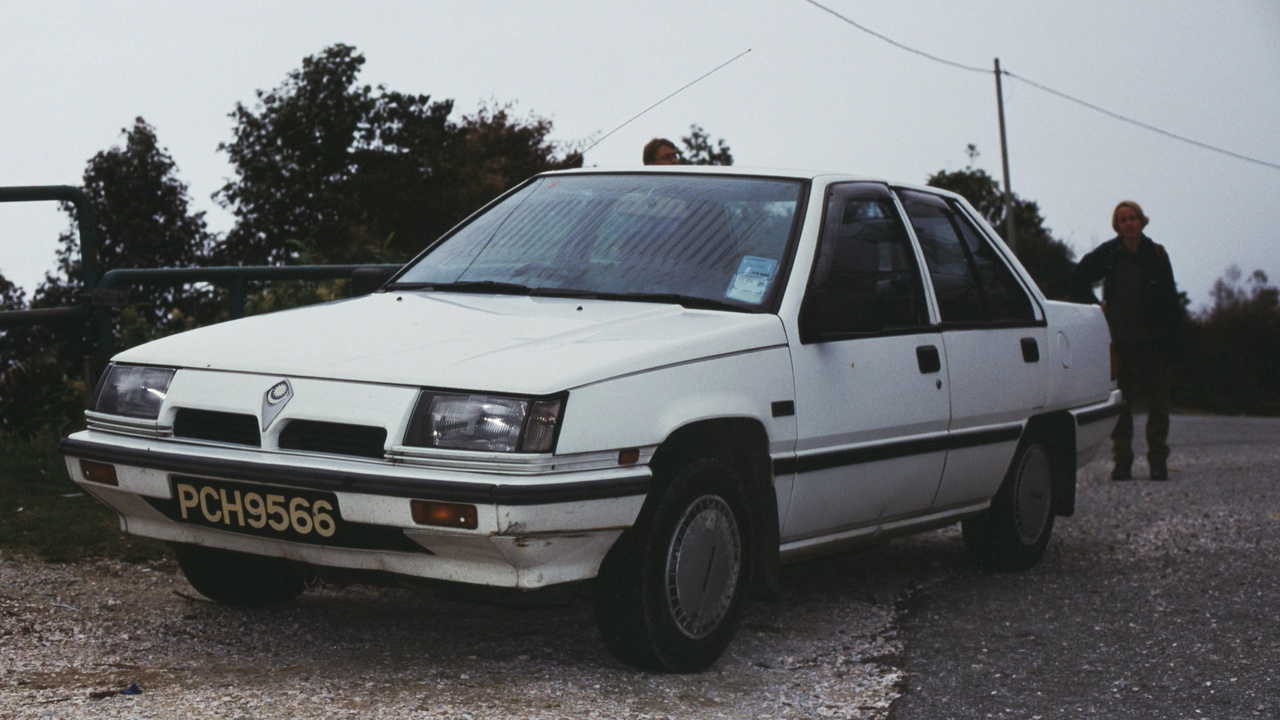
The 1990s produced cars that prioritized everyday usability, long service lives, and wide parts availability. Compact sedans and wagons dominated fleet orders and private buyers; many models from this era routinely hit 200,000+ miles. These entries show how durability and sensible engineering created long-lived classics.
4. Toyota Camry (XV10/XV20) — Uncomplicated Reliability
The Camry solidified its U.S. sales leadership in the 1990s with the XV10 (1991–1996) and XV20 (1996–2001) generations. Typical engines included the 2.2L 5S-FE and later 2.4L units from the 2RZ/2AZ family. Camrys of this era are famous for reaching 200,000 to 300,000 miles with routine maintenance.
Simple mechanical layouts, plentiful parts, and low ownership costs made the Camry a favorite for families and fleets. If you’re shopping, prioritize service records, timing belt or chain history depending on engine, and corrosion in older rust-prone climates. Prices on clean examples remain reasonable thanks to high supply and steady demand.
5. Volvo 850 — Safety and Practicality
The Volvo 850 (1991–1997) brought modern safety to mainstream buyers with strong crash-test performance and pioneering side-impact protection. Mechanically it relied on durable 2.4L inline-five engines that balanced torque and longevity. Volvo also offered practical estate/wagon variants that appealed to families and tradespeople.
A standout was the 1995 850 T-5R, a limited-production performance wagon that combined turbo power with everyday utility. Volvo’s reputation for long life and occupant protection makes the 850 relevant to buyers who want a practical classic with personality. Check for suspension wear and timing belt service on turbo models.
Hot Hatches and Affordable Drivers
The 1990s revived and diversified the hot hatch segment: compact platforms with sporty suspension, punchy engines, and strong aftermarket support. Power ranged from around 115 hp in entry-level hot hatches up to 227 hp or more for homologation specials. These cars offer high fun-per-dollar and are popular with tuners and weekend racers.
6. Honda Civic (EK/EG) and Civic Type R — Tunable Everyman
The Civic’s EK/EG generations (1991–2000 range across chassis timelines) dominated the tuner scene in the late 1990s. Honda’s VTEC technology and high-revving B-series engines gave the Type R (the 1997 EK9 in Japan) about 185 hp in a very light package. That power, combined with sub-1,100 kg curb weights in some trims, made for lively on-track performance.
Civics are easy to modify—common upgrades include intake/exhaust, coilovers, and engine swaps. Their huge aftermarket and parts availability keep costs down. For buyers, original Type R examples are rare and sought after, while well-set-up EK/EG civics remain accessible track-day companions.
7. Volkswagen Golf GTI (Mk3) — Continental Hot Hatch
The Golf Mk3 GTI (1991–1997) offered balanced ride and handling for European roads. Engine options ranged from 2.0L 8-valve units to 16-valve variations producing roughly 115–150 hp. Volkswagen also sold VR6 variants (2.8L and 2.9L) that brought smooth V6 torque to a compact chassis and broadened the model’s appeal.
The Mk3’s blend of comfort and sport made it a practical daily that still delivered enjoyable dynamics. Parts are common across European markets, and the VR6 variants, because of their unique engine, attract a specific subset of buyers looking for character in a small package.
8. Ford Escort RS Cosworth — Rally-Bred Performance
The Escort RS Cosworth (1992–1996) was a homologation special born from rally competition. Its 2.0L Cosworth turbo engine made about 227 hp, and a full-time AWD system channeled power through a gearbox and differential package suited to rough stages. The car’s distinctive whale-tail spoiler is as functional as it is iconic.
Production was limited—roughly 7,145 units—so values for clean examples are strong among enthusiasts. The RS Cosworth remains competitive in grassroots motorsport but requires attentive maintenance of turbo and AWD systems. That rarity and rally pedigree drive collector interest.
Luxury and Innovation
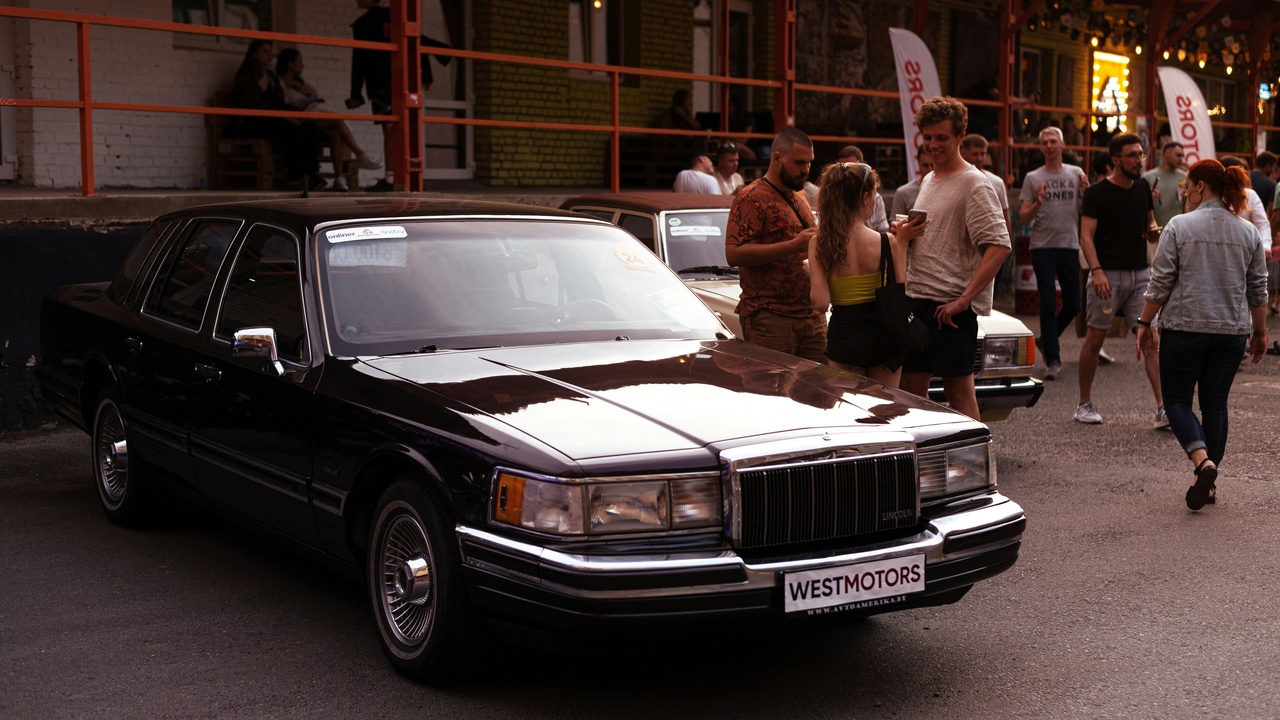
The 1990s saw luxury brands adopt electronics and comfort features that set the template for the 21st century: adaptive damping, multi-zone climate control, and early stability systems. These cars emphasized refinement and integrated technology that trickled down into mainstream models.
9. BMW E38 7 Series — Driver-Focused Luxury
The E38 7 Series (1994–2001) blended driving dynamics with high-end features. Engine choices ranged from inline-sixes to a 5.4L V12 in the 750iL, while V8 options like a 4.4L produced roughly 290–326 hp in various markets. The E38 introduced features such as Xenon headlights and dual-zone climate control in mainstream luxury segments.
Buyers who want a luxury car that still engages will appreciate the E38’s steering and chassis balance. Maintenance can be electronics-heavy, so look for documented service on air suspension (if equipped) and engine seals. Well-preserved examples have climbed in desirability among enthusiasts.
10. Acura NSX / Honda NSX — Supercar Engineering for the Masses
The NSX launched in 1990 and changed expectations for supercars by combining race-derived handling with Honda reliability. The early 3.0L V6 made about 270 hp and sat in an all-aluminum monocoque, a rare construction choice for the era. Ayrton Senna’s test-driver feedback during development helped refine the car’s chassis balance and steering feel.
Later NSX variants (NSX-T and the 3.2L updates) added power and open-top options while keeping usability that few contemporaneous exotics matched. Pricing when new was competitive with Ferraris and Lamborghinis, but the NSX’s daily-drivable nature and engineering influence—aluminum structure, driver-focused systems—left a lasting mark on supercar design.
Summary
- The 1990s balanced engaging driving (Mazda MX-5, BMW E36 M3) with growing electronic sophistication (BMW E38, Volvo 850), shaping modern expectations.
- Many entries remain practical daily drivers or attainable classics—examples include the Toyota Camry hitting 200,000+ miles and the enduring aftermarket for the Honda Civic.
- Look for specifics: production years (e.g., Porsche 993: 1993–1998), horsepower figures (Escort RS Cosworth ~227 hp), and limited runs (RS Cosworth ~7,145 units, 850 T-5R limited editions) when evaluating value and collectibility.