The 10 Best Cars of the 1950s
By the late 1950s car styling had become unmistakable: bold chrome, rocket-inspired tailfins and new performance technology reshaped what drivers expected from an automobile.
Main Street cruising, neon-lit drive-ins and weekend shows turned cars into moving statements. These are the best cars of the 1950s—each helped set trends in aesthetics, engineering and ownership culture.
The models profiled here matter today for three reasons: they influenced modern design language, introduced technical advances that carried into later decades, and created a collector market where rarity often outweighs horsepower (1953 Corvette: 300 units produced).
Design and Styling Icons
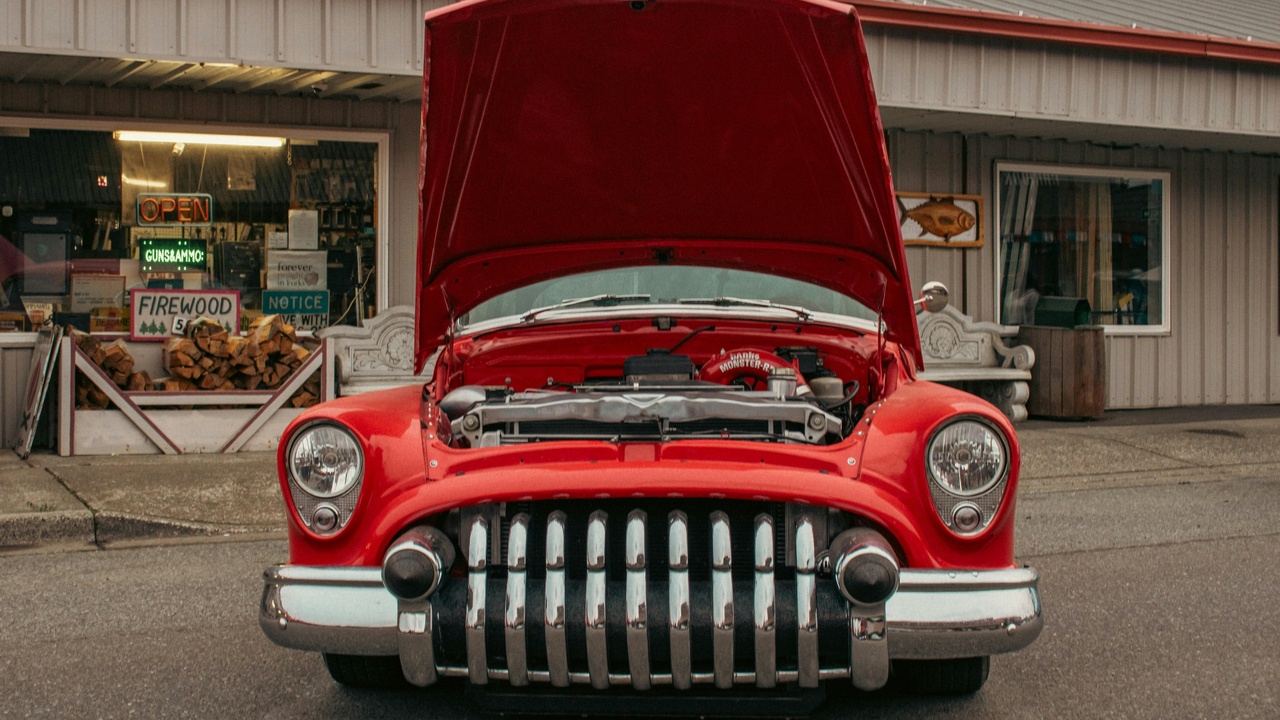
The 1950s turned car bodies into visual optimism: sweeping chrome, two-tone paints and dramatic fins signaled prosperity and playfulness. These styling choices shaped popular culture, from magazine ads to Hollywood, and made many models instant collectibles.
1. 1957 Chevrolet Bel Air
The 1957 Bel Air remains the textbook image of 1950s American style, with its chrome-heavy grille, sculpted rear quarter trim and distinctive tailfins.
Underhood options included the Chevrolet 283 cu in V8 and the famous Rochester fuel-injection setup that Chevrolet marketed as producing 283 hp—“one horsepower per cubic inch.” That performance note gave the Bel Air extra street cred beyond mere looks.
Restorers favor classic two-tone combinations—Bel Air Turquoise with a white roof is common—and the model dominates show fields. Its blend of flashy design and available performance helped define the postwar family car as both practical and stylish.
2. 1959 Cadillac Eldorado
The 1959 Eldorado epitomizes late‑decade excess: gigantic, swept-up tailfins crowned with bullet taillights, massive chrome surfaces and a wraparound windshield that screamed luxury and presence.
Cadillac positioned the Eldorado as a halo car, offering factory air conditioning, power windows and automatic transmissions to signal top-tier status. The scale and ornamentation made it a statement vehicle for affluent buyers.
Today the 1959 shape is a museum and auction favorite; pristine, concours-restored examples often command very high prices because the styling is so closely tied to an era of conspicuous automotive luxury.
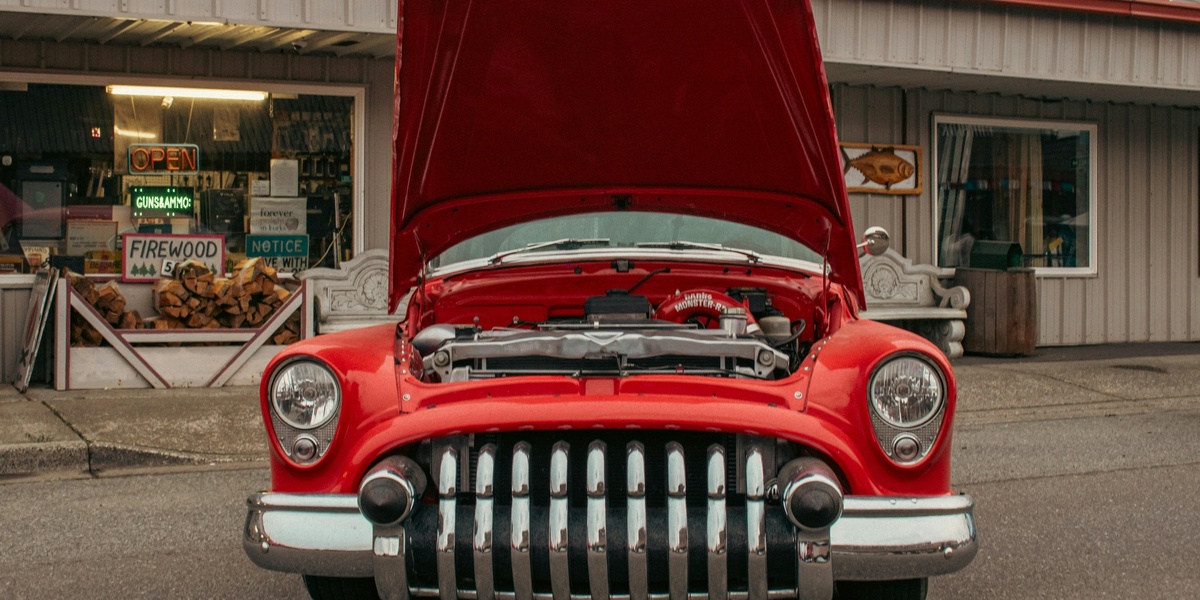
3. 1953 Buick Skylark
The 1953 Buick Skylark was a hand-built, limited-run convertible that married Buick refinement with show-car detailing—think chromed rear fender sweep, brightwork and special interior trim.
Buick produced just 1,690 Skylarks in 1953, a scarcity that instantly elevated desirability. The Skylark’s bespoke touches and lower volume compared with mainstream models make it a frequent star at auctions and concours events.
Collectors chasing authenticity often face restoration challenges: sourcing original interior fabrics and trim pieces is key, which only increases values for well-preserved examples.
4. 1955 Ford Thunderbird
Introduced in 1955, the original Thunderbird created the “personal luxury” two-seat niche—stylish and comfortable, but deliberately not a stripped-out racer.
First-year sales ran roughly 16,000 units, showing buyers wanted a refined, driver-focused coupe with creature comforts. The removable hardtop, simple V8 power and well-appointed interior emphasized comfort over outright track performance.
The T-Bird’s blend of style and amenities spawned an entire market segment. Its influence echoes in later coupes and convertibles that prioritize the driving experience plus luxury touches.
Performance and Engineering Breakthroughs
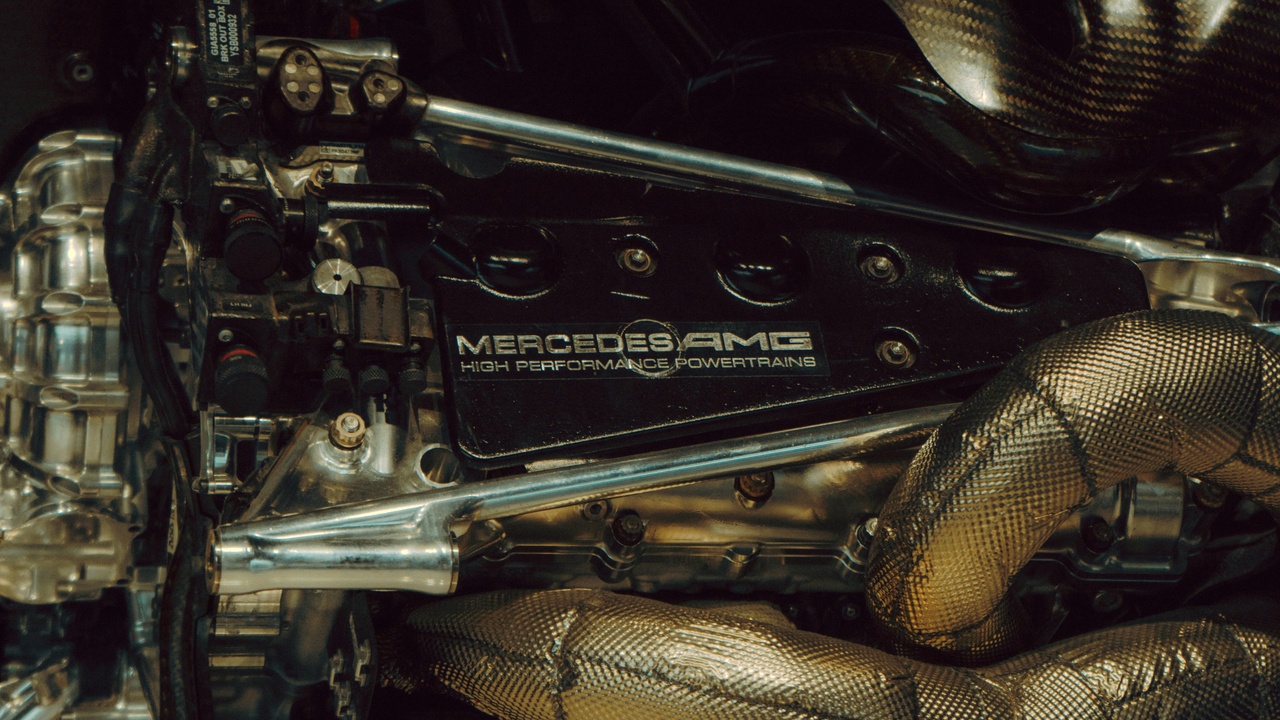
The 1950s saw fuel injection, hemispherical combustion chambers and lightweight chassis designs move from race paddocks into road cars. These advances raised top speeds, reliability and driver expectations.
This section highlights machines that pushed those boundaries and helped define the era’s performance benchmarks—engineering that influenced the next decade of sports and grand touring cars.
5. 1954 Mercedes‑Benz 300SL Gullwing
The 300SL married striking form with genuine technical innovation: a lightweight tubular frame, dry‑sump 3.0L straight‑six, and early mechanical direct fuel injection that boosted power to about 215 hp in coupe form.
The gullwing doors were as much engineering solution as style—they cleared the high door sills created by the tube-frame chassis. The result was a car that could sustain high speeds while remaining relatively light and durable for endurance use.
Only around 1,400 gullwing coupes were made between 1954 and 1957, a production limit that adds to today’s collectibility and cements the 300SL’s influence on postwar performance car design.
6. 1957 Ferrari 250 Testa Rossa
The 250 Testa Rossa represents Ferrari’s racing dominance in the late 1950s: lightweight chassis, a high‑revving V12 and bodywork honed for endurance events.
Key visual cues—pontoon fenders—weren’t just for looks; they helped cooling and airflow around the wheels. Production was tiny for the seminal variants, commonly cited at about 34 units, making originals extraordinarily rare.
Success on tracks like Le Mans meant technologies and lessons from the Testa Rossa filtered into later road and race Ferraris, while auction results routinely put clean Testa Rossas into seven‑figure territory.
7. 1957 Chrysler 300C
The Chrysler 300C packed big‑block Hemi power into a near-stock coupe: the 392 cu in hemispherical‑head V8 was factory-rated at about 375 hp, delivering straight-line authority few American cars matched then.
Chrysler combined that muscle with upscale appointments—plush interiors and quality trim—so buyers didn’t sacrifice comfort for speed. The 300C demonstrated that a factory car could be both luxurious and performance‑oriented.
Its role as a factory-built high‑performance option presaged later American performance and luxury hybrids and kept the 300C popular with collectors who prize period-correct power and polish.
Sports Cars and Roadsters
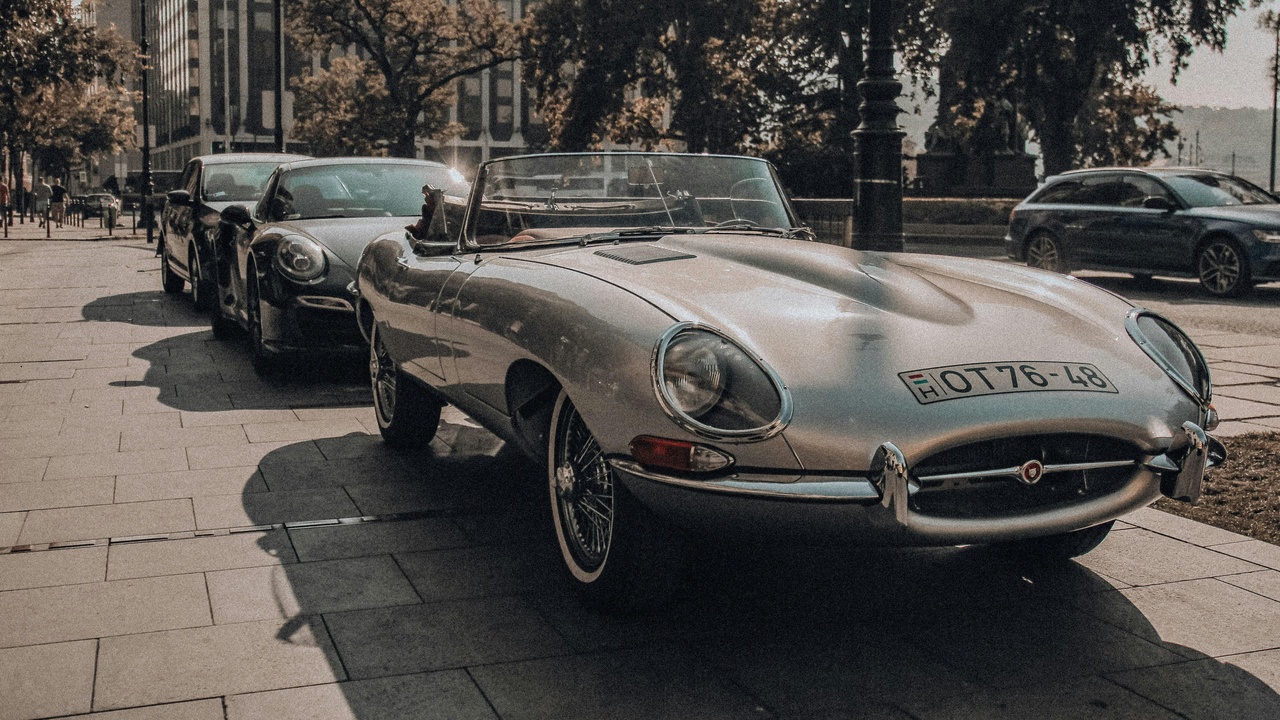
Two-seat sports cars and lightweight roadsters made spirited driving accessible in the 1950s. European nimbleness and American experimentation cross-pollinated, launching lineages that still exist today.
The following models show how limited runs, novel materials, and pure driver focus created icons—often prized for history more than outright speed.
8. 1953 Chevrolet Corvette
The 1953 Corvette was Chevrolet’s first mass-market sports-car attempt but the initial run was intentionally tiny: just 300 units built, each with a fiberglass body and an inline‑six motor.
Early Corvettes were more about creating a U.S. sports‑car identity than setting performance records. The fiberglass construction proved forward-looking, however, and set the Corvette on a path to become America’s enduring sports car.
Original 1953 models are historically prized and often reside in museums, where restorations focus on early fiberglass work and period-correct trim rather than modern performance upgrades.
9. 1956 Porsche 356 Speedster
The 356 Speedster distilled Porsche’s driver-first philosophy into a lightweight, stripped-down roadster that proved hugely popular—roughly 4,000 Speedsters were produced during the 1950s era.
Simplified windshields, low profiles and modest 1.5–1.6L flat‑four engines made the Speedster light and engaging. Its focus on handling rather than brute force made it the accessible entry point for Porsche enthusiasts.
Speedsters remain a common choice for vintage racing and early Porsche collecting because they deliver an immediate, tactile driving experience and a clear lineage to later models.
10. 1957 BMW 507
The BMW 507 was a hand‑built, exclusivity‑focused roadster aimed at competing with Italian and American sports cars; production totaled roughly 252 units in the late 1950s.
Under the hood sat a 3.2L V8 producing about 150 hp—modest by today’s standards but well matched to the 507’s lightweight chassis and refined handling. The car’s build cost nearly bankrupted BMW at the time.
Low production and elegant design made the 507 a museum staple and highly sought after by collectors who prize understated European craftsmanship and rarity.
Summary
- 1950s styling—chrome, fins and two‑tone paint—still guides modern retro design and fuels collector interest at shows and auctions.
- Engineering advances like fuel injection, tubular chassis and hemispherical V8 heads raised performance baselines for the 1960s and beyond.
- Limited production runs (e.g., Corvette 1953: 300 units; Skylark 1953: 1,690 units) often create greater collector value than peak horsepower alone.
- European and American sports‑car ideas cross-pollinated in the decade, producing nimble roadsters and powerful GTs that started enduring lineages.
- Want to learn more? Visit local classic‑car shows, check auction listings, or read factory histories to see these machines up close and in context.