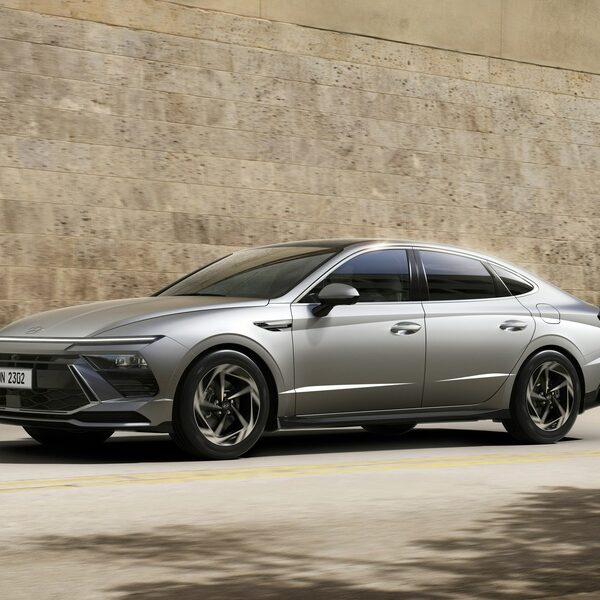
1997 sits near the end of the 1990s peak for analog driving: carmakers were squeezing more power, refinement, and safety out of largely mechanical platforms before electronics took over. That year matters because it captures a moment when enthusiasts still prized steering feel, engine character, and simple serviceability, even as airbags, traction control, and early navigation systems began creeping into showrooms.
This list picks the 10 best cars of 1997—models chosen for driving feel, innovation, reliability, cultural impact, and value retention—and explains why each still matters for drivers and collectors today. The cars are grouped into four categories: Performance & Sports, Luxury & Executive, Practical Everyday, and Innovative Standouts. Short criteria: how a car drives, what it introduced or perfected, how long it lasts, and how it holds value.
Performance & Sports Cars
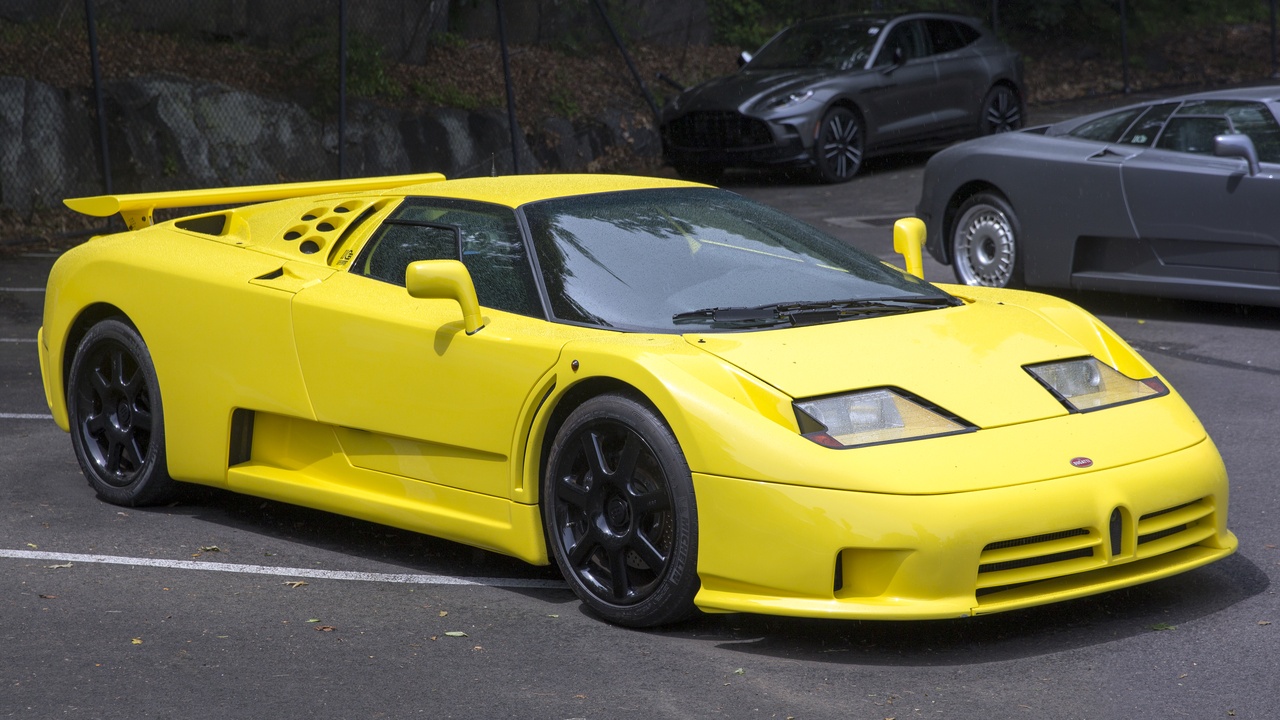
Performance cars from 1997 still grab attention because they deliver visceral feedback, mechanical tunability, and clear personalities. This was a late‑analog era: engine management was getting smarter, but cars retained mechanical simplicity that tuners loved.
Aftermarket support was growing fast by the late 1990s, which helped models like the Supra and RX‑7 become cultural icons. And for American sports cars, the 1997 Corvette C5 reset expectations with a modern chassis and a new V8. These cars are prized by collectors and track‑day regulars for a reason.
1. Toyota Supra (Mark IV) — Twin‑turbo icon
The Mk IV Toyota Supra was a 1997 performance landmark thanks to its 2JZ‑GTE twin‑turbo engine and stout drivetrain. In U.S. spec the twin‑turbo was commonly cited at 320 hp, but the engine’s real appeal was its iron block and head design that tolerated big power safely.
That durability made the Supra the go‑to platform for tuners in the late 1990s and early 2000s, and it featured heavily in films and grassroots racing. Produced from 1993–2002, the Mk IV’s combination of balance, straight‑line speed, and aftermarket depth keeps resale and auction values high today.
2. Chevrolet Corvette C5 — Reborn American sports car
The C5’s 1997 arrival felt like a reset for the Corvette, bringing the new LS‑series V8 and a modern chassis layout. The 1997 LS1 was commonly rated around 345 hp, and it paired strong low‑end torque with improved refinement over prior generations.
C5 engineering—hydroformed frame rails, better drivetrain packaging, and a more rigid structure—made the car more usable on weekends and for occasional track work. The result broadened Corvette appeal and set a template for affordable performance with everyday usability.
3. Mazda RX‑7 (FD) — Lightweight rotary thrills
The FD‑generation RX‑7 is prized for its lightweight chassis, near‑perfect balance, and the unique character of its twin‑rotor 13B‑REW engine. The rotary’s high‑revving nature and compact packaging helped the car achieve razor‑sharp handling.
Enthusiasts still bring RX‑7s to track days and club events, though ownership demands proper attention to rotary maintenance and cooling. The FD enjoyed widespread success in tuning and motorsport circles throughout the 1990s, and its driving personality remains unlike most piston‑engine rivals.
Luxury & Executive Cars
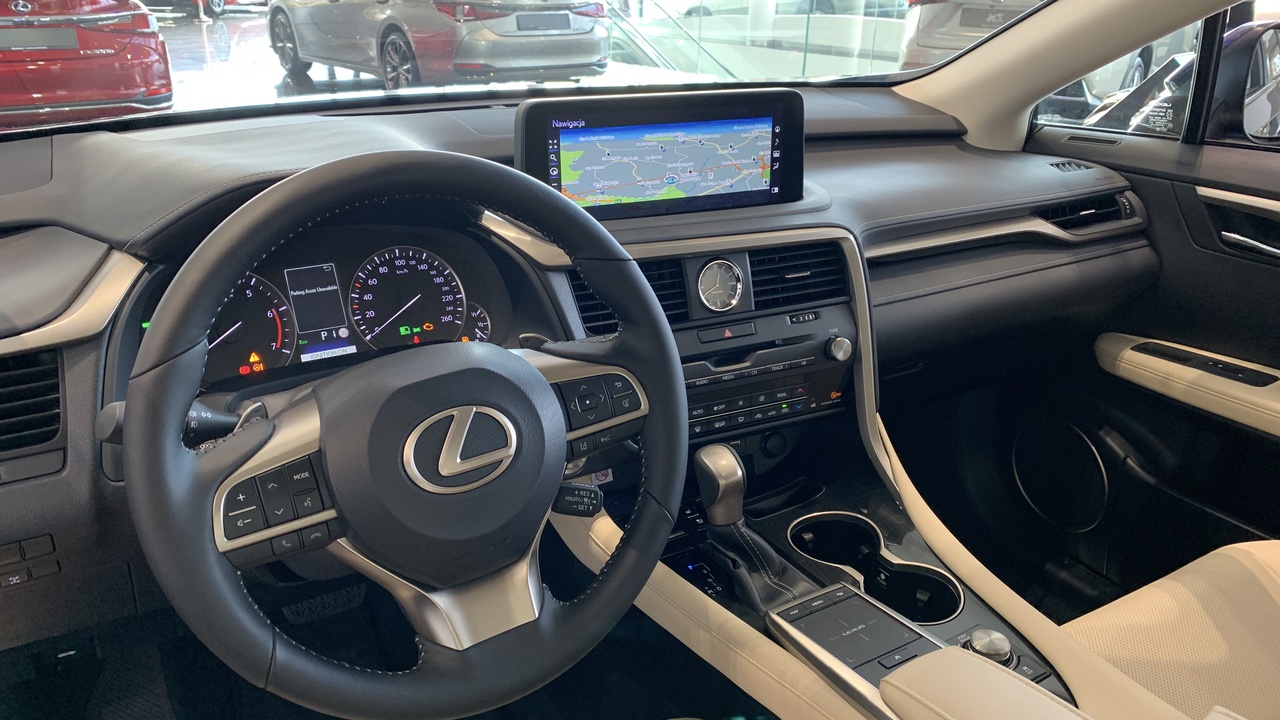
Late‑90s luxury cars traded outright flash for refinement, quiet cabins, and safety features that mattered in everyday use. In 1997 buyers wanted comfort, reliable fit‑and‑finish, and a growing list of electronic conveniences without surrendering drive quality.
These models remain relevant: a well‑kept 7 Series, E‑Class, or LS400 still offers the sort of ride and materials that many drivers prize. For used buyers, the era represents accessible luxury with relatively simple systems compared with modern cars.
4. BMW 7 Series (E38) — Tech and poise
The E38 7 Series was BMW’s mid‑1990s statement on executive comfort and driver focus. Produced through the mid‑1990s to 2001, the E38 offered options like a V12 and early integrated navigation that were forward looking for the era.
Buyers who value balanced handling plus limousine comfort still seek out well‑kept E38s. The chassis communicates well, interiors remain tasteful, and the availability of larger engines gave the model real on‑road presence without feeling bloated.
5. Mercedes‑Benz E‑Class (W210) — Safety and durability
The W210 E‑Class was a 1997 touchstone for passive safety and everyday executive transport. Mercedes prioritized multiple airbags and strong crashworthiness, which helped the brand’s safety reputation go mainstream in this era.
Robust construction and a range of engine choices made E‑Class models popular with fleets and families who wanted long service intervals and predictable maintenance. In several markets the car was a common taxi and company vehicle because of its dependability.
6. Lexus LS400 — Quiet refinement and reliability
The LS400 represented Toyota’s approach to quiet, trouble‑free luxury in the mid‑1990s. Introduced in a second generation during this period, it earned a reputation for low noise, vibration, and harshness and for trouble‑free ownership.
Used luxury buyers often choose older LS models for comfort without excessive maintenance complexity. The Lexus formula—solid engineering, calm interiors, and broad dealer support—made the LS400 a safe long‑term pick.
Practical Everyday Cars
Practical cars—sedans, compacts, and pickups—dominated daily driving in 1997. Buyers prioritized fuel economy, durability, low ownership costs, and easy serviceability more than headline performance figures.
Many models from this period earned reputations for long life and cheap parts, which is why cars like the Camry and Civic remain common on the used market. Serviceability and total cost of ownership mattered then and still do now.
7. Toyota Camry — The reliable family sedan
The Camry’s 1997 models continued Toyota’s streak as a dependable, low‑cost ownership choice and remained a mid‑1990s best‑seller in its class. That consistent popularity reflected practical packaging and sensible engineering.
Families and fleet buyers liked the Camry for daily commuting and long trips because parts were common and dealers widely available. Mechanics appreciate the straightforward engines and conservative designs that make long‑term ownership predictable.
8. Honda Civic — Efficient, affordable compact
The Civic lineup in 1997 delivered fuel efficiency, low maintenance costs, and a huge parts network. As a compact segment staple through the 1990s, the Civic was a natural choice for students and budget‑minded buyers.
The car’s simplicity and large aftermarket also fed a thriving modification scene, giving the Civic cultural cachet beyond its role as an economical commuter. That combination of utility and fun helped the model retain appeal.
9. Ford F‑150 — Workhorse and bestseller
The F‑150 in 1997 was the backbone of many American households and businesses because of its cargo capacity and tow ratings. The F‑Series had been the U.S. best‑selling truck line for decades and continued that lead through the 1990s.
Tradespeople, families, and fleet operators relied on the F‑150 for towing, hauling, and general duty. Multiple bed and cab configurations plus common engine choices made the truck versatile and easy to spec for specific needs.
Innovative & Standout Picks
This category highlights models that introduced new segments or notable technology around 1997 and helped shape buyer expectations for the decades that followed. Some were small on price but big on influence.
These cars pointed to the future—early crossovers, expanded safety features, and practical packaging that broadened choices for everyday buyers. They matter because they show how the market began shifting away from strictly body‑on‑frame choices.
10. Subaru Forester — A new small‑SUV blueprint
Subaru introduced the Forester in 1997, creating a template for the compact soft‑roader with standard all‑wheel drive and carlike handling. The 1997 debut gave buyers a practical vehicle with better traction and a sensible footprint for outdoor lifestyles.
The Forester balanced utility and ride comfort, and it helped popularize AWD in a compact package. That combination attracted buyers who wanted a taller ride without moving up to a full‑size SUV, and it helped launch the compact crossover growth that followed.
Summary
- 1997 was a transitional year: analog driving feel met growing electronic aids, producing cars with character and emerging tech.
- Mechanical platforms like the 2JZ‑GTE Supra and LS1‑powered Corvette still reward enthusiasts and collectors for their tunability and balance.
- Practical models from 1997—Camry, Civic, F‑150—remain popular because of low running costs, serviceability, and parts availability.
- The 1997 Forester and similar models foreshadowed the compact crossover trend by offering AWD and utility in a carlike package.
Whether you chase a weekend toy or a dependable daily, cars from 1997 offer a mix of analog engagement and early innovation worth considering.