1990 was a turning point: sports cars were getting more refined, Japanese firms launched halo models that redefined value, and American performance cars pushed engineering envelopes—one year that still shapes collectors’ lists today.
The global economy was steady enough for manufacturers to invest in ambitious projects, and buyers started expecting quieter cabins, better chassis tuning, and more technology without sacrificing driver engagement. Several notable launches around 1989–1990 set the tone: the Mazda MX-5 reached U.S. showrooms for the 1990 model year, Honda unveiled the NSX at the 1989 Tokyo show with deliveries following, and Chevrolet introduced the ZR-1 as a halo performance package.
This is a curated look at the 10 best cars of 1990, chosen for their handling and performance, design and comfort, or innovation and long-term value. Criteria were simple: driving engagement, build and design quality, and the model’s influence or collectibility today. The lineup is grouped into three sections—Performance and Handling; Design, Comfort, and Luxury; and Innovation, Value, and Legacy—so you can see what mattered then and why these cars still matter now.
Performance and Handling
By 1990, electronics were creeping into chassis control but many makers prioritized mechanical balance and tunable suspensions. The sweetest drivers’ cars from this era combined modest power figures with low weight, thoughtful geometry, and features like limited-slip differentials and independent suspension to create engaging, predictable behavior on road and track.
1. Mazda MX-5 Miata — Lightweight roadster and driver engagement
The first-generation MX-5 (NA) matters because it revived the affordable, lightweight roadster with a simple recipe: low mass, near-50/50 balance, and a rev-happy small engine. Debuting in late 1989 with U.S. model-year 1990 availability, the early 1.6L Miata produced roughly 116 hp and tipped the scales at about 2,100 lb curb weight.
That modest output paired with a precise, communicative chassis made the Miata an instant hit for weekend driving and autocross. Owners still fit coilovers, limited-slip diffs, and subtle power upgrades, and the platform’s long-term success is clear: more than 900,000 units produced across generations turned this into a best-selling lineage rather than a short-lived niche toy.
2. Nissan 300ZX (Z32) — Tech-rich GT with twin-turbo performance
The Z32 300ZX arrived for the 1990 model year as a leap forward for Nissan: a sleek GT body, a technologically advanced chassis, and available VG30DETT twin-turbo V6 power. In turbo form, output approached the 300 hp mark in some trims and markets, delivering 0–60 mph times in the mid-to-high 5‑second range under favorable conditions.
It blended long-distance comfort with true sports-car pace thanks to four-wheel independent suspension, refined aerodynamics, and a cabin that offered advanced features for the time (digital climate and other conveniences on higher trims). Contemporary road tests praised its composure at speed and its ability to be both a GT and a genuine driver’s car.
3. Porsche 911 (964) — Modernized classic with improved dynamics
The 964 generation, produced from 1989–1994, modernized the 911 while keeping the beloved air-cooled character. Early Carrera models made roughly 250 hp and Porsche added practical improvements such as ABS and power steering, which significantly improved daily drivability without losing the 911’s distinctive feel.
Offered as Carrera 2 and Carrera 4 (and in Turbo form with higher outputs), the 964 brought better suspension geometry and more refined damping to the platform. Those changes helped the 911 transition from a raw sports car to a more usable, collectible classic—collector interest has climbed steadily since the 2000s as these models aged into coveted status.
Design, Comfort, and Luxury
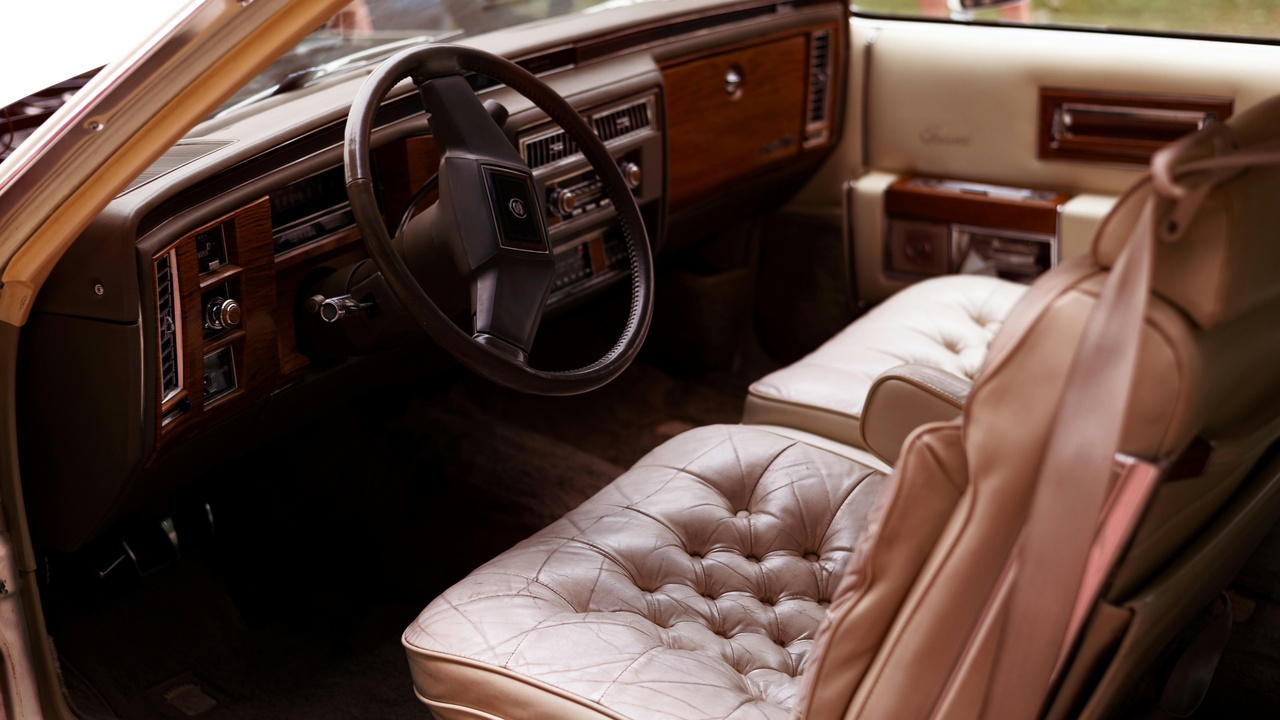
By 1990 buyers expected more than straight-line speed: quiet cabins, refined suspensions, and ergonomic interiors were increasingly important. Several models from that year combined high-quality materials with engineering that boosted perceived value and broadened a brand’s appeal.
4. Acura NSX — Exotic performance with everyday usability
Honda’s NSX arrived as a Japanese-made exotic that married supercar manners to Honda engineering sensibility. Debuting at the 1989 Tokyo show with deliveries around 1990, the aluminum-intensive body and mid-mounted 3.0L V6 (C30A) produced about 270 hp in early versions and offered a high-revving, linear powerband.
The NSX felt like a Ferrari in performance but with Honda-level reliability and serviceability; that combination made it appealing to buyers who wanted exotic pace without exotic ownership headaches. Its engineering—aluminum structure, tuned suspension, and razor-sharp steering—set a new benchmark for balanced supercars.
5. Lexus LS400 — Quiet refinement and engineering depth
Lexus relaunched expectations for Japanese luxury with the LS400, which had entered the U.S. market in 1989 and gained strong adoption into 1990. The 4.0L V8 made roughly 250 hp, and the car emphasized NVH reduction, precise fit-and-finish, and consistent build quality that tested well against established German rivals.
Executives favored the LS400 for long-distance comfort, quiet cabins, and strong resale. Early reliability records and attention to detail helped Lexus steal customers from Mercedes and BMW, changing perceptions about where true luxury could come from.
6. BMW E30 M3 — Driver-focused performance in a compact luxury package
The E30 M3 began life as a homologation special and doubled as a surprisingly refined daily driver. The S14 four-cylinder produced roughly 192–235 hp depending on market and year, giving the M3 a lively power-to-weight ratio and exceptional on-track manners.
Its touring-car pedigree translated to sharp steering, predictable suspension tuning, and a compact footprint that still delights enthusiasts. Limited production numbers, motorsport success, and excellent tuning potential have pushed collector values up in recent years.
Innovation, Value, and Legacy
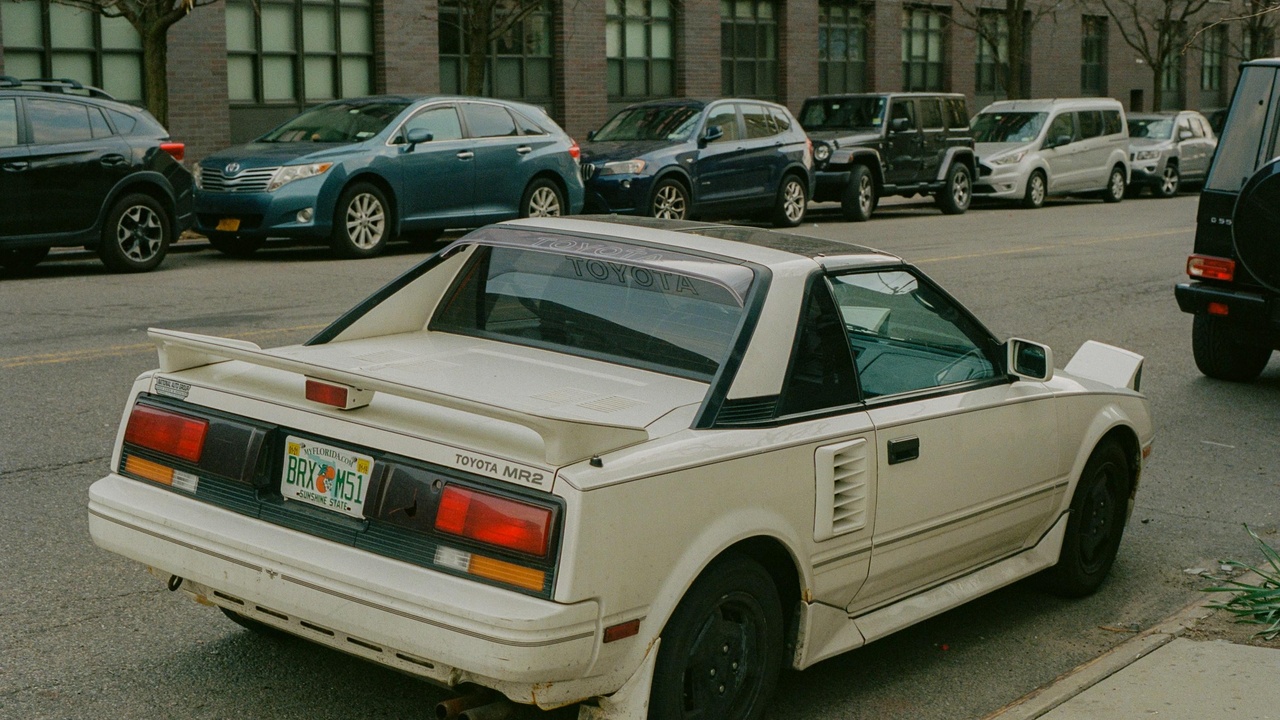
Some 1990 models earned their stripes not just for outright performance or luxury but for engineering choices and value that influenced the next decades. A few surprised the market, while others became affordable entry points into classic ownership—together they show why the best cars of 1990 remain relevant.
7. Chevrolet Corvette ZR-1 — American supercar with engineering ambition
The Corvette ZR-1 was Chevrolet’s attempt to build a genuine American supercar. Its LT5 V8, developed with Lotus engineering input, produced about 375 hp and roughly 385 lb-ft of torque in early tuneings, delivering 0–60 mph in the low 4‑second range under ideal conditions.
As a limited-run halo model—the ZR-1 totaled approximately 6,900 units across its early run—it offered blistering straight-line speed while maintaining Corvette practicality: reasonable interior space, a usable hatchback, and daily-drivable ergonomics. That blend left a lasting legacy for U.S. performance engineering.
8. Toyota Supra (A70) Turbo — Tunable platform and emerging icon
The A70 (Mk3) Supra carved a niche by balancing GT comfort with a turbocharged edge. The 7M-GTE turbo inline‑6 made roughly 230–250 hp depending on market, and the engine’s robust bottom end and accessory headroom made it a favorite for aftermarket tuning and racing teams.
Owners often added larger turbochargers, intercoolers, and ECU tuning to push power well beyond stock, and the car’s presence in motorsport and popular media helped set the stage for the Mk4 Supra’s later legend. As a platform, the A70 showed Toyota could build something both reliable and highly modifiable.
9. Ford Taurus SHO — Surprising performance in a family sedan
The Taurus SHO brought Yamaha‑built performance to a mainstream family sedan. Its 3.0L DOHC V6 produced roughly 220–235 hp depending on year, providing strong mid-range thrust and a distinct, free‑revving character compared with base models.
What made the SHO special was its practicality: four doors, roomy interior, and day-to-day usability paired with genuine enthusiasm when pushed. It stood out in sales reports as a performance bargain for buyers who needed household practicality without sacrificing fun.
10. Honda Civic Si (late fourth-gen) — Practical, efficient, and engaging
The late fourth‑generation Civic Si blended economy with an engaging chassis. Depending on market and Si/SiR designation, engines produced roughly 100–125 hp and the lightweight body helped the car feel quicker than the numbers suggested.
Civics of this era commonly returned combined fuel‑economy figures in the high 20s to 30s mpg, making them sensible daily drivers. Sport seats, tighter suspension tuning, and manual gearboxes made the Si a favorite for commuters who wanted a fun, low‑cost platform to modify and enjoy for years.
Summary
- Engineering and balance mattered: lightweight designs (Miata), clever chassis updates (964), and ambitious engines (ZR-1’s LT5 ~375 hp) defined what made these models stand out.
- 1990 marked a shift where Japanese halo cars—such as the NSX debuting in 1989 with sales following in 1990—challenged European and American assumptions about performance and reliability.
- Value took different forms: some cars are collectible for engineering pedigree (E30 M3, 964), others offer tunable affordability (A70 Supra, Civic Si), and a few were surprising bargains that blended usability with performance (Taurus SHO).
- For prospective buyers: test-drive any classic, verify maintenance histories and timing‑belt or major‑service records, and factor long‑term ownership costs into the decision—parts and specialist labor can change the equation quickly.
- Think about priorities: pure driver engagement (Miata, 964), refined comfort (LS400, NSX), or long-term fun and modification potential (Supra, Civic Si) when choosing among these standout 1990 models.