1983 was a hinge year for car design and engineering: turbocharged engines, all-wheel-drive systems proven in rallying, and sharper aerodynamic shapes began shaping mainstream models.
Looking back at the best cars of 1983 helps explain why certain models are prized today — for restoration projects, rising collector values, and the way their design and tech shaped later decades.
This list picks ten standout cars from that year based on five criteria: performance and handling, design and comfort, technological innovation, value and reliability, and cultural impact. Each selection is grouped into one of three categories: Performance & Handling; Design & Comfort; and Innovation, Value & Popularity.
Performance & Handling

In 1983, driving dynamics mattered more than ever as manufacturers adopted turbocharging, lighter chassis, and all-wheel-drive lessons from rallying. The four cars below were chosen for steering feel, braking, powertrain innovation, and their relevance on track and road.
1. Audi Quattro — Rally-bred all-wheel-drive performance
The Audi Quattro brought permanent all-wheel drive and turbocharging from rally stages to the road, becoming a benchmark for four-wheel traction by 1983. The road-going Quattro used turbocharged 2.1–2.2L inline-five engines and delivered roughly 197–200 bhp in early European-spec trim (period road tests reported 0–60 mph in the mid-6 to low-7 second range; see Car and Driver and Road & Track for 1980–1983 figures).
Its rally pedigree — multiple wins and strong Group B presence in the early 1980s — proved AWD could be tuned for enthusiastic driving as well as traction in poor conditions. That engineering directly influenced later high-performance AWD systems from other manufacturers.
2. BMW 3 Series (E30) — Balanced chassis and driver engagement
Introduced in 1982, the E30 3 Series established a template for compact sport sedans that was in full swing by 1983. Early models like the 318i offered modest power (around 100–110 hp depending on market) while the sportier 325 variants later supplied significantly more; period reviews praised the E30’s steering precision and chassis balance (see Car and Driver, 1983).
Lightweight construction, well-weighted steering, and a suspension tuned for composure made the E30 an instant favorite for enthusiasts. Today the platform remains popular for track days, restomods, and classic-car gatherings because of that inherent balance and mechanical simplicity.
3. Porsche 911 SC — End of an era and refined flat-six torque
The 911 SC — produced from 1978 through 1983 — represents the refined, torquey air-cooled 911 before later updates. The SC’s 3.0L flat-six produced roughly 180 hp in earlier years, with later market variants approaching about 200–205 hp; period 0–60 mph times commonly fell in the low-six-second range (market dependent; see contemporary road tests).
Its combination of usable torque, straightforward mechanics, and iconic handling made the SC both a usable daily classic and a sought-after collectible. Owners value the SC for its old-school driving character and relative simplicity compared with later 911 generations.
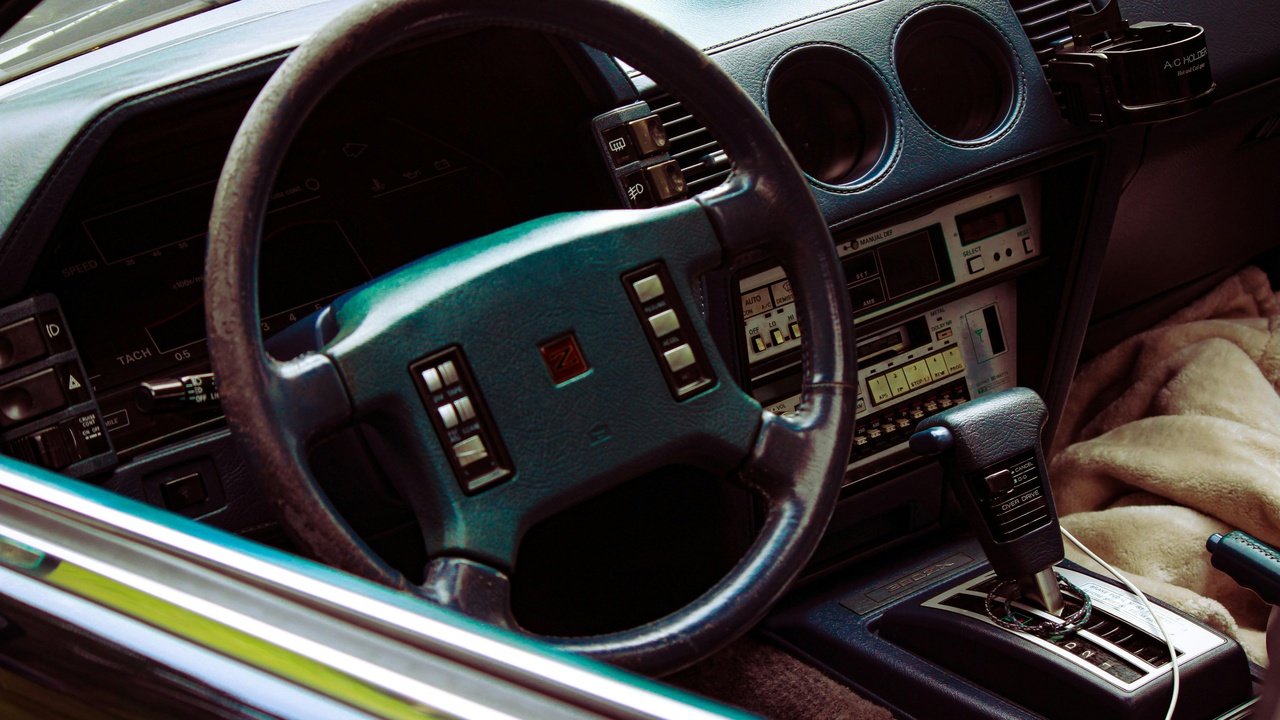
4. Nissan 300ZX (Z31) — Emerging 1980s sports car tech
The Z31-generation 300ZX debuted around 1983 for the 1984 model year and signaled Nissan’s push to combine modern, aerodynamic styling with improved V6 power. Base V6s typically produced in the 160–180 hp range while turbocharged variants (available in some markets) pushed figures into the low-200s; period 0–60 times varied from about 7 to 8.5 seconds depending on trim.
The 300ZX appealed to buyers seeking contemporary looks and V6 performance without exotic pricing. Its mix of hatchback practicality, optional turbo power, and competitive handling made it a strong contender against the Mazda RX-7 and Toyota Supra in the mid-1980s market.
Design & Comfort
In 1983 designers balanced new aerodynamic thinking with legacy styling and more ergonomic interiors. The three cars below are notable for styling longevity, interior quality, and how they set the tone for their respective brands.
5. Mercedes-Benz 190E — Compact luxury with conservative class
Introduced in 1982, the Mercedes-Benz 190E (W201) brought Mercedes engineering into a compact executive package that gained traction in 1983. Early 190E models offered a 2.0L four-cylinder among other options, pairing solid build quality and comfortable seats with classic Mercedes attention to detail.
The W201’s interior featured durable materials and straightforward ergonomics aimed at long-term comfort rather than flash. Its compact footprint and durable engineering appealed to buyers who wanted Mercedes refinement for commuting, and the chassis later became popular with tuners including AMG.
6. Ford Mustang (Fox-body) — Affordable sporty style
The Fox-body Mustang (1979–1993) offered accessible performance through the early 1980s, and the 1983 model combined familiar styling with budget-friendly V6 and small-block V8 choices. That mix made it an easy project car for enthusiasts and a common sight at weekend meets.
Wide aftermarket support meant owners could modify powertrains, suspension, and aesthetics without specialty parts. The Fox-body’s simple mechanical layout and strong parts availability are major reasons it remains a staple in American car culture and restoration projects.
7. Chevrolet Camaro (Third-gen) — Contemporary styling with driver focus
Launched in 1982, the third-generation Camaro carried angular, aerodynamic styling into 1983 and beyond. Buyers could choose from a range of engines and trims, and reviewers at the time noted handling improvements over previous generations (period tests highlighted better body control and steering feel).
Features like available T-tops and a hatchback added practical appeal to the sporty coupe form. The Camaro’s combination of recognizable American muscle styling and improved dynamics kept it competitive with the Ford Mustang and other domestic rivals.
Innovation, Value & Popularity
Not every influential car from 1983 chased headline performance. This category highlights models that delivered everyday innovation: fuel economy, safety, durability, and strong resale appeal. Sales figures and long-term reliability explain why these cars were household names.
8. Honda Accord — Economy, refinement, and broad appeal
By 1983 the Honda Accord had become a benchmark in the compact class for combining fuel efficiency with reliable mechanics. The early-1980s Accord generation offered engines in the roughly 1.6–2.0L range and typically delivered fuel economy in the high-20s to low-30s mpg on combined cycles in U.S. tests (market dependent).
Families and commuters favored the Accord for low running costs and straightforward maintenance. Many examples have documented high-mileage lives — numerous Accords from that era have reached 200,000+ miles with routine care — which cemented the model’s reputation for longevity.
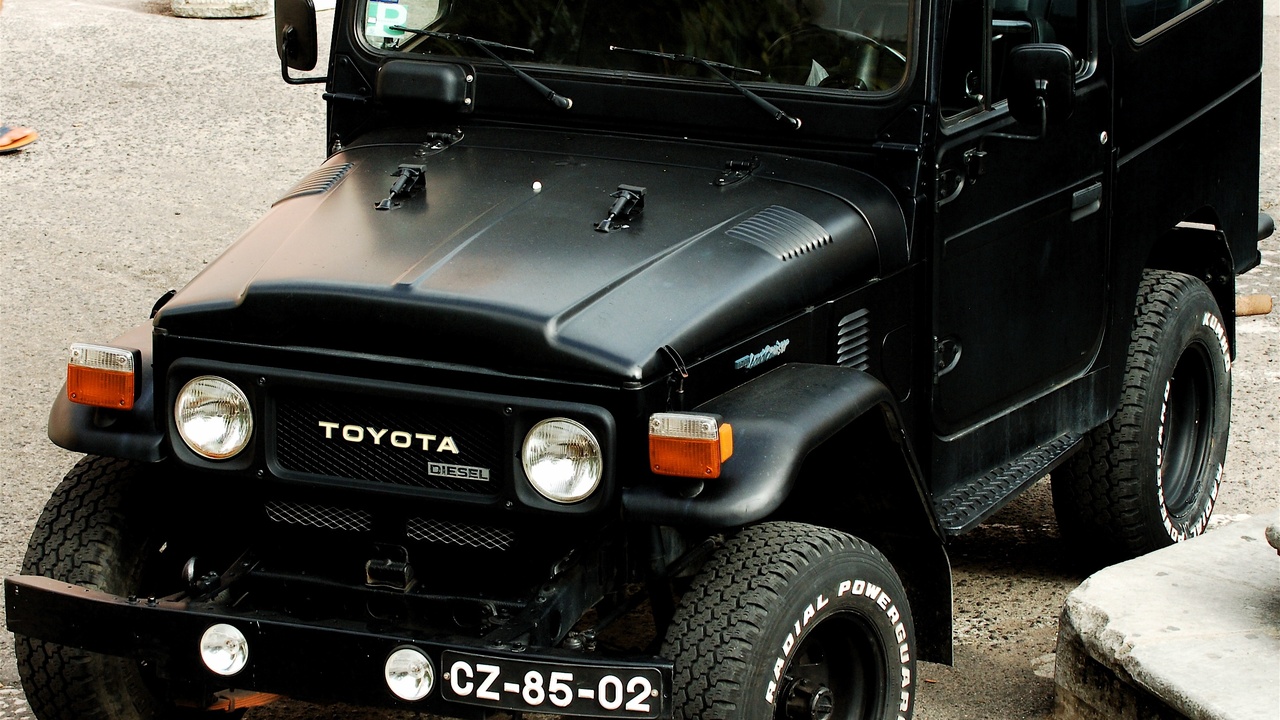
9. Toyota Pickup (Hilux) — Rugged utility and lasting value
The Toyota Pickup, commonly known as the Hilux in export markets, was synonymous with simple, hard-wearing mechanics in 1983. Its steel construction, modestly sized engines, and uncomplicated drivetrains made it easy to repair in remote locations and popular for agricultural and light-commercial work.
Worldwide demand and parts availability helped keep Hilux values stable; the truck’s reputation for easy repairs and extraordinary longevity (many examples are used for decades) is a major reason it remains prized in regions where reliability is essential.
10. Volvo 240 — Safety-first design with enduring practicality
The Volvo 240 series was a byword for safety and durability in 1983, with a long production run that emphasized a rigid passenger cell and purposeful crumple zones. The 240’s simple, robust engines and straightforward servicing made it a favorite for families, fleets, and taxi operators.
Volvo’s focus on occupant protection and predictable handling meant the 240 kept resale appeal among buyers who put safety and low running costs first. Its reputation grew from real-world use rather than flashy features, and many examples remain reliable daily drivers decades later.
Summary
- 1983 marked a clear shift toward turbocharging, wider adoption of AWD from rallying, and sleeker aerodynamic design in mainstream models.
- The ten selections show the year’s range: rally-bred performance (Audi Quattro), driver-focused compacts (BMW E30, Porsche 911 SC), and practical, long-lived choices (Accord, Hilux, Volvo 240).
- If you’re curious about classic cars from 1983, visit a local show to see these models in person, check period road-test archives (such as Car and Driver and Road & Track), or compare current values if you’re considering a purchase.
- Some models from this list, notably the Porsche 911 SC and Audi Quattro, have seen rising collector interest — while practical choices like the Accord and Hilux remain sought after for reliability and value.