1982 was a turning point: automakers embraced fuel-conscious engineering, turbocharging and all-wheel-drive were gaining traction, and several now-iconic models were redesigned or launched. The early-1980s shift pushed designers and engineers to blend efficiency with performance, and that tension produced some of the era’s most memorable cars.
This list identifies the 10 best cars of 1982 — models that combined performance, innovation, comfort, or everyday value — and explains why they still matter to collectors and drivers today. Some choices are prized for their driving dynamics and motorsport pedigree, others for durable build quality or headline-making style, and a few for introducing features that later became standard.
The article is organized into four themed groups — Performance & Sports Cars, American Classics & Muscle, Luxury & Grand Touring, and Practical/Innovative models — with a short profile for each pick including specs, production facts, and real-world context. Below are a couple of quick transitions into the first group of cars known for being driver-focused and technically distinctive.
First up: sports and performance machines that defined how exciting a compact, well-engineered car could be in 1982.
Performance & Sports Cars
These were 1982’s standout performance-oriented cars: models prized for driving dynamics, engine character, and motorsport influence. What links them is a focused chassis, driver engagement, and period-specific tech — lightweight construction in some, early turbocharging in others, and rally-derived all-wheel-drive in at least one. Their engineering choices influenced later performance cars and many remain highly sought by collectors.
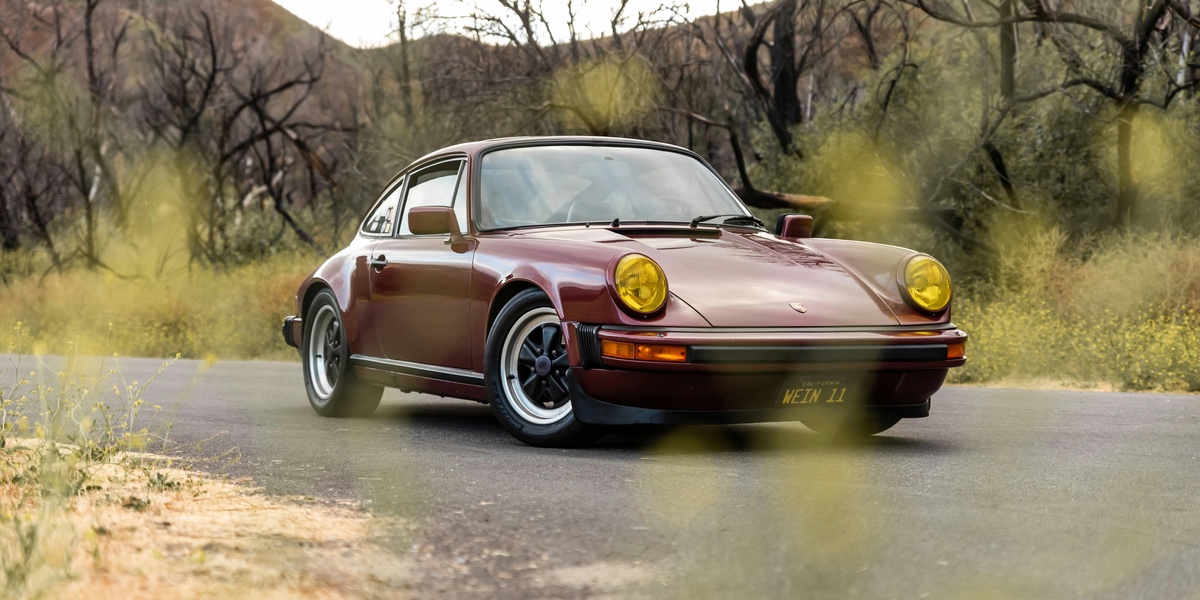
1. Porsche 911 SC — Enduring sports-car balance
The 911 SC is prized for its balance of performance, reliability, and driver feel. Under the rear deck sits a 3.0L flat-six that, depending on market and year, made roughly 180–204 hp; higher-output SCs could sprint 0–60 mph in about 6–7 seconds.
Built from 1978–1983, the SC represents a matured 911 platform with refinements that make 1982 examples especially desirable — steady mechanicals, sensible ergonomics and comparatively simple systems that reward hands-on owners. Collectors and spirited drivers value SCs for everyday usability combined with genuine sports-car character.
For deeper technical and historical detail see Porsche’s heritage pages (for example, Porsche heritage: 911), which document production runs and factory specs.
2. Ferrari 308 GTS — Italian design and V8 character
The 308 GTS is an archetypal early-1980s Italian sports car, wearing Pininfarina lines and a lively 2.9L V8 under the mid-engined deck. Factory outputs for 308 V8s typically sat around 230–240 hp, giving the car vivid on-road performance and an unmistakable exhaust note.
Produced across the late 1970s into the mid-1980s, the 308’s combination of design and sonic character made it a pop-culture star — notably appearing in 1980s television — and a long-standing favorite among collectors. Compared with mass-market sports cars, the 308 remains relatively scarce and requires attentive maintenance to preserve its character and value.
3. Audi Quattro — Rally-bred AWD arrives on the road
The Audi Quattro brought full-time all-wheel drive and turbocharged performance from rally stages to the public road. Early Quattros used a turbocharged inline-five (around 2.1L in the original Ur-Quattro) with output often near the 200–220 hp range in competition and higher-spec variants.
Its rally successes in the early 1980s proved the AWD-turbo formula, and the Quattro’s grip and composure in poor weather also changed buyers’ expectations for performance and safety. The car’s drivetrain layout influenced countless later performance AWD systems and remains a milestone in motorsport and production-car engineering.
American Classics & Muscle
In 1982 American automakers were adapting to stricter fuel and emissions rules while trying to keep style and performance alive. That year saw significant redesigns and platform shifts that balanced lower weight and improved aerodynamics with the familiar look and attitude of muscle cars.
These cars helped define U.S. auto culture: bold styling, accessible powertrains, and a strong enthusiast following that turned many of these models into icons despite tightened regulations.
4. Chevrolet Camaro (1982) — New-generation compact muscle
The 1982 Camaro launched the third generation with noticeably sleeker aerodynamics and a lighter footprint than its predecessor. Engine choices ranged from economical fours up through V6s and a 5.0L V8, producing a broad spectrum of outputs — roughly from the 80s up to about 160–165 hp for common V8 trims.
The redesign aimed to deliver muscle-car looks with improved everyday fuel economy and handling. Buyers who wanted the Camaro image could now opt for more efficient engines without entirely sacrificing performance, and the model saw solid showroom interest in its first year on the new platform.
5. Ford Mustang (early Fox-body years) — Affordable performance
Early Fox-body Mustangs, produced on Ford’s versatile Fox platform, were a tuners’ dream by 1982 thanks to lightweight structure, decent rigidity, and wide aftermarket support. Stock engine outputs varied — small fours and V6s for economy, with higher-performance variants offering noticeably more power — making the car accessible to a range of buyers.
The platform’s affordability and tunability made it a foundation for later high-output Mustangs and an enduring favorite for modifiers and collectors who appreciate a performance car without the expense of European rivals.
6. Pontiac Firebird Trans Am — Style and presence
The Trans Am was an image-driven performance coupe in 1982, known for aggressive aero styling and signature trim that communicated performance at a glance. Available V8s in period Trans Am packages typically delivered in the neighborhood of 150–200 hp depending on tune and market.
Buyers often chose the Trans Am for straight-line performance and standout looks, and its appearance in advertising and media helped cement its cultural status. Today certain Trans Am editions attract collectors who value their visual identity as much as their performance.
Luxury & Grand Touring
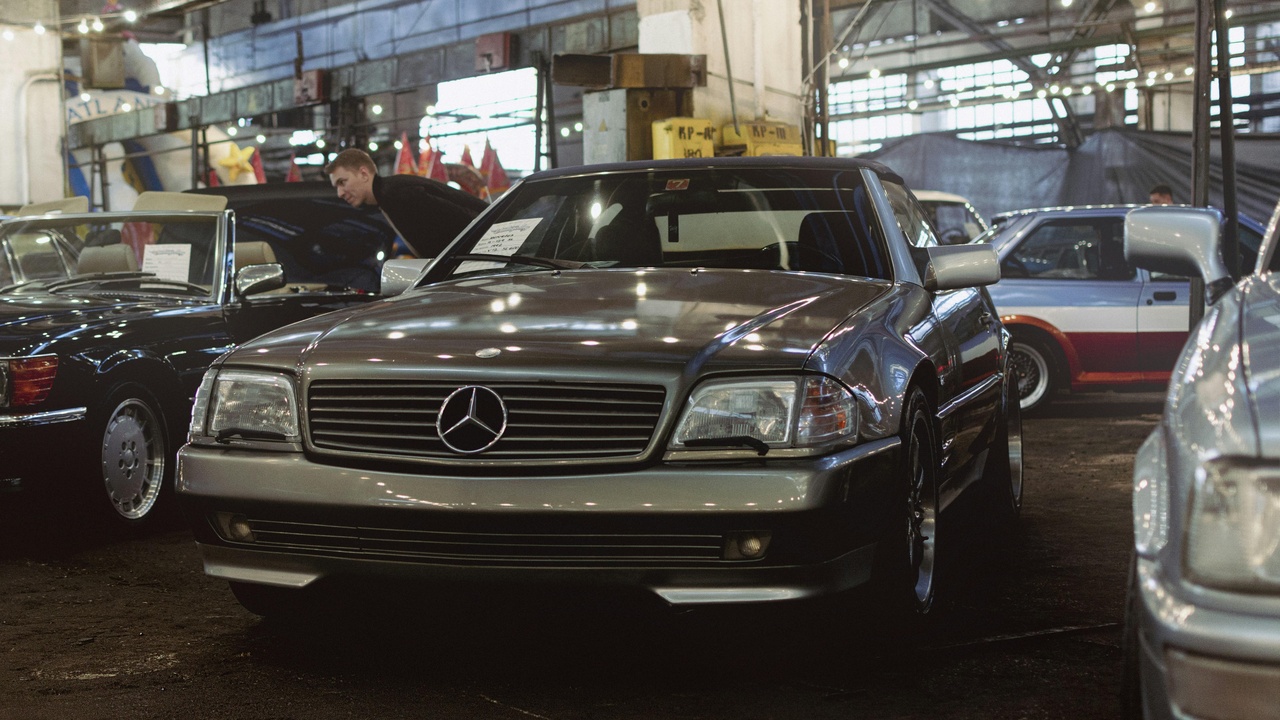
Luxury and grand-touring cars from 1982 prioritized comfort, refinement, and long-distance performance. These models showcased higher-spec materials, refined suspensions, and features that made cross-country driving more pleasant and signaled status in a way few compact sports cars could.
Build quality and creature comforts — advanced climate systems, supportive seats, and tuned suspensions — are common threads, and many of these cars age well because of strong engineering and parts support.
7. Mercedes-Benz 380SL — Timeless convertible refinement
The R107 380SL exemplified Mercedes’ early-1980s approach to durable luxury. Under the hood is a 3.8L V8, and the R107 series enjoyed a long production run that extended into the late 1980s, supporting parts availability and long-term ownership.
Buyers valued the 380SL for safety-minded engineering, comfortable touring manners, and straightforward mechanicals that reward maintenance. Its roomy appointments and predictable ride make it a sensible classic for open-top cruising.
8. BMW 633CSi — The driver’s grand tourer
The BMW 633CSi (E24) was BMW’s performance-luxury GT, marrying a balanced chassis with smooth inline-six power. Later E24 variants commonly used 3.0–3.2L inline-six engines that produced roughly in the high 160s to low 200s horsepower, giving the car composed long-distance pace with engaging handling.
Its combination of driver focus and comfortable appointments made the 633CSi a favorite among enthusiasts who wanted a refined cruiser that still rewarded spirited driving, and the model remains admired for its blend of poise and performance.
Practical, Reliable & Innovative
This group highlights 1982 models that offered long-term value: safety, reliability, or practical innovation for everyday drivers. These cars shaped owner expectations for durable construction, roomy cabins, and affordable maintenance, and many became benchmarks for sensible transportation.
Durability and low total-cost-of-ownership are common themes, along with features that improved daily usability and comfort for families or commuting drivers.
9. Volvo 240 — Safety and longevity personified
The Volvo 240 epitomized 1980s durability and occupant safety. Known for a conservative, safety-first design philosophy, the 240’s simple mechanicals and robust construction helped many examples run for hundreds of thousands of miles.
Produced across several decades, the 240’s practical interiors and easy-to-service systems kept ownership costs reasonable and influenced later expectations for family-car safety and longevity. Enthusiasts still point to documented high-mileage examples as testament to the model’s ruggedness.
10. Datsun/Nissan 280ZX — Sporty GT with everyday usability
The 280ZX offered a comfortable, sporty grand-tourer package with a 2.8L inline-six that in many trims delivered lively mid-range power. Its 2+2 layout and more civilized ride made it a sensible choice for buyers who wanted sports-car style without sacrificing cargo or daily comfort.
Made from the late 1970s into the early 1980s, the 280ZX also spawned later turbo variants that increased performance, and the model remains popular with restorers and owners who appreciate its balance of handling, comfort, and classic Japanese reliability.
Summary
- Wide definition of “best”: 1982 produced rally-bred AWD and turbocharged sports cars, redesigned American muscle that learned to be more efficient, refined European GTs, and durable practical models that lasted for decades.
- Many 1982 models introduced or normalized technologies — full-time AWD, more effective turbocharging and lighter platforms — that shaped later vehicle performance and safety expectations.
- Collector interest today depends on rarity, condition and cultural cachet: driver-focused sports cars and limited-run rally models command attention, while robust everyday cars have strong followings for reliability and restoration potential.
- Explore further: check local classic-car meets, read manufacturer histories or reputable mags, and scan auction listings to see how the market values these notable cars from 1982.