The 10 Best Cars of 1978
1978 was a turning point for car buyers: manufacturers juggled stricter emissions rules, rising fuel-efficiency expectations, and a renewed appetite for performance—resulting in memorable debuts like the Porsche 928 and the 911 SC.
The 1978 model year is worth revisiting because it sits at the intersection of post-1973 fuel concerns, tightening emissions legislation, and a push by makers to offer both economical transport and ambitious grand tourers. Some firms cut displacement and tuned for economy; others answered with new tech and upscale models aimed at buyers who wanted comfort plus pace.
This list ranks ten cars chosen for performance, design, innovation, reliability, and influence on later models. Each entry explains specs, why the car mattered in 1978, and how it fares today. The selection spans accessible sports cars, luxury sedans, practical compacts, and cult oddities to show the range of 1978 automobiles.
Performance & Handling
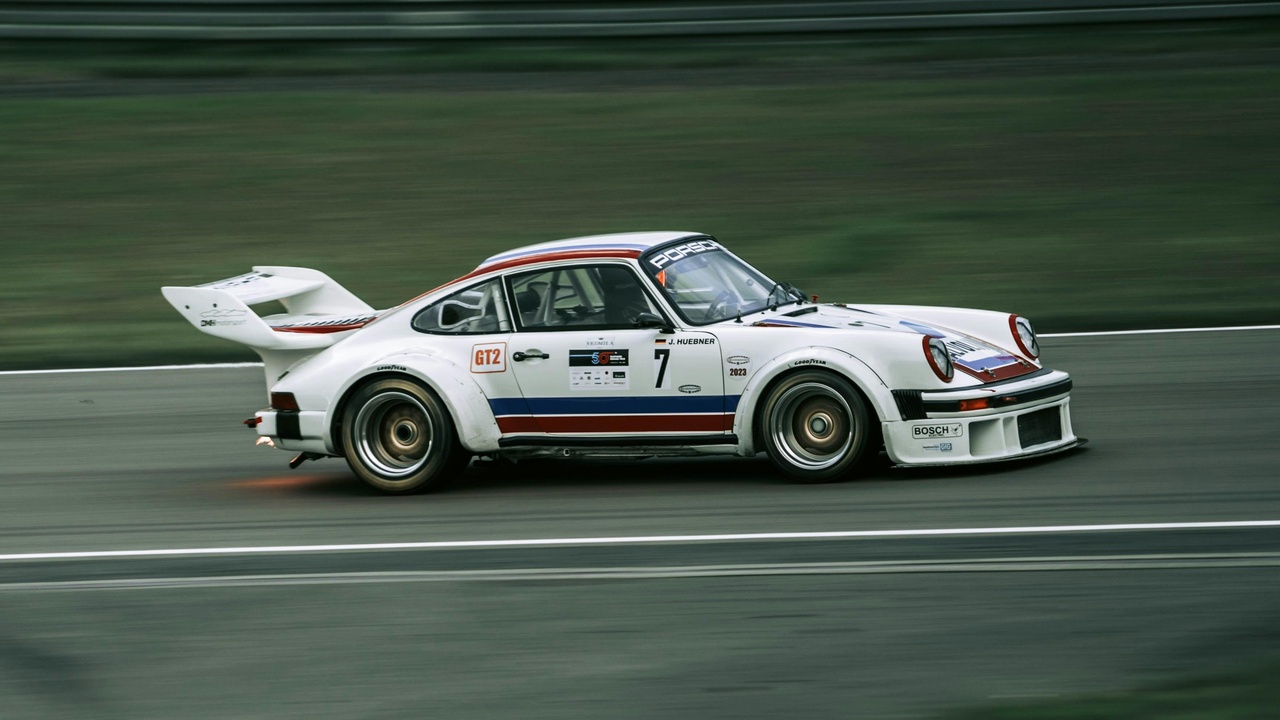
Cars in this category prioritized driver engagement, power delivery, and chassis balance at a time when emissions-driven downsizing had already begun to shape engines. Despite lower peak outputs compared with the muscle-car heyday, 1978 deliveries often focused on balance, gearing, and suspension that made speed feel usable. Expect entries that range from affordable two-seaters to full-bodied grand tourers.
When judging these models we weighed on-road feel, powertrain character (0–60 and horsepower where available), and any motorsport roots or press praise from period magazines such as Road & Track and Car and Driver.
1. Porsche 911 SC
The 911 SC arrived for the 1978 model year and quickly became the definitive “classic” air-cooled 911 for many buyers, thanks to improved durability and a new 3.0‑liter flat‑six.
Early SCs used a 3.0L flat‑six that produced roughly 180–188 hp depending on market and tuning; 0–60 times in stock trim typically fell in the 6.5–7.5 second range. Production ran from 1978 through 1983, which helped standardize parts and improve long‑term reliability compared with mid‑’70s models.
Press of the era praised the SC’s balanced handling and everyday usability, and owners used them for everything from weekend track days to long-distance touring. Today the 911 SC commands strong enthusiast interest and solid values because it blends classic 911 dynamics with a more dependable mechanical package.
2. Porsche 928
Porsche launched the 928 as its front‑engine, V8 grand tourer and it debuted for the 1978 model year as a bold alternative to the 911’s rear‑engine layout.
The original 928 carried a front‑mounted V8 designed for torque and refinement; early displacement figures were in the 4.5L neighborhood as the line evolved. Power delivery emphasized long‑distance comfort and strong midrange torque rather than razor‑sharp turn‑in, and top speeds placed it squarely in the luxury‑GT bracket.
Contemporary reaction was mixed—some pundits loved the packaging and smooth V8, others missed the 911’s immediacy—but the 928 proved Porsche could build a different kind of performance car. It found buyers wanting high‑speed touring ability and remains significant for steering the brand’s engineering thinking toward new formats.
3. Datsun 280Z
The Datsun 280Z was the affordable sports‑car answer for 1978 buyers who wanted engaging handling without European prices. It offered a smooth inline‑six and an owner experience focused on simplicity and value.
Badged “280” for its 2.8L inline‑six, the engine made roughly 140–150 hp depending on market and emissions equipment. Performance was brisk for the class, with 0–60 figures that usually sat in the 7–8 second range for well‑equipped examples.
Magazines of the day highlighted the 280Z’s balance and ease of ownership, and sales numbers reflected strong appetite for an accessible import sports car. Decades on, the 280Z is prized by restorers and tuners for its parts availability and friendly handling envelope.
4. Chevrolet Corvette (C3, 25th Anniversary)
1978 marked the Corvette’s 25th anniversary, and Chevrolet offered special trims and appearance packages that made the C3 a focal point of American sports‑car culture that year.
The C3 lineup ran a variety of small‑block V8s—representative is the 350 cu in (5.7L) V8 available in multiple tunes. Horsepower varied with emission controls and optional equipment, but the Corvette delivered the kind of V8 grunt and straight‑line performance American buyers expected.
Beyond straight‑line pace, the Corvette served as a cultural icon and an attainable expression of performance for U.S. customers. The anniversary editions added cachet, and today C3 Corvettes—especially well‑kept 1978 models—are sought after by collectors who value period styling and V8 character.
Design, Luxury & Comfort
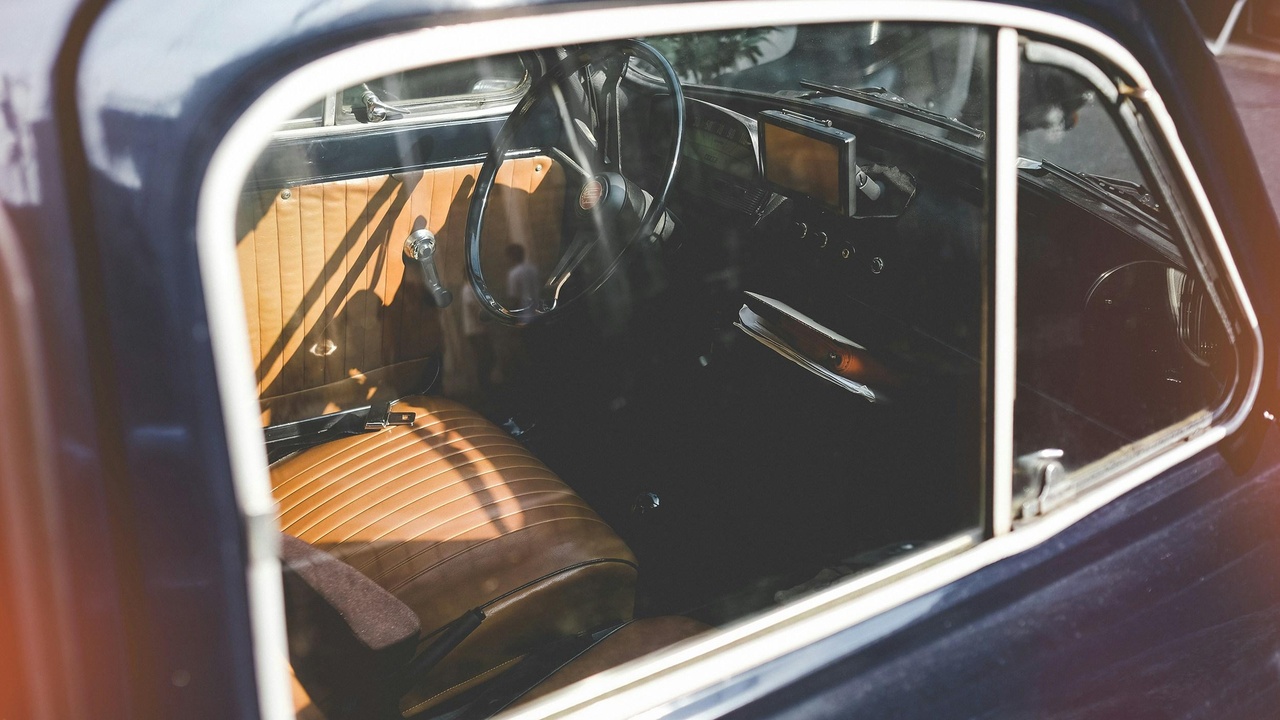
In 1978, luxury buyers expected quiet cabins, refined engines, and suspensions that smoothed the road. Some models introduced early electronics, specialized suspension systems, and high‑displacement powerplants to maintain effortless performance and composure on long drives.
We considered cabin materials, noise isolation, ride sophistication, and stylistic influence when selecting the examples in this category.
5. BMW 633CSi (E24)
The BMW 633CSi sat in BMW’s lineup as a sleek grand tourer that still favored driver‑focused ergonomics and steering feel over purely cushy comfort.
Common engines for the E24 included 3.0L and later 3.2L inline‑six units; buyers praised the smooth six‑cylinder delivery and the car’s poised chassis. Handling was balanced with responsive steering, and the coupe’s long‑hood proportions gave it classic GT presence.
For long trips the 633CSi offered comfortable seats and competent high‑speed manners, and period reviews often contrasted its sporting tilt with Mercedes coupes that aimed more squarely at passive comfort. Today the E24 is admired for style and driving purity.
6. Mercedes-Benz 450SEL 6.9
The 450SEL 6.9 was a stealthy, limited‑production flagship: a large sedan with a 6.9‑liter V8 and advanced suspension that delivered near‑luxury silence with real performance when called upon.
Powered by Mercedes’ M100 6.9L V8, the car offered prodigious torque and a smooth powerband ideally suited to European autobahn cruising and executive transport. It also featured advanced hydropneumatic‑style suspension and generous luxury appointments like full leather and automatic climate control.
Only a select number were produced, positioning the 6.9 as a halo model for buyers who wanted understated speed and limousine‑caliber ride quality. Its blend of power and refinement still impresses collectors and enthusiasts.
7. Volvo 244
Volvo’s 244 in 1978 reinforced the brand’s reputation for safety and durability with straightforward engineering that rewarded long service lives and low running costs.
Typical engines were 2.0–2.3L inline‑four units that focused on torque and economy rather than outright power. The cabin offered comfortable seating and thoughtful ergonomics for a family saloon, while the body’s sturdy construction helped many examples pass 200,000 miles with routine maintenance.
Buyers who prioritized dependable daily transport over flash found the 244 to be practical and sensible; the model’s long‑term reputation for longevity remains one of its strongest selling points into the present day.
Practicality, Value & Cult Appeal
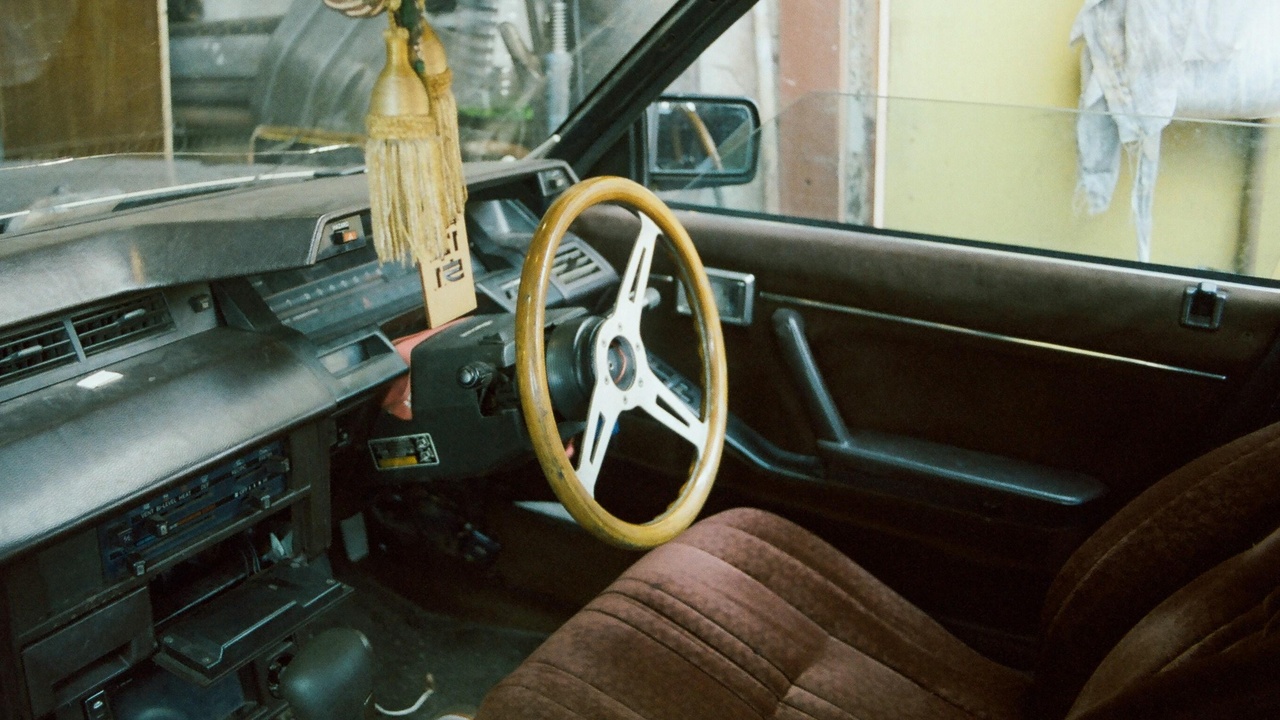
This group highlights cars that delivered everyday value, shifting expectations about reliability, or later developed devoted followings. Many late‑1970s buyers made choices driven by fuel economy, purchase price, and long‑term ownership costs.
We evaluated these models by running costs, practicality for daily life, and their cultural footprint over subsequent decades.
8. Honda Accord (late-1970s)
By 1978 the Honda Accord had cemented a reputation for fuel efficiency, build quality, and low cost of ownership—traits that helped shift North American buyers’ expectations about Japanese cars.
Late‑1970s Accords typically used a ~1.6L inline‑four that stressed economy and reliability over power. Fuel economy and simple mechanics gave the Accord lower running costs than many domestic compact competitors, and dealers appreciated its growing sales traction.
As a commuter or first family car the Accord offered pragmatic packaging and sound engineering; its success in this era laid the groundwork for decades of market leadership.
9. Toyota Celica Supra (Celica XX) — 1978 introduction
The Celica XX, introduced in Japan in 1978, was Toyota’s statement that it could produce a more upscale, performance‑oriented coupe positioned above the regular Celica.
Introduced in 1978 in Japan, the Celica XX later evolved into the Supra nameplate in export markets. Early versions pointed toward inline‑six engines in higher trims as Toyota moved the model upmarket, emphasizing refinement and stronger performance compared with base Celicas.
The Celica XX is important as a developmental ancestor of the later Supra, and collectors now trace the Supra’s ascendancy back to this 1978 introduction.
10. AMC Pacer
The AMC Pacer was polarizing in 1978: its unusually wide greenhouse and roomy cabin divided opinion, but those same traits helped it earn a lasting cult following.
AMC marketed the Pacer as a futuristic compact with an emphasis on passenger space rather than conventional small‑car packaging. Sales were moderate and critics targeted styling choices and fuel economy, yet the Pacer later turned up in films and collector circles for its quirky character.
Its real‑world niche was buyers who wanted something different; today the Pacer is a visible example of late‑1970s stylistic experimentation that still sparks conversation at shows.
Summary
- The ten models chosen show how 1978 balanced economy and ambition: from compact, fuel‑efficient Hondas to 6.9‑liter Mercedes sedans.
- Several 1978 debuts—most notably the Porsche 928 and the Celica XX (1978 introduction in Japan)—helped shape the next decade of automotive design and model lines.
- Performance entries like the 911 SC and 280Z proved that driveability and chassis balance mattered as much as headline horsepower (examples: 3.0L flat‑six in the SC, 2.8L inline‑six in the 280Z).
- Practical picks such as the Volvo 244 and late‑’70s Honda Accord demonstrate the era’s emphasis on longevity and operating cost, with many examples known to exceed 200,000 miles.
- See these cars in person: visit local classic‑car shows, read period road tests from 1978–1983, or research current market values to understand how these models have fared over time.