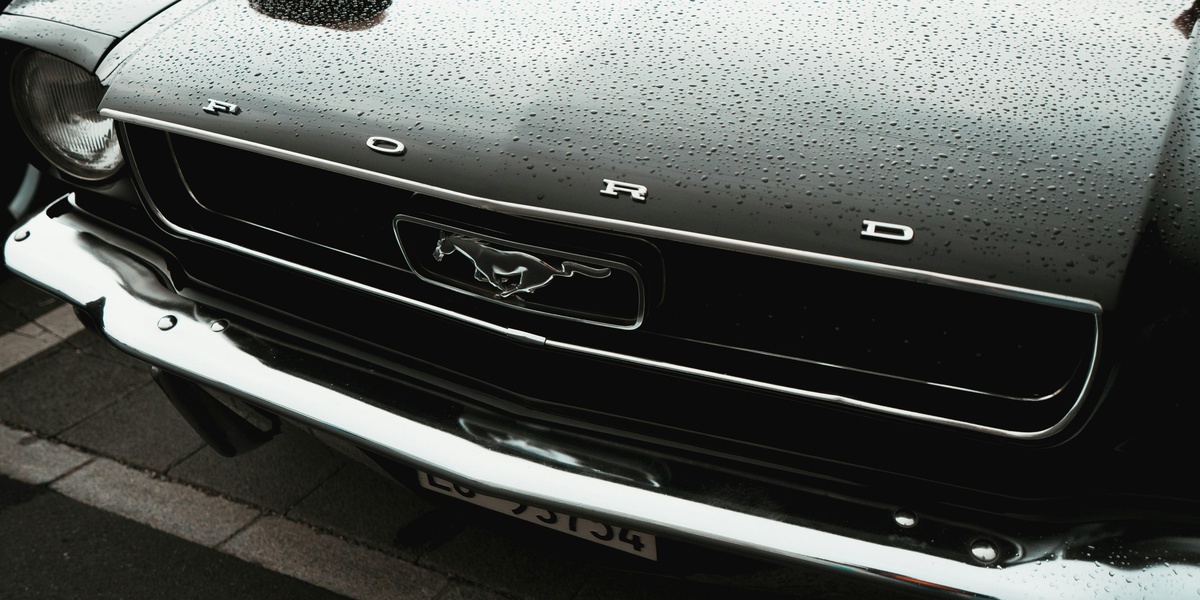
1965 sits near the apex of the 1960s automotive boom: muscle cars were reaching full stride, European sports cars were defining modern GT styling, and buyers could choose everything from raw V8 power to elegant touring machines.
This list ranks the 10 best cars of 1965 across performance, design, historical influence, and lasting legacy. The 1965 model year mattered because horsepower numbers were climbing (many V8s now rated between 200–400+ hp), the pony car trend that began with the 1964½ Mustang had turned into a full market segment, and European makers were proving that small-displacement engines and superior chassis tuning could out-handle brute force.
Selection criteria were practical: significance to the 1965 model year (sales or engineering changes), representative design, measurable performance (horsepower and 0–60 times where available), and influence on future models. The list mixes American muscle, European sportscars, and refined tourers; each entry explains what made the car stand out in 1965, includes key specs, a real-world example, and a short note on legacy.
The range here runs from the accessible performance icons that defined youth culture to coachbuilt GTs that doubled as status symbols. Expect specific figures (engines, top speeds, production numbers) and practical examples like racing results and cultural moments.
American Performance Icons (1965 muscle & pony cars)
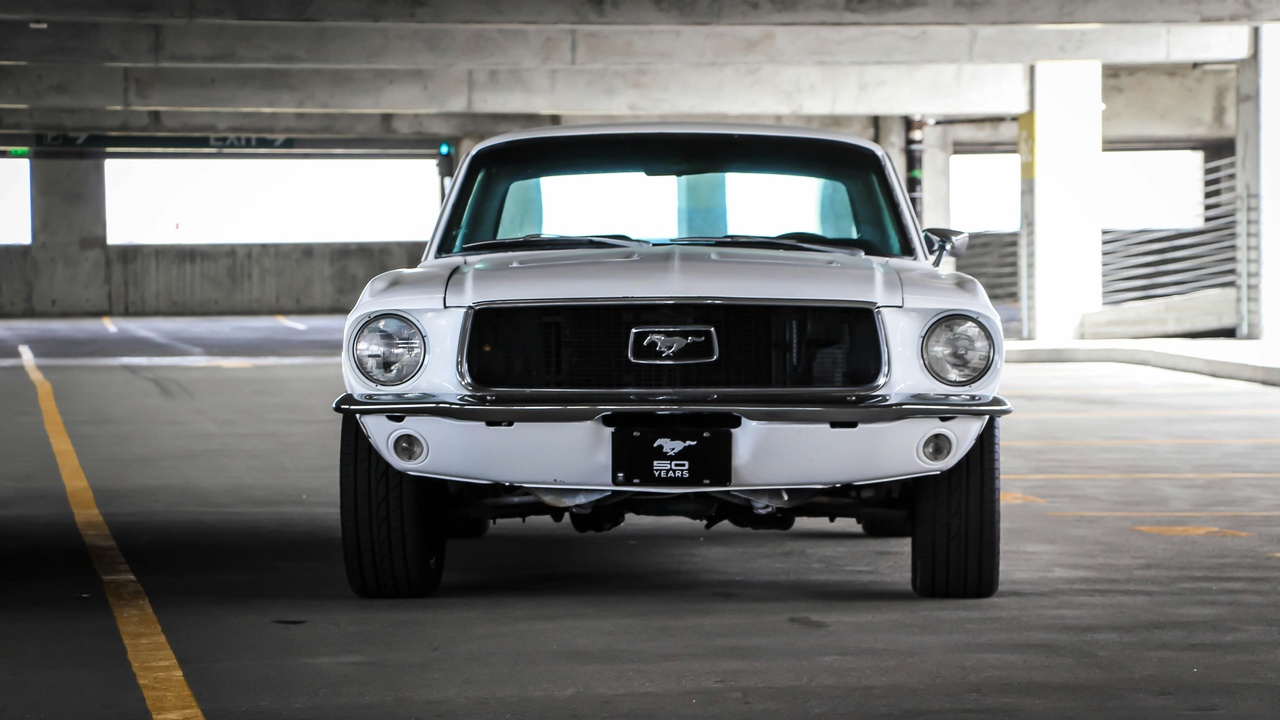
By 1965 American manufacturers doubled down on accessible performance: big-block V8s, four-barrel carburetors, and chassis setups optimized for straight-line speed. The pony car craze that began with Ford’s April 1964 Mustang launch translated into hundreds of thousands of sales (the Mustang sold over 600,000 units in its first full model year), while full-size muscle cars like the Pontiac GTO proved the formula could be applied across segments.
Typical power for the class ranged from roughly 200 hp on the low end to 425 hp for factory big-block options, and 0–60 times often sat between 5.5 and 9.0 seconds depending on engine and gearing. Technology was straightforward: pushrod V8s, solid rear axles, and heavy use of three-speed or four-speed manuals and two- or three-speed automatics.
These cars were cultural fixtures—seen on drag strips, in SCCA club events, and in film and TV—and their large aftermarket ecosystems made them ideal for tuners and privateer racers. The subsections that follow highlight the models that best embodied that era.
1. 1965 Ford Mustang — The defining pony car
The 1965 Mustang earned its place by blending broad-market appeal, tunability, and a cultural footprint few rivals could match. Launched in April 1964, the Mustang sold rapidly; Ford reported production numbers exceeding 600,000 in the first full model year, and the car became the template for the pony-car segment.
Common 1965 Mustang V8s included the 289 ci (4.7L) in several tunes: low‑performance 225 hp variants and higher-output 271 hp versions with better carbs and camshafts. Typical 0–60 times for a well-equipped 289 V8 hovered in the high six- to low seven-second range, depending on transmission and rear-axle ratio.
Real-world relevance was immediate: families bought sedate six-cylinder models while enthusiasts chose fastback V8s for SCCA club races and dragstrip outings. The massive aftermarket—carburetor, cam, and suspension suppliers—kept Mustangs competitive for decades. Today, restored 1965 289 Mustangs fetch strong values at auctions and are frequent entries at classic shows.
2. 1965 Shelby GT350 — Factory-tuned Mustang fury
The Shelby GT350 was Carroll Shelby’s answer to the need for a track-capable Mustang straight from a small, focused shop. Shelby took the 289 V8, mass-reduced the car, and added race-oriented suspension and braking upgrades to create a street car that could win its class.
Compared with a stock Mustang, GT350s shed weight through lighter trim and added reinforced components; the 289 was tuned for higher output and a snappier cam, pushing up effective power and throttle response (factory and race prep produced noticeable gains over the stock 225–271 hp range). In 1965 and 1966 the GT350 scored SCCA B-Production class victories, cementing its track credibility.
Collectors prize early GT350s for their racing provenance and rarity. Notable examples include period race cars campaigned by privateers and restored concours-winning chassis that appear regularly at high-profile auctions.
3. 1965 Pontiac GTO — Muscle-car template
The Pontiac GTO had already defined the muscle-car formula by the mid-1960s, and the 1965 GTO continued that reputation with potent 389 ci (6.4L) V8 options. Depending on carburetion and cam, outputs commonly ranged from about 335 hp up to 360 hp for higher-spec versions.
Performance metrics were impressive for the era: quarter-mile times for top GTO spec cars could dip into the low 14s or better, and 0–60 times were typically in the 6‑7 second band for the strongest configurations. The GTO also enjoyed strong sales, maintaining its status as a top seller in the mid‑size performance class.
Real-world use was split between street performance and drag racing; aftermarket intake and ignition upgrades were common, and tri‑power carb setups (three two-barrel carburetors) were a desirable option. Today the GTO is canonical in muscle-car circles and figures prominently in period magazine comparatives.
4. 1965 Chevrolet Corvette Sting Ray — America’s sporting flagship
The C2 Corvette Sting Ray represented America’s sporting ambitions in 1965: purposeful styling, independent suspension, and a spectrum of Chevy small- and big-block V8s. The Corvette balanced usable road manners with serious straight-line speed.
1965 Corvettes most commonly featured the 327 ci (5.4L) small-block with varying outputs up to roughly 375 hp in top trims; later mid‑60s development would bring bigger 396/427 engines to the platform. Handling advantages of the Sting Ray chassis made the Corvette competitive in sports-car racing and attractive for road use.
Period road tests praised the Corvette’s combination of power and handling, and privateer racer teams campaigned Corvettes in endurance and club events. Today C2s are highly collectible and often showcased alongside contemporary European GTs for comparison.
European Sports and GT Classics
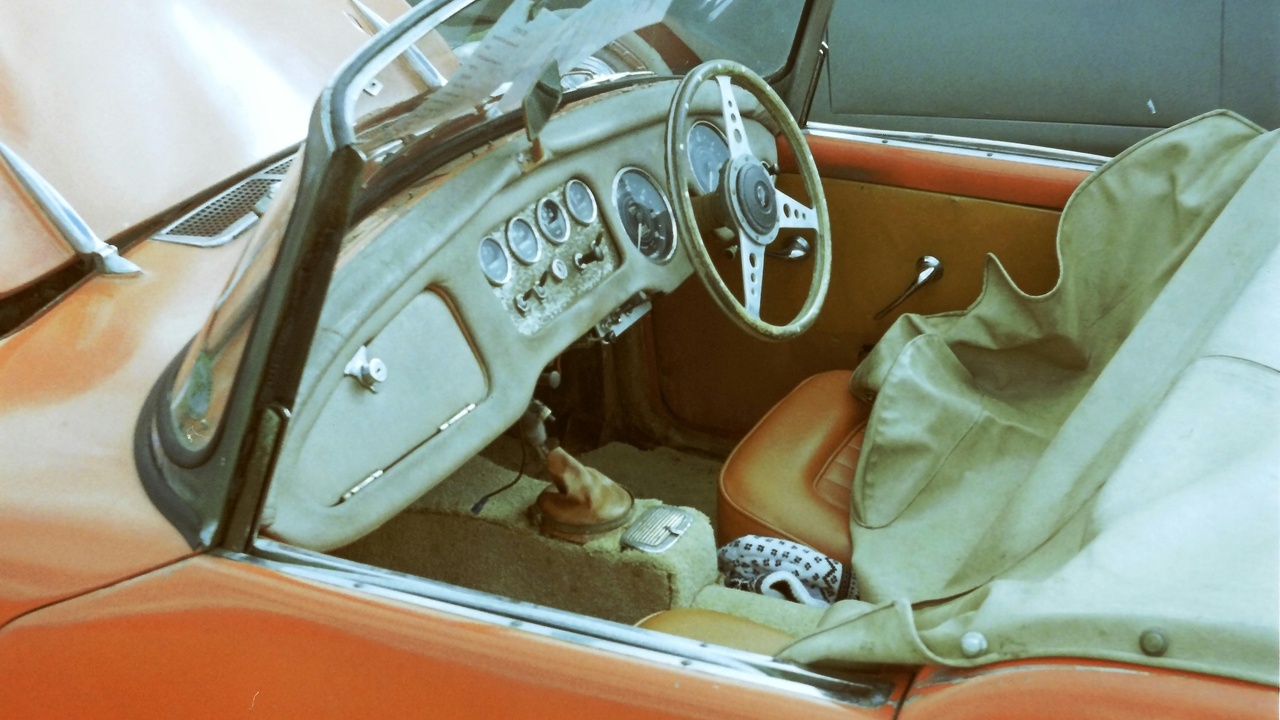
European makers in 1965 prioritized lightweight construction, handling finesse, and elegant coachwork. Many machines used smaller-displacement engines yet achieved high specific output through twin‑cam heads, careful gearing, and superior suspension tuning.
For example, the Jaguar E-Type could reach near 150 mph in certain trims, while the Porsche 911—introduced in 1964—was evolving rapidly in 1965 with its compact rear-engine layout and air-cooled flat-six development. These cars set stylistic and engineering benchmarks that shaped GT design for decades.
The following entries highlight sporting pedigree, coachbuilt elegance, and the kind of chassis balance that made European cars the go-to choice for drivers seeking finesse over brute force.
5. 1965 Jaguar E-Type — Beauty and speed
Enzo Ferrari reportedly called the E‑Type “the most beautiful car ever made,” and Jaguar’s Series 1/1.5 models paired those looks with strong straight-six performance. The 3.8L straight-six delivered lively torque and, in certain tune levels, allowed top speeds approaching 150 mph.
In 1965 the E‑Type combined long-hood proportions with independent suspension and disc brakes at all four corners, giving drivers both poise at speed and credible stopping power. Period magazines praised its composure on fast country roads and its relative comfort for grand touring.
Real-world legacy comes through competition and celebrity ownership; E‑Types were entered in GT events and regularly shown in concours. Today, well-preserved Series 1 cars command high auction prices, reflecting both aesthetic and performance pedigree.
6. 1965 Porsche 911 — The new rear-engine benchmark
By 1965 the Porsche 911 was establishing the compact, rear‑engine sports car identity that would define Porsche. Early 911s used air-cooled flat engines around 2.0L, producing modest horsepower by modern standards yet delivering a lively, communicative driving experience.
The 911’s handling character—rear-weight bias with precise steering—made it a natural for rallying and privateer circuit racing. Period entries included club rallies and endurance events where the 911’s reliability and nimble chassis yielded consistent results.
Importantly, the 911 launched a platform dynasty: its basic layout continued to evolve for decades, creating a motorsport pedigree and brand identity that turned Porsche into a specialist of performance coupes.
7. 1965 Aston Martin DB5 — Luxury GT with a sporting heart
The DB5 embodied grand touring luxury with genuine performance. Its 4.0L inline-six produced around 282–290 hp in period tune, giving top speeds commonly quoted in the 140–150 mph area and respectable 0–60 times by mid-1960s standards.
Beyond numbers, the DB5 offered refined interiors, detailed coachwork, and a level of build quality that set it apart from many contemporaries. Its association with James Bond (Goldfinger era) amplified its cultural cachet exponentially.
DB5s were also used in touring-class competition and by gentleman drivers on road rallies. Today their combination of performance, luxury, and pop-culture fame keeps prices high at auction and makes them an aspirational collector target.
8. 1965 Alfa Romeo Giulia Sprint GT Veloce — Lightweight handling and style
Alfa Romeo’s Giulia Sprint GT Veloce demonstrated that small-displacement, twin‑cam four‑cylinder engines and a light, balanced chassis could out-handle larger, heavier rivals. The 1.6L Veloce tune produced roughly 110–115 hp, which, combined with low weight, yielded sprightly performance and excellent cornering.
The chassis was praised for its balance and steering feel, making the car a frequent sight in touring-class events, hillclimbs, and club racing. Period road tests highlighted the Veloce’s agility as its defining trait rather than raw top speed.
For enthusiasts today the Giulia Sprint GT Veloce remains an attainable classic that rewards careful restoration and spirited driving; period race success and magazine accolades cemented its reputation in the 1960s.
Refined Tourers and Technical Innovators
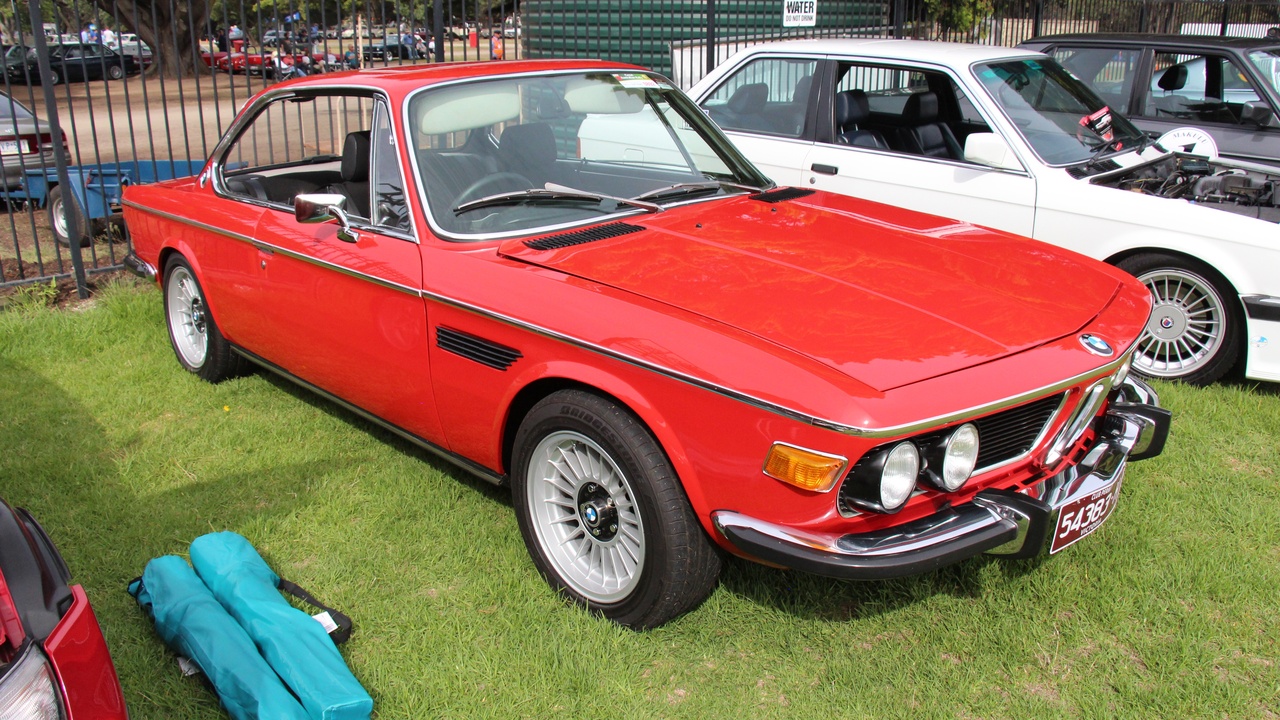
Not every 1965 milestone was an all‑out sports car; some models advanced refinement, safety, and engineering direction. Mercedes focused on durable construction and safety with the 230SL Pagoda, while BMW moved toward a sport‑luxury niche with coupes like the 2000CS.
These cars emphasized comfortable cruising, thoughtful ergonomics, and engineering decisions that influenced their brands for decades. The examples below show how touring comfort and technical choices mattered alongside outright speed.
9. 1965 Mercedes-Benz 230SL Pagoda — Safety and elegance
The 230SL Pagoda married Mercedes’ famous build quality with a graceful silhouette and pragmatic engineering. Produced from 1963–1967, the 230SL used a 2.3L inline-six that produced roughly 150 hp in factory trim, delivering composed highway cruising and excellent longevity.
Distinctive features included the slightly concave “Pagoda” hardtop, a focus on passenger safety, and a robust chassis that left many examples surviving in good condition today. Period road tests praised the car’s refinement and comfortable touring ability over long distances.
Because so many were built to high standards, the 230SL enjoys a strong survivor population and continues to be popular with collectors and restorers who value authenticity and day-to-day usability.
10. 1965 BMW 2000CS — Early sport-luxury direction
The 2000CS marked an early move by BMW toward combining sporting dynamics with upscale finishes. While production was limited, the car signaled BMW’s intention to craft coupes with sharper handling and more refined interiors than many competitors.
Engine options around this family varied, but the 2000CS typically featured well-tuned four-cylinder power plants that delivered balanced performance for the car’s weight. European reviewers of the era praised chassis balance and steering precision, hinting at the company’s future focus on driver engagement.
The 2000CS’s coachbuilt styling and attention to interior detail foreshadowed BMW’s later success with sport-luxury coupes and remains an important early chapter in the brand’s evolution.
Summary
- 1965 balanced accessible American performance with enduring European GT design, producing icons on both continents.
- Several 1965 models launched legacies that lasted for decades—the Mustang, 911, and E‑Type especially reshaped brand identities and motorsport programs.
- Technical variety—big‑block V8 torque, twin‑cam fours, and advanced chassis design—meant buyers could choose raw speed, nimble handling, or refined touring in one model year.
- Many 1965 cars remain accessible to enthusiasts through clubs, restoration projects, and classic‑car shows; seeing one in person is the best way to judge its appeal.
- Interested readers should visit a local classic‑car meet, follow a restoration thread, or check recent auction results to understand condition and pricing for these vintage 1965 automobiles.