December 7, 1941: the attack on Pearl Harbor changed the United States overnight — and within months, civilian car production shifted toward wartime needs. The 1941 model year stands as the last full chapter of prewar American car design, when rounded fenders, generous chrome, and hand-finished interiors met mass-market engineering.
These are the 10 best cars of 1941 — models that summed up the era’s styling, engineering, and cultural impact — and why they still matter to collectors and enthusiasts today. For many makes this was the high-water mark before factories retooled: by early 1942 most U.S. automakers had largely halted civilian production to support the war effort.
Collectors prize 1941 models for three reasons: they directly influenced postwar styling, they showcase craftsmanship no longer common in mass-produced cars, and examples at auction have been steadily appreciating. Below the choices are grouped by theme — everyday American family cars, high-end luxury and performance, European coachbuilt rarities, and utility models that bridged civilian and wartime roles.
American Family Classics (everyday appeal)
Family sedans in 1941 were the backbone of American motoring: affordable, easy to maintain, and widely available through dealer networks. These cars set expectations for postwar mass-market vehicles with durable mechanicals and familiar styling cues like integrated fenders and broad grilles.
Production volumes that year were still healthy, though manufacturers were already preparing to pivot to military contracts. The mass-market models emphasized reliability and serviceability over exotic tech, which is one reason survivors remain accessible restoration projects today.
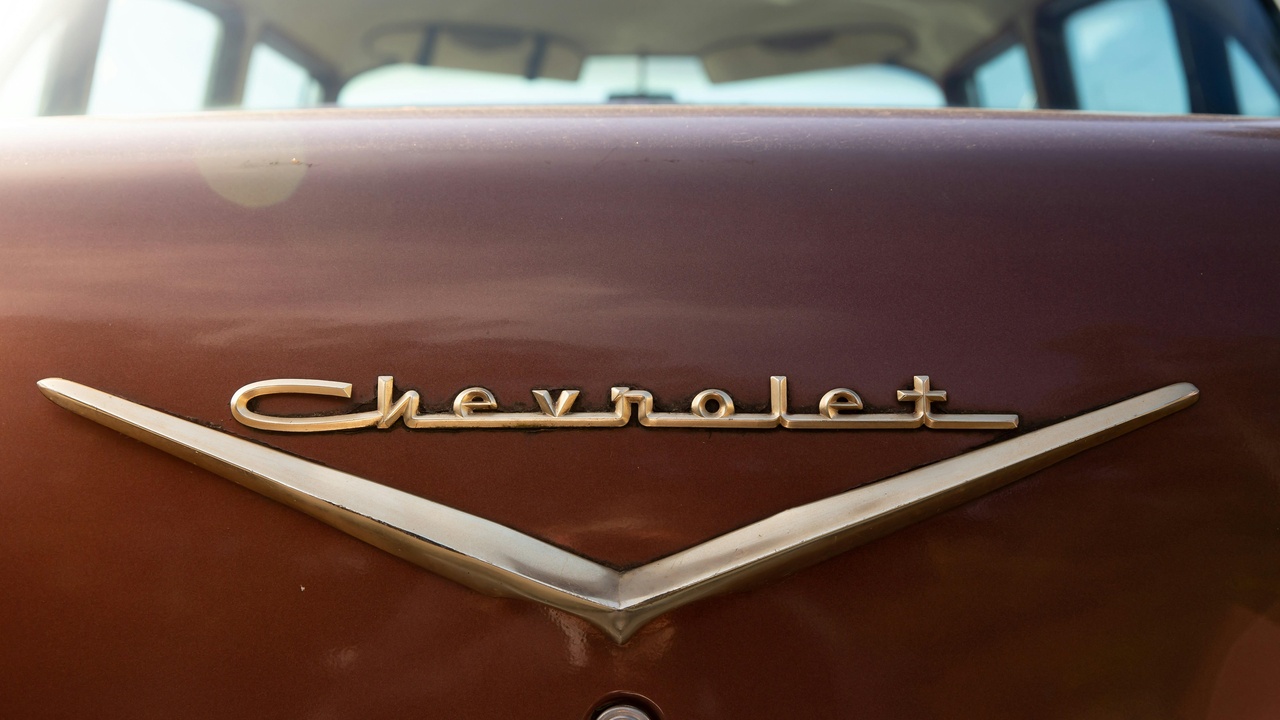
Alt text suggestion: Two 1941 American sedans parked side by side, representing Chevy and Ford family cars of the era.
1. 1941 Chevrolet Special Deluxe — The people’s choice
The Chevrolet Special Deluxe was significant because it combined broad popularity with straightforward, dependable engineering. Chevrolet had one of the largest dealer and service networks, so ownership was practical for families outside big cities.
Mechanically the Special Deluxe relied on Chevrolet’s well-known inline six, praised for simplicity and ease of maintenance, and it was offered in coupe and sedan body styles that maximized passenger space. Period brochures touted roomy interiors and economy for the time.
Original curb prices for base Special Deluxe models were positioned to be within reach of many buyers, and today clean examples show steady interest at smaller auctions and marque meets. For collectors, the Special Deluxe is appealing because parts are relatively available and restorations can remain true to period appearance.
2. 1941 Ford Super Deluxe — Practical with a V8 option
The Ford Super Deluxe attracted buyers looking for a comfortable ride plus the option of Ford’s flathead V8. That powerplant gave the Super Deluxe better highway cruising and extra torque for towing or heavier loads compared with many six-cylinder rivals.
Factory literature details the flathead V8’s displacement and advertised output for 1941, and owners praised the drivetrain for its straightforward maintenance and plentiful aftermarket support after the war. Distinctive styling elements included generous chrome trim and, on some models, a split windshield.
Restorers and hot-rodders have long used the Super Deluxe as a donor car because the chassis is sturdy and the V8 responds well to period upgrades. Today you’ll find both survivor restorations and customized examples at regional shows.
3. 1941 Plymouth Deluxe — Economy and simplicity
Plymouth’s Deluxe models were aimed at buyers who prioritized low ownership costs and reliability. The brand focused on sound mechanicals, easy-to-service brakes and suspension, and uncomplicated trim that kept purchase prices down.
Contemporary road tests in local newspapers and automotive magazines often noted the Deluxe’s comfortable ride and conservative engineering, a combination that made it a favorite for families and small business owners who needed trustworthy transportation.
For collectors today, the Plymouth Deluxe represents value — period charm with manageable restoration complexity. Original business coupes and sedans surface regularly in marque registries and regional swap meets.
Luxury and Performance (craftsmanship and power)
In 1941 luxury marques represented the industry’s peak of fit and finish: larger engines, carefully finished coachwork, and interiors trimmed in leather and wood. Clients ranged from studio stars to corporate executives, and many models were available in convertible or coachbuilt form.
These cars often featured longer wheelbases, more sophisticated suspension tuning, and higher levels of standard equipment than mainstream models. The craftsmanship found in these cabins influenced postwar luxury design and remains a major draw for collectors.
Alt text suggestion: Interior and exterior detail of a 1941 luxury American coupe, highlighting upholstery and exterior chrome.
4. 1941 Cadillac Series 62 — American luxury refined
Cadillac’s Series 62 in 1941 was known for smooth V8 performance and an interior that read as upscale without being ostentatious. The model was popular in both convertible and coupe forms, often used as chauffeur-driven transport or weekend cars for affluent owners.
Period advertising and dealer literature emphasized quiet operation, plush seating, and a refined driving experience. Owners who wanted presence at public events or on studio lots frequently chose Cadillac for its image and comfort.
Today Series 62 convertibles and well-preserved sedans are show staples and museum pieces, and provenance — famous owners or documented restorations — can significantly affect auction results.
5. 1941 Packard — Elegance and engineering
Packard in 1941 carried a reputation for engineering finesse and restrained elegance. Straight-eight powerplants and careful chassis tuning gave Packards a composed demeanor on long drives and a quality feel inside the cabin.
Many Packard buyers opted for coachbuilt or custom-bodied cars from independent builders, which added bespoke touches like swan‑neck fenders and hand-stitched interiors. Production numbers for those coachbuilt variants were low, increasing rarity today.
Collectors prize Packard restorations for authenticity; auctions show strong interest in Custom Super Eight examples and documented coachbuilt cars, though restoration can be complex and costly because of bespoke trim pieces.
6. 1941 Lincoln (Zephyr/Town Car predecessors) — Formal presence
Lincoln filled the niche for formal, long‑wheelbase cars used in parades, official functions, and by executives. The models that preceded the postwar Continental offered a combination of dignified styling and a ride tuned for comfort.
These Lincolns featured distinctive trim, long hoods, and roomy rear seats, which made them natural choices for ceremonial roles and chauffeur service. Factory literature and period photos document their presence in parades and civic events.
Today, early Lincoln limousines and town‑car variants are restored for historical displays and state‑car collections, valued for their role as formal transport rather than outright speed.
European & Specialty Cars (style and niche engineering)
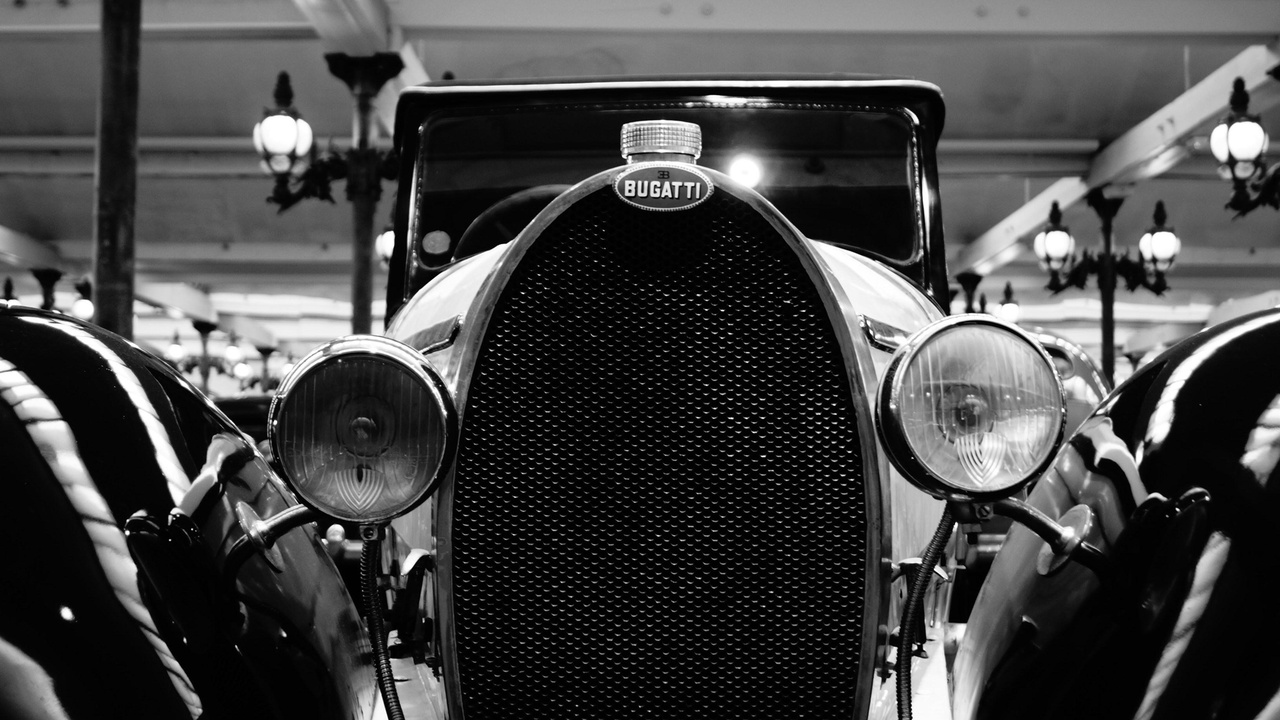
European automobile production in 1941 was uneven and often interrupted, yet the last prewar examples from France, Italy, and Britain displayed extraordinary coachbuilt artistry. Low volumes and bespoke bodies set these cars apart from mass-produced American models.
Chassis and suspension arrangements tended to be advanced for the period, and hand-formed aluminum or steel coachwork meant each car could be unique. Rarity and provenance now drive collector demand and high auction values for well-documented cars.
Alt text suggestion: A French coachbuilt automobile from the early 1940s with Figoni et Falaschi styling cues, shown in profile.
7. 1941 Delahaye/Delage chassis cars — French coachbuilt artistry
Delahaye and Delage represented the pinnacle of French coachbuilding: long hoods, sweeping fenders, and interiors finished in the finest materials. Builders like Figoni et Falaschi created some of the era’s most sensual silhouettes.
Production numbers for these coachbuilt cars were very low, and wartime events curtailed further examples. Surviving cars regularly appear at marquee auctions, where the coachbuilder’s name and documented history can drive prices dramatically higher.
Collectors prize Figoni-bodied Delahayes for their artistry; museums and private collections often highlight these cars as highlights of prewar French design.
8. 1941 SS/Jaguar predecessors — Sports car roots
The prewar SS (later Jaguar) models laid the groundwork for the marque’s postwar sports-car success. Lightweight bodies on relatively sophisticated chassis produced nimble handling that appealed to driving enthusiasts.
These cars are directly linked to later Jaguars that found success in racing and roadgoing performance. Surviving SS examples are rare and often preserved in UK museums or private collections, where they’re appreciated as the sporting ancestors of the XK and E-type lines.
For historic racers and clubs, SS cars are prized for authentic period driving dynamics and their clear lineage to postwar British sports cars.
Utility and Transitional Models (workhorses & special-purpose)
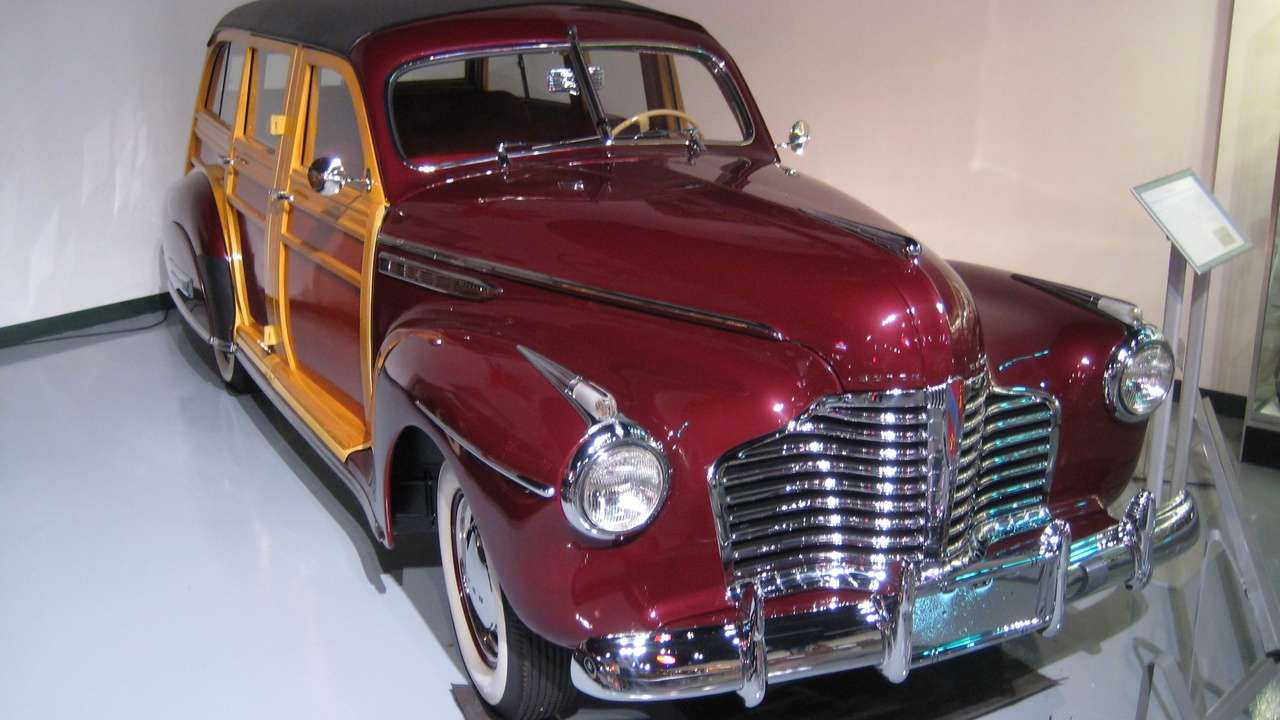
Some 1941 models bridged ordinary civilian use and wartime needs. Wood-bodied station wagons, light pickups, and commercial chassis proved versatile for families, businesses, and later military conversions.
These vehicles often used simple, rugged mechanicals that were easy to adapt for different roles. That adaptability made them useful during wartime and attractive to restorers and customizers after the war.
Alt text suggestion: A 1941 Chrysler Town & Country woody parked next to a Ford light truck, showing the era’s multipurpose vehicle forms.
9. 1941 Chrysler Town & Country — The iconic woody
The Chrysler Town & Country carried wood trim that made it fashionable for family travel and leisure. The mixed wood-and-steel body allowed generous passenger seating and flexible cargo arrangements for vacations or business errands.
Period media and advertisements associated woody wagons with seaside culture and family outings, giving them a cultural cachet beyond simple utility. Restorations are intensive because original wood frames require specialist skills.
Original MSRP for these wagons sat above equivalent steel-bodied sedans, reflecting the added labor in wood trimming, and authentic restorations command attention at vintage-car shows.
10. 1941 Ford pickup/delivery variants — Workhorse adaptability
Ford’s light truck and delivery chassis were ubiquitous in business fleets and later adapted for wartime utility roles. Their simple, strong drivetrains and straightforward suspension made them ideal for conversion to specialized tasks.
Trade publications of the era document fleet orders for these chassis, and wartime archives show how some were fitted with military equipment or used as support vehicles. Their mechanical simplicity also made them favorites among customs builders and restorers.
Today, solid Ford pickups from 1941 form the backbone of many restoration shops and hot-rod projects, prized for their authenticity and adaptability.
Summary
- 1941 marks the pivotal last full prewar model year, with civilian production shifting rapidly to wartime work in early 1942.
- The best cars from 1941 range from everyday Chevrolets and Fords to bespoke French coachbuilt Delahaye examples, showing a wide diversity of purpose and design.
- Many 1941 models are now collectible — values reflect rarity, provenance, and originality — while utility models demonstrate a practical legacy that carried into postwar vehicle design.
- Get involved: visit local classic‑car shows, consult period factory brochures or marque registries for restoration accuracy, and support preservation efforts at museums and clubs.